Matox News

Truth Over Trends, always!

Lehane’s Challenge: Navigating OpenAI’s Bold New Frontier

OpenAI’s Quest for Disruption Treads a Fine Line Between Innovation and Ethical Controversy

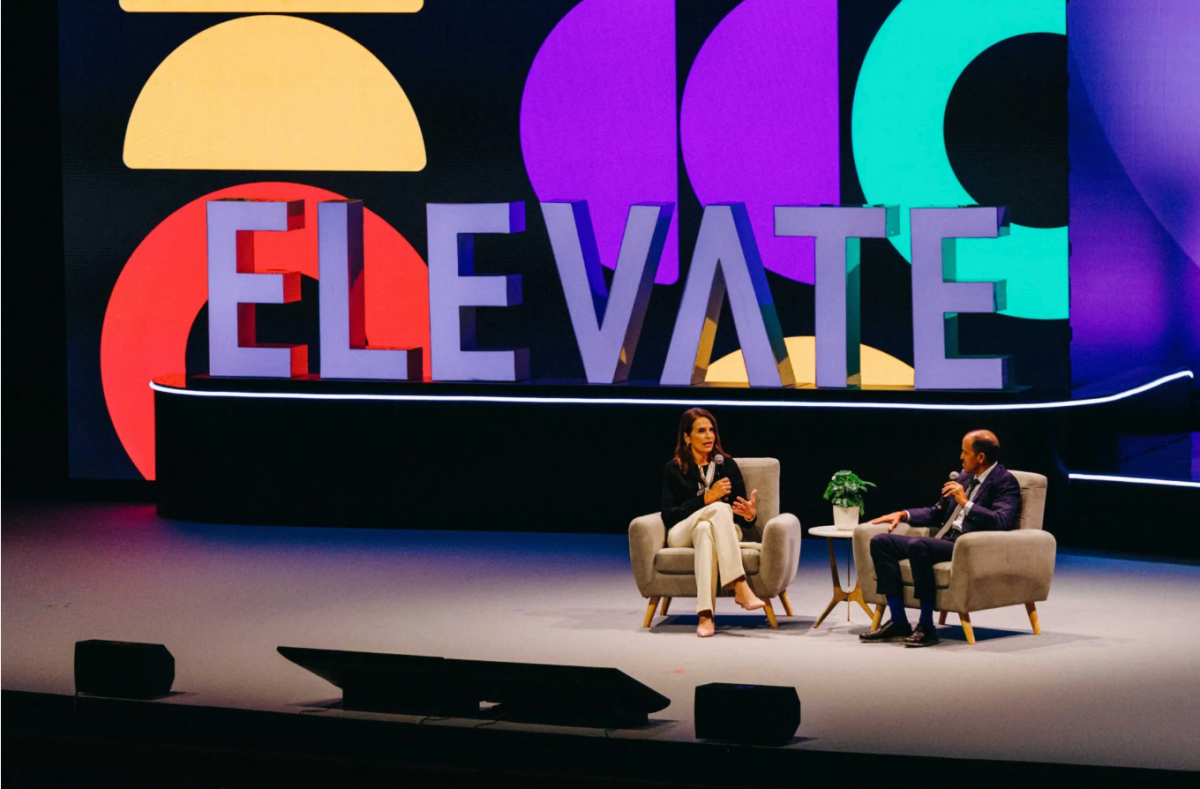
OpenAI continues to redefine the artificial intelligence landscape through groundbreaking innovations, yet behind the scenes, it faces mounting questions about ethical boundaries and societal impact. During a recent Elevate conference in Toronto, insiders observed a company grappling with contradictions—striving to lead a technological revolution while contending with concerns over misuse, energy consumption, and legal intimidation tactics. The company’s push for disruptive AI tools, such as advanced video generation systems, underscores its commitment to innovation but also raises alarms about sustainability and morality.

Technological progress driven by OpenAI’s models demonstrates an unprecedented merger of utility and power. From generic chat assistants to hyper-realistic deepfakes, the innovations threaten to redefine the very fabric of digital communication. While experts like Gartner and MIT recognize AI as a catalyst for economic modernization, critics warn that these breakthroughs could be detrimental if deployed irresponsibly. AI’s energy footprint—particularly for high-intensity tasks like video synthesis—poses a formidable business challenge, requiring massive energy inputs that could exacerbate climate concerns. As exemplified by recent estimates, AI operations can consume gigawatts of energy weekly, with comparable figures cited from China’s recent nuclear build-up. This reality compels a re-evaluation of AI’s sustainability while solidifying the necessity for a competitive energy infrastructure, especially for democratic nations vying to lead the AI race.

Corporate Strategies and Legal Battles Signal a Shift Toward Coercion and Control

Amid the innovation, OpenAI finds itself embroiled in controversy over its aggressive legal tactics against critics. When nonprofit advocate Nathan Calvin was served a subpoena as he discussed AI policy at the California legislature, it exposed a darker aspect of the company’s strategy—weaponizing legal influence to silence dissent. Critics argue that these actions hint at a broader effort to consolidate AI dominance through intimidation, potentially stifling opposition from academia, regulators, and independent voices. Such heavy-handed tactics could undermine the company’s credibility, especially among a growing base of younger tech consumers who value transparency and corporate responsibility.

This internal conflict is echoed by startling admissions from senior staff. As reported by TechCrunch, high-level employees like Josh Achiam openly questioned whether OpenAI’s trajectory risks transforming it into a “frightening power” rather than a “virtuous” leader—an admission that signals a profound crisis of conscience from within. This internal discord highlights an industry-wide reckoning: are the benefits of AI innovation worth the societal costs and ethical dilemmas it creates?

Future Outlook: The Race to AI Supremacy Is a Call to Action

The narrative unfolding around OpenAI signifies a pivotal moment for the tech industry. With its race toward artificial general intelligence (AGI), the stakes have never been higher—not only in terms of technological dominance but also global influence over energy policies, regulatory frameworks, and societal norms. Industry analysts argue that the company’s strategies—be they energetic resource investments or legal maneuvering—are setting the tone for how AI will integrate into daily life. As Elon Musk and others caution about unchecked AI power, the question remains: will OpenAI and its competitors manage to balance innovation with responsibility? Or will the pursuit of disruptive tech threaten to spiral into a new era of corporate overreach and societal upheaval?

The contemporary landscape demands urgent attention from policymakers, business leaders, and technologists alike. The window to shape a responsible AI future narrows, and as skeptics and advocates clash, the global community must act decisively. The coming years will determine whether this technological revolution elevates humanity or ensnares it in unforeseen consequences—making it imperative that innovation is paired with ethical vigilance and strategic foresight.

Nine Bold Lessons from Victoria Beckham’s Docuseries: Why We Had to End the Wag Era

The Beckhams continue to demonstrate that their social influence extends far beyond footballs and pop lyrics into the realm of lifestyle and societal trends. Their recent public appearances and candid moments reveal more than just celebrity gossip — they signify a larger shift in how the modern elite approaches personal branding and social relevance. Victoria Beckham’s increasingly curated habits, from her exclusive choice of drinkware to her carefully orchestrated public image, underscore a move toward a calculated minimalism that resonates strongly with today’s youth. Gone are the days of cluttered kitchen cabinets filled with questionable novelty mugs; instead, Victoria seems to embrace a less-is-more ethos, sipping from sleek sippy cups and monogrammed glass straws, signals of a subtle yet deliberate redefinition of luxury and authenticity.

This behavior highlights a bigger societal trend among the young, affluent, and aspirational — a push toward authenticity, simplicity, and personalized branding. Influencers like Kim Kardashian and Harry Styles have popularized a style of self-presentation that aligns with this shift, emphasizing curated minimalism and individual expression over ostentation. For sociologists and analysts, such as Dr. Lisa Buchanan, this transition indicates a broader cultural pivot: the image of effortless, almost mundane luxury that speaks to a generation eager to reject excess but still crave exclusivity. Victoria’s subtle walk-through of her daily rituals—such as her strategic positioning beside David for camera optics or her choice to “bury her boobs” for sleek elegance—emphasize her mastery at blending high fashion with relatable authenticity. This is an era where celebrity is crafted through nuanced behavioral cues.

And let’s not overlook her cultural power plays. Her interactions with legendary designers like Donatella Versace and media icons such as Anna Wintour serve as deliberate signals of her influence and credibility within the fashion world. Even her unconventional fashion choices — like her decision to customize her wardrobe by shortening dresses or altering runway pieces — challenge traditional notions of authority in the industry. Meanwhile, her home life, including a £70,000 investment in plants and the construction of a mansion dubbed “Beckingham Palace”, showcases how her identity now extends into her personal habitat as an extension of her brand. These seemingly superficial details actually function as social signals, reinforcing her status as a mogul who can blend lifestyle trends with cultural authority.

Yet, beneath the polished veneer lies a compelling question: as Victoria and David continue to navigate their personal narratives — from playful teasing about modestly-sized “magnificent” assets to tearful tears over fashion mentorship — we are left to wonder what the next evolution of this celebrity lifestyle will be. Will the rising generation of young influencers and entrepreneurs embrace this curated simplicity as a new form of luxury? Or are these carefully constructed images destined to be replaced by authentic, raw expressions that challenge the very notion of celebrity as a constructed identity? The future of celebrity lifestyle trends remains a fascinating conversation — one that blurs the line between authentic individuality and calculated social positioning. As we watch Victoria Beckham redefine elegance, the core question for tomorrow’s tastemakers might just be: how much authenticity can this curated minimalism sustain in a world obsessed with genuine connection?

Virgin’s Bold New Flight: Boeing 747 Prepares to Launch Rockets into Space

In recent years, space exploration has shifted from the realm of government-initiated missions to becoming an accessible frontier for innovative private companies. The United Kingdom, historically not a major player in space endeavors, is now making notable strides with the development of its first orbital spaceport at Newquay. This evolving landscape signals a day when space launches are not solely conducted from remote, government-controlled sites but can happen closer to home, transforming our perspective on leisure, economic growth, and personal impact.

Central to this movement is Virgin Orbit, a company founded by Sir Richard Branson, which has pioneered the use of modified aircraft—most notably its aircraft Cosmic Girl—to launch small satellites into orbit. Reimagining the traditional ground-based launch system, Virgin Orbit employs a unique horizontal launch method, where the 747 aircraft carries the rocket to high altitude before release. This approach broadens the potential orbits and access points, offering a more flexible and cost-effective path into space. For young people inspired by the stars and technology, this sequence represents a monumental shift: space is now within reach, not just for scientists and astronauts but for entrepreneurs and everyday explorers alike.

Witnessing this revolution firsthand, locals near Newquay have had the chance to watch the spectacle of Cosmic Girl take off and return, marking a milestone for European space endeavors. As Virgin Orbit prepares to launch its first UK mission next month, the event stands as the first international launch from Europe in decades. The mission involves launching seven satellites, compact payloads that will orbit Earth, facilitating everything from weather monitoring to global communications. This development elevates the UK’s position in the future of global connectivity and _technology-driven innovation_, inspiring a new generation of engineers, scientists, and entrepreneurs to think beyond terrestrial limits.

Moreover, the infrastructural and technological groundwork laid at Spaceport Cornwall demonstrates that the future of space exploration is shaping right here on Earth, in vibrant communities eager to participate in the @newspace. Virgin Orbit’s recent rehearsal flights and ground operations showcase how public-private partnerships are revolutionizing access to space, making it more than just science fiction. Looking ahead, Virgin Orbit has plans to extend this horizontal launch model to countries such as Australia, Japan, Brazil, Poland, and the Republic of Korea. For the ambitious youth of today, this signals an expanding horizon—where borders become less relevant and innovative spirits define the new age of exploration and discovery.

As the journey into space accelerates, it’s vital to reflect on how these advancements impact personal health, leisure, and vision. Space technology fuels communications, weather forecasting, and even environmental monitoring—areas that directly influence our daily lives. For young explorers fueled by curiosity, the emerging space industry is not only about reaching new frontiers but also about learning how to shape a sustainable, connected future. The story of Cosmic Girl taking flight from Cornwall encapsulates this spirit—a testament to human ingenuity, resilience, and the unwavering desire to reach upward.

In the grand narrative of progress, the ongoing development of UK-based space launch capabilities invites each of us to embrace the possibilities. The narrative is no longer confined to distant stars or government agencies; it is happening here, in communities and workplaces, sparking a sense of pride and purpose. Like the seasoned pilot Matthew Stannard remarked, “It feels amazing to bring Cosmic Girl home to the UK”—a sentiment echoing across the industry. As we look to the sky, this evolving story reminds us that exploration is a personal journey—an adventure in innovation and hope, urging every young mind to dream beyond the horizon and realize that the future is waiting to be shaped by those brave enough to pursue it.

Emil Ferris Honors Classic Horror Comics in ‘My Favorite Thing Is Monsters’—A Bold nod to underground culture

In the evolving narrative of human creativity, culture functions as both the mirror and mold of our collective identity. It is the language through which societies internalize their history, values, and aspirations, shaping the very fabric of their existence. As Ortega y Gasset suggested, we are not merely individuals navigating a blank universe but are profoundly embedded within the traditions that galvanize our sense of self. This is evident in modern art and literature, where the reinterpretation and expansion of classic motifs serve to renew our cultural heritage, making it resonate with contemporary sensibilities.

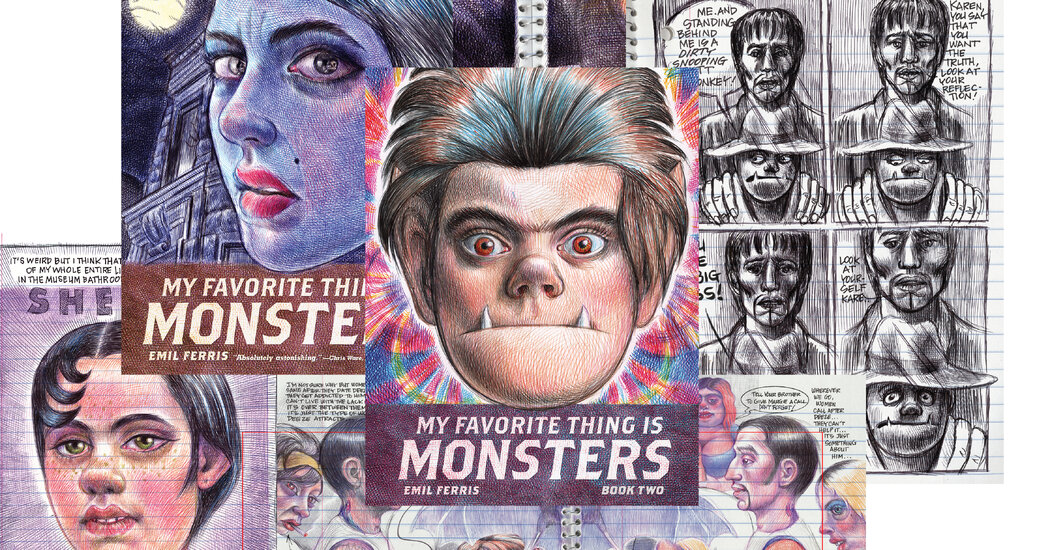
Take, for instance, the daring reimagining found in the *second volume* of *My Favorite Thing Is Monsters*. Here, the artist Ferris elevates figures from Fuseli’s haunting masterpiece beyond its original frame, transforming them into active participants within a fictional universe. These figures cease to be static representations of gothic horror; instead, they morph into *cover artists* for *“Ghastly,”* a horror comic conceived within a private notebook. This act of creative expansion echoes the philosophical insight of Chesterton, who posited that tradition is the democracy of the dead—an ongoing conversation across generations. The figures, once confined to a canvas, now become vital players in a living, breathing cultural dialogue that bridges past fears with present fantasies, illustrating how art breathes new life into timeless motifs.

Such reimagining embodies the profound role of cultural continuity in asserting societal identity. It challenges the notion that tradition is static; rather, it underscores that culture is a vessel for renewal, a reservoir from which society draws strength and meaning. This process also exemplifies Tocqueville’s insights into democracy’s capacity for fostering the collective voice—each reinterpretation and creative reinvention serving as a testament to our shared heritage. In a world increasingly driven by rapid change, the enduring relevance of cultural icons reminds us that tradition sustains us, anchoring us to enduring values even as we explore novel expressions of human imagination.

Ultimately, culture embodies both memory and prophecy—the echoes of those who came before and the visions of those yet to come. It is through this dynamic interplay that societies preserve their essence while forging paths into the future. As T.S. Eliot reflected, true culture is rooted in the tension between preservation and innovation, where the past informs the present, and the present shapes what is to come. Culture becomes the poetic landscape where history’s shadows and hope’s light blend—an eternal testament to humanity’s capacity for both remembrance and rebirth. It is here that our collective soul resides, a luminous thread in the tapestry of human destiny, continually weaving our shared story toward an infinite horizon.

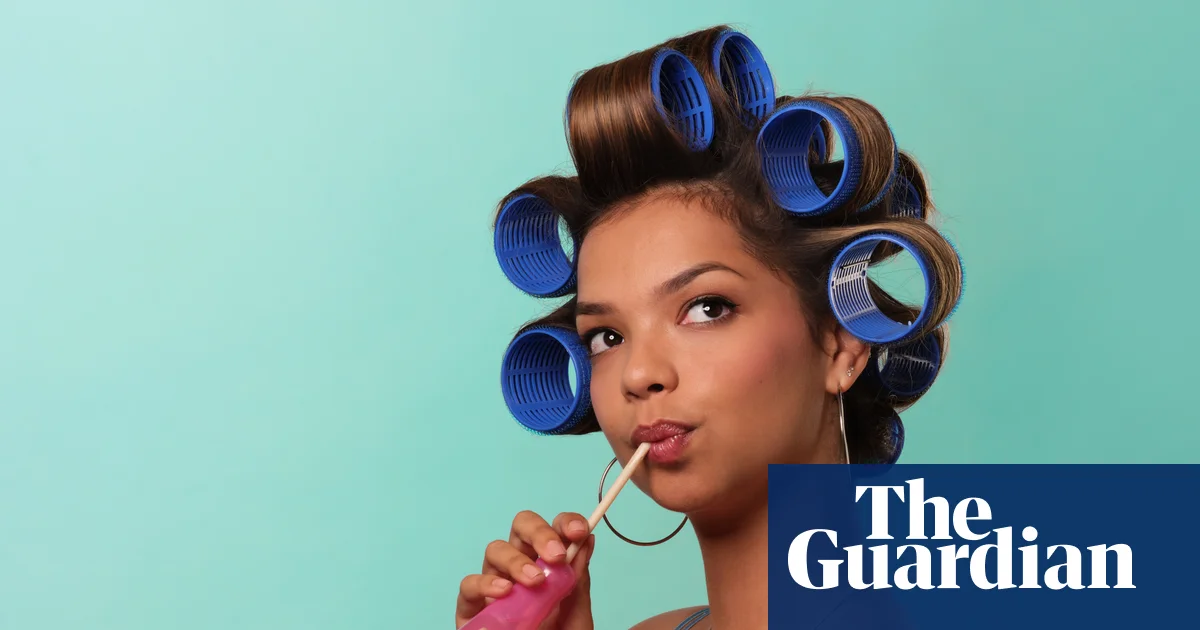
Sali Hughes on Beauty: Top Velcro Rollers for Bold Body and Bounce — Elevate Your Hair Game

The Resurgence of Velcro Rollers: A Beauty Trend Redefining Style

In an era dominated by high-tech hair gadgets and relentless beauty innovation, Velcro rollers are making an unexpected comeback, proving that sometimes, the simplest tools are the most revolutionary. Once relegated to the backstage of vintage salons, these rollers are now at the heart of a trendy hair revival among youth and beauty aficionados seeking a quick, damage-free way to craft voluminous, lively styles. Influenced by iconic stylists like Sam McKnight, whose background includes creating celebrity-worthy, bouncy dos, the trend underscores a broader cultural shift towards authenticity and simplicity in beauty routines.

What makes Velcro rollers more than just a nostalgic throwback is their resonance with the contemporary desire for effective, damage-conscious styling. Influencers and beauty experts like Sali Hughes emphasize how these rollers can effortlessly lift roots and add natural movement without exposing hair to extended periods of heat, which often causes significant damage — a concern echoed widely among the young generation wary of long-term hair health. The recent reintroduction of the “Big Set,” a kit comprising 18 various-sized Velcro rollers and a retro-futuristic thermal bonnet, highlights a deliberate counterculture movement: rejecting over-complicated devices in favor of straightforward, sustainable hair care methods.

Social platforms have played a pivotal role in amplifying this trend, with beauty influencers showcasing their own roller routines, emphasizing the social relevance of embracing traditional techniques in modern, fast-paced lifestyles. Top lists from trend analysts pinpoint that ‘less is more’ is becoming a guiding principle, as young consumers gravitate towards products that favor ease, portability, and versatility. For instance, a set of Self Grip Rollers, priced at just £12, provides an instant upgrade to flat or lifeless hair, hinting at a broader embrace of DIY culture alongside eco-conscious values. These tools fit seamlessly into busy schedules, allowing the wearer to craft polished looks in the time it takes to enjoy a morning coffee, further cementing Velcro rollers’ social relevance in youth culture.

The cultural impact runs deep, extending beyond mere aesthetics. As sociologists note, this trend encapsulates a desire for self-sufficiency and authenticity, echoing a collective urge to reconnect with more tangible, less digital styles. The narrative becomes even more compelling when considering influencers championing these methods, blurring the lines between vintage appreciation and contemporary cool. Hair expert Sam McKnight illustrates that effective styling doesn’t necessarily require high-tech contraptions, but rather the right attitude and tools — a powerful message in today’s era of social media-driven perfectionism. As the trend grows, the crucial question arises: could this revival be a sign of a future where digital saturation gives way to a preference for tactile, proven techniques? The next chapter in this story might define whether the true beauty revolution hinges on simplicity or technological innovation.

Australia Backs Trump’s Bold 20-Point Peace Plan for Gaza—A Fresh Hope for the Future

Global Reactions to Trump’s 20-Point Peace Plan for Gaza: A New Chapter in Middle Eastern Diplomacy

The recent announcement of President Donald Trump’s 20-point peace plan for Gaza has ignited a complex web of international responses, reflecting both cautious optimism and deep skepticism. The plan, unveiled alongside Israeli Prime Minister Benjamin Netanyahu, proposes a transitional “apolitical” governance committee for Gaza, with the United States potentially leading the effort. Australian Prime Minister Anthony Albanese has publicly welcomed the initiative, calling it a ‘door open’ to the elusive two-state solution that many analysts believe is the only sustainable pathway to peace. Albanese’s diplomatic comments, made during his trip to the US, UK, and UAE, underscore a shift among allies toward supporting specific diplomatic proposals amid ongoing regional turmoil.

Particularly notable is the broad regional backing for the plan’s emphasis on Palestinian self-determination, with Indonesia and Pakistan explicitly endorsing the proposals. These nations have traditionally shown solidarity with Palestinian aspirations, and their support signals a regional consensus that, despite its flaws, the plan might serve as a foundation for alleviating suffering and reducing violence. Nevertheless, the plan’s effectiveness hinges on Hamas’s willingness to disarm and accept the transition, a condition that commentators and former experts warn could predicate future failure. As international organizations like the UNO and analysts from think tanks observe, the plan’s success depends on whether key players—most critically Hamas—are willing to abandon violent opposition, a move seen by many as tantamount to signing their own political death warrants.

Nevertheless, the plan’s details are a matter of fierce debate. Critics from the Greens, citing Palestinian sovereignty, argue the initiative may be yet another iteration of external forces imposing a solution without genuine Palestinian agency. Mehreen Faruqi contends that the US-led effort, with figures like Tony Blair involved, does little to foster authentic independence for Palestine, warning that it could merely perpetuate a cycle of occupation under a new guise. Meanwhile, Australia’s opposition remains divided—some see it as a *beacon of hope*, whereas others worry it could undermine Palestine’s right to self-governance. The Coalition’s stance, to revoke recognition of Palestinian statehood, signals a potential retreat from diplomatic recognition, which could destabilize regional prospects further.

Throughout this evolving diplomatic theater, the geopolitical impact remains profound. The plan’s anticipated impact on regional stability, coupled with potential shifts in alliances—especially between the US, Britain, and Middle Eastern nations—could alter the balance of power for decades to come. Historians and international analysts warn that these decisions will be scrutinized in the corridors of history, as one of the most pivotal moments in the Middle East since the original accords. As leaders grapple with the aftermath of decades of conflict, the question remains whether the region can pivot toward peace or whether it risks yet another cycle of violence, entrenching divisions that threaten to spiral out of control.

In the shadows of these high-stakes negotiations, the weight of history lingers, whispering of past hopes dashed and wars fought over uncertain promises. The world now watches as the chapters of this story are written, unsure whether this latest diplomatic effort will spark a new dawn or plunge the region deeper into chaos. For the youth across continents—those who will inherit the future—the decisions made today may very well determine whether peace, elusive yet desperately yearned for, becomes a genuine possibility or remains a distant, fading dream.

Stay warm and bold: The coolest puffers, parkas, and leopard print coats to slay fall and winter style

As seasons change and autumn whispers its arrival, a new society-wide obsession begins to brew: the coat. Far beyond mere insulation, this garment transforms into a cultural statement, reflecting an evolving social landscape that young consumers are increasingly eager to define and redefine. The shift is obvious — from the classic navy trench to bold, pop-of-colour puffer jackets, coats are now more than just functional; they’re powerful symbols of identity, social status, and environmental consciousness. Influencers like Chiara Ferragni and sociologists like Dr. Antonia Hart highlight how this season’s coat choices mirror a society hungry for self-expression while seeking authentic expressions of sustainability in fashion.

The social relevance of this trend is undeniable. Fashion experts now observe that bold colours and vintage repurposing are dominating the scene, signaling a move toward individualist expressions amid a backdrop of collective societal transformation. The iconic leopard-print coat, once a symbol of rebellion, now signifies empowerment and a desire to stand out in a sea of conformity. Meanwhile, the rise in sustainable, recycled coats speaks to a societal shift that values conscious consumption. Major brands like Rains and Nobody’s Child are responding with innovative, environmentally friendly designs that cater to a generation increasingly aware of their social footprint, fostering a culture where fashion becomes a statement of hope and activism.

Pop of Colour and the Social Impact

This season’s pop of colour isn’t just about standing out — it’s about standing up. Bright, eye-catching hues such as emerald green and burgundy are now embedded in everyday wardrobe staples, challenging traditional notions of muted autumn fashion. Influencers celebrated for their daring style choices are inspiring millions to embrace these bold statements—transforming coats into wearable activism. Sociologists have noted that this cultural shift emboldens young consumers, encouraging them to see fashion as a portal for expressing values and social allegiance. From a leopard print to a pink wool jacket, clothes are no longer passive; they’re active gestures in societal dialogues, amplifying voices that seek autonomy and self-love.

The Next Big Question

As we admire the daring colors and environmental commitment, a pressing question remains: Will this movement toward individualism and sustainability redefine our very notion of style? With major brands racing to innovate and influencers pushing the boundaries of self-expression, the next chapter in fashion may not be about the clothes you wear but about the stories they tell—stories that challenge societal norms, question consumerism, and inspire a generation to create their own identities. The future of coats, then, could well be a mirror of society’s larger story: one of resilience, authenticity, and relentless self-redefinition. So, as autumn turns to winter, the real question is: are we merely dressing for the weather, or are we gearing up for something far bigger?

Kimmel stands his ground with bold message to Trump, sending a clear call to the youth and values we hold dear

In the shifting currents of contemporary culture, the significance of art, media, and entertainment extends far beyond mere amusement; they stand as the living pulse of our collective identity. As Ortega y Gasset famously observed, “A society is always as strong as its cultural memory.” Today, figures like Jimmy Kimmel and Robert De Niro serve not only as entertainers but as voices in the ongoing dialogue about truth, freedom, and societal norms. Their confrontations with political figures and institutions highlight a profound truth: culture is both the mirror and the torch of society’s values. This culture—whether it lives in the nuances of late-night monologues or in the underlying principles of national discourse—remains an indelible part of our heritage and a prophecy of our future trajectory.

In recent weeks, Kimmel’s return to television amidst controversy exemplifies the deliberate effort to preserve the space for free speech—an enduring pillar of Western democracy. His refusal to entirely apologize for his comments about Charlie Kirk’s tragic death underscores a vital aspect of cultural resilience. As Chesterton once argued, “The true object of a joke is not to make you laugh, but to make you think.” His bold stance challenges the rising tide of censorship, which some critics argue is fueled by government or corporate interests, seeking to silence dissent under the guise of civility. Kimmel’s critique of the FCC, with humorous yet pointed sketches featuring Hollywood icon Robert De Niro, condemns the misuse of authority and mob tactics that threaten individual expression. This belligerent stand reveals that culture is not static but a battleground—where the preservation of tradition meets the demands of modernity, often at odds with each other.

  • Milestones in cultural battles: From Chesterton’s rallying cry for tradition to Eliot’s recognition of the poet as “the memory of mankind”.
  • Key themes: The importance of historical context, the defense of free speech, and the critical role of cultural icons in shaping societal values.
  • Contemporary reflection: Figures like Kimmel and De Niro epitomize the modern struggle—balancing entertainment, political commentary, and the defense of civil liberties.

Yet amidst these clashes, the essence of culture remains rooted in its dual role as memory and prophecy. It is a repository of our shared past—celebrating heroism, lamenting follies, preserving tradition—and a guidepost for the future, orienting society amid the chaos of change. As Tocqueville noted, “America’s strength lies not only in its institutions, but in the moral fabric woven by its culture.” Today, we stand at a crucial juncture: to uphold the values that forge our identity and prevent the erosion of our civil liberties. Culture, then, is the spiritual inheritance that roots us in history yet propels us towards our destiny. It is both the echo of humanity’s voice through the ages and the prophecy inscribed in the ideals we choose to defend. In this undying dialogue, humankind’s enduring hope rests—a hope that culture will always be both memory and prophecy, guiding us through darkness into the dawn.

Social Media Auto Publish Powered By : XYZScripts.com