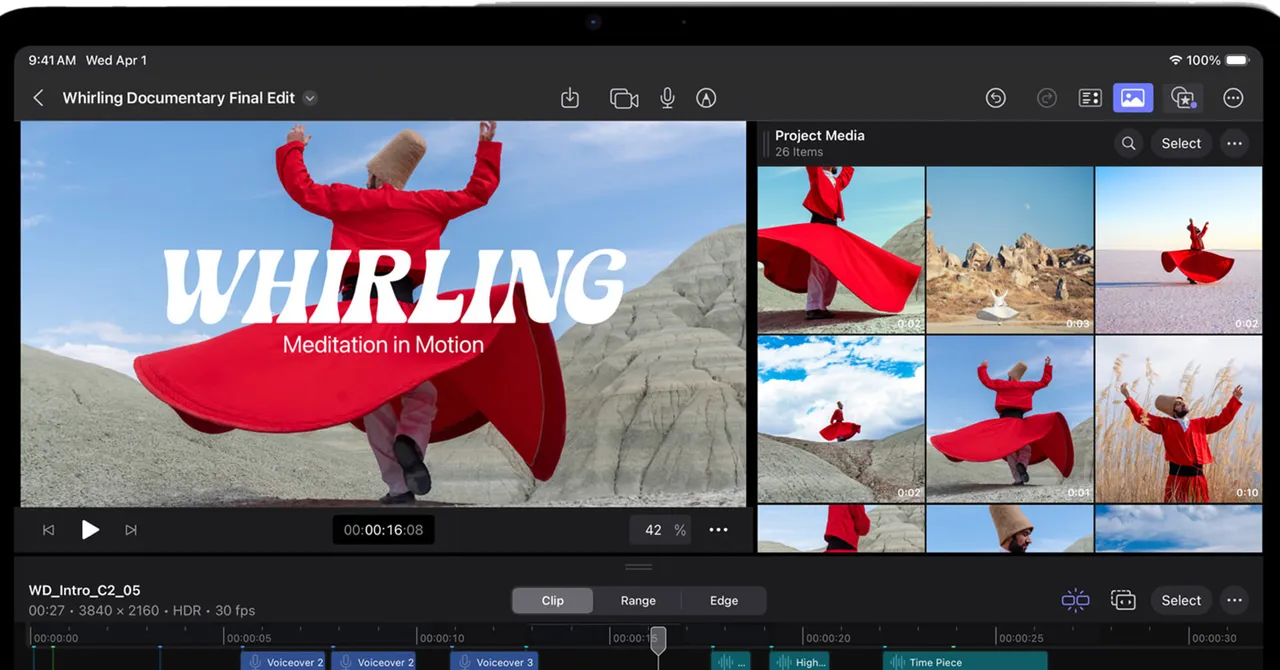

In a notable move emblematic of ongoing disruption in the consumer electronics sector, Apple has introduced its latest iteration of the iPad Air, now featuring the powerful M4 chip. While the update may appear incremental, shifting from M3 to M4, it highlights Apple’s relentless push toward innovation and efficiency within established device categories. The refresh primarily enhances performance with a significant boost in memory — moving from 8 GB to 12 GB of unified memory — at the same price point, signaling Apple’s intent to consolidate its hardware leadership amid global supply chain challenges.
The market implications of this move are profound. Apple’s decision to incorporate its N1 networking chip— supporting Wi-Fi 7 and Bluetooth 6 standards, along with Thread for smart home integration — signifies a strategic pivot toward disrupting the connected device ecosystem. Analysts from Gartner suggest that such integrated advancements not only reinforce Apple’s ecosystem dominance but also accelerate the industry-wide shift toward smart, seamless networks. This is reinforced by the adoption of Apple’s C1X modem, enhancing energy efficiency for cellular models with sub-6 5G support. These are the nuanced, yet critical differentiators shaping the future of mobile and IoT markets.
Furthermore, Apple’s focus on maintaining a competitive pricing strategy—keeping the iPad Air starting at $599 — amidst a memory shortage crisis— underscores its commitment to innovation accessible to a broad demographic of young, tech-savvy users. With storage options climbing up to 1 TB, the company is positioning itself to serve a variety of digital content creators and remote workers who require power and flexibility. The upcoming product announcements, including potential updates to MacBooks and other flagship devices, are anticipated to further disrupt traditional market segments, challenging competitors with superior integration, performance, and platform cohesion.
Industry thought leaders like Elon Musk and Peter Thiel have emphasized that disruption in tech is accelerated by strategic hardware advancements that push the envelope of what’s possible. Apple’s latest move with the M4 iPad Air exemplifies this trend—leveraging cutting-edge silicon and connectivity to redefine expectations and set new standards. As the company prepares for its “Special Apple Experience” event in New York City, the industry should brace for a wave of transformative product launches. The convergence of powerful hardware, network capabilities, and ecosystem integration signals a pivotal moment — one where innovation becomes the primary weapon in consolidating market dominance. For competitors and consumers alike, the future of tech is unfolding quickly, demanding both agility and foresight to remain competitive in this rapidly evolving landscape.