Matox News

Truth Over Trends, always!

White House urges Iran to strike deal as U.S. boosts military presence

Amid escalating international tensions, reports emerging from US media indicate that President Donald Trump has engaged in high-level discussions with national security advisers regarding potential military action. Sources reveal that an attack could be launched as early as Saturday, underscoring the precarious state of global stability. These developments unfold against a backdrop of complex geopolitical maneuvering, where the decision of an influential superpower carries profound consequences for regional and world order alike.

The possibility of a preemptive strike highlights a critical juncture in international relations, raising questions about the escalation of conflicts and the fragility of diplomatic channels. Historically, decisions by superpowers to resort to military force have often recalibrated the global chessboard, leading to unpredictable repercussions. Experts suggest that such an action, if undertaken, would be indicative of America’s intent to project strength and deter perceived threats, but also increases the risk of unintended consequences, including a broader regional conflict. International organizations and foreign governments continue to monitor the situation closely, aware that the decision will reverberate across multiple theaters of geopolitical interest.

Analysts argue that the geopolitical impact of such a strike would not be confined to the immediate target. Historically, when the US has engaged in unilateral military actions, it has precipitated shifts in alliances, economic sanctions, and diplomatic realignments. Countries in the region, especially those with vested interests in stability, are bracing for the possibility of escalation. Senior international diplomats and security analysts warn that rushed decisions could undermine long-standing efforts at diplomacy and increase instability, especially if aligned with broader narratives of national security and sovereignty. The drama unfolding now underscores the delicate balance of power and the perilous path toward conflict, where every decision writ large shapes the lives and societies of millions.

As the wheels of war turn ominously closer, history reminds us of the destructive power of unchecked military cravings and the ripple effects that follow. The shadow of past conflicts looms large, where once hesitant diplomacy was abandoned for force, leaving nations fractured and communities scarred. The world watches with bated breath as America’s leadership grapples with this decisive moment, bearing the weight not only of immediate strategic interests but of the historical trajectory they forge. The unfolding story offers a stark reminder: in the arena of international power, every decision is a chapter in the ongoing narrative of history—one that could end in chaos or the hard-won stability of peace, depending on the choices made in these critical hours.

Audible Boosts Focus by Syncing eBooks and Audiobooks for Young Minds

Audible Disrupts Traditional Reading Habits with Immersive Augmented Reading Technology

In a bold move demonstrating the rapid convergence of audio and digital reading platforms, Audible has unveiled its innovative “immersion reading” feature, signaling a decisive shift in how consumers engage with books in the digital age. This latest offering allows users to seamlessly synchronize audio narration with on-page text, highlighting the synchronized content in real-time. As the digital marketplace continues to evolve, Audible’s platform exemplifies how disruption can redefine traditional reading paradigms, making immersive content more accessible and engaging for the next generation of learners and readers.

The core innovation behind “immersion reading” capitalizes on enhanced interactivity and multi-sensory engagement, which experts suggest could significantly boost comprehension and retention. Users can activate the feature within the Audible app by tapping “Read & Listen,” and as the audiobook progresses, the corresponding text is highlighted in sync with the narration. This is particularly valuable for language learners, students, and avid readers seeking a more focused experience. Audible estimates that hundreds of thousands of titles—including numerous in German, Spanish, Italian, and French—will support this feature at launch, aligning with trends toward multilingual and multicultural digital content.

The business implication of this strategic enhancement is profound. By combining the strengths of both audiobook and e-book markets, Audible is effectively creating a hybrid ecosystem that emphasizes interoperability and user engagement. While the feature requires users to own both formats, it opens avenues for increased subscription and data-driven content personalization. Moreover, competing platforms such as Spotify are rapidly exploring similar innovations, with Spotify’s recent “Page Match” feature allowing users to scan printed pages and synchronize them with audiobooks, highlighting a broader industry shift toward immersive, synchronized experiences. These advancements pave the way for a future where the boundaries between different media formats—text, audio, and video—blur, challenging entrenched publishing and entertainment models.

Analysis by technology analysts like Gartner underscores that such features are indicative of a broader disruption in digital content consumption. In the emerging landscape dominated by AI-powered, interactive, and personalized experiences, the ability to offer multifaceted engagement will be a key differentiator. Companies that invest in these innovations not only appeal to tech-savvy youth but also capitalize on the growing demand for inclusive, accessible content that supports learning and leisure simultaneously. This strategic focus on immersive media also aligns with trends observed in leading institutions like MIT and Silicon Valley giants, emphasizing that the future of digital media hinges on how well companies can integrate multimodal content and foster deeper engagement.

Looking ahead, the rollout of features like Audible’s immersion reading signals a pivotal moment for the entire industry. As consumer expectations evolve rapidly, the race to innovate and disrupt traditional narratives will intensify. In this competitive and fast-evolving environment, the ability to leverage technology for enhanced engagement will determine industry leaders. The next decade promises to redefine storytelling and education through immersive, synchronized audio-text experiences—a convergence of innovation and disruption with far-reaching implications for content creators, publishers, and tech giants alike. The message is clear: those who embrace these transformative shifts—focusing on disruption, innovation, and strategic agility—will shape the future of digital media.

US Boosts Optimism as Ukraine Talks Enter Second Day, Celebrating ‘Meaningful Progress’

As the world watches closely, the United States has taken a significant step toward diplomatic engagement with its counterparts in Geneva. The US special envoy, representing America’s strategic interests, emerged from the first day of negotiations with an optimistic tone. However, analysts caution that this optimism masks the underlying complexities and entrenched conflicts that define today’s geopolitical landscape. International observers and diplomatic historians emphasize that, while dialogue is essential, a genuine breakthrough remains elusive, especially given the deep-rooted mistrust shaping the current global order.

The core of these recent talks revolves around critical issues such as security guarantees, economic sanctions, and regional stability—especially in volatile hotspots where conflict and power struggles continue to threaten international peace. Although the US envoy expressed hope for progress, multiple sources within diplomatic circles indicate that preventing a deterioration of relations remains the primary goal at this stage. For nations embroiled in or affected by these negotiations, the stakes could not be higher. The decisions made in this delicate phase could determine whether longstanding conflicts simmer or escalate into wider confrontations, impacting millions of lives across continents.

The geopolitical impact of this diplomatic effort extends far beyond the immediate actors involved. Countries such as Russia, China, andEuropean allies observe these developments with cautious optimism and measured concern. Their strategies, often shaped by historical narratives and national interests, are undeniably influenced by the outcomes of these talks. International organizations, including the United Nations, have called for restraint and constructive engagement, highlighting the need for diplomacy over conflict at this critical juncture. Yet, some experts warn that these negotiations are merely part of a broader chess match, where each move is scrutinized for its potential to shift the balance of global power.

Notably, the turning point in understanding the true scope of these negotiations may come when tangible outcomes emerge—be it treaties, ceasefires, or strategic commitments. Historians warn that history often remembers these moments as either pivotal breakthroughs or missed opportunities, shaping the course of nations for decades to come. Nonetheless, the atmosphere remains tense; the weight of history’s lessons hangs heavily in the air. The world’s eyes are fixed on Geneva, waiting for a sign that diplomacy, once thought fragile, can still wield the power to forge lasting peace. As negotiations continue, the unfolding story reminds us that the path to stability is fraught with challenges, and that the decisions made today will echo through the corridors of history, long after the talks conclude.

Fact-Check: Viral Post Claiming AI Boosts Learning Labeled Misleading

Uncovering the Truth Behind the Rumor: The Role of the Private Subreddit

Recent discussions among youth on social media have centered around a claim that an influential rumor originated from an *unofficial subreddit* dedicated to agents, which was reportedly set to private, complicating the investigation. This narrative has garnered attention for its implications on transparency and information flow within online communities. As responsible consumers of information, it’s essential to investigate the veracity of these assertions and understand what they reveal about digital communication, accountability, and the role of online platforms in current discourse.

The Challenge of Access: Why Did the Investigation Fold?

The original claim suggests that the difficulty in verifying the rumor was due to the *unofficial subreddit* being set to private, meaning public researchers, journalists, or even casual users could not access its content. Is this a legitimate obstacle that prevents fact-checking? Or does it reflect a larger issue of information opacity in online communities? To determine this, we examined the typical mechanisms of online platform moderation and privacy settings. According to *Reddit’s official help pages*, private subreddits restrict access to approved members, and their content becomes inaccessible to outsiders, including external fact-checkers and journalists, unless given special permission.

Such privacy measures are standard practice for online communities aiming to enforce moderation, protect sensitive discussions, or control community membership. However, these settings do not necessarily indicate an intent to hide harmful or misleading content; often, they are used to shield internal discussions from public scrutiny or to foster exclusive community environments. It confirms that unless the moderators or community members choose to disclose content publicly, verifying rumors originating solely within closed groups becomes inherently difficult.

Assessing the Origin of the Rumor

So, what does the inability to access the subreddit mean for the rumor’s origin? Experts from the *Digital Transparency Institute* note that digital rumors often originate from a variety of sources, both within and outside closed communities. Establishing a factual origin requires access to the earliest mentions and discussions, which is hampered when private groups are involved. Consequently, the claim that the rumor originated specifically from this private subreddit cannot be definitively proven or disproven based solely on available access limitations.

Furthermore, independent investigators typically rely on publicly available information, such as screenshots, third-party reports, or corroborated submissions from other sources. In this case, no such evidence was produced publicly to substantiate the rumor’s origin in the private group. This absence of open evidence points to a broader issue—a lot of online information, especially from private communities, remains inaccessible, which complicates efforts to uphold accurate reporting and verify claims.

Why Transparency Matters in a Democracy

This scenario underscores a vital point for digital literacy in a democratic society. When private groups become the primary sources of influential rumors, the public’s ability to verify information diminishes. Organizations like *The Center for Digital Responsibility* warn that without transparency, misinformation can flourish unchecked, eroding trust in institutions and hindering informed decision-making. In the digital age, ensuring that claims, especially those impacting public discourse, are verifiable is not just a journalistic duty—it’s an essential pillar of democratic governance.

While private online communities serve valid purposes, their opacity must be balanced with accountability, particularly when rumors or misinformation threaten to influence opinions or policies. Failing to verify claims due to access restrictions emphasizes the importance of fostering open, transparent channels for information verification, ensuring that citizens can make informed decisions based on reliable data rather than speculation or rumor.

Conclusion: Upholding Truth as a Responsibility

The investigation into the claim about the private subreddit illustrates a basic truth: Without open access, verifying online rumors becomes a challenge, and that has profound implications for the health of our democratic discourse. Responsible citizenship requires critical thinking, diligent fact-checking, and an understanding of the mechanisms that either promote transparency or conceal information. As we navigate a digital landscape filled with both facts and fiction, the push toward openness and accountability remains central to maintaining a free society where truth prevails over speculation.

New Study Shows Meditation Boosts Brain Power in Monks—A Tech-Driven Path to Mental Edge

Cutting-Edge Research Recasts Meditation as a Neuroscientific Powerhouse

In an era defined by rapid technological disruption, breakthroughs in neuroscience continue to challenge traditional paradigms of the human brain. Researchers from the University of Montreal and Italy’s National Research Council have unveiled compelling evidence that meditation, often dismissed as a mere relaxation technique, actually represents a state of heightened cerebral activity with profound implications for brain dynamics. Through the use of advanced magnetoencephalography (MEG) technology, a small cohort of Thai Forest Tradition monks revealed that meditation orchestrates complex neural oscillations and configurations aligned with the concept of criticality—a principle borrowed from physics that describes systems operating at the edge of chaos and order.

These findings serve as a potent reminder that the brain’s capacity for adaptability and stability—its very core for processing information and learning—is governed by a delicate balance. Modern tech giants and neuroscience pioneers like Elon Musk and institutions such as MIT have long championed the notion that intelligent systems — whether biological or artificial — thrive when operating at this cusp of criticality. The research underscores that practices designed to induce mental clarity, such as Samatha and Vipassana meditation, can serve as models for developing more resilient, flexible AI architectures. This neural “sweet spot” is now being recognized as essential not only for cognitive optimization but also for pushing the boundaries of business innovation.

Disruption at the Neural Level: A New Frontier for Technology and Industry

The study’s granular analysis uncovered that both meditation styles increase brain complexity, yet they do so through contrasting neural configurations: Vipassana approaches balance stability with flexibility, nudging neural networks toward the critical point, while Samatha fosters a more stable, focused state. Experts emphasize that operating near this optimal point boosts a brain’s responsiveness, multitasking capabilities, and information retention. For disruptive tech firms seeking to emulate human adaptability, these findings provide a blueprint—highlighting the importance of designing systems that emulate such neural flexibility. Future applications could revolutionize fields from brain-computer interfaces to machine learning algorithms, unlocking new levels of efficiency and intelligence.

  • Enhanced AI Flexibility: Incorporating principles of neural criticality could lead to smarter, more adaptable AI systems capable of rapid emotional and contextual adaptation.
  • Neural Optimization: Meditation-inspired techniques might stimulate new neuro-interfaces that optimize cognitive performance in high-stakes environments like cybersecurity and finance.
  • Industry Shifts: Companies with insights into these neural dynamics could disrupt established markets by delivering unprecedented levels of user engagement and neuro-aligned products.

Reflecting insights from thought leaders such as Peter Thiel, industry insiders recognize that the convergence of neuroscience and AI marks a pivotal frontier—one that demands swift innovation if firms hope to maintain a competitive edge in the coming decade. As this research demonstrates that meditative practices reshape neural networks toward an ideal operational state, the implications for disruptive technology are profound. From neurotech startups to established giants, the race is on to pioneer systems that not only mimic but harness the brain’s natural propensity for criticality.

Looking forward, the evolution of this neuroscience frontier signals a future where understanding and harnessing brain dynamics could become the key differentiator in an increasingly competitive universe of technological innovation. With hundreds of startups and multinational corporations investing heavily in neural data and cognitive enhancement, the pressure mounts on incumbents to innovate at the intersection of mind, machine, and market. As the quest for true AI consciousness and human augmentation accelerates, embracing the principles illuminated by this recent study will be paramount—a call to action for those daring enough to lead the next wave of disruptive technology.

Australian Politics: Israeli President Visits Sydney; Ley Boosts Support Amid Coalition Reboot

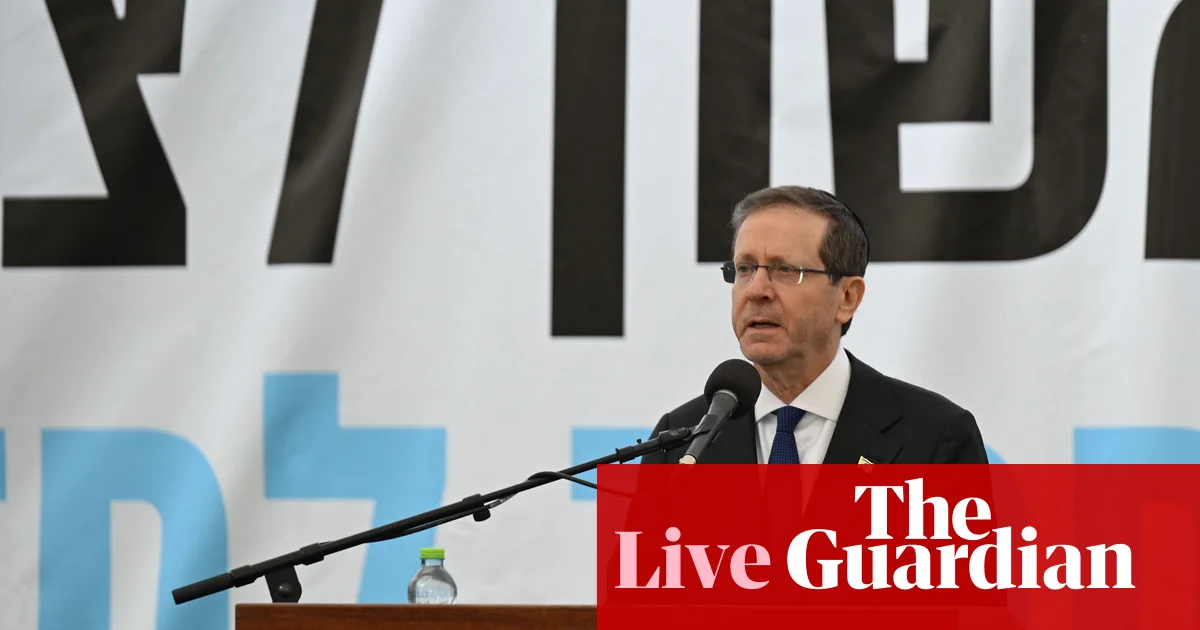
In a climate marked by mounting international conflicts and shifting alliances, recent events highlight the profound geopolitical impact that decisions on the global stage are exerting on nations and societies worldwide. Israeli President Isaac Herzog‘s arrival in Sydney underscores both diplomatic outreach and the contentious atmosphere surrounding Israel’s latest regional and international engagements. His visit aims to address survivors of the Bondi terror attack but has ignited a wave of protests and legal challenges, exemplifying the deep divisions that recent international lines of conflict have fostered.

  • Herzog’s four-day tour includes meetings with Australian officials and gatherings with local communities, emphasizing Israel’s intent to bolster its international relations amid ongoing tensions.
  • Controversy has erupted globally—demonstrations and legal disputes threaten to overshadow diplomatic efforts, reflecting how decisions made by leaders influence societal perceptions and domestic harmony.
  • Within Australia, the political landscape is also turbulent, with the ruling Labor government navigating its own internal and external challenges—highlighted by recent defense pacts with Indonesia and consequential shifts in foreign policy focus.

Analysts like Dr. Miriam Cohen from the International Institute of Geopolitical Studies suggest that Herzog’s Australian visit is more than ceremonial; it is a strategic move amidst broader regional destabilization. Meanwhile, domestic politics are shadowed by electoral despair, with the Coalition facing dire polling results—an 18% primary vote—embodying a broader decline in conservative influence. This collapse indicates not just a political crisis but a societal one, where citizens’ disillusionment is fueled by perceived internal disunity and policymaking.

Back home, Australia’s political arena mirrors global chaos. The Liberal-National coalition’s recent reunification comes amidst a wave of internal splitting and leadership speculation. Sussan Ley and David Littleproud are under pressure to craft a resonant message that can reverse dwindling fortunes, but polling indicates they remain in an increasingly untenable position. As former officials like Jane Hume articulate, a need for a comprehensive reset looms—a phrase that echoes across many nations facing political drift. Historians warn that such internal instability can have *long-term ramifications* on the societal fabric.

Simultaneously, the ongoing debate over Herzog’s visit exemplifies the complex intersection of international diplomacy and domestic activism. The anticipated protests and court challenges highlight how policy decisions echo within communities, often igniting fierce debates about morality, sovereignty, and national identity. These protests aren’t mere disruptions; they are visceral symbols of society’s struggle to reconcile international realities with domestic values, marking a moment in history where global conflict isn’t just a matter of policy but an intensely personal battleground.

As the world stands at this multipolar crossroads, the weight of history presses down—each diplomatic gesture, each political maneuver, shaping the future amidst uncertainty. Will nations find common ground in this storm, or will internal discord turn to open conflict? The answers remain unwritten, but the unfolding story of international alliances, domestic upheaval, and international conflicts continues to cast its shadow. The stage is set for a tense chapter of history—one where the choices of today could determine the destiny of nations and the very fabric of global society.

Australian Politics Live: Marles Boosts Herzog’s Visit, Vows Strong Security Measures

The geopolitical landscape of Australia is currently undergoing a complex transformation, influenced by domestic political upheavals and significant international diplomacy. The recent visit of Israeli President Isaac Herzog to Australia has ignited fierce debate within the country’s political circles, highlighting the _deep divisions_ over Australia’s role on the global stage and its domestic policies. This visit, officially sanctioned by the Prime Minister and Governor General, is seen by many as a move to reaffirm alliances in a shifting international climate. Yet, critics—particularly from Labor factions—express profound _concerns_ about the implications of such diplomatic gestures, especially given the ongoing tensions in the Middle East and the internal fractures over Israel’s actions in Gaza.

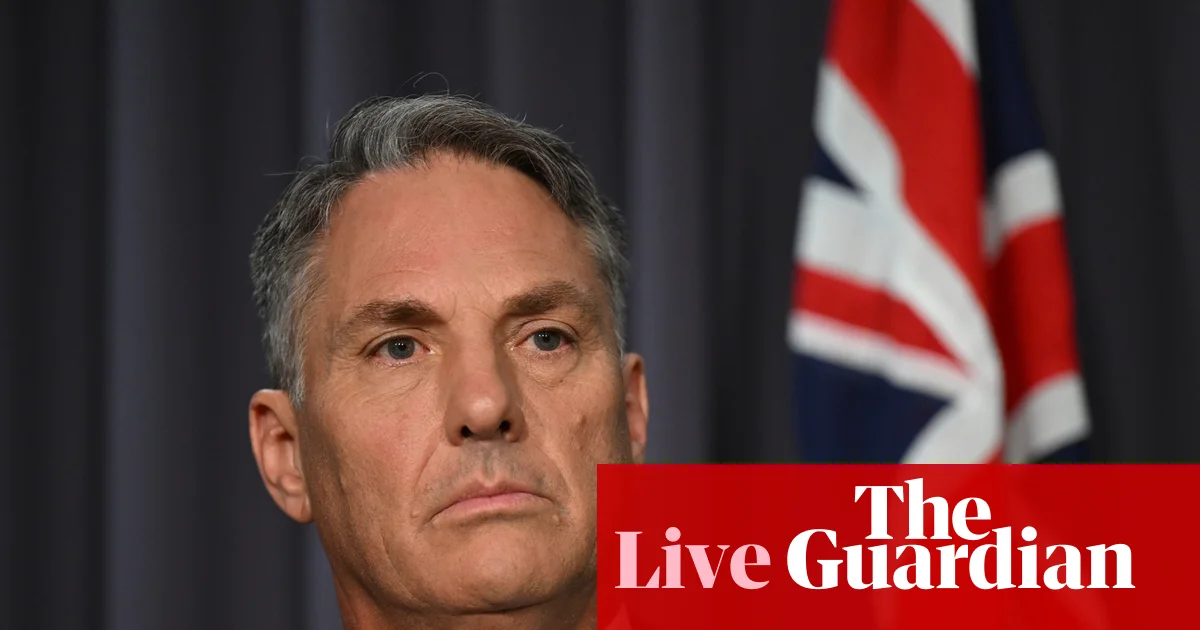
High-profile critics like Ed Husic, a Labor MP, have voiced _deep concerns_, questioning the moral and strategic wisdom of extending diplomatic warmth to President Herzog amidst the backdrop of Israel’s recent military operations. Husic’s reservations are echoed by various international legal and human rights organizations, such as the UN commission of inquiry on Palestinian territories, which have urged the Australian government to reconsider the invitation in light of the _controversy and violence_. In the corridors of power, Richard Marles, Australia’s Deputy Prime Minister, has defended Herzog’s visit, emphasizing its _importance_ for security and diplomatic relations. Nonetheless, this move exposes Australia’s delicate balancing act—maintaining strong bilateral ties while managing domestic divisions and international scrutiny.

The decision to host President Herzog is not made in isolation but is intertwined with wider strategic concerns. The government has underscored its commitment to _security_ and _diplomatic engagement_, yet this stance arrives amidst criticisms that Australia is _aligning too closely_ with Western allies at the expense of marginalized voices concerned with human rights and justice. Simultaneously, the ongoing political struggles within Australia’s Parliament—most notably, the leadership dispute involving Sussan Ley and the right faction—signal a nation in ideological flux. Analyst voices from global institutions warn that these internal conflicts risk _undermining_ Australia’s credibility and strategic coherence in the Indo-Pacific and beyond.

  • The Australian government has publicly maintained that its _foreign policy_ remains consistent, with Minister Marles affirming, “there haven’t been any changes or shifts in our strategic or tax arrangements.” However, the political maneuvering behind the scenes indicates a nation grappling with _intergenerational_ challenges, especially around housing affordability and tax reforms like the _capital gains tax discount_.
  • Amidst these tensions, the Australian Council of Trade Unions has called openly for _reform_ of property taxes, citing the _”deep unfairness”_ in housing inequality exacerbated by policies enacted over decades—particularly the _discount introduced in 1999_ under John Howard, which has significantly fueled investment in existing housing—further widening disparities and impeding the dream of homeownership for younger generations.
  • On the international stage, figures such as Chris Sidoti, an UN inquiry commissioner, have urged the Australian government to _reconsider_ its diplomatic commitments related to Israel, emphasizing the _moral_ and _strategic_ stakes involved. This internal dialectic — between diplomacy, domestic politics, and societal values — underscores a pivotal question: How will Australia’s leadership navigate this volatile terrain without losing its footing in a rapidly changing geopolitical order?

As history continues to unfold, the weight of these decisions will resonate far beyond today’s headlines. With the internal pressure mounting from within and the global community watching critically, Australia stands at a crossroads—its choices rippling across the Indo-Pacific and shaping the future of international diplomacy. Will it persist in steadfast alliances and domestic policies that favor strategic stability, or will the _internal divisions_ and _international controversies_ fracture its resolve? The coming days will reveal whether this nation can uphold its sovereignty and sense of justice, or if it inevitably becomes entangled in a web woven by shifting alliances and internal discord. In this moment, history’s pen is poised, and the story of Australia’s future is still being written—each decision a stroke in the vast canvas of a nation seeking its place amidst a tumultuous world.

US Boosts Support as Russia Targets Ukrainian Infrastructure—Progress in Diplomatic Talks

The ongoing conflict in Ukraine continues to shape the geopolitical landscape, as international diplomacy struggles to forge a path toward lasting peace amid relentless warfare. Senior Ukrainian and US negotiators have recently called on Russia to demonstrate a “serious commitment to long-term peace,” highlighting the persistent tensions and the profound difficulty in achieving reconciliation. Despite two days of “constructive discussions” in Florida involving US envoy Steve Witkoff and Ukraine’s security chief Rustem Umerov, no breakthrough has been announced. The central question remains: will Russia genuinely de-escalate, or is this dialogue merely a pause in a conflict that could escalate at any moment?

Meanwhile, on the battlefield, Russia has launched a brutal barrage of 653 drones and 51 missiles against Ukraine, striking critical infrastructure such as railway hubs and energy facilities. This attack underscores Russia’s determination to wear down Ukraine’s resilience, even as diplomatic talks continue. Ukrainian authorities report widespread damage, with recent strikes causing blackouts across eight regions and damaging vital energy infrastructure. Ukrainian Foreign Minister Andrii Sybiha condemns this as a blatant disregard for peace efforts, emphasizing that Russia’s strategy seems designed to prolong suffering and deepen divides. The escalation risks drawing international allies into an even more complex confrontation, forcing nations into difficult decisions about support and intervention.

The diplomatic negotiations, which also involved high-profile figures like Trump’s son-in-law Jared Kushner, reveal a layered approach to conflict resolution. American and Ukrainian representatives have agreed on security frameworks and deterrence capabilities, yet key issues—particularly security guarantees and territorial concessions—remain unresolved. Russia’s control over roughly one-fifth of Ukraine, including strategic regions like Donbas, continues to fuel disputes and harden positions. Vladimir Putin demands Ukrainian troops withdraw from these territories, threatening to liberate them by force if necessary. This stance exemplifies the deepening divide, as Russia’s military advances and claims of territorial gains threaten to rewrite the map of Ukraine. Meanwhile, Kyiv and its European partners push for NATO membership or comprehensive security arrangements as the most credible deterrence; yet Russia vehemently opposes NATO’s eastward expansion, framing it as a threat to its security.

Historians and analysts warn that these developments could be a turning point in the modern balance of power. International organizations like the United Nations urge restraint, but their influence diminishes as the conflict persists. As Putin claims recent military successes, and Ukraine seeks vital security guarantees, the global community faces a moral and strategic dilemma. Does the West risk confrontation, or do they must accept a fractured peace that might set a dangerous precedent? The dramatic escalation and persistent deadlock hint at a future where the struggle for influence and sovereignty defines the 21st-century chessboard. The world watches as history’s narrative continues to unfold—fragile, complex, and perilously close to tipping into an even darker chapter.

Corbyn and McKellen’s cameo boosts panto’s image—ad libs stole the show

Across the globe, recent cultural developments reveal more than just entertainment; they are a microcosm of larger geopolitical shifts influencing societies, economies, and the very fabric of national identity. The resurgence of traditional festivities, like UK pantomimes, intertwined with high-profile celebrity appearances, underscores a strategic effort by local institutions to bolster community resilience amid ongoing economic challenges. These cultural events, often dismissed as mere entertainment, possess a profound role in sustaining regional arts, fostering social cohesion, and reinforcing national pride.

In the United Kingdom, the recent revival of pantomimes featuring celebrities such as Jeremy Corbyn and Ian McKellen exemplifies this trend. Despite the modest budgets of regional theatres, these productions continue to generate significant revenue—approaching £31 million in 2024—and attract over a million attendees. Analysts, including theatre critics like Nick Curtis, emphasize how this tradition acts as a critical “lifeblood” for UK arts, especially during the festive season when nearly a third of performance attendances occur. On a broader scale, such cultural investments serve as subtle yet powerful countermeasures against the encroaching effects of globalization and cultural homogenization, maintaining a distinct national identity in turbulent times.

This phenomenon has clear international implications. As regional theatres adapt by integrating pre-recorded cameos of international stars such as Stephen Fry, Judi Dench, and Brian Cox, they mirror a global trend where cultural diplomacy becomes intertwined with technological innovation. These figures act as ambassadors of a shared cultural heritage, transcending borders while simultaneously bolstering local communities. Meanwhile, international organizations like UNESCO recognize this cultural resilience as essential for safeguarding intangible heritage and fostering solidarity among nations. Such efforts highlight how decisions to preserve local art forms can ripple outward, influencing regional stability and international perceptions of national vitality.

However, these cultural strategies do not exist in a vacuum. As economic pressures persist—due to austerity measures and pandemic aftermaths—funding cuts have made it increasingly difficult for regional theatres to sustain their traditional programming. Yet, the inclusion of celebrities and digital innovations demonstrates resourcefulness, turning potential weaknesses into strengths. Stephen Fry’s voicing of the Giant at Watford Palace Theatre, for example, illustrates how contemporary technology allows for a form of “virtual celebrity,” multiplexing star power across multiple venues and reducing financial strains. This pragmatic approach ensures that even amid austerity, the arts continue to serve as a rallying point for tradition, community pride, and national resilience.

As the curtain falls on this year’s pantomime season, the legacy of such cultural endeavors remains uncertain, yet undeniably powerful. The ongoing narrative of cultural preservation, shaped by political will, technological progress, and societal values, leaves a compelling question for the future: Will these acts of cultural defiance and community building withstand the relentless tide of globalization and geopolitical upheaval? Or will they fade into history, replaced by superficial entertainment devoid of meaning? With every new performance, the story of a nation fighting to preserve its identity plays on—a testament to the enduring human spirit in the face of an ever-changing world. And as history continues to unfold, the true significance of these cultural battlegrounds will be revealed, perhaps into an era where tradition itself becomes a revolutionary act.

Meross Adds Thread to Cord-Free Presence Sensor, Boosts Connectivity for Young Tech Fans

Meross Disrupts Smart Home Industry with Battery-Powered MS605 Presence Sensor

In a bold move that exemplifies the ongoing disruption within the smart home market, Meross has announced the release of its latest presence sensor, the MS605. This new iteration marks a significant evolution, shifting from traditional wired installations to a fully battery-powered design that promises more flexible and seamless integration across diverse environments. Powered by a solitary CR123A battery, the MS605 boasts an impressive lifespan of up to three years, broadening the scope for innovative home automation applications without the constraints of power cords. This development underscores how minimalist, energy-efficient components are redefining the user experience in connected ecosystems.

The innovation does not stop with portability. Meross’ adoption of the Matter protocol—an industry-driven standard aimed at unifying device communication—places the MS605 at the forefront of industry-wide disruption. Unlike its predecessor, which relied on Wi-Fi compatibility, the new sensor leverages the Thread protocol for low-power, reliable connectivity. This shift aligns with industry analysts from Gartner and MIT, emphasizing how mesh network standards will underpin the future of interconnected devices, enabling faster, more secure interactions between sensors, hubs, and voice assistants like Google Home, Apple HomeKit, and Amazon Alexa.

The implications for businesses within smart home ecosystems are profound. The reduced dependency on conventional power sources, combined with the adoption of Thread-based connectivity, opens new avenues for rapid innovation and deployment. Companies that embrace these standards can reduce costs, improve scalability, and deliver more resilient products. Notably, the MS605’s support for Matter over Thread suggests that OEMs now have the flexibility to integrate sensors into broader, more cohesive smart environments, challenging entrenched players who rely solely on Wi-Fi protocols. As Elon Musk and Peter Thiel have emphasized, disruption requires interoperability—and Meross’s strategy exemplifies this principle in action.

Market watchers and industry leaders are taking note of Meross’s move, recognizing a broader trend where simplicity, energy efficiency, and compatibility are vital drivers of competitive advantage. While the $34.99 pre-order price points to an accessible product, the real value lies in the disruptive potential of standardized, low-power sensors integrated into the smart homes of tomorrow. This push toward broader ecosystem compatibility accelerates the shift away from proprietary solutions, empowering consumers and fostering innovation among manufacturers. In the near future, expect to see more companies adopting Thread and Matter standards, pushing the entire industry towards an integrated, disruption-driven horizon that promises smarter, more responsive living environments.

As the smart device industry accelerates these advancements, stakeholders must stay vigilant to emerging market shifts. With the rise of battery-powered, standards-based sensors like the MS605, the fusion of innovation and disruption is clear. The future belongs to those ready to leverage these breakthrough technologies—an era where seamless, automated, and interconnected homes become the new normal. Entrepreneurs, investors, and consumers alike must recognize that in this rapidly evolving landscape, agility and forward-thinking are the keys to thriving in the next chapter of digital innovation.

Social Media Auto Publish Powered By : XYZScripts.com