Matox News

Truth Over Trends, always!

Turning Nature Into Education: How a Forest Preschool Boosts Kids’ Health and Future

Biodiversity and the Future of Society: Finland’s Rewilding Movement in Early Childhood Education

Imagine a society where our youngest generations are immersed in natural ecosystems from the very beginning. In Finland, a pioneering movement is reshaping how communities approach childhood development, emphasizing the profound importance of microbial biodiversity for health, learning, and societal resilience. At the core of this initiative are kindergarten yards transformed into vibrant, biodiverse landscapes—reclaimed from concrete and asphalt—where children are encouraged to dig in soil, forage for berries, and discover bugs. By exposing children early to the complex web of nature, educators aim to foster robust immune systems while instilling an enduring respect for the environment. Institutional efforts like these resonate with sociologists like Michael Foucault, who underscored the importance of spaces of knowledge and health, highlighting how societal structures can be reconfigured to favor *well-being* over sterile convenience.

The social implications of this shift extend beyond health, touching on questions of how communities organize space and prioritize collective health. As these rewilded daycare centers flourish, they challenge the prevailing sanitized model of childhood—characterized by synthetic mats, plastic toys, and limited contact with the natural world. Finland’s innovative project has been supported by €1 million in funding awarded to 43 centers to increase environmental diversity. The outcome has been a remarkable reduction in childhood disease-causing bacteria, such as Streptococcus, and an increase in immune cells critical to preventing autoimmune diseases, as shown by recent research. This is a testament to how social policies rooted in environmental realism can paradoxically cultivate healthier, more resilient human bodies and communities. Families and educators are discovering that nurturing microbiodiversity is not just an environmental priority in isolation but a societal imperative for nurturing the next generation of citizens able to withstand the health challenges of the modern age.

But the social benefits reach further, as studies reveal that this engagement with nature enhances cognitive development and emotional well-being. According to research from the University of Sheffield, green barriers, such as plant hedges, have effectively reduced harmful air pollutants like nitrogen dioxide around school playgrounds. Such approaches demonstrate that the move outside is essential not only for health but for cultivating a sense of community and environmental stewardship among children. Finnish educators emphasize that they want to move the “action from inside to outside,” highlighting a societal shift towards integrating ecological consciousness into daily life. This vision echoes the ideas of environmental thinkers who advocate for a society where human activities harmonize with natural processes—an urgent response to the *demographic and ecological shifts* threatening our collective future.

As society grapples with environmental loss and public health crises, these Finnish initiatives serve as both a vision and a call to action. The underlying message is clear: by integrating biodiversity into the very fabric of childhood learning environments, we instill values that transcend individual health—values rooted in understanding our interconnectedness with the Earth’s ecosystems. Perhaps, in nurturing this respect and resilience from the earliest age, society can begin to repair the fractured relationship it has with nature. This is not merely an experiment in education but a blueprint for societal renewal—where hope emerges from understanding the intricate dance of microbes, trees, and human life, reminding us that the path to a sustainable future begins with the smallest hands in the dirt and the boldest visions for a society that values health, community, and the environment equally.

Trump’s pardon boosts Binance founder Zhao’s future prospects

Crypto Pardon by President Trump: A Turning Point in Global Finance and Geopolitics

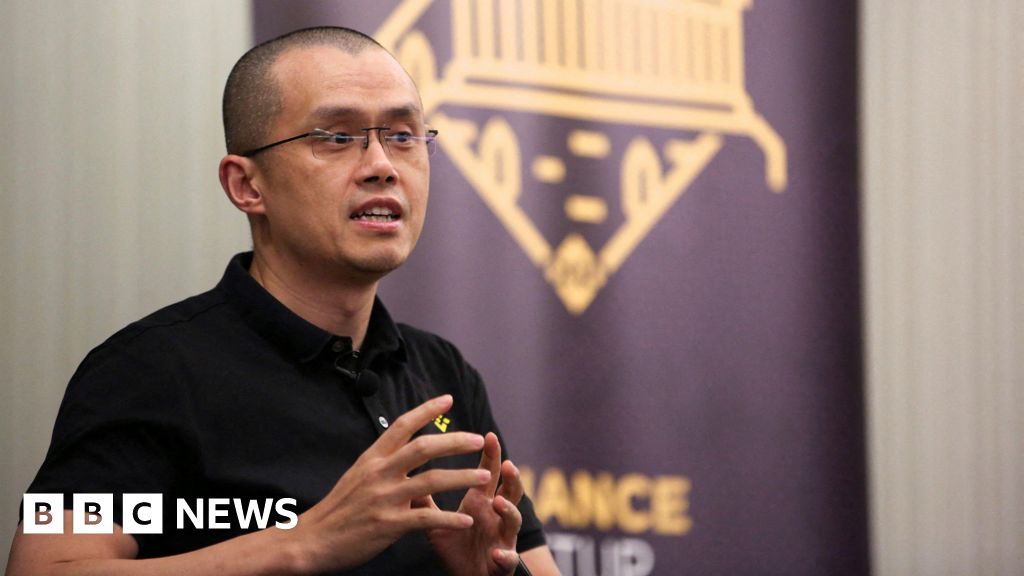
The recent pardon of Changpeng Zhao (“CZ”), founder of Binance, by President Donald Trump, has sent shockwaves through the international financial community, highlighting a deliberate pivot in the US’s stance towards cryptocurrency regulation and geopolitics. This move, following Zhao’s four-month prison sentence for violating US money laundering laws, signals a departure from previous strict enforcement under the Biden administration. The pardon, which effectively lifts restrictions on Zhao’s capacity to run financial ventures, appears to be intertwined with broader political and economic strategies, especially considering Beijing’s rising influence in the digital currency sphere.

Since the indictment, Binance had been under intense scrutiny by US authorities, accused of enabling users to bypass sanctions and facilitate illicit activities — accusations that they ultimately admitted to, paying a hefty $4.3 billion settlement. The legal actions were portrayed by critics as part of a wider effort to tighten regulation over the crypto industry, which many analysts argue is a key instrument of geopolitical power. Historically, US officials like former Treasury Secretary Janet Yellen have warned of the dangers posed by cryptocurrencies—highlighting concerns over terrorism, child exploitation, and cybercrime. However, the Trump-era pardon, and subsequent political narratives, suggest a shift toward fostering innovation and integrating crypto into the mainstream economy, possibly as a way to counter China’s rapid technological advancements in digital currencies.

International Responses and Strategic Implications

The controversy surrounding Zhao’s pardon underscores a growing battle for control over the future of global monetary systems. White House officials have framed the pardon as an exercise of constitutional authority, dismissing critics who allege personal financial motives. Meanwhile, analysts note that the Trump administration’s previous steps—such as loosening regulations and considering a national crypto reserve—indicate an intent to leverage digital assets as a tool for economic sovereignty, countering what they perceive as the disruptive influence of China’s central-bank digital currency ambitions.

In this shifting geopolitical landscape, international organizations and foreign governments are watching closely. For instance, European and Asian regulators are increasingly cautious, balancing innovation with fears of financial crime and systemic risk. Historians and geopolitical strategists warn that such pardons may be the early signs of a new era where digital currencies are weaponized—either as tools of economic innovation or as instruments of political influence. How nations respond in this digital battleground will determine the shaping of the international monetary order for decades to come.

Conclusion: The Unfolding History of Power and Technology

As Binance reaffirms its position as the world’s leading crypto platform, and Zhao’s personal story becomes a symbol of the new strategic terrain, the weight of history remains heavy. The decisions made today—whether by Western democracies to regulate or to embrace crypto, or by authoritarian regimes to co-opt digital currency—will carve the future. This is not merely about currencies but about who holds the power in the new digital age. The next chapter of this unfolding saga promises to be a defining moment—a testament to how intertwined modern geopolitics has become with the relentless march of technological innovation. The choices made now will resonate through history, shaping societies and sovereignties for generations to come, long after the headlines fade and currencies shift into the depths of the digital wild west.

Amazon Pharmacy rolls out vending machines for prescription meds—tech boosts convenience for the next-gen healthcare!

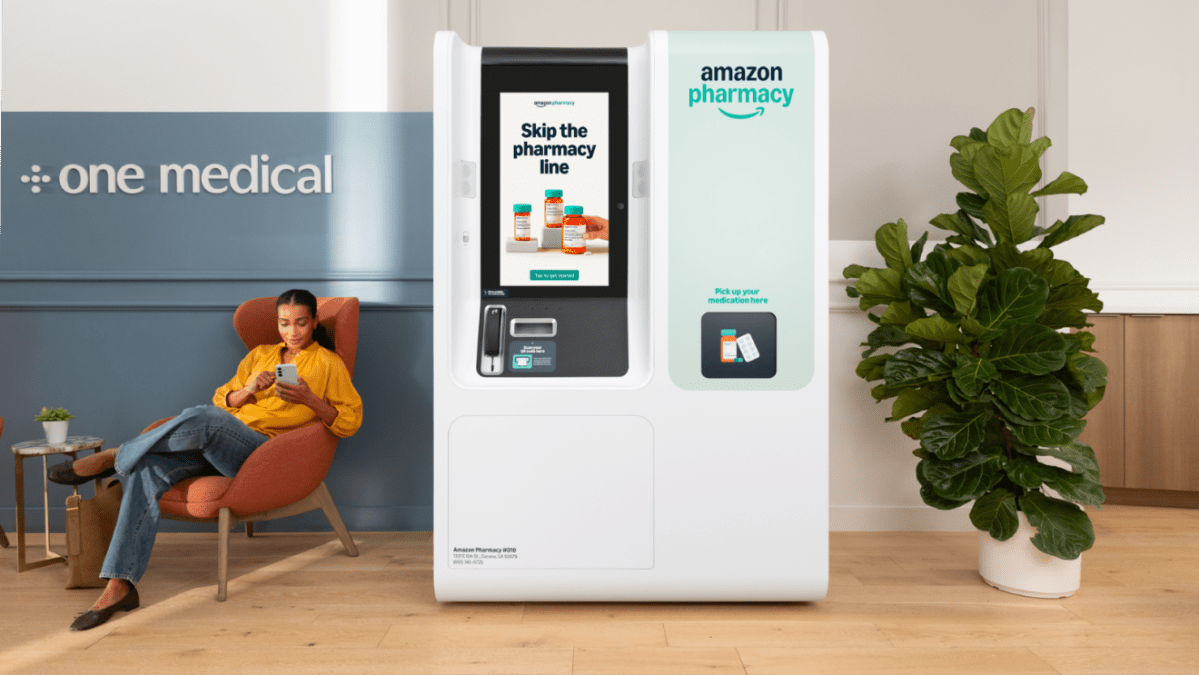
In a bold move poised to reshape the healthcare landscape, Amazon has announced the deployment of prescription vending machines at its One Medical clinics across Los Angeles, signaling a disruptive foray into pharmacy automation and retail medicine. These autonomous kiosks, operated by Amazon Pharmacy, enable patients to pick up prescribed medications immediately after their consultations, effectively reducing the friction traditionally associated with pharmacy visits. This initiative underscores Amazon’s strategic push to leverage deep technological innovation to overhaul a highly fragmented and often inefficient sector, with the promise of driving significant business implications for incumbent pharmacy chains.

The new kiosks exemplify a broader trend of digital disruption in healthcare, aligning with Amazon’s previous acquisitions such as PillPack in 2018 and the primary care provider One Medical in 2020. Industry analysts have noted that this move could have profound impacts on traditional brick-and-mortar pharmacies. Franklin & Marshall Healthcare analyst Dr. Sarah Liu highlights that “the combination of automation and seamless integration with Amazon’s digital ecosystem could fundamentally shift consumer expectations around accessibility and convenience in prescription fulfillment”. As Amazon scales these initiatives, significant market shifts are anticipated, with established retail pharmacy chains like CVS, Walgreens, and Rite Aid struggling to adapt amid closures and declining foot traffic.

The kiosks feature a curated inventory of frequently prescribed medications—including antibiotics, inhalers, and blood pressure drugs—tailored to local prescribing patterns, thus enabling quick, contactless retrieval of essential medicines. Patients can view upfront costs, insurance copays, and discounts via the Amazon app, and consult with licensed pharmacists through video or phone, embedding a highly integrated digital experience. Amazon’s deployment strategies appear designed not just to enhance convenience but to introduce a new standard of disruption-driven efficiency that could erode traditional pharmacy margins and competitive advantages, compelling industry players to innovate or risk obsolescence.

Looking forward, experts like Gartner analysts suggest that this shift indicates a transformative trajectory in healthcare delivery, where automation, AI, and data-driven personalization become ubiquitous. As Peter Thiel notes, “the next wave of technological disruption in health will be about how fast we can bring healthcare closer to the consumer, reducing costs, and improving outcomes”. The urgency for existing players is clear: to match Amazon’s innovative pace and rethink the entire prescription ecosystem before the Covid-era convenience becomes an industry standard. The race is on, and in this swiftly evolving landscape, those who fail to adapt risk falling behind in what could be one of the most consequential technological upheavals of the decade.

Social Media Auto Publish Powered By : XYZScripts.com