Matox News

Truth Over Trends, always!

Reeves promises tough action on energy bosses gouging Brits with high prices – UK Politics

In a remarkable display of political resolve amidst an escalating Middle East conflict, UK Prime Minister Keir Starmer has announced that RAF Typhoon jets are extending their operations to Bahrain, marking a significant shift in the UK’s military posture in the region. Starmer stated that these jets are now patrolling for Iranian drones heading toward Bahraini airspace, amid heightened tensions following Iran’s retaliatory attacks on energy and transport infrastructure across Bahrain, Oman, and Iraq. This development signals a notable intensification of UK defense commitments in the Gulf, aligning with broader Western efforts to contain Iran’s military influence and safeguard strategic allies such as Bahrain.

This military escalation comes at a time when global oil markets are in upheaval, with oil prices again soaring beyond $100 per barrel. The conflict’s spillover effects threaten to plunge the UK’s fragile economy into recession, as warned by analysts like Tomasz Wieladek of T. Rowe Price, who emphasized that “the war in the Middle East and subsequent oil price rise will raise inflation and reduce consumer spending.” Official UK figures reveal that the economy has already been vulnerable, with flatlining GDP in January—highlighting the nation’s weak start to the year amid uncertainty surrounding the government’s fiscal policies and the energy crisis. Such geopolitical turbulence underscores how international conflicts can swiftly ripple through domestic economies, highlighting the critical nature of national security and energy independence in these times.

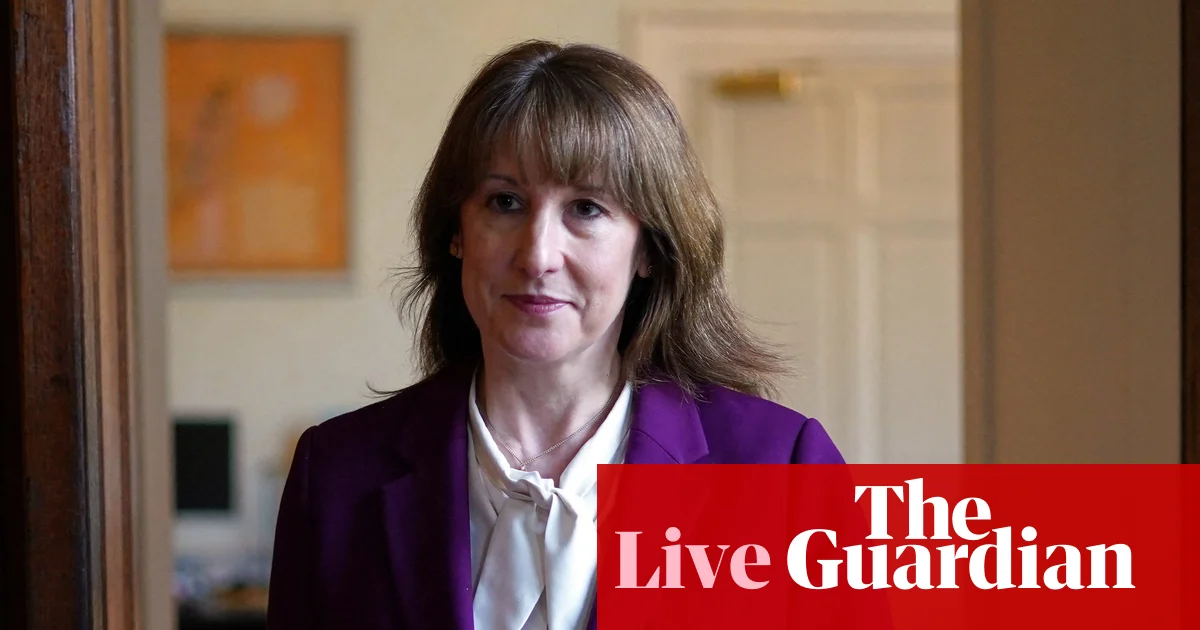
Amid diplomatic and economic turbulence, the UK government under Rachel Reeves is taking a firm stance against what it calls profiteering by energy firms exploiting the crisis. Reeves instructed the Competition and Markets Authority (CMA) to scrutinize fuel price hikes, explicitly warning companies that “she will not tolerate any company exploiting the current crisis to make excess profits at customers’ expense.” Simultaneously, Energy Secretary Ed Miliband has vowed to fight “price gouging,” emphasizing that the government is prioritizing the “cost of living” crisis, particularly impacting households relying on heating oil—whose prices have nearly trebled since the Iran war began. These actions aim to shield consumers from the fallout of geopolitical conflicts, but they also reflect a broader struggle over energy policy—particularly whether the UK should pursue more independence from volatile fossil fuels or continue aligning with international markets fraught with instability.

Adding to the geopolitical complexity, Prime Minister Starmer has announced the UK will *not* follow the US in temporarily waiving sanctions on Russian oil—an unequivocal stance that keeps Britain locked into a harder line against Moscow’s economic influence. Energy Minister Michael Shanks made it clear that the UK cannot afford to give Putin’s regime a free rein, warning that “what we absolutely can’t have is [Vladimir] Putin seeing this as a chance to invest in the war machine.” This divergence from the US approach signals a deliberate effort by Britain to assert its own strategic autonomy, even as global markets respond unpredictably. As Russia claims that lifting sanctions is “inevitable,” the balance of power and economic influence in the energy sector remains sharply contested, foreshadowing a period when nations must choose between cooperation and confrontation, the path to peace and the risk of open conflict unresolved.

With the UK facing economic stagnation, soaring energy prices, and an active military footprint in the Gulf, the international community watches with bated breath as the decisions made today could shape the trajectory of global stability for decades. As the fog of war thickens, the weight of history presses ever heavier—marking a pivotal chapter where every alliance, intention, and strategic move could determine whether nations find themselves—at last—standing on the edge of a new era or stepping into the abyss of prolonged chaos. The story remains unwritten, but the consequences of these choices will echo through generations yet unborn.

Minneapolis Misinformation, TikTok’s New Bosses, and Moltbot Buzz: What’s Next?

Recent developments across the U.S. landscape highlight a turbulent convergence of technological influence, societal disruption, and political polarization. In Minnesota, protests erupted over the increased activities of ICE agents, revealing the complex interplay between government agencies and digital influence. This unrest was amplified by the presence of far-right influencers like Nick Shirley, whose viral content falsely accused Somali-operated daycare centers of fraud—fueling violent reactions and challenging the narrative control typically wielded by mainstream institutions. Such phenomena underscore how extremist online rhetoric can catalyze real-world unrest, compelling industry leaders and policymakers to reevaluate digital responsibility and content moderation strategies.

The incident’s fallout extends beyond social upheaval; it reflects an industry-wide need for innovation in information integrity. Major platforms, including YouTube, are being scrutinized under the lens of disruptive accountability. Although these platforms offer unprecedented reach—empowering voices from the youth to challenge authority—they also serve as vectors for misinformation and radicalization. Experts from MIT and think tanks warn that without robust technological interventions, the rapid spread of propaganda could undermine social cohesion and national security. Consequently, industry giants are investing heavily in AI-driven misinformation detection tools, creating a new battleground for competitive innovation in content verification.

Simultaneously, the political implications are profound. Leaders like Rep. Ilhan Omar have called for decisive action, including abolishing ICE. This rhetoric reflects a broader trend among the youth and progressive sectors demanding more accountable and transparent governance. Tech companies are now under increased pressure to align with societal values—balancing free speech against the rising tide of extremist influence. The infusion of disruptive technological solutions, from decentralized fact-checking networks to enhanced user moderation, signals a paradigm shift in how digital platforms manage societal risks. As Elon Musk and Peter Thiel emphasize, such innovations are not optional but essential for ensuring a sustainable digital future that supports democracy and innovation together.

Looking ahead, the implications for business are unmistakable. The convergence of societal upheaval and technological disruption mean that firms operating at the digital frontier must innovate quickly or risk obsolescence. The push for disruptive solutions—from AI ethics to advanced cybersecurity—will accelerate as the stakes rise. Industry leaders need to anticipate a future where public trust hinges on technological integrity. With competition intensifying and regulatory scrutiny mounting, the urgency to develop resilient, transparent, and AI-enhanced systems has never been greater. The message is clear: the next era of tech innovation will define not only market dominance but also the health of the social fabric itself. Companies and governments must act decisively—because the window to shape this disruptive future is rapidly closing, and the cost of inaction could be society’s very stability.

Business Secretary: Labour Will Hear Bosses’ Views on Workers’ Rights

The recent developments surrounding Labour’s employment rights bill in the United Kingdom highlight a pivotal moment in the nation’s ongoing political saga. While the bill promises to introduce significant protections for workers—banishing zero-hour contracts and ensuring day-one protections against unfair dismissal—the government’s cautious approach reveals deeper geopolitical undercurrents that could reverberate across national borders.

At the heart of this controversy lies Prime Minister Keir Starmer’s coalition-heavy government, which finds itself under mounting pressure from union leaders, Labour backbenchers, and the broader public—many of whom see these reforms as long-overdue safeguards for workers. However, the business sector has launched a formidable lobbying campaign, warning that the changes could impose a £5 billion cost burden and threaten jobs—an assessment echoed by international economic analysts who caution about the unintended consequences of rapid regulatory shifts.

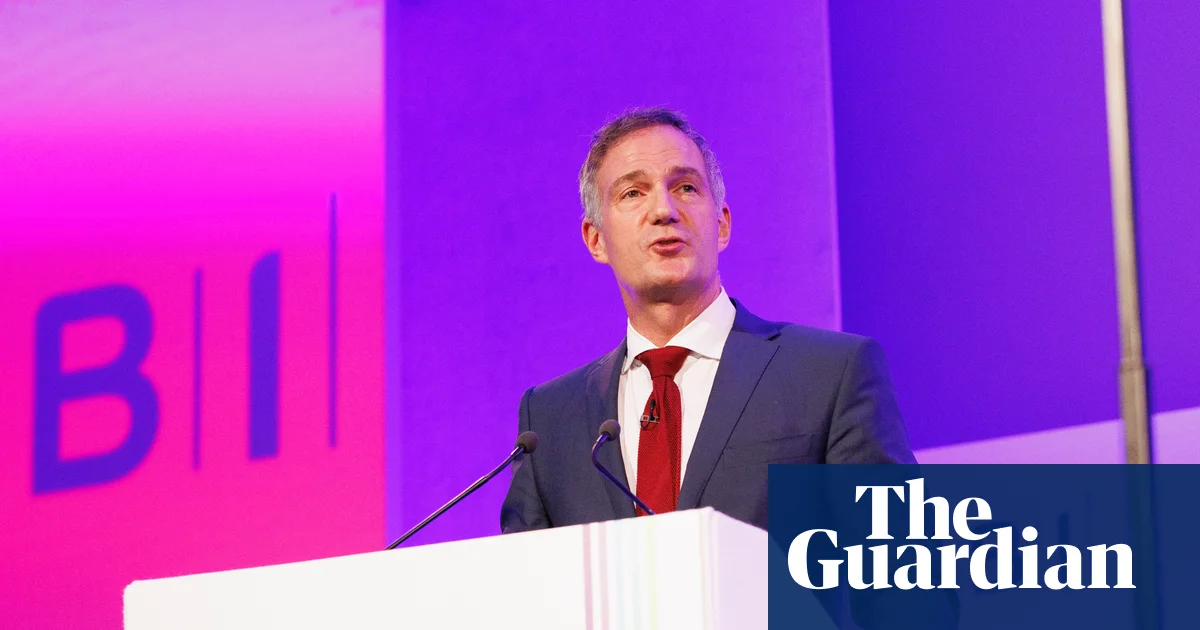
Amid this tension, Peter Kyle, the UK’s business secretary, has signaled his willingness to engage in a series of 26 consultative sessions aimed at *potentially watering down* the reforms—a move that critics argue could effectively undermine the manifesto’s core promises. This calculated delay might serve as a strategic lifeline for Conservative opponents such as Kemi Badenoch, who has publicly decried Labour’s blueprint as an “assault on flexible working” designed to empower unions at the expense of economic vitality. Her warnings suggest a broader underlying geopolitical contest, with the UK positioning itself along a path that might swing either towards strengthening worker protections or safeguarding corporate interests, depending on how the negotiations unfold.

International organizations like the International Labour Organization and prominent economic analysts have voiced concern that such legislative uncertainty may destabilize the UK’s economic standing, especially as the nation faces volatility in global markets and internal political upheaval. Moreover, the debates over how to balance labour rights against economic growth showcase the tension between societal welfare and the worldview of global investors who seek predictability. As history demonstrates, these internal struggles often influence global diplomatic relations, with alliances and rivalries reshaping based upon a nation’s stability and perceived future readiness to adapt to economic and social reforms.

In the shadows of these parliamentary battles, the United Kingdom’s political landscape is rapidly morphing into a contest of ideologies—one where history’s weight presses heavily. Whether this push for robust workers’ protections will solidify the social fabric or lead to unforeseen economic setbacks remains an unfolding chapter. As historians warn, moments such as this—filled with both hope and contention—are often the crucibles in which nations’ destinies are forged. The unfolding debates over employment law thus serve as a stark reminder: every decision, every compromise, echoes with the potential to shape the future of a nation and perhaps, influence the course of international relations itself.

Social Media Auto Publish Powered By : XYZScripts.com