Matox News

Truth Over Trends, always!

States Brace for NDIS Cuts as Chalmers Warns They’ll Be Key in Budget Savings

Australia’s NDIS Restructuring Sparks Political Tensions and Geopolitical Impact

The Australian government is currently embroiled in a contentious debate over its proposed National Disability Insurance Scheme (NDIS) budget cuts. With the upcoming budget release, officials are under pressure as the federal government, led by Prime Minister Anthony Albanese, seeks to reduce the scheme’s rapid growth trajectory. This move has elicited sharp reactions from both state governments and the disability community, emphasizing the geopolitical impact of domestic policy decisions on national cohesion and international reputation.

The federal treasury, under Jim Chalmers, has flagged the NDIS as the most significant component of the government’s savings package. Chalmers voiced concerns that the scheme’s annual growth rate exceeds sustainable levels, projecting costs to reach $63 billion by 2028-29 from this year’s $52 billion. Such fiscal measures are viewed by analysts as part of a broader effort to reframe Australia’s social welfare obligations in the context of global economic pressures, including rising debt, inflation, and the need to maintain competitiveness on the world stage. Moreover, this realignment of social policy may have long-lasting effects on society, particularly on vulnerable populations reliant on the scheme.

Yet, the move to trim NDIS spending has ignited a fierce political storm. States like Western Australia and Victoria have expressed concerns, especially regarding the shifting of responsibilities to a unified, national scheme called Thriving Kids. Many regional leaders felt blindsided when federal officials announced plans for the scheme last August, revealing a preference for centralization at the expense of state-led programs. Such decisions undermine the traditional federal balance, showing a shift towards increased federal control that echoes geopolitical trends where central authorities assert dominance over regional autonomy. As the scheme consolidates, questions about the transparency and fairness of these reforms linger, especially considering the absence of comprehensive disclosures from the federal department.

This domestic controversy holds profound geopolitical significance. As China and the Indo-Pacific region face their own political upheavals, Australia’s internal struggles reveal a nation at a crossroads—balancing economic pragmatism with social responsibility amid shifting international alliances. Some international observers—like the International Monetary Fund (IMF)—warn that Australia’s fiscal policies could impact its diplomatic standing and economic leverage. If the government’s austerity measures lead to social unrest or undermine social cohesion, it risks undermining its soft-power influence, especially as nations increasingly contest narratives based on social stability and inclusive growth.

Historians and analysts chart this ongoing internal battle as a reflection of broader trends in global governance, where the prioritization of fiscal discipline often clashes with social commitments. The hard choices made in Canberra may serve as a cautionary tale for emerging democracies worldwide, illustrating how domestic policy shifts can ripple across international relations. As critics decry the potential weakening of vital social safety nets, the world watches a nation wrestling with the legacy it will leave for generations. The unfolding story of Australia’s reforms isn’t merely about budget savings—it is a chapter in the greater narrative of a nation striving to define itself amid the powerful currents of shifting global power politics. The weight of history asks: will these decisions forge a resilient nation, or expose fractures that threaten its future stability?
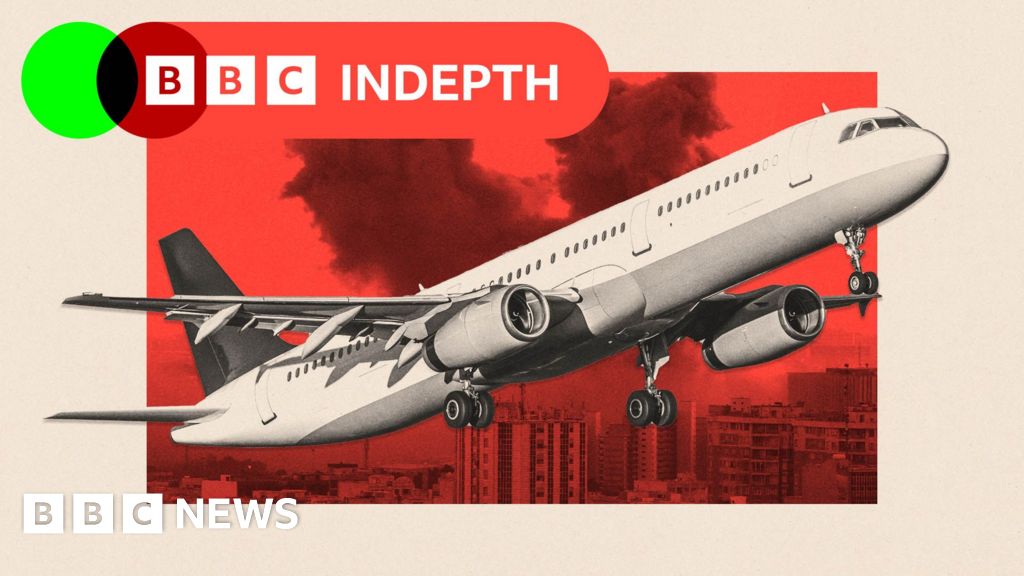

Brace for disruption: Long Middle East conflict could change the way we fly

Once regarded as the epicenters of international aviation, the Gulf’s major hub airports—such as Dubai International Airport, Doha Hamad International, and Abu Dhabi’s Abu Dhabi International Airport—bred a new era of **cheap** and **efficient** long-distance travel. By leveraging regional geopolitical stability and substantial investments in infrastructure, these airports transformed themselves into global transit points, fundamentally reshaping how people across continents connect. The “Golden Triangle” of the Gulf facilitated not only the movement of millions but also catalyzed economic growth and boosted tourism, positioning the region as a crucial nexus in the world’s interconnected network of global commerce.

However, the **future** of these aviation hubs is now increasingly uncertain, as recent geopolitical realignments and global economic pressures threaten to disrupt this carefully balanced ecosystem. Analysts suggest that a combination of rising regional tensions, supply chain disruptions, and shifting alliances have begun to erode the competitive advantages that once made the Gulf the go-to transit zone. The International Air Transport Association (IATA) and other global institutions warn that increased **regulatory restrictions** and **security concerns** could diminish traffic flows, causing a ripple effect on airlines and related industries. This evolving landscape has left international stakeholders pondering whether the Gulf hub airports can maintain their former prominence or if they face an inevitable decline.

The **geopolitical impact** of this shift is profound. Decisions made within regional capitals and international negotiations are directly influencing global mobility. For instance, regional conflicts and diplomatic disputes—such as the ongoing blockade of Qatar and tensions surrounding the Iran nuclear deal—have cast long shadows over the stability that once underpinned Gulf air traffic. Moreover, major powers, including the United States and China, are pursuing more direct routes and alternative hubs in response to these volatilities. The **economic implications** are equally significant, with extended delays and restrictions threatening billions of dollars of revenue and risking job losses in aviation, logistics, and hospitality sectors. As prominent historian Dr. Samuel Harris notes, “Aviation hubs are not just economic engines—they’re symbols of regional stability and geopolitical influence.”

Looking ahead, the strategic calculus for Gulf nations involves balancing **investment in local industries** against the mounting geopolitical storms that threaten their aviation futures. The shifting international landscape underscores that these hubs—once unequivocally ideal for **cost-effective travel and commerce**—may soon need to adapt or face obsolescence. As global society witnesses these unfolding shifts, the question remains: **Can the Gulf adapt swiftly enough to reinvent itself, or will it become a relic of a bygone era of unchecked regional dominance?** The answer rests amidst the chaos and resolve that define current international diplomacy—a story still being written, with history watching with bated breath.

Cuba’s expectant moms brace for birth amid nation’s deepening crisis

Global Reflections on Crisis: Voices of Pregnant Women Amid Unfolding Turmoil

In the midst of escalating international tensions and mounting internal crises, the voices of ordinary citizens often go unheard. Recently, the BBC’s report featuring two pregnant women encapsulates the profound hopes and fears that persist even as their nation grapples with an intensifying crisis. These personal narratives underscore a broader geopolitical impact, reminding the world that decisions made by national leaders ripple outward, affecting the most vulnerable members of society. As analysts dissect the situation, it becomes clear that the confluence of political instability, economic collapse, and external pressure is transforming societies at their core.

One woman expressed her cautious optimism, holding onto the hope that her unborn child’s future might still be secured despite the chaos. Her words resonate with many across regions where internal conflicts and international sanctions have crippled economies. Historians such as Dr. James Morgan emphasize that when nations enter periods of crisis, societal resilience often hinges on the collective will to adapt and rebuild amid adversity. Conversely, her counterpart voiced poignant fears about safety, stability, and access to basic healthcare. These personal accounts highlight an inevitable question in international diplomacy: how do these internal struggles influence global stability? The answer lies in the delicate balance of power, where often, external actors—including global institutions—seek to exert influence to stabilize or capitalize on regional upheavals.

The international community’s response has been multifaceted, with global organizations like the UN calling for aid and dialogue. Yet, critical voices from geopolitical analysts warn that the imposition of sanctions or interventions without understanding local contexts can deepen societal rifts. Decisions made in distant hallways of power continue to echo on the streets, affecting everyday lives and shaping the societal fabric. The crisis raises fundamental questions about sovereignty, intervention, and just governance—debates that have animated political discourse for decades but remain more urgent than ever. As regional leaders maneuver within their complicated chessboards, the fate of nations hangs in the balance, shaped by decisions that may define an era.

As history’s pen continues to inscribe this chapter, the plight of these women symbolizes the profound human toll behind geopolitical strategies. Their hopes and fears serve as a stark reminder that behind every headline and diplomatic summit, real lives are being rewritten — sometimes for better, often for worse. With the world watching, the unfolding narrative remains a testament to the resilience of society and the high stakes of leadership in times of crisis. How history will judge this pivotal moment depends on the collective actions taken today, leaving future generations to reflect on whether this was a turning point toward hope or descent into deeper chaos.

Europe urged to brace for 3°C rise: Challenges ahead but still within reach

Europe Confronts the Harsh Realities of Climate Change: A Wake-up Call for Global Leaders

Amidst mounting evidence and urgent warnings from climate scientists, Europe is witnessing an unsettling acceleration of extreme weather events that threaten its societal fabric and economic stability. Maarten van Aalst, a leading member of the European Scientific Advisory Board on Climate Change (ESABCC), has declared that safeguarding the continent from the devastating impacts of rising global temperatures is a task that, remarkably, “is not rocket science.” His comments underscore a stark truth: the methods required are straightforward and within reach but demand political will and coordinated action. The recent reports from the ESABCC highlight an alarming trajectory—by 2100, temperatures in Europe could soar by 2.8-3.3°C, surpassing the commitments made during the 2015 Paris Agreement, which aimed to limit warming to well below 2°C. Current efforts, they observe, are largely insufficient, characterized by incremental measures that arrive too late to confront the scale of the crisis. This glaring discrepancy between intent and action signals a profound risk to the societal stability of Europe and, by extension, the global order.

The recent history of weather extremes in Europe exemplifies nature’s wrath and the fragility of human resilience. Catastrophic floods in Germany’s Ahr valley in 2021, which killed 134 people, and the deadly storms in Spain’s Valencia region in 2024, claiming 229 lives, serve as stark warnings. Studies attribute half to two-thirds of these fatalities to heat-induced conditions intensified by fossil fuel pollution. Fires that ravaged more land than ever recorded also punctuate this tragic trend. Governments across the continent are under increasing pressure to draw up comprehensive climate adaptation plans, yet many remain unprepared for the severity of the threats. Portugal, for example, recently faced an unprecedented storm series resulting in over €775 million (£675m) in damages and at least 16 fatalities, emphasizing the immediate need for nations to upgrade infrastructure and early-warning systems. The European Union, facing its own political and economic challenges, is urged by analysts and international organizations not to dilute its green commitments in the guise of economic revival, but to prioritize resilience against climatic upheavals.

Expert voices, including historians and climate analysts, emphasize a sobering reality: the window for effective intervention narrows rapidly. Van Aalst notes that twenty years ago, extreme weather primarily threatened poorer nations, but today, Europe itself has become vulnerable, especially to anomalies it has not previously encountered. The ESABCC recommends mandatory climate risk assessments and the integration of resilience strategies into all policy sectors—yet, the critical question remains: how much are nations willing to invest in protecting their societies from impending catastrophe? Beyond just responding to crises, the focus must shift toward prevention and adaptation. The latest IPCC report underscores a disturbing trend—reaching the limits of adaptation if decisive action isn’t taken soon. As the world teeters on the brink of irreversible change, the global community faces a stark choice: act comprehensively or watch as history’s most ambitious climate accord continues to falter. The stakes could not be higher.

In this unfolding chapter of human history, Europe serves as both a warning and a mandate for action. The confluence of rising seas, lethal heatwaves, and relentless wildfires paints a grim picture—a future where modern civilization’s resilience is tested like never before. The decisions made in the coming years will resonate through generations, shaping the legacy of a society caught between its technological achievements and its environmental responsibilities. As climate history continues to be written, the world waits in tense anticipation—will humanity rise to meet this defining challenge or succumb to the chaos of neglect? The answer remains shrouded in the ever-warming shadows of the future, a narrative still unwritten, yet deeply felt: the weight of history is shifting, and the clock is ticking.

England's hospitals brace for risky winter surge amid discharge delays
England’s hospitals brace for risky winter surge amid discharge delays

Overcrowded Hospitals and Social Failures in England’s Healthcare System

As the winter chill sets in across England, alarming headlines reveal a healthcare crisis that threatens the very fabric of our communities. Hospitals are grappling with unprecedented overcrowding, driven in part by an increase in acute illnesses like the seasonal flu. Analysis from the Health Foundation shows that the number of patients delayed in discharges has risen sharply, with nearly 19,000 more bed days lost this year compared to the same period last year. This situation magnifies societal and familial strains, as families face longer waits with loved ones in incapacitated health, and communities bear the brunt of the faltering social safety net.

At the core of the crisis lies a complex web of social issues—primarily the chronic shortage of social care and community support—exacerbated by fiscal austerity measures and demographic shifts. The ageing population and extended life expectancy, while victories of modern medicine, have paradoxically created new challenges. Senior doctors, including Dr. Vicky Price, warn that these persistent bed shortages will inevitably lead to preventable deaths, casting a shadow over the moral fabric of the NHS. Rates of delayed discharges, where patients deemed medically fit-to-leave remain hospitalized due to lack of social care, have created bottlenecks that ripple through emergency services, leading to ambulance queues, overcrowded emergency rooms, and longer wait times. By focusing on these issues, sociologists like Dr. Robert Putnam argue that societal cohesion and moral responsibility toward vulnerable populations are under threat as these healthcare failures deepen.

Moreover, the ramifications extend beyond hospitals into families and local communities. Children with sick or elderly relatives are often caught in the turmoil, witnessing loved ones stuck in limbo amid unending waits and fractured social support. The financial toll on families unable to access adequate care at home compounds their difficulties, further straining social cohesion. The moral question arises: how can society claim to prioritize the wellbeing of its most vulnerable when systemic failures compromise the dignity and safety of all? The social fabric frays as hospitals reduce capacity in response to financial cutbacks—partly a calculated response to austerity policies—and as neglect of social care infrastructure leaves families with no options but to endure prolonged crisis. According to the Royal College of Emergency Medicine, nearly 17,000 avoidable deaths last winter were attributed to these delays, underscoring the tragic human cost of inadequate social foresight.

Despite government claims of proactive measures, the reality remains bleak. Efforts to ramp up vaccination and streamline hospital operations are commendable but insufficient to address the underlying social failures. As Rory Deighton of the NHS Confederation highlights, “delayed discharges have been a longstanding challenge,” and without significant investment in social care, the cycle of overcrowding and preventable death will persist. Sociologists and social commentators emphasize that true progress hinges on restoring the social contract—rebuilding the capacity of communities to care for their own—before hospitals become more crowded with preventable tragedies. As society stands at this crossroads, the hope resides in recognizing that social wellbeing is the foundation of national resilience. Only by addressing these interconnected issues—social, economic, and moral—can we strive toward a future where healthcare is a promise fulfilled, not a broken vow left for families to bear.”

Americans endure shutdowns — brace for the next round

Implications of the US Government Shutdown: A Reflection of Political Instability and Its Global Repercussions

In recent weeks, the United States has faced its longest government shutdown in history, a stark reminder of the deep divide within its political landscape. The 43-day closure, which resulted in over 1.4 million federal employees, including military personnel and essential service workers, going without pay, underscores a broader crisis that transcends domestic policy. As families like Beth Johnson’s—an American military spouse—live through extended uncertainty, analysts argue that this ongoing dysfunction highlights a fragile political system increasingly unable to meet its constitutional responsibilities. Historians underscore that such fiscal impasses threaten to erode the very fabric of America’s governance, potentially undermining public trust and social cohesion.

This latest shutdown was driven by fierce partisan battles over budget allocations and social subsidy programs. Particularly contentious was the debate over health-insurance subsidies, which Democrats insisted must be maintained—a key point that contributed to the deadlock. When eight Democrats sided with Republicans to pass a temporary spending plan, it became clear that even within the U.S. political establishment, consensus is slipping away. For the everyday American, especially those who depend on programs like Supplemental Nutrition Assistance Program (SNAP), the stakes are painfully real. The World Bank and the International Monetary Fund (IMF) have warned that such internal tumult diminishes the U.S.’s credibility as an economic leader, larger than merely fiscal turmoil—it’s a signal of weakening resolve in the face of mounting domestic challenges.

Global observers are paying close attention to how these internal crises influence America’s foreign geopolitical standing. During these shutdowns, military and diplomatic operations have faced disruptions, raising concerns about national security and America’s commitment to international alliances. The impact extends beyond borders; allies and adversaries alike watch the U.S. internal chaos, interpreting it as a sign of political fragility that could embolden rivals such as China and Russia. According to strategic analysts, the recurrent internal crises are playing right into the hands of competing powers that are eager to test American resolve—undermining its capacity to lead in critical multilateral fora regarding security, trade, and climate change. This erosion of stability not only hampers U.S. influence but also destabilizes global markets already rattled by mounting geopolitical tensions.

As history unfolds, the shadow of uncertainty looms large over the American republic, serving as a stark reminder that internal discord is a catalytic force shaping the international order. While the recent bipartisan agreement offers a temporary reprieve, the underlying fissures remain—and the looming prospect of yet another shutdown threatens to accelerate societal divisions. With analysts warning that this cycle of fiscal brinkmanship might be a symptom of deeper systemic failure, the world watches intently. The coming weeks will reveal whether the legacy of this political turmoil will be one of resilience or further unraveling, as the pages of history turn and the global stage remains watchful for signs of American weakness.

Social Media Auto Publish Powered By : XYZScripts.com