Matox News

Truth Over Trends, always!

Brand Beckham drops the ultimate clapback costume — and the fashion game just got more fierce

In an era where celebrity branding is less about talent and more about strategic image manipulation, the recent spectacle surrounding the Beckham family exemplifies this evolution. Over the past week, the media has been captivated by a series of social media revelations from Brooklyn Beckham that expose unseen cracks within one of the world’s most meticulously crafted dynasties. Meanwhile, David Beckham’s appearance at Paris Fashion Week, wielding a rare Hermès bag and a sashiko-dyed jacket, signals yet another chapter in the art of using fashion as a subtler form of communication. These shifts in behavior underscore how modern celebrities, especially those embedded in traditional institutions like the royals or famed families, are increasingly using clothing and public appearances as signals—either for unity or to send a hint of discord.

Fashion’s role as a social language is nothing new—think of Princess Diana’s iconic looks or Wallis Simpson’s modern take on regal style—yet today’s spectacle is amplified by social media’s immediacy. Influencers, sociologists, and brand strategists argue that what these figures wear isn’t just about aesthetics; it’s about shaping public perception. David Beckham’s choice of sashiko—an *ancient Japanese technique of visible mending*—may seem trivial, yet experts like brand consultant Andy Milligan suggest it could be a deliberate semiotic message. Are Beckham’s wardrobe choices a covert nod of resilience, a statement of humility, or simply a comfortable choice? The current climate makes it increasingly difficult to discern whether these “fashion statements” are organic expressions or carefully curated signals crafted by a team of image architects working behind the scenes.

At the same time, the family melodrama—highlighted poignantly by Brooklyn Beckham’s emotional social media exposé—reflects a broader shift in societal attitudes. In this digital age, transparency is currency, and celebrities are no longer passive figures; they are active participants in shaping their narratives, often blurring the line between authenticity and performance. Though Brooklyn’s claims paint a stark picture of family conflict, critics warn that such revelations serve a dual purpose: they keep the Beckham brand in perpetual conversation, attuned to the shifting values of a social media-driven generation. This combination of high fashion, family feud, and social media theatrics sets the stage for a powerfully modern brand of public spectacle—one where image is everything and vulnerability is often strategic.

Looking ahead, one has to ask: as families and celebrities fine-tune their appearance for both the camera and the subconscious, what does this say about the *future* of influence? Will fashion and personal narrative become so intertwined that the authentic self is forever mediated through carefully edited symbols? Or is this an inevitable sign of a society where every gesture, every garment, is a piece of the puzzle in a sprawling game of perception management? With the lines between reality and spectacle increasingly blurred, it seems the next big question for youth and society alike is: *are we witnessing the dawn of a new era where true authenticity is the ultimate act of rebellion?*

This Bulletproof Brand T-Shirt Still Looks Fresh After 300+ Washes — Here’s Why it’s a Must-Have for Trendsetters

In a world where fast fashion dominates and disposable trends flood social media feeds, the quest for lasting quality and authentic style has resurfaced among the youth committed to purposeful living. Many young Americans are shifting away from the cycle of constantly replacing worn-out garments, seeking instead clothing that endures both in its durability and its ability to express individuality. The ideal wardrobe now blends rugged practicality with bold aesthetics, and brands like Into the AM are leading the movement towards long-lasting, vibrant apparel that doesn’t compromise on style or sustainability.

Founded with a mission to craft graphic tees built to withstand the rigors of daily wear, Into the AM exemplifies how quality apparel can resonate with youth who refuse to settle for fleeting fashion. Their design ethos combines eye-catching artistry with a commitment to durability—ingredients that appeal to the new generation of conscious consumers. Unlike typical fast fashion brands that flood the market with cheaply made items destined for landfill, Into the AM uses a strategic blend of 60% cotton and 40% polyester. This combo ensures their tees are not only soft and breathable but also resistant to shrinking, fraying, and fading, even after hundreds of washes. For confident young individuals embracing a lifestyle of resilience and self-expression, such apparel becomes a personal statement rooted in value and sustainability.

What truly sets Into the AM apart is their commitment to built-to-last textiles and artistic integrity. Their designs, created by in-house artists, avoid fleeting fads and instead focus on timeless, bold imagery. This approach aligns with a growing paradigm among youth who want their fashion choices to reflect not only their personality but also their principles. As wellness experts like Dr. David B. Agus have emphasized, investing in durable, quality clothing can have a profound personal impact—reducing waste, lowering expenses, and fostering a sense of authenticity. In an era where 34 billion pounds of textile waste are discarded annually in the U.S., choosing versatile, durable garments becomes a form of quiet activism—supporting a more sustainable and mindful approach to consumption.

Embrace Lasting Style

  1. Prioritize quality over quantity—invest in versatile pieces that can stand the test of time.
  2. Support brands committed to sustainability and craftsmanship, like Into the AM, which produce textiles designed for longevity.
  3. Choose designs that express individuality without relying on fleeting trends, fostering a more authentic wardrobe.
  4. Combine comfort with durability—embrace functional fashion that empowers your lifestyle.

As the narrative of fashion continues to shift, young people are discovering more than just surface-level style—they’re cultivating a lifestyle rooted in resilience and responsibility. Materials and designs that endure become symbols of a mindset that refuses to accept mediocrity, favoring instead a long-term outlook. Think of your wardrobe as a personal journey, where each well-made garment is a chapter in a story of self-respect and respect for the environment. Through these choices, the youth are not only redefining what fashion means—they are embracing a paradigm where quality, authenticity, and sustainability converge to shape a future worthy of aspiration.

Ultimately, the movement towards durable apparel signifies more than just shopping habits; it embodies a broader desire for meaningful living—a recognition that true style is about more than appearance. It’s about investing in oneself and in the planet, forging a path where fashion becomes a reflection of values, strength, and a relentless pursuit of excellence. As the journey unfolds, the young generation stands as a testament to the idea that high-quality, enduring fashion is not a luxury but a vital part of living intentionally in the modern age.

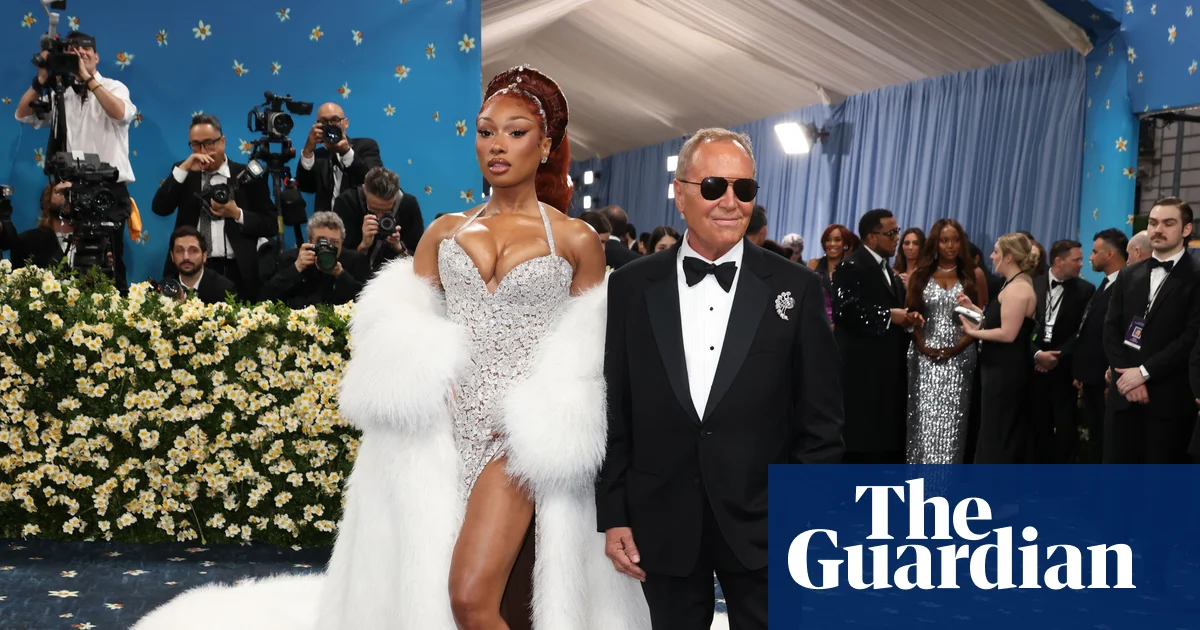
Stay Curious: Michael Kors on Building an Inclusive Brand That’s Taking the World by Storm

The Future of Style: How Michael Kors and American Heritage Designers Shape Youth Culture

In an era where fashion trends are constantly shifting and social values are evolving at breakneck speed, the latest developments in the industry are more than just designer news—they’re a reflection of societal shifts. The recent $1.4 billion sale of Versace to Prada signifies a changing landscape where traditional luxury houses are consolidating, yet it’s heritage American brands like Michael Kors that are redefining their role in the cultural conversation. Kors, a brand rooted in aspirational yet accessible glamour, is shifting societal perceptions of what “luxury” really means and who it’s meant for—including the youth that are shaping the future.

What makes Kors particularly influential in this dynamic is his approach to sizing and inclusivity. Unlike other brands that are falling back on narrow definitions of beauty, Kors actively casts models that span a range of sizes, emphasizing that fashion should be for all. This stance resonates with a generation increasingly pushing for diversity and representation, breaking away from the outdated ideals that once defined runway standards. Industry analysts like sociologist Dr. Emily Carter suggest that this shift toward inclusivity isn’t just about good PR—it’s a reflection of society’s broader shift toward embracing authenticity and rejecting superficial stereotypes.

The Cultural Impact of Aspirational Lifestyle and Gen Z Engagement

At the core of Kors’ appeal is his mastery of creating more than just clothing—he offers a glamorous lifestyle that intersects with the cultural aspirations of young consumers. His designs, often worn by icons like Megan Thee Stallion and even Michelle Obama, symbolize a desire for success that doesn’t require sacrificing authenticity. Influencers such as Suki Waterhouse and Gemma Chan, seen at the recent flagship opening in London, embody the brand’s desire to connect with youthful, diverse audiences who see fashion as a form of personal expression rather than mere status.

Moreover, the shift away from wear-once fast fashion toward durable, functional pieces signifies a broader pattern among youth consumers who value sustainability and value. Kors’ focus on “things that delight but still function” highlights a move towards more responsible consumption, which some fashion analysts argue could be a turning point in how brands cultivate lifelong relationships rather than fleeting trends. As Michael Kors continues to hunt for vintage pieces from his earlier years, he underscores the importance of history and authenticity in shaping the future of fashion—a narrative that undeniably impacts social attitudes about materialism and legacy.

The Next Question: Will Heritage Brands Lead or Follow?

While it’s clear Kors and his peers are shaping a new, more inclusive, socially conscious fashion landscape, a critical question remains: will these heritage brands be the drivers of change or merely followers of consumer-driven trends? With luxury prices rising by 25% since 2019, the aspiration for authentic self-expression is increasingly intertwined with the market’s evolving economics. As the younger generation becomes more politically and socially aware, it’s worth asking—could these brands become catalysts for societal change, or will they simply adapt to prevailing norms?

The future of style arguably hinges on this question. As fashion continues to reflect—and shape—society’s values, the real cultural impact lies not just in clothing or celebrity endorsements but in how these brands influence deeper social shifts. It’s this next chapter that promises to reveal whether fashion can be a tool for genuine societal progress rather than just a mirror of superficial trends. Only time will tell if heritage brands like Kors’ will be at the forefront of this transformation or if new voices will challenge the status quo in the quest for a more authentic and inclusive society.

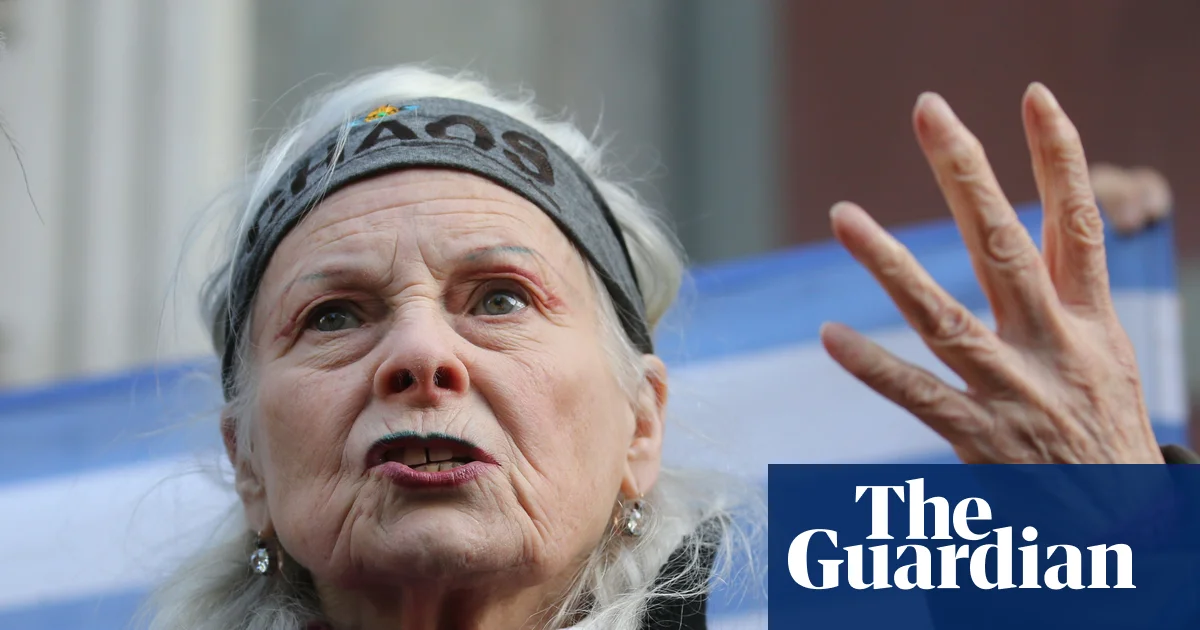
Vivienne Westwood’s granddaughter calls out brand as Riyadh Fashion Week deal sparks controversy

Fashion’s Fight for Social Justice: The Vivienne Westwood Legacy in a Changing World

The recent decision by Vivienne Westwood’s brand to showcase in Riyadh fashion week has ignited a fierce debate about the delicate balance between artistic expression and social responsibility. While the brand insists that their presence in the Gulf state is meant to facilitate dialogue and understanding, critics—including the granddaughter, Cora Corré—argue that such moves undermine the very values Westwood championed during her lifetime. This controversy underscores a larger, cultural shift within the fashion industry: the tension between global commerce and social activism, especially when powerful brands become unintentional agents of geopolitical diplomacy.

At the heart of this debate is the cultural impact of celebrity and brand influence on social values. Westwood, known for her punk rock ethos and outspoken activism, used her platform to challenge injustice—campaigning against fracking and advocating for Julian Assange. Yet, her brand’s decision to participate in Saudi Arabia’s glitzy fashion scene raises questions about how much influence elite fashion has in shaping societal norms. Influencers, sociologists, and analysts suggest that this dichotomy between style and substance exposes a broader societal undercurrent: are these gestures of cultural exchange or silent endorsements of controversial regimes? The fact that Kate Moss recently appeared in a charity T-shirt—featuring vintage Westwood graphics—further complicates the narrative, blurring lines between activism, fashion, and commercial interests.

This move also awakens concerns about the social relevance of fashion—particularly in nations with documented human rights violations. Human Rights Watch has called Saudi Arabia’s record “abysmal,” citing brutal repression of dissent and the criminalization of LGBTQ+ individuals—who face fines, flogging, or imprisonment. Despite this, Saudi Arabia is aggressively cultivating a global image as a hub of luxury and entertainment, investing heavily in high-profile events and celebrity-driven spectacles. Critics argue that these efforts, often endorsed by iconic brands, serve as a fine veneer masking deep-rooted abuses—raising the key question: are we commodifying human rights issues, or are these cultural exchanges genuinely fostering change?

As the winds of change blow through fashion, the implications extend beyond style into societal narratives. The questions that remain are profound: does stepping into an oppressive society simply normalize its realities, or can it be a catalyst for progressive dialogue? The answer may depend on perspective, yet one thing is clear—how iconic brands leverage their influence could define the next era of cultural activism. With Stella McCartney being approached for comment and ongoing discussions about the true impact of such high-profile endorsements, the next big question may be: Will fashion continue as a tool for social change, or will it become merely a business of appearances—lost in the glamour and gloss of luxury?

Social Media Auto Publish Powered By : XYZScripts.com