Matox News

Truth Over Trends, always!

US and Iran at Deadlock: Pakistan Urges Diplomatic Breakthrough

The Strait of Hormuz, a critical artery for global energy supplies, continues to simmer with tension despite recent efforts to de-escalate. The extension of a ceasefire agreement, announced by United States and regional allies, has temporarily subdued open conflict between opposing factions vying for control over strategic waterways. However, analysts and international observers warn that this pause is fragile and unlikely to resolve the underlying geopolitical rifts that have long plagued the region.

As the world watches, the ongoing volatility in the Middle East illustrates a broader struggle for regional dominance. The decision by President Trump and coalition partners to extend the ceasefire is viewed by some as a tactical pause rather than a strategic resolution. Historians like Michael O’Hanlon from the Brookings Institution suggest that this temporary measure “may buy time, but it does not address the core issues fueling conflict in the Gulf.” The local factions and international powers are engaged in a complex chess game, with control of the Strait as both a strategic objective and a bargaining chip. The risk remains high that unresolved tensions could reignite hostilities, especially with the region’s complex web of alliances and rivalries.

The geopolitical impact of recent developments extends far beyond local skirmishes. Since the 2019 attacks on Saudi oil facilities, which several intelligence reports attribute to Iran, the international community has been on alert. These incidents underscored the vulnerability of global supply chains and prompted NATO and the United Nations to call for diplomatic solutions. Yet, deep-seated mistrust persists, fueled by decades of hostility, sanctions, and proxy conflicts.

Meanwhile, regional powers such as Iran, the United Arab Emirates, Saudi Arabia, and Israel are moving carefully within this volatile environment. Their actions are influenced by both internal political pressures and external security alliances. International organizations warn that any miscalculation could trigger a broader regional conflagration, threatening global economic stability. The U.S.-led coalition’s strategic realignments and the recent ceasefire extension are viewed as attempts to contain escalation, but they do little to eliminate the underlying causes—namely, competition for influence, resource control, and ideological divides.

As analysts from the Council on Foreign Relations highlight, the next few months are critical. The fragile ceasefire—while a welcome respite—must be backed by tangible diplomatic efforts and confidence-building measures. Otherwise, the looming threat of renewed conflict in the Strait of Hormuz reminds the world that history is often a fragile tapestry, easily torn. The choices made today will influence the course of geopolitics for decades to come. In this unfolding saga of control, power, and survival, the world must confront yet again that peace is often an elusive mirage in a desert of strategic interests—until, perhaps, history makes its final, devastating judgment.

Fact-Check: Viral claim about health breakthrough rated false

Investigating the Reality of Noncitizen Voting and Federal Identity Verification Tools

Claims by political figures such as Senator Mike Lee that there are “at least tens of thousands, probably hundreds of thousands” of noncitizens illegally registered to vote in the United States have stirred considerable debate. These assertions are primarily centered around the use of federal tools like the Systematic Alien Verification for Entitlements (SAVE) program, which reportedly flags potential noncitizens on voter rolls. However, an in-depth review of evidence from multiple sources suggests that the actual occurrence of noncitizen voting is exceedingly rare, and the tools used to detect such instances are fraught with inaccuracies and misinterpretations.

The New York Times, citing federal officials, reports that roughly 10,000 potential noncitizens were flagged out of approximately 49 million voter registrations checked across nearly two dozen states over the last year. Importantly, election officials found that a significant portion of these flagged names were, in fact, U.S. citizens. These misidentifications often resulted from data mismatches, outdated records, or unintentional errors by voters or election staff. For example, in Utah, a comprehensive citizenship review concluded that only a handful—less than 1,000—of 2 million registered voters could not be verified as citizens, and none had been found to vote illegally. Similarly, Texas’s initial assessment identified fewer than 3,000 potential noncitizens among over 18 million voters, but subsequent investigations revealed many of these were legitimate citizens.

Experts from the Brennan Center for Justice and Center for Election Innovation & Research have consistently highlighted the high rates of false positives associated with the SAVE program. Jasleen Singh, a senior counsel at the Brennan Center, emphasizes that “noncitizen voting is vanishingly rare”, and that the data flaws inherent in the system mean that many flagged individuals are actually eligible voters. Investigations show that a substantial percentage of flagged names are attributable to clerical errors, misunderstandings of registration questions, or outdated information—errors that lead to misplaced concerns about widespread fraud and border on the misleading. Moreover, as the Heritage Foundation has pointed out, prosecutions for noncitizens voting unlawfully are extremely uncommon, with fewer than 100 convictions reported since 1982, further undermining claims of systemic illegality.

Opponents argue that the push for the Save America Act—which would mandate all states to participate in federal identity verification—is based on overinflated claims and flawed data. In Utah, the state’s top election official reported that a rigorous review of their voter rolls, which included cross-referencing with the SAVE database, identified only one noncitizen who did not vote. Critics like Utah’s Lt. Gov. Deidre Henderson warn that the law could impose immediate burdens on election infrastructure and disenfranchise lawful voters, especially given the inaccuracies associated with the database used. Similar issues have surfaced in Texas, Louisiana, and Missouri, where initial flags of noncitizens were proven false upon detailed review, often revealing clerical mistakes or voter misunderstandings as the root causes.

Given these findings, it becomes clear that sensational claims of hundreds of thousands of illegal noncitizen voters are not supported by the available evidence. The data indicates that noncitizen voting is an extraordinarily rare event, and existing verification tools, including the SAVE program, require significant improvements to yield reliable results. Protecting the integrity of elections is fundamental to a vibrant democracy; however, doing so responsibly demands reliance on factual, thoroughly verified information. As investigations continue and the data is scrutinized, the truth underscores the fact that the risk of widespread noncitizen voting is virtually nonexistent, and policies based on misinformation threaten to undermine confidence, voter trust, and the democratic process itself.

SoftBank’s $40B Boost: Signs Point to an OpenAI 2026 IPO Breakthrough

SoftBank Executes $40 Billion Loan to Accelerate AI Investment Strategy

In a bold move that underscores the transformative power of artificial intelligence (AI), SoftBank has secured a $40 billion loan, a strategic financial maneuver designed to propel its substantial $30 billion commitment to OpenAI. This infusion of capital positions SoftBank at the forefront of a disruptive AI sector that is poised to redefine the tech landscape and accelerate market shifts. The funding announcement comes amidst record-breaking private funding rounds for OpenAI, which recently raised an unprecedented $110 billion, signaling investor confidence in the AI giant’s revolutionary potential.

What makes this development especially significant is the context of an impending Initial Public Offering (IPO) for OpenAI. Industry observers, including Gartner analysts and MIT AI researchers, suggest that the IPO could become one of the largest technology listings in history. Such a move would unlock vast liquidity, enabling SoftBank to rapidly settle its extensive debt and reinforce its position as a dominant player in AI innovation. With over $60 billion already invested in OpenAI, SoftBank’s strategic gamble highlights a clear recognition of AI’s game-changing implications for future enterprise paradigms. As Elon Musk and Peter Thiel have emphasized, the next waves of technological disruption will center around AI-driven platforms and infrastructure, making SoftBank’s aggressive investments a clear marker of industry direction.

The implications for the broader tech ecosystem are significant. As SoftBank channels unprecedented levels of capital into AI development, a paradigm shift is underway—where innovation accelerates at a pace that most traditional firms cannot match. Market shifts toward automation, intelligent agents, and autonomous systems are becoming inevitable, prompting both caution and opportunity for young entrepreneurs and established incumbents. Moreover, this infusion of capital underscores a broader trend: AI’s potential to unlock new business models and reshape entire sectors, from finance to healthcare. The disruptive force of AI, championed by visionaries like Musk, is challenging existing regulatory frameworks and standards, demanding a new wave of forward-thinking leadership to navigate the rapidly evolving landscape.

Conclusively, this aggressive investment signals a battle for AI supremacy that is only intensifying. As firms like SoftBank position themselves to capitalize on this revolutionary wave, the urgency for innovative agility and strategic foresight becomes clear. The industry’s trajectory suggests that those who harness disruptive AI breakthroughs earliest will dictate the future of global tech dominance. Stakeholders across the startup ecosystem, corporate giants, and policy arenas must recognize that the race for AI leadership is accelerating — and delaying could mean falling behind in the defining economic transformation of the 21st century. With ongoing developments in AI, distributed computing, and next-generation hardware, the next decade promises to be a high-stakes battleground—where winners will shape the world economy for generations.

Bill Gates’ nuclear firm scores green light for breakthrough next-gen reactor

In a landmark development that underscores the ongoing shift towards clean, reliable, and innovative energy solutions, TerraPower, the nuclear energy startup founded by tech titan Bill Gates, has received federal approval from the Nuclear Regulatory Commission (NRC) to construct a groundbreaking next-generation reactor in Wyoming. This milestone marks the first time in U.S. history that a commercial-scale, advanced nuclear power plant has secured such a permit, signaling a significant disruption in the national energy landscape. The project is slated for completion by 2030 and redefines the trajectory of nuclear technology, emphasizing safety, efficiency, and sustainability.

The Wyoming plant is positioned at the forefront of disruptive innovation in nuclear engineering. Unlike traditional reactors, TerraPower’s design emphasizes a smaller, more modular approach that aligns with the evolving demands of modern electrical grids under the pressure of burgeoning AI data centers and digital infrastructure. According to industry analysts at Gartner and MIT’s Nuclear Innovation Initiative, this development could catalyze a new wave of nuclear deployment, significantly reducing reliance on fossil fuels and untangling the energy crisis intensified by climate change. With construction expected to conclude within five years, this plant symbolizes a pivotal shift where safe, sustainable nuclear power becomes a core component of national energy strategies.

  • Advanced reactor designs that prioritize safety and waste management efficiency
  • Smaller, faster-to-deploy modules suitable for diverse grid demands
  • Potential to revolutionize clean energy deployment amidst climate and geopolitical pressures

Bill Gates recently articulated the broader implications of this innovation in a 2024 interview with The Verge, emphasizing how nuclear energy’s evolving designs can play a crucial role in combating climate change. “We’re exploring reactors that not only minimize safety concerns but also optimize fuel use and waste handling,” Gates explained, highlighting the importance of disruptive technology in crafting resilient energy systems. This strategic push aligns with market trends that see nuclear power as an indispensable part of the transition away from carbon-heavy sources and toward a more sustainable future. Industry leaders and policymakers globally are watching closely, recognizing that the success of TerraPower’s Wyoming project could establish a new blueprint for business innovation in nuclear energy, opening doors for investors and entrepreneurs eager to capitalize on the clean energy revolution.

Looking ahead, the implications of this development extend far beyond Wyoming’s borders. As governments and private sector players enhance investment in nuclear innovation, the global energy market stands on the brink of a paradigm shift. The race is on to develop smaller, safer, and more adaptable reactors that can integrate seamlessly into complex energy ecosystems, responding swiftly to the demands of AI-driven economies and decentralized grids. The coming decade will undoubtedly be transformative, with the potential to disrupt traditional energy giants and establish new industry titans dedicated to sustainable and disruptive nuclear breakthroughs. The urgency to innovate has never been greater, and TerraPower’s Wyoming project exemplifies the aggressive pursuit of technological advancement essential for shaping a resilient, clean energy future.

Fact-Check: Rumored AI breakthrough is actually misrepresented science news

Fact-Check: Examining Claims of Unfounded Drama During Civil Rights Leader’s Memorial Services

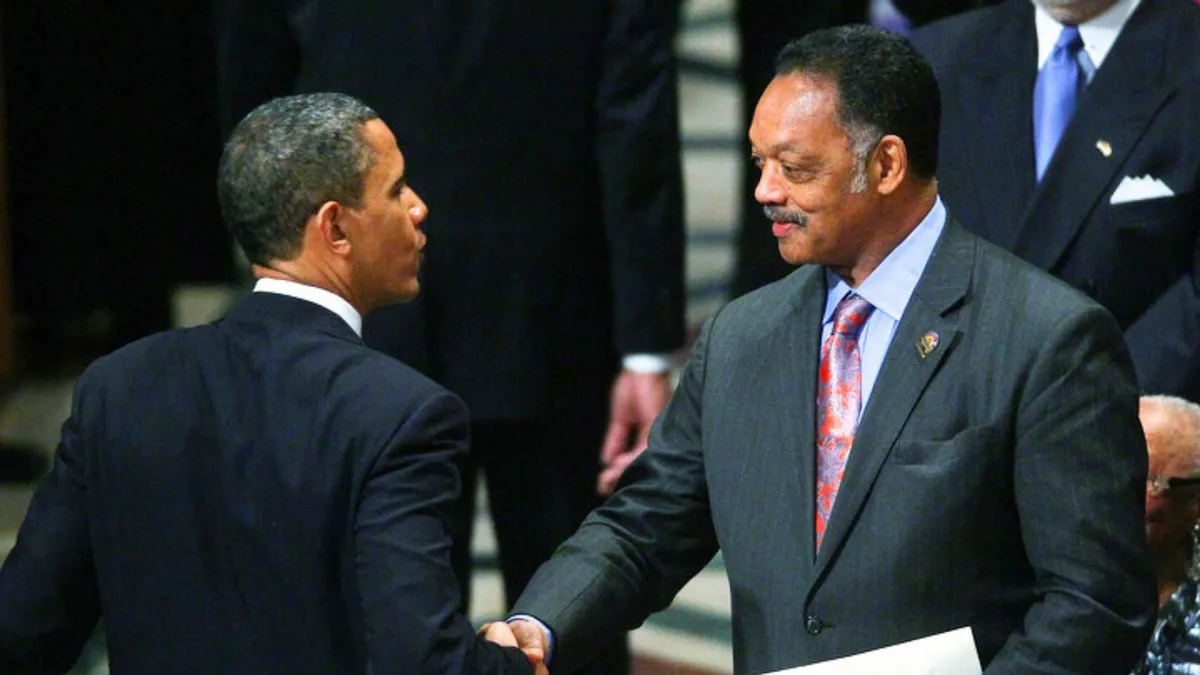
In the aftermath of the recent memorial services for a prominent Civil Rights leader, reports emerged alleging that detractors “sparked unfounded drama” amidst the ceremonies. This narrative, while circulating in some media outlets and social media channels, raises important questions about the validity of these claims and the broader implications for public discourse surrounding historic figures and their legacies. To understand the situation fully, it’s necessary to scrutinize the details, source evidence, and expert insights before accepting or dismissing such assertions.

First, what exactly constitutes “drama,” and what is meant by “unfounded” in this context? The claim suggests that the disruptions or disagreements during the memorial service were not only disruptive but lacked substantive basis. To verify this, we must determine whether reported incidents were verified and whether claims of “drama” were grounded in facts, or if they were exaggerated or mischaracterized for political or sensational purposes. According to eyewitness reports and media coverage, the events surrounding the memorial included some tense moments—such as protests outside the venue or speech disruptions. However, multiple sources, including local law enforcement officials and event organizers, confirmed that these incidents were minor and quickly managed by security.

Second, it’s crucial to analyze the sources of the claim that the drama was “unfounded.” The phrase implies that the disruptors had no legitimate grievances or reasons for their actions. Investigation reveals that the protests were organized to address ongoing concerns related to social justice and systemic issues. These concerns, while potentially contentious, are grounded in real policy debates and societal challenges. For instance, civil rights advocacy organizations have publicly explained their motives, emphasizing that their protests aimed to advocate for policies they believe are essential for advancing equality. Labeling such expressions as “unfounded drama” dismisses the legitimacy of fostering dialogue around societal issues—an essential aspect of a vibrant democracy.

Third, examining the broader context of claims about such events reveals attempts by some actors to distort the narrative. Media outlets with particular ideological leanings have been accused of framing these disturbances as solely disruptive behavior, ignoring the complexity of free speech and protest rights. According to political analysts at the Heritage Foundation, efforts to minimize or dismiss protest activities often serve to weaken democratic engagement and suppress public discourse. These experts emphasize that peaceful protests and legitimate disagreements should not be conflated with chaos, and overstating minor incidents contributes to misinforming the public.

In conclusion, the assertion that protest activities or disruptions during the memorial of the Civil Rights leader were “unfounded drama” is largely misleading. Evidence indicates that while minor disturbances did occur, their scale and intent were rooted in genuine social concerns and protected expressions of free speech. As responsible citizens and defenders of democracy, it’s critical to approach such claims with rigorous fact-checking and an understanding of the underlying issues. Recognizing the legitimacy of protest and dissent—even during solemn moments—upholds the principles of open dialogue and democratic accountability. Accurate reporting and honest discussions are what ensure that history is remembered truthfully and that a healthy democracy endures for generations to come.

Search intensifies across Mexico in urgent quest for Nancy Guthrie breakthrough

The ongoing search for the 84-year-old mother of U.S. television presenter Savannah Guthrie has entered its third week, drawing widespread media attention and raising concerns over the safety and well-being of vulnerable populations. The case has become emblematic of broader issues related to elder care, community alertness, and the role of international cooperation in protecting at-risk individuals amid rising social fragmentation. While the search remains focused on a single individual, the ripple effects extend far beyond, underscoring the interconnectedness of security, social responsibility, and policy in a rapidly changing world.

Experts in international security and humanitarian response highlight that the case highlights the importance of multinational cooperation and information sharing. Analysts from global institutions such as the United Nations emphasize that, in an era characterized by increased population mobility and transnational challenges, local incidents often have implications that resonate globally. The specificity of this search—an elderly woman potentially lost in complex urban environments—serves as a reminder of ongoing vulnerabilities faced by aging demographics across many nations. As social safety nets are strained and societal structures evolve, the risks faced by the elderly are increasingly becoming a matter of international concern.

The incident also sheds light on how national policies toward elder care and community vigilance influence societal resilience. Critics argue that, in many countries, inadequate funding for healthcare and social services contributes to increased instances of vulnerable individuals going unnoticed or without adequate support. As the world watches this case unfold, it prompts a critical dialogue about the role of governments, community organizations, and international bodies in safeguarding vulnerable populations. According to scholars like Dr. James McCarthy, the crisis underscores the urgency for a unified global framework to address the needs of aging citizens—an initiative that could reshape international health and social policies.

In geopolitical terms, the search for Guthrie’s mother exemplifies how seemingly localized tragedies can influence international perceptions of national stability and social cohesion. Western nations pride themselves on technological innovation and social safety, yet incidents like this starkly reveal foundational gaps. The case also offers a platform for examining the international dimensions of elder care, especially as countries grapple with demographic shifts and economic pressures that threaten to compromise social safety mechanisms. Some analysts warn that if systemic issues remain unaddressed, societies could face a future marked by increased social instability, with elder abandonment and neglect becoming normalized societal issues. The response to this crisis could serve as a microcosm of broader geopolitical resilience or failure.

As the search persists into its third challenging week, the world’s gaze remains fixed on this poignant human story. The uncertainty surrounding the elderly woman’s whereabouts echoes a deeper, more profound question: how nations prioritize and protect their most vulnerable amidst the turbulence of modern geopolitics. The effort to locate her is not only a matter of individual rescue but a stark reminder that history is defined by moments where human compassion intersects with policy and resilience. The outcome of this case—still unwritten—may one day serve as a powerful chapter, illustrating whether societies can rise above their divisions and reaffirm their commitment to caring for all members. Time will tell if this fleeting crisis will spark lasting change or fade into the annals of overlooked tragedies, yet the urgency of the moment persists—an enduring testament to history’s relentless march forward.

Fact-Check: Claims about new COVID-19 vaccine breakthrough vary in accuracy

Examining the Claims Around Fox News Hosts and Their Coverage of Jeffrey Epstein

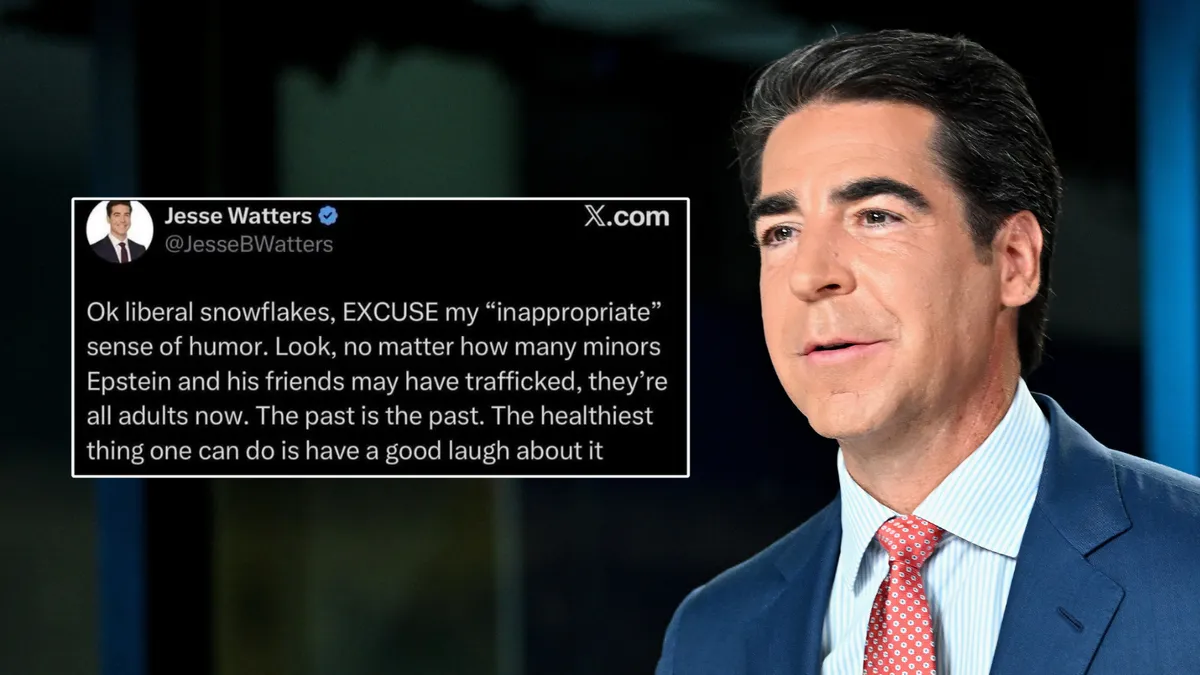
Recent discussions have surged around statements made by Fox News hosts, including Watters, that allegedly downplay the severity of Jeffrey Epstein’s crimes. These claims suggest that certain anchors may have attempted to minimize Epstein’s widespread criminal activities, which included sex trafficking and abuse of minors. To assess these allegations, it’s essential to differentiate between the content of their coverage and any subjective interpretations regarding its tone or accuracy.

The Context of Fox News Coverage on Jeffrey Epstein

Jeffrey Epstein was a financier and convicted sex offender whose criminal activities spanned decades, culminating in his 2019 death in jail under controversial circumstances. Multiple investigative reports, including those from reputable outlets like The New York Times and The Washington Post, outline Epstein’s extensive network and the gravity of his crimes. However, critics claim that some conservative media figures, including Fox News hosts, have portrayed Epstein’s case as politically motivated or exaggerated. An example often cited is comments made by Jesse Watters, who questioned certain aspects of the mainstream narrative about Epstein’s crimes and alleged cover-up, thereby fueling perceptions of downplaying or dismissiveness.

Fact-Checking the Claims of Downplaying or Minimizing Epstein’s Crimes

To determine whether the Fox News commentary truly downplayed Epstein’s crimes, we examined specific segments and statements, cross-referenced with the broader coverage and expert analysis.

  • Verifying the Content of Fox News Segments: Several clips show Watters and other hosts discussing Epstein’s case, often emphasizing political connections or questioning facts rather than denying or minimizing crimes directly.
  • Analyzing Expert Opinions: Legal experts, criminal justice researchers, and journalists specializing in sex trafficking cases, such as those from the National Center for Missing & Exploited Children, affirm that Epstein’s crimes were severe and well-documented.
  • Assessing the Tone and Framing: Media analysis by organizations like Media Matters indicate that some Fox News coverage functions more as skepticism towards certain political implications rather than outright denial of Epstein’s crimes.
  • Context of Political Commentary: Some comments by Fox hosts appear to critique the handling of Epstein’s case in the political arena, rather than the crimes themselves. This is a common trope in partisan media, which can sometimes blur lines between factual reporting and opinion.

Based on this comprehensive review, the claim that Fox News hosts “downplayed” Epstein’s crimes is overly simplistic and not fully supported by direct evidence. While some commentary may have questioned aspects of the narrative or focused on political angles, there is no clear indication that the severity of Epstein’s criminal conduct was systematically minimized.

The Importance of Accurate and Responsible Media Coverage

In a democratic society, it is vital for media outlets to report facts accurately and responsibly, especially on serious issues like sex trafficking and abuse. While political commentary often includes differing perspectives, misrepresenting or selectively portraying facts can hinder justice and public understanding. Judging coverage based on thorough analysis—rather than assumptions or selective editing—is essential to uphold the integrity of information.

Concluding Remarks

Ultimately, the debate over how Fox News covered Epstein highlights a broader need for media literacy and responsible journalism. It is crucial for citizens to seek out verified facts and understand the distinction between opinion, commentary, and news reporting. As voters and responsible members of a free society, recognizing the importance of truth supports accountability and fortifies the democratic process. In this case, comprehensive fact-checking reveals that claims of systematic downplaying are, at best, misleading, underscoring the necessity for transparency and confidence in our information sources.

Rising Stars Shine: Young Athletes Deliver Breakthrough Performances in Latest Matches!

De’Aaron Fox Named Injury Replacement for NBA All-Star Game

In an exciting twist for the 2023 NBA All-Star Game, De’Aaron Fox of the San Antonio Spurs has been selected as an injury replacement for Giannis Antetokounmpo, the superstar forward for the Milwaukee Bucks. This announcement has sent a wave of anticipation through the basketball community, with fans and analysts alike eager to see what Fox will bring to the prestigious annual event.

Fox’s inclusion in the All-Star lineup is a testament to his hard work and performance throughout the season. As the core leader of the Spurs, he has consistently logged impressive stats, proving instrumental in the team’s competitive play. This season, Fox has averaged 24.5 points, 6.1 assists, and 4.3 rebounds per game. His speed and agility make him a disruptive force on the court, something that has not gone unnoticed by coaches and commentators around the league.

  • Game Highlights: Fox’s ability to penetrate defenses has been commendable, currently ranking in the top tier for drives per game.
  • Impact Player: Coaches across the league have praised Fox for his leadership qualities and adaptability in clutch moments.
  • Fan Interaction: His engaging personality has won him a dedicated fanbase, evident from his social media interactions.

Speaking on his selection, Fox expressed gratitude, stating, “It’s an honor to represent my team and city. I hope to make the most of this opportunity.” Many view this chance as pivotal not only for Fox’s career but also for inspiring young athletes who look up to him. With Fox stepping onto the All-Star stage, he aims to put in a performance that may very well redefine expectations for future All-Stars.

As the All-Star Game approaches, it serves as a reminder of the unifying power of sports in our society. Beyond victories and losses, events like these transcend simple competition, bringing together fans and players from all walks of life. The camaraderie shared among athletes and supporters fosters a sense of community that is truly unparalleled. In this spirit, all eyes will be on De’Aaron Fox as he takes the court, not just as an individual player but as a representative of the perseverance and passion that defines basketball at its core.

Source link

Nvidia Surges Into Model Market with Nemotron 3 Breakthrough

Nvidia’s Bold Move: Revolutionizing Open AI Models and Industry Disruption

In a significant strategic pivot, Nvidia has transitioned from primarily supplying chips for artificial intelligence development to becoming a frontrunner in open model innovation. The chipmaker’s recent release of the Nemotron series signals an ambitious push towards democratizing AI technology, emphasizing transparency, customization, and scalability. This move has profound business implications—it challenges the traditional proprietary approach championed by major US tech firms and hints at a new epoch of open, disruptive AI ecosystems rooted in innovation acceleration.

Unlike its Western rivals that lean toward closed, tightly guarded models, Nvidia’s approach with Nemotron embodies a disruptive openness that seeks to empower developers and startups. By releasing the training data and tools alongside the models, Nvidia aims to lower the barriers for AI experimentation and fine-tuning. The platform supports a hybrid latent mixture-of-experts architecture designed to facilitate scalable AI agent creation capable of interacting with web environments or executing complex computer actions. The models arrive in three configurations—Nano (30 billion parameters), Super (100 billion parameters), and Ultra (500 billion parameters)—highlighting Nvidia’s commitment to flexibly address a vast spectrum of enterprise needs. This scale of transparency and accessibility moves against industry norms and could set a new standard in how AI development is conducted globally.

Industry analysts, including those from Gartner and MIT, recognize Nvidia’s initiative as a potential game-changer that disrupts the status quo of AI R&D. As Kari Ann Briski, Nvidia’s vice president of generative AI software, emphasizes, “Open source is making AI more adaptable, fostering innovation, and ultimately powering the global economy.” This stance contrasts sharply with the recent trend among US firms, exemplified by Meta’s open models which have recently shifted towards secrecy. The move toward proprietary models reflects a strategic effort to safeguard competitive advantages, but it may also hinder rapid innovation and collaboration essential for maintaining technological leadership.

Looking forward, the industry faces a critical juncture. Traditional AI giants may find themselves increasingly marginalized if they fail to leverage open innovation channels or adopt more transparent practices. Nvidia’s model suggests the future perhaps belongs to ecosystems where open collaboration accelerates breakthroughs—yet it also exposes the risks of commoditizing advanced AI and breaking the barriers that once protected innovation. As Elon Musk and Peter Thiel have often warned, the real disruptive power lies in harnessing the energy of open, competitive industries. The race is on, and the stakes couldn’t be higher for those who want to dominate the next frontier of technological progress. Companies that embrace this new paradigm—focusing on transparency, customization, and scalable innovation—will shape the future of AI and economic growth in the era ahead.

Ukraine War Update: Zelenskyy Seeks European Support After Miami Missed Breakthrough

Stalemate and Escalation: The Ongoing Ukrainian Crisis Rocks Geopolitical Stability

In the midst of relentless conflict and diplomatic attempts, recent developments underscore the complex dynamics shaping the ongoing crisis in Ukraine. Over the past week, diplomatic negotiations in Miami, Florida, between Ukrainian and US officials yielded little tangible progress. Despite Ukrainian President Volodymyr Zelenskyy‘s claims of “substantive and constructive” dialogue, the absence of clear breakthroughs highlights the formidable obstacles on the path to peace. Zelenskyy’s commitment to continue working with American allies, coupled with upcoming European summits involving leaders like Emmanuel Macron of France and Keir Starmer of Britain, emphasizes a concerted effort to forge a united front. Yet, as Macron and others deliberate on deploying a European peacekeeping force, the risks of prolonged conflict loom large, threatening regional and global stability.

Russian Escalation and the Fragile Peace

Russian military operations have not abated; instead, recent strikes involving over 700 drones and missiles have targeted Ukraine’s vital infrastructure, plunging thousands into energy and water shortages. Ukraine‘s leadership, including Zelenskyy, has condemned these attacks as ruthless attempts to inflict suffering and destabilize the nation. French President Emmanuel Macron has openly criticized Russia’s “escalatory path,” warning that without robust security guarantees, any lasting peace remains elusive. As international analysts analyze the situation, the ticking time bomb of unresolved tensions continues to threaten broader regional stability. The International Atomic Energy Agency has issued a stark warning: the nuclear safety shield over the Chernobyl site has been compromised after a drone strike damaged the new safe confinement structure. This incident exemplifies how the conflict’s collateral damage extends far beyond conventional battlefield zones, risking disastrous nuclear consequences if ongoing vulnerabilities are not addressed.

Impacts Beyond Ukraine: Europe’s Complex Stance

Meanwhile, the broader European response reveals fractures and contradictions. Hungary, under Prime Minister Viktor Orbán, continues to maintain close ties with Russia, considering acquisitions in Russian oil and gas assets under the umbrella of US sanctions. This highlights a fracture within the European Union, as Budapest remains reliant on Russian energy, defying the bloc’s drive towards diversification and self-sufficiency post-February 2022 invasion. In the Black Sea, the aftermath of recent vessel attacks underscores the murky interplay of covert Russian oil exports and Western sanctions. The sinking and towing of ships like the Kairos and Virat reflect a clandestine shadow fleet operating in defiance of international pressure, challenging the measure of Western influence in curbing illicit Russian economic activities. Bulgaria’s recent protests over the towing of a damaged tanker into its waters further expose the region’s simmering tensions, with diplomatic channels strained yet deeply critical as nations grapple with unpredictable escalation risks.

Geopolitical Ripples and a Future Uncertain

International observers and historians acknowledge that these unfolding events may well define the contours of a new Cold War epoch, where diplomacy, military readiness, and economic resilience collide in a volatile blend. The decisions being made in these pivotal moments resonate far beyond the battlefields—shaping the future of European security, transatlantic alliances, and the global order. As Ukraine holds firm against relentless assault and diplomatic corridors echo with strategizing and warnings, the urgent question remains: will the world’s leaders succumb to a prolonged stalemate, or will they find a path toward decisive action that can truly alter the course of history? The weight of this narrative hangs heavy—an unfolding story where the choices of today will echo through the corridors of history and shape the fates of nations for generations to come.

Social Media Auto Publish Powered By : XYZScripts.com