Matox News

Truth Over Trends, always!

Orangutan crosses new bridge to bring split community together

Historic Breakthrough in Indonesian Conservation: Orangutans Cross Man-made Barrier for the First Time

In a remarkable turn of events, Indonesia’s Sumatra witnessed a poignant milestone in wildlife conservation. The construction of a road through the dense forests inhabited by critically endangered Sumatran orangutans threatened to fragment their community, raising alarming concerns among conservationists about inbreeding and potential extinction. Such infrastructural development, often justified as vital for economic growth, increasingly reveals its devastating consequences on fragile ecosystems. The community’s fate hinged on a small but significant act: the orangutans’ willingness to cross a specially built canopy bridge, a symbol of hope and the resilience of nature against human encroachment.

Two years of meticulous planning and collaborative effort culminated when, at last, one brave orangutan took the perilous step across the bridge. This vital connection, facilitated by the Sumatran Orangutan Society (SOS) and Tangguh Hutan Khatulistiwa, with government support, could redefine the future of the species. Historian and environmental analyst Dr. Mark Wilson notes that this crossing signifies more than a moment of animal behavior; it reflects a broader pattern of species adapting amid escalating human activity and serves as a potential template for conservation in other regions facing similar challenges.

  • The canopy bridge, designed to reconnect the separated orangutan populations, was long deemed critical to prevent genetic bottlenecks that threaten their survival.
  • Despite initial skepticism, the first crossing marks a turning point—and an acknowledgment that innovative conservation strategies can yield tangible results.
  • The incident has sparked renewed global attention to the plight of endangered species affected by infrastructural expansion, raising ethical questions about the balance between development and ecological preservation.

The world’s environmental community closely watches Indonesia’s case as a microcosm of the wider geopolitical debate. As developing nations prioritize infrastructure to boost economic growth, international organizations voice concern that such pursuits often come at the expense of vital habitats. The United Nations Environmental Programme (UNEP) and other global bodies warn that without sustainable planning, many species—including orangutans—face irreversible decline. Meanwhile, critics argue that unless global policies shift towards integrating environmental safeguards into economic agendas, the cycle of destruction will only intensify, leaving future generations to grapple with a ravaged planet.

Amidst this complex web of economic ambitions and ecological responsibilities, the fundamental question remains: how does the international community respond to these urgent crises? The crossing of a single orangutan over a man-made bridge may seem small, but it underscores a broader narrative of resilience and the pressing need for global unity. The choices made today will echo through history, shaping the legacy of sustainable coexistence that the world desperately needs. This is a pivotal moment, with each decision echoing the age-old struggle to balance progress with preservation—a testament that the Earth’s enduring story is still being written, often in the footsteps of remarkable creatures like the orangutans who refuse to be erased by human folly.

Excitement as Sumatran orangutan safely crosses road via canopy bridge for first time—a big win for endangered species!

Global Conservation Triumph Signals Broader Impact on Geopolitical Climate

In an unprecedented achievement for biodiversity conservation, the Sumatran orangutan has been filmed crossing a specially constructed canopy bridge over the Lagan-Pagindar road in North Sumatra, Indonesia. This milestone not only encapsulates a triumph for local environmental efforts but also ignites a critical discussion on the intersection of development and ecological preservation on the international stage. The corridor, built with the aid of local governments and conservation organizations, demonstrates how targeted, strategic infrastructural modifications can serve as a blueprint for addressing the global issue of habitat fragmentation caused by rapid modernization. Analysts from International Conservation Alliances herald this as a turning point, providing tangible proof that imperiled species can survive amidst the relentless tide of development.

As experts like Dr. Mark Wilson, a noted ecologist from the World Wildlife Fund, emphasize, the geopolitical impact of such initiatives stretches far beyond local boundaries. Countries with abundant biodiversity—Brazil, the Democratic Republic of Congo, and Malaysia—are observing closely, recognizing that pragmatic conservation can forge a path forward in regions often hamstrung by economic pressures and contesting land claims. The crossing of the orangutan, a creature emblematic of archetypal rainforest biodiversity, underscores the importance of international cooperation. It sparks broader debates on how global institutions can incentivize sustainable development while respecting the sovereign rights of nations, steering them away from destructive extractivism toward innovative, nature-based solutions.

Legal and Policy Implications in the Era of Habitat Preservation

The construction of the canopy bridge was more than just a local success; it hints at a shifting tide in policy frameworks. The Indonesian government’s partnership with conservation groups serves as a model that could inspire legislative reforms across Southeast Asia and similar biodiversity hotspots worldwide. The details of the 2014 Sustainable Forest Management Treaty—which aimed to reconcile infrastructure growth with ecological integrity—highlight how nations are increasingly recognizing that environmental sustainability bolsters long-term economic stability. United Nations environmental panels and international NGOs have lauded this initiative, stressing that the preservation of keystone species like orangutans isn’t solely an ecological concern but a symbol of national resilience and moral responsibility.

However, these advances come with warnings. Historians like Dr. Richard Connolly warn that the legacy of unchecked environmental exploitation remains a threat. The crossing of the orangutan symbolizes a crucial turning point, yet the battle for biodiversity is far from over. Governments must resist the temptation to prioritize short-term gains—such as logging or land conversion—and instead embrace comprehensive policies that prioritize ecological corridors and the rights of indigenous communities. Regional conflicts over land rights threaten to undo such gains unless a concerted, international effort is adopted to uphold the principles of sustainable development. Such policies will test political will and international diplomacy, with the weight of history weighing heavily on every decision.

A Future Rewritten, But the Stakes Are High

The recent feat of the orangutan’s journey across the canopy bridge remains a powerful narrative—an emblem of hope and a testament to what deliberate, science-based intervention can achieve. Historically, human encroachment has led to the demise of countless species, often viewed as inevitable casualties of progress. Today, this milestone demonstrates that a different path is possible, a future where civilization coexists with the natural world. But it is also a stark reminder that the battle for the planet’s biodiversity is ongoing, fraught with political and economic hurdles. As the young orangutan pauses, looking down at the road below before entering the forest—a fleeting moment captured in time—the very essence of this fragile struggle is laid bare. The question remains: will humanity choose to safeguard its own future by respecting the delicate balance of nature, or will it continue down the destructive path that risks unravelling the very fabric of life?

King lauds 'living bridge' with Nigeria at high-profile banquet
King lauds ‘living bridge’ with Nigeria at high-profile banquet

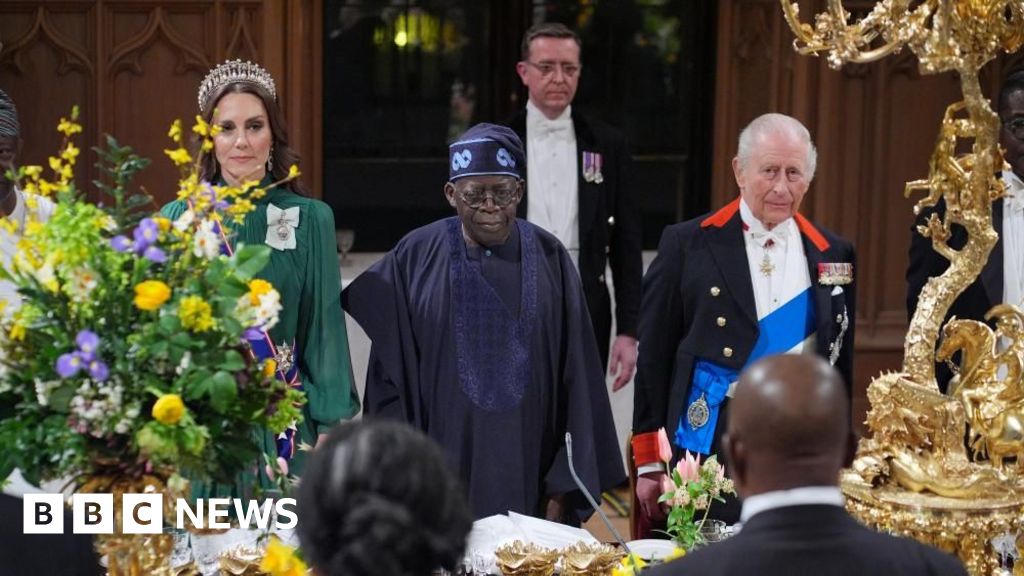
During a recent state banquet held at Windsor Castle, King Charles emphasized the importance of the strong partnership between the United Kingdom and Nigeria. This diplomatic gesture signals a renewed focus on fostering international alliances rooted in economic cooperation and shared values amidst a rapidly shifting geopolitical landscape. Such messages from the British monarchy underscore a broader strategy aimed at strengthening traditional ties in an era marked by disruptive global shifts.

Historically, Nigeria has been recognized as a central player in West Africa, with its burgeoning economy and strategic position making it a key partner for Western powers seeking to counterbalance increased influence from China and Russia. The UK’s diplomatic outreach, now openly celebrated with public ceremonies and high-level discourses, aims to bolster post-Brexit ties and counteract China’s expanding economic footprint in Africa. Analysts from the International Institute for Strategic Studies argue that this renewed diplomacy could serve as a blueprint for future Western engagement with Africa—emphasizing economic investment, security cooperation, and cultural ties.

The implications of this partnership extend beyond mere diplomacy. Nigeria’s rising economic influence combined with its youth demographic—over 60% under the age of 25—presents a critical arena for Western nations seeking to cultivate future markets, political alliances, and security frameworks. However, critics warn of the risks involved in such partnerships, particularly when concerns over governance, corruption, and regional instability remain unresolved. The United Nations and global watchdogs have pointed to the need for responsible engagement, cautioning that superficial alliances can overlook underlying issues that could destabilize the broader region—an outcome which could ripple across the continent.

International actors, including Heritage Foundation analysts and geopolitical strategists, highlight that the UK’s emphasis on Nigeria plays into a broader narrative of national resilience and diplomatic initiative. Decisions made today could redefine the future of UK-Africa relations; the way in which such alliances are managed will directly impact regional stability, investment security, and the socio-economic development of millions of Nigerians. As history continues to unfold, the world watches—aware that the threads of past colonial ties are interwoven with new economic ambitions, and that the stage is set for a new chapter in global power dynamics. The delicate balance of influence hangs precariously—yet the decisive moves taken now will resonate through generations, echoing in the corridors of power long after the current leaders have left the stage.

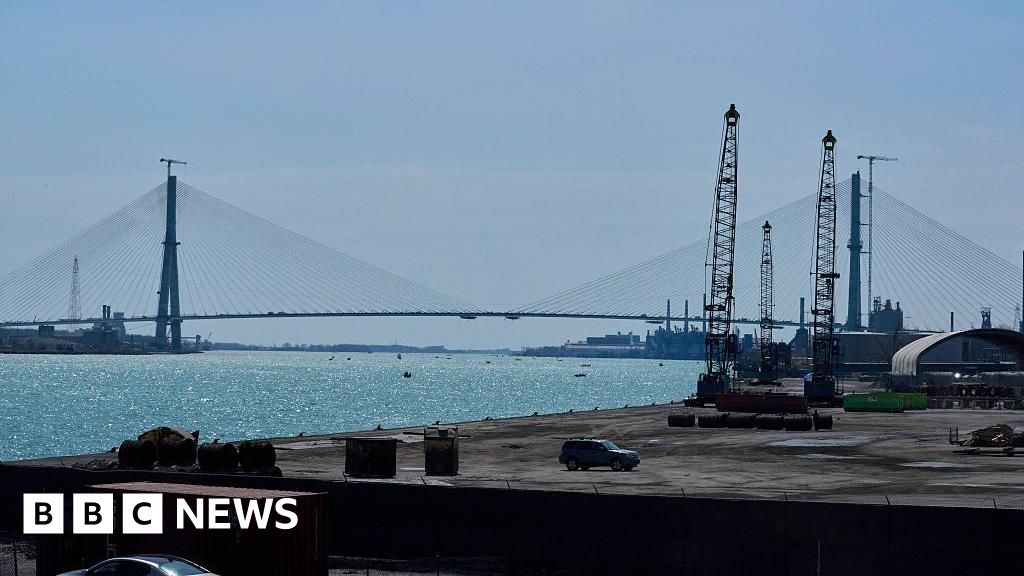
Trump warns: US-Canada bridge opening may be blocked

Former Michigan Governor Rick Snyder, a key figure during the initial stages of critical infrastructure negotiations, recently proclaimed in an op-ed published by the Detroit News that the current arrangements represent “a great deal for America.” His enthusiastic endorsement pinpoints a broader debate over the strategic value of infrastructure projects that transcend local borders to shape global geopolitical alignments. Snyder’s comments underscore a vital feature of this ongoing saga: how domestic decision-making in nations like the United States echoes far beyond their immediate precincts, influencing global alliances and regional stability.

The controversy revolves around a series of strategic hold-ups, often perceived as attempts to leverage infrastructure investments for political ends, which threaten to paralyze vital transportation links. Critics argue that these disruptions, whether deliberately orchestrated or a consequence of diplomatic friction, threaten international trade flows and regional cooperation. Analysts from institutions like the International Institute for Strategic Studies warn that such delays could embolden foreign powers to fill the leadership vacuum. For example, China’s expanding Belt and Road Initiative could actively capitalize on perceived American indecisiveness, further stretching geopolitical influence and contesting long-standing American economic interests.

Meanwhile, U.S. policymakers remain sharply divided on the right course of action. Some advocate maintaining strict negotiations rooted in national sovereignty, emphasizing the importance of protecting critical infrastructure from becoming tools of foreign influence. Conversely, proponents highlight the potential economic gains and strategic partnerships forged through open and resilient international cooperation. Historically, leaders like Rick Snyder have championed infrastructure investments as foundational for national security and economic vitality. Yet, as critics point out, the current global environment is marked by rising geopolitical tensions, resource competition, and territorial disputes that threaten the delicate balance of international stability.

Furthermore, international organizations such as the United Nations have begun issuing cautions, suggesting that continued disruptions could undermine the principles of free trade and collective security. As history demonstrates, when critical infrastructure becomes entangled in political disputes, the consequences often extend well beyond immediate economic losses, impacting the societal fabric of nations involved. The decisions made today—whether to facilitate collaboration or retreat into geopolitical blocs—will undeniably shape the trajectory of global power dynamics for decades to come. As the world watches these developments unfold, the weight of history looms ever larger, a reminder that choices made in this moment may well define the shape of international order for generations.

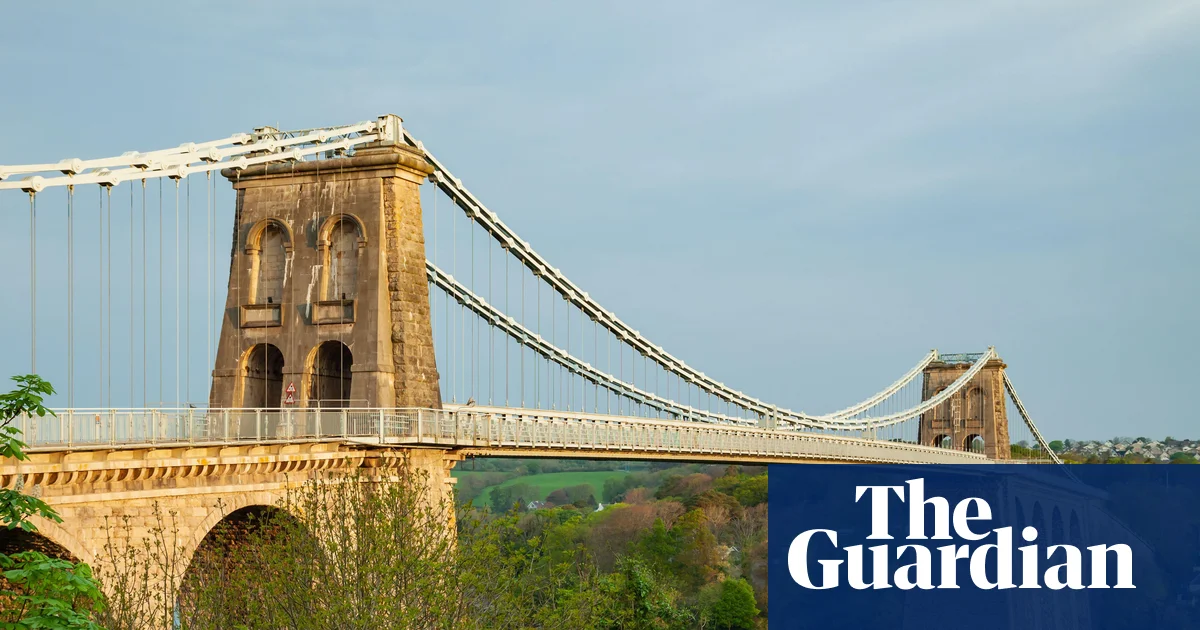
Anglesey’s Historic Bridge Turns 200—A Testament to Endurance and Heritage

As Britain marks the 200th anniversary of the Menai Bridge, it becomes clear that this historic marvel of engineering is more than just a physical structure—it embodies a pivotal era in geopolitical development and infrastructure innovation. Designed by the legendary Thomas Telford, the bridge revolutionized communication and trade links between Great Britain and Ireland. The celebration underscores the lasting influence of the bridge, which for two centuries has stood as a symbol of British ingenuity and resilience, despite ongoing structural challenges.

  • Constructed between 1819 and 1826 at a cost of British innovation, the Menai Bridge was the world’s first major suspension bridge, showcasing Telford’s mastery and setting a precedent for future global civil engineering projects.
  • Its completion marked the last piece in the London-Holyhead route, drastically reducing travel times and enhancing safety at a time when Ireland was increasingly integrated into economic and political life of the United Kingdom.
  • The bridge’s design incorporated meticulous measurement techniques—feats that engineers today highlight as pioneering—such as the use of hundreds of uniform iron cables with adjustable links, a process still admired by *international engineering communities*.

Yet, the age of the Menai Bridge has not come without strife. In recent years, safety concerns have surfaced amid reports of structural defects that threaten to impede vital traffic flow. The Welsh government announced additional repairs, with completion now scheduled for next February. Such decisions reflect a broader geopolitical dilemma: how to preserve Britain’s historical infrastructure amidst economic constraints and modern safety standards. Analysts warn that neglecting these structures could jeopardize not only local transport but also national prestige, as they are often perceived as symbols of a nation’s industrial might and cultural legacy. Historians, like Dr. Eleanor Smith, emphasize that “the ongoing effort to maintain Telford’s engineering masterpiece is a reminder that Britain’s infrastructure is a living heritage — one which must be actively protected to sustain its long-term influence.”

In the context of rising international tensions and shifting alliances, the maintenance of such iconic projects holds profound geopolitical significance. As European and global powers face new challenges—be it economic instability or strategic competition—the importance of resilient infrastructure becomes ever more pronounced. How nations choose to invest in and preserve their key symbols of progress directly affects societal stability and international perception. Meanwhile, the celebration of the bicentenary—featuring plaques, talks, and community events—serves as a reminder that history is continually being written. With experts optimistic about the bridge’s future, some argue that if properly cared for, it could endure for another two centuries—standing firm amidst a rapidly changing world.

Ultimately, the story of the Menai Bridge is a chapter in the ongoing narrative of human achievement and national identity. As the structures of the past face modern pressures, the saga of their preservation underscores a universal truth: the forces shaping our world are not only found in geopolitics or economics but are also embodied in the enduring symbols of our collective history. As we look toward an uncertain future, the looming question remains—will we honor this heritage and safeguard the bridges that connect us? Or will neglect consign them to the annals of history, leaving a generation to wonder about the legacy of bygone eras? The answer lies in how today’s decisions will echo through the ages, forging the path that future generations will follow—and perhaps, how they will look back at the resilience of structures like the Menai Bridge as monuments of societal perseverance and national pride.

Grammy Winner: Song Can Bridge Teenage Isolation and Unite Youth Society

Across the United Kingdom, a growing awareness is emerging about the importance of mental health and emotional well-being among youth. Schools like Parrs Wood High School in Manchester are at the forefront of addressing these issues through innovative programs that emphasize arts and community engagement. Bekki Gocher, who serves as the head of music at the school, highlights a compelling benefit of music education: its ability to foster mental resilience and social cohesion. Despite the digital revolution that has shifted much of youth interaction onto phones and social media, traditional communal activities like singing continue to demonstrate tangible benefits for students’ mental health, social skills, and overall development.

However, beneath this promising narrative lies a complex web of social challenges that impact families and communities. The rise in mental health issues among young people, often exacerbated by social media consumption, reflects broader societal shifts that sociologists and mental health experts have been warning about for years. According to social commentator Dr. Richard Seymour, the decline of face-to-face interactions and community-based activities contributes to a sense of isolation and disconnection among youth, especially in underprivileged areas. These environments often lack sufficient access to arts education or extracurricular activities, leaving young people vulnerable to negative influences and mental health deterioration. Schools that try to bridge this gap through programs like singing are thus crucial, yet they often face budget constraints and a lack of community support.

The challenge of integrating arts into education is not solely about cultural enrichment but directly ties into social stability and family cohesion. As historian Dr. Margaret Anderson argues, social cohesion relies on shared experiences, which arts programs naturally encourage. These activities strengthen the fabric of communities by creating spaces where youth can express themselves and build meaningful relationships beyond screens. Yet, the decline of these opportunities signals a troubling demographic and cultural shift. Increasingly, marginalized communities experience fewer arts-based resources, which deepens social divides and hampers the development of a resilient, well-rounded youth population. Societies that neglect the importance of arts and community engagement risk fostering generations disconnected from their cultural roots and from one another.

Looking forward, many social advocates emphasize

  • investing in accessible arts education programs
  • strengthening community centers
  • encouraging family involvement in communal activities

as essential steps to counteract these setbacks. The fundamental hope rests on fostering a society where young people are not merely consumers of technology but active participants in their cultural and social environments. As Dr. Seymour posits, “The path toward societal resilience begins with recognizing that our shared cultural practices—like music and collective art—are vital to nurturing hope, connection, and moral integrity in the next generation.” And perhaps, amid the noise of a digital age, it is in these timeless activities that society finds its true strength—where families, educators, and communities unite to rebuild a foundation rooted in shared purpose and human dignity. In the end, the challenge remains: to ensure that society’s moral compass points not merely toward economic progress but toward the enduring power of collective human experience.

Hexham Hayden Bridge High Students Walk Out Over Bad Behavior

Strikes at Haydon Bridge High School Expose Broader Social Tensions in Education

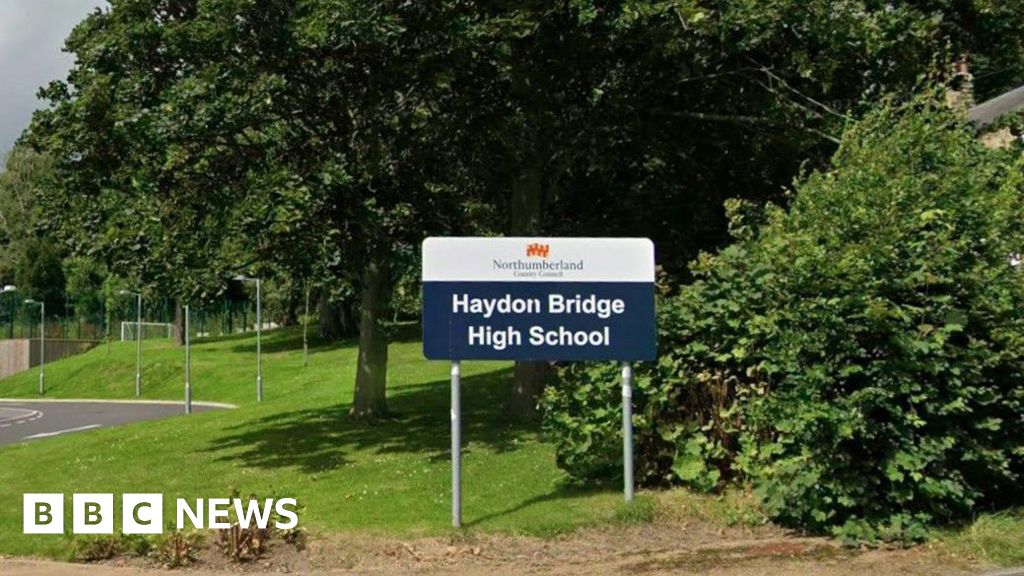
In Northumberland, teachers and support staff at Haydon Bridge High School are preparing to walk out on two days—November 19 and 25—in a move driven by unresolved issues surrounding disruptive student behaviour and perceived management failures. This industrial action highlights a critical challenge facing many schools nationwide: how social issues directly impact families, education, and community stability. As union representatives from the National Education Union (NEU) and NASUWT rally behind their members, concerns over high suspension levels and an ongoing struggle to maintain safe, productive learning environments have come to the forefront. Headteacher David Nisbet emphasizes that “it is important that the education of the young people we serve is not disrupted by industrial action,” underscoring the delicate balance educators try to maintain amid rising tensions.

Yet, beneath these immediate disputes lies a deeper societal narrative—a demographic and cultural shift impacting school communities, family dynamics, and moral expectations. According to recent Ofsted reports, Haydon Bridge High School, like many institutions across the country, faces challenges stemming from a minority of pupils exhibiting persistent disruptive behaviour, which has led to “high levels of suspension.” The school’s leadership admits that resources are limited, and behavior management remains an ongoing struggle. Sociologists such as Peter Smith have observed that when students face social and economic hardships—factors often linked to broader issues like poverty and family instability—schools become battlegrounds where the societal fabric is stretched thin. The unions’ repeated calls for a “comprehensive behaviour management policy” reveal a demand not only for order inside classrooms but also for the social support systems that underpin community well-being.

This ongoing crisis underscores the real-world consequences for families and communities. Disruptions in education ripple outward, affecting parental engagement, community cohesion, and the future prospects of young people. When schools are forced to suspend students frequently or struggle with safety, it diminishes the confidence families have in their local institutions. Moreover, the challenge emphasizes the importance of fostering an environment where moral and ethical standards are reinforced, and every child is supported in overcoming personal adversities. As historian Dr. James Miller points out, society’s moral health is reflected in how well schools can serve as safe havens for development, especially amid a landscape increasingly marred by social tensions.

  • Union representatives have repeatedly raised alarms about pupil behaviour and its impact on safety, teaching quality, and overall school climate.
  • The school has made recent strides in improving teaching and attendance but continues to grapple with behavioral issues.
  • Government and local authorities are involved, aiming to find solutions before the situation deteriorates further.

As the debate continues, the broader societal narrative remains clear: the stability of our educational institutions reflects the strength of our communities and their moral fiber. The ongoing tensions at Haydon Bridge serve as a microcosm of a society at a crossroads—whether it will resolve its social divides through investment, moral leadership, and community engagement, or succumb to a cycle of disillusionment and disorder. As society stands at this juncture, hope persists in the conviction that through collective effort and moral clarity, the fabric of community life can be mended—restoring a sense of purpose, safety, and hope for future generations. In this delicate dance, the challenge is not only in managing behaviour but in nurturing the moral backbone necessary for society’s resilience and renewal.

Social Media Auto Publish Powered By : XYZScripts.com