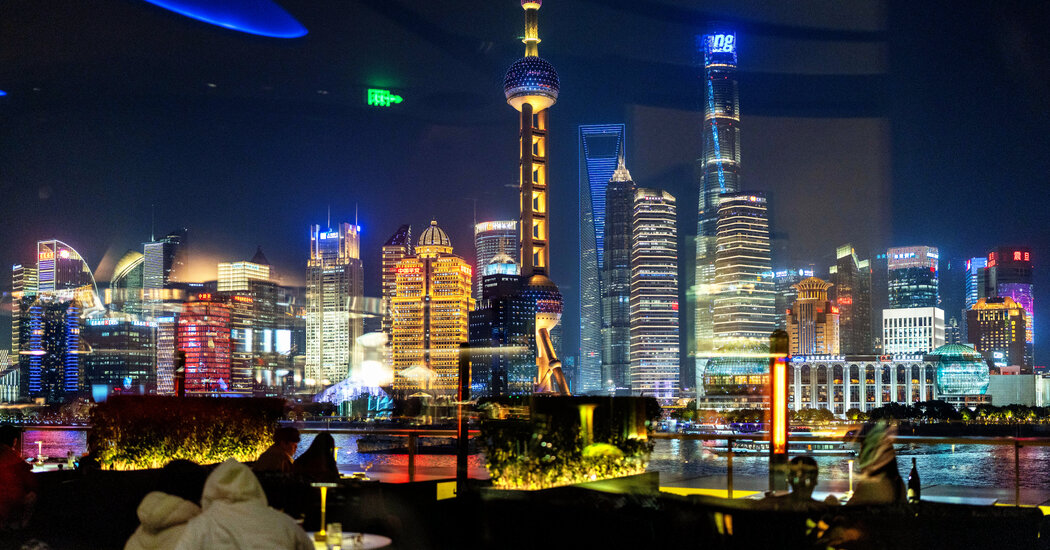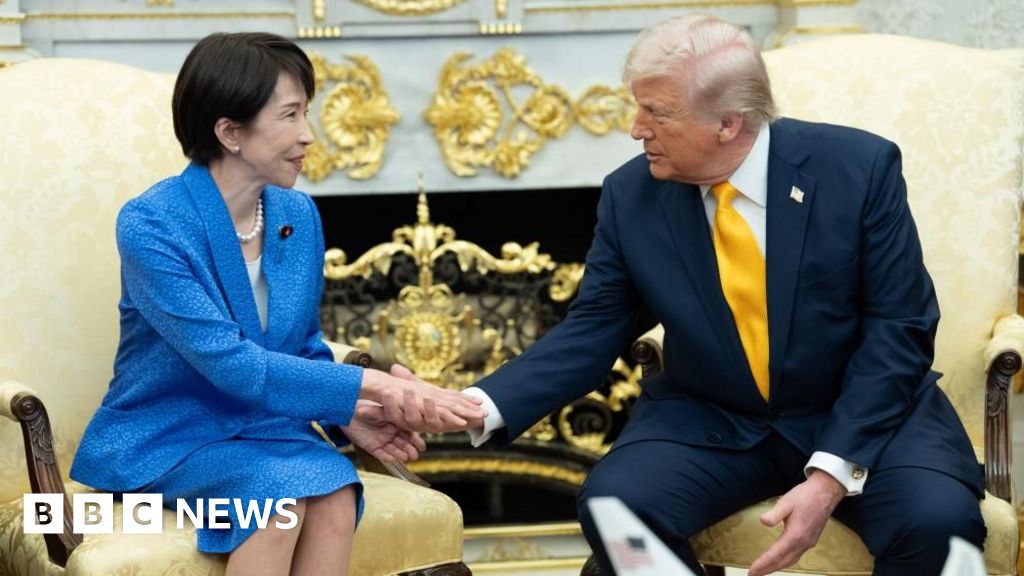

As the 21st century continues to unfold, the world witnesses a tectonic shift in geopolitical balance that could redefine international power dynamics. China and Russia are consolidating influence across Eurasia, challenging the remnants of Western dominance, while U.S. policymakers grapple with domestic upheavals that threaten to undermine their global standing. Recent events demonstrate how internal political strife and decisions within the United States may have repercussions extending far beyond its borders, affecting alliances, economic stability, and regional security.
In recent weeks, European nations have faced increasing pressure from both China and Russia to shift away from traditional alliances. Historically, NATO has been the backbone of Western security, but cracks are appearing. Analysts from the International Institute for Strategic Studies warn that the U.S. internal divisions over foreign policy could embolden adversarial powers. The ongoing political chaos surrounding issues like corruption, executive authority, and judicial accountability indicates a leadership crisis that diminishes America’s leverage in international negotiations, thereby creating a vacuum that other powers are eager to fill.
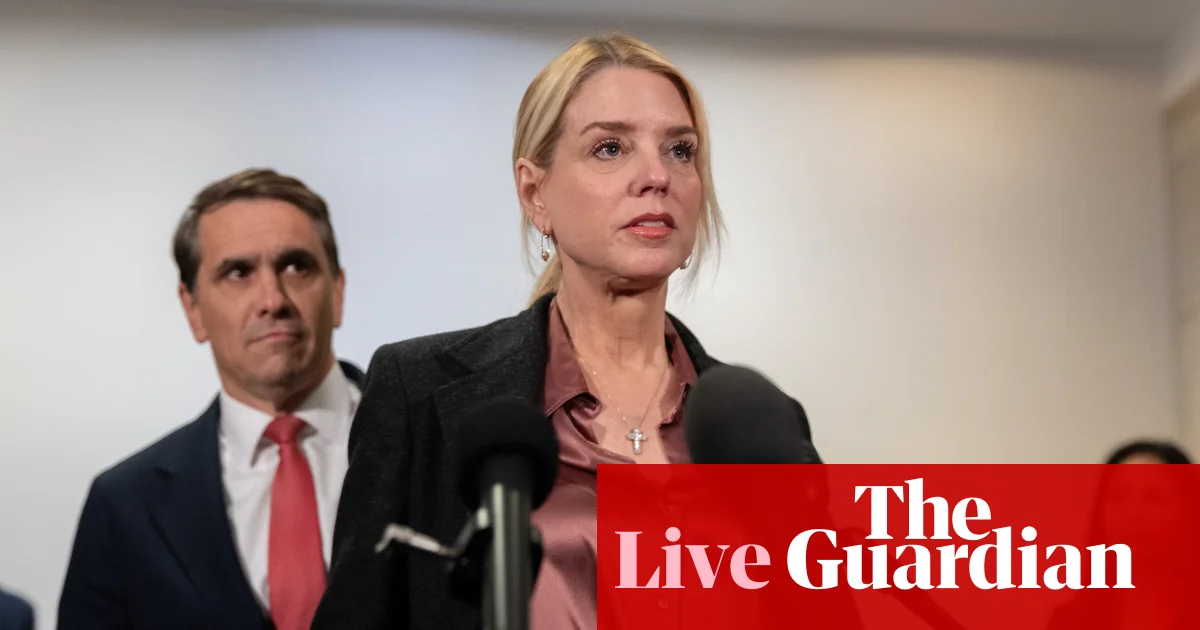
Within the United States, the recent tumult involving the Department of Justice and the impeachment efforts against Attorney General Pam Bondi illustrate a domestic political climate increasingly hostile to transparency. Democratic lawmakers, furious over what they describe as a “fake hearing” regarding the Epstein investigation, have escalated efforts to impeach Bondi after she refused to testify under oath about the federal files. The fallout exposes a broader fissure across the American political landscape, with bipartisan frustration erupting into accusations of obstruction and cover-ups. The unfolding drama underscores how internal conflicts—amplified by partisan mistrust—can weaken America’s moral authority on the global stage, where perceptions of justice and stability are paramount.
Classified by many political commentators as more than mere partisan disputes, these events threaten to keep the U.S. mired in self-inflicted divisions while other nations forge their paths ahead. The United Nations and other institutions observe with concern that America’s waning dominance could accelerate a multipolar world order, where emerging powers set their own terms. As historians warn, such as Dr. Laura Schmidt of Harvard, this internal chaos at a pivotal moment could set a precedent — fostering skepticism about American leadership globally, with long-term consequences for democracy and security worldwide.
In the shadows of these confrontations and shifting alliances, history continues to be written in real time. The weight of each decision, each controversy, and each diplomatic shift bears heavily on the future geopolitical landscape. What remains clear is that the internal struggles of the American political system not only threaten to diminish its influence but also transform the global order into a fragile mosaic of competing centers of power. As nations respond to America’s retreat or internal discord, the unfolding narrative remains a stark reminder: history is relentless in its march, and the next chapters are yet to be written, with the very fabric of our interconnected world hanging in the balance.