
Matox News

Truth Over Trends, always!

Brit Awards 2026: The True Voices and Lessons of the Night

Recent events at the Brit Awards serve not merely as entertainment but as a mirror reflecting the evolving contours of contemporary culture. From Harry Styles making a fashion statement with his daring trousers to Jade’s candid confession on the red carpet, these moments encapsulate a broader dialogue about identity, tradition, and the societal narratives that shape us. Such instances underscore how culture remains inseparable from our sense of self—an ever-changing vessel that absorbs history while gestating its future.

Fashion, once confined within rigid boundaries, now emerges as a form of cultural rebellion, a way for the young, especially, to assert their sovereignty over identity. When Harry Styles defies conventional masculinity in his attire, he echoes a tradition of iconoclasts who challenged societal norms—an act reminiscent of the Romantic rebels and even tracing roots to the dandy movement. Such expressions embody a power that Ortega y Gasset might describe as the individual’s need to forge a cultural individuality, asserting that personal authenticity is a vital counterpoint to collectivist conformity. Here, fashion becomes more than aesthetics; it is a philosophical statement about the freedom of self-expression.

Meanwhile, Jade’s confession on the red carpet illuminates the ongoing tension between public performance and genuine identity, a dynamic that reaches back into the cultural fabric of modern society. In a moment of vulnerability, she exposes the often hidden struggles beneath the surface of fame, mirroring the ideas of Tocqueville on the societal importance of authentic civil discourse. Today’s stars, unfiltered and real, serve as cultural icons—mirroring society’s complex relationship with truth, authenticity, and the longing for meaning beyond superficial appearances. Their candor amplifies a collective desire to reconnect with a sense of genuine human experience in an age inundated with artificiality.

At the heart of this cultural tapestry lies the recognition that art, fashion, and public discourse function as vital expressions of societal values—touchstones that reflect our shared history and the aspirations we hold for the future. As Chesterton once observed, “Art, like morality, consists of drawing the line somewhere,” underscoring how the boundaries of taste and tradition anchor society. Yet, these boundaries are also dynamic, crafted by generations who see culture as both a conservative inheritance and a creative force. Today’s broadcasts and red carpets act as stages where this ongoing negotiation unfolds, as the youthful generation seeks to redefine the cultural narrative while remaining rooted in the stories of their ancestors.

Ultimately, culture is both our memory and our prophecy: the ongoing dialogue between what was and what shall be. The fleeting moments at the Brit Awards—be they provocative fashion choices or candid revelations—serve as reminders that the fabric of society is woven through the threads of tradition and innovation alike. As T.S. Eliot suggested, “Another side of every truth is a lie,” hinting at the intricate dance between what we uphold and what we challenge. In this dance, culture remains the steady conductor—mysterious and eternal—guiding humanity through its continual renewal towards both remembrance and aspiration, forging a future illuminated by the flame of our collective memory and prophetic hope.
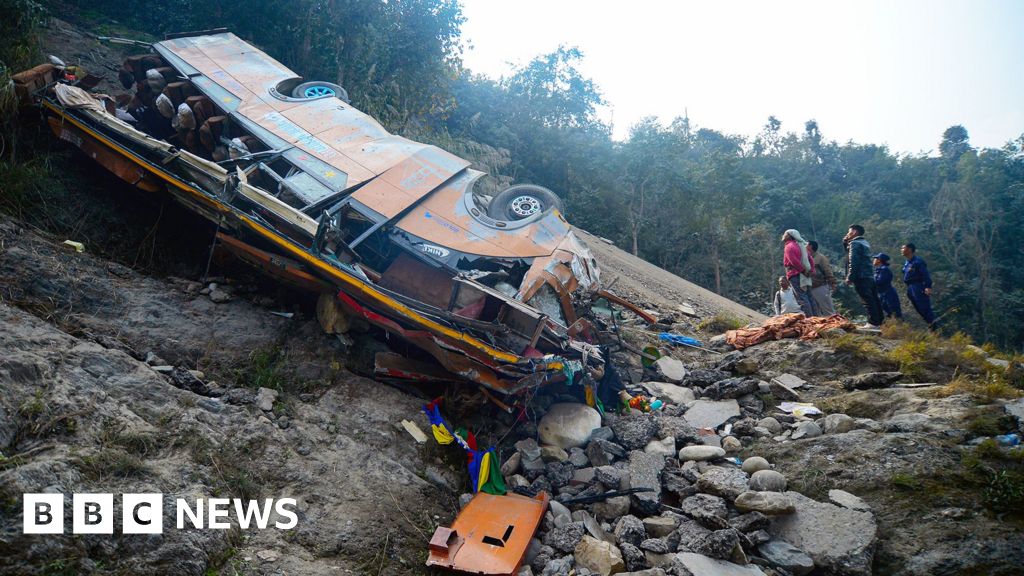
Brit teen among 19 dead in Nepal bus tragedy

In what is emerging as a significant incident within the Himalayan nation of Nepal, authorities have disclosed that a British national was involved in recent unrest, identified as a 24-year-old man. While details remain under investigation, this development underscores the growing complexities of international involvement in Nepal’s fragile security landscape, as well as broader geopolitical sensitivities in South Asia. As Nepal navigates its path amid regional tensions and internal challenges, the presence of foreign nationals caught in such incidents raises questions about foreign influence and security protocols in this strategically crucial country.

The incident comes at a time when Nepal is closely scrutinized by major international players, especially in the context of its relationships with neighboring India and China. Analysts point to Nepal’s dual pursuit of balanced diplomacy in a region marked by strategic rivalry, with international organizations like the United Nations urging caution and stability. The involvement of a foreign citizen has sparked concerns about potential foreign interference, especially given the country’s geopolitical importance as a buffer state between two rising superpowers. The Nepalese government’s response will be pivotal in maintaining national sovereignty while managing external pressures that threaten to destabilize a nation still recovering from decades of internal political upheaval.

International political analysts emphasize the symbolic weight of such incidents in shifting perceptions about Nepal’s security environment. According to seasoned scholars, this particular event highlights how foreign nationals can inadvertently become pawns or catalysts in larger geopolitical chess games. Furthermore, reports from leading agencies suggest that incidents involving foreign citizens often serve as flashpoints for diplomatic standoffs or policy recalibrations, with repercussions felt across diplomatic corridors in Kathmandu and beyond. The United Kingdom, in particular, has expressed concern over the safety and treatment of its nationals, urging Nepal authorities to conduct thorough investigations while reaffirming their commitment to international cooperation.

  • The Nepalese police have released limited information, confirming that the individual was a 24-year-old British citizen, whose motives and background are under review.
  • Diplomatic channels are activated, with the British embassy monitoring the situation and engaging with local authorities.
  • International observers underscore the importance of transparent investigations to prevent escalation or the misconception of hostile intent.
  • Experts warn that unresolved incidents like these could undermine Nepal’s fragile political consensus and regional stability.

As Nepal stands at this critical juncture, history reminds us of the profound weight such seemingly isolated events can carry. The decision of how to handle this incident—whether through diplomatic finesse, robust security measures, or international cooperation—will resonate far beyond its borders, influencing regional alliances, foreign policy, and domestic stability. The stakes are high, and the trajectory of Nepal’s future remains woven into the larger narrative of geopolitical competition and security. This unfolding chapter leaves the world to watch nervously, as the delicate fabric of Himalayan peace is tested once again, revealing that in the theater of international relations, today’s incident could very well be tomorrow’s defining moment.”

Social Media Auto Publish Powered By : XYZScripts.com



