Matox News

Truth Over Trends, always!

‘A New Normal’: Inquiry Reveals How Covid Reshaped British Society for Good

The conclusion of the Covid-19 inquiry signifies more than a formal end to government investigations; it serves as a stark mirror reflecting the profound societal wounds inflicted by a global crisis. For nearly three years, this inquiry has dissected myriad facets of pandemic management, revealing unsettling truths about how social issues have reshaped families, challenged institutions, and strained communities. At the heart of these revelations lies a grim depiction of a nation grappling with the aftermath, where mental health crises, social neglect, and systemic vulnerabilities threaten to fracture the social fabric.

One of the most troubling findings relates to the surge in mental health issues among the young. Experts testified that during lockdowns, the demand for mental health services spiked dramatically, with many previously unaffected individuals seeking help from charities such as Mind. Due to the abrupt shutdown of statutory services, families witnessed loved ones, particularly children and teenagers, descend into distress, marked by increased rates of self-harm, eating disorders, and suicidal ideation. Social commentator Dr. Sarah Hughes emphasized that the relentless media coverage and a pervasive sense of crisis left young minds in a state of constant anxiety, disrupting their ability to grieve and process loss. The trauma of being unable to hold proper funerals during this time has left a legacy of complex grief, one that community and mental health institutions are still ill-equipped to address adequately.

Meanwhile, the public’s attitude towards essential workers deteriorated under the weight of pandemic stress. As the inquiry highlighted, many key workers faced verbal abuse, intimidation, and dehumanization while enforcing social distancing and health regulations. Transport workers, cleaners, and healthcare staff bore the brunt of a society riddled with frustration and fear, often becoming targets of violence and threats, exemplified by the tragic case of Belly Mujinga, a railway worker who succumbed to Covid after being spat at on duty. These incidents underscore a broader social malaise—an erosion of mutual respect and recognition for those who kept society afloat during its darkest hours. Labour union leaders have argued that this normalization of hostility has long-term implications for community cohesion, further alienating those who serve as the backbone of our daily lives.

The crisis also cast light on critical failings within the housing and social support systems. Governments swiftly responded with the Everyone In initiative, temporarily housing rough sleepers in hotels to mitigate health risks. However, the long-term consequences have been troubling: the normalization of temporary accommodations as an acceptable form of housing. As the social housing sector grapples with these new realities, experts warn that this approach undermines stability for vulnerable populations and exacerbates mental health crises. Shelters and charities report an increase in severe psychological distress, with staff untrained to handle such complexities, raising important questions about the structural weaknesses in our social safety net. This calls for an urgent reassessment of emergency planning, emphasizing the need for resilient, humane models of support that prioritize long-term stability over short-term fixes.

Most poignant are the stories of disabled individuals caught in a vacuum of support and safety. Evidence from the inquiry shows that the withdrawal of social care services and ongoing fears of infection have left many disabled persons isolated and vulnerable. Experts have documented cases where high anxiety, compounded by the loss of trusted routines and healthcare, resulted in tragic outcomes—such as young women turning to harmful coping mechanisms like self-harm with bleach. These narratives exemplify how a society’s moral fabric is tested when it leaves its most vulnerable behind, often devaluing their existence with dismissive messaging about “underlying conditions” and mortality statistics. As Professor Nick Watson from Glasgow University pointed out, the erosion of trust and sense of safety is a wound that will take years to heal, demanding a societal reckoning about how we care for those who depend on our collective compassion.

Reflecting on the enduring scars of the pandemic reveals a society at crossroads: one where social cohesion, moral responsibility, and community resilience must be rewoven with intention and care. It is a challenge for communities to confront uncomfortable truths—about neglect, stigma, and systemic fragility—and to forge a future rooted in dignity and respect for all. The hope of renewal lies in recognizing these social lessons not as failures but as catalysts for meaningful transformation—an acknowledgment that society’s true strength resides in its unwavering commitment to nurture and protect its most fragile members.
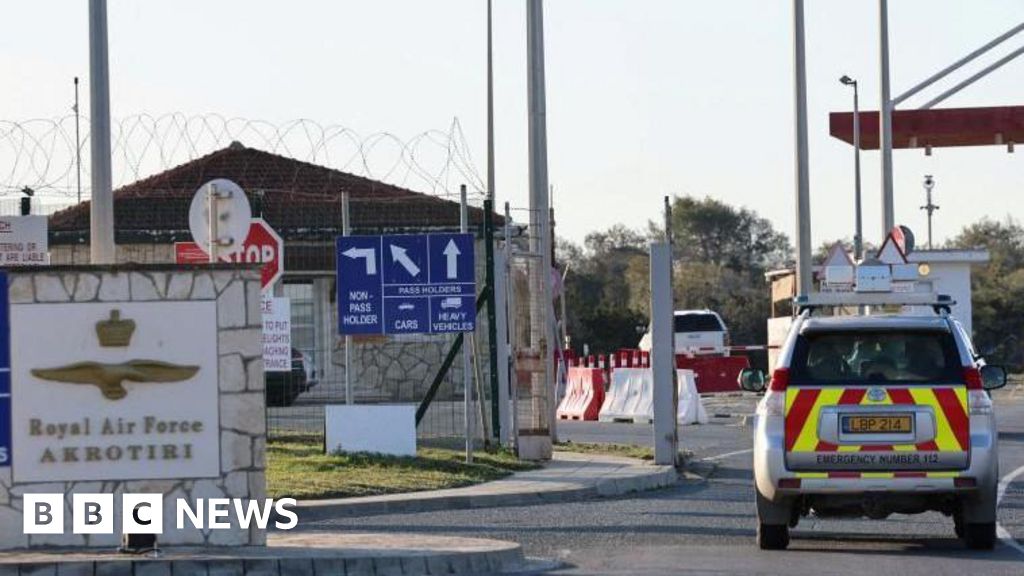
European Allies Mobilize to Strengthen Cyprus Defenses After Drone Attacks on British Base

The recent escalation involving Cyprus and the accusations against the Iran-backed group Hezbollah mark a concerning shift in regional stability. The Cypriot government suspects that Hezbollah was responsible for a targeted attack on the United Kingdom’s RAF Akrotiri base, a critical strategic point in the eastern Mediterranean. This incident underscores the increasing reach of Iran-backed factions across the Middle East and their potential to influence international security far beyond their traditional spheres of influence.

As tensions mount, analysts emphasize the geopolitical significance of this development. The RAF Akrotiri base, a key outpost for British and allied operations, plays a pivotal role in overseeing the volatile Middle East and maintaining NATO interests in the region. The suspicion that Hezbollah, influenced by Iran’s regional ambitions, would target such a strategic asset indicates a troubling willingness to challenge Western military presence. Historically, Hezbollah’s involvement in conflicts across Lebanon and Syria has been closely monitored by international intelligence agencies as part of Iran’s broader strategy to counterbalance U.S. and Western influence.

In response, international organizations and regional powers are calling for restraint while carefully analyzing the incidents’ implications. The United Kingdom has condemned the attack, warning of serious repercussions should evidence confirm Hezbollah’s involvement. Meanwhile, the United States and its allies underscore the importance of responding decisively to prevent further destabilization. Many experts, including regional security analysts, believe this event could serve as a catalyst for renewed debates on Iran’s regional strategy and the effectiveness of international sanctions intended to curb its influence. Some warn that failure to address these provocations could embolden terrorist groups and escalate conflicts that threaten not just the eastern Mediterranean but global stability.

Ultimately, the situation remains fluid, with each decision carrying profound consequences for nations and societies. The attack at RAF Akrotiri symbolizes a troubling moment in the ongoing struggle for influence in the Middle East, revealing the fragile balance of power and the potential for small incidents to ignite larger conflicts. As historians and analysts observe from afar, the eyes of the world remain fixed on Cyprus — a seemingly distant but critically significant flashpoint. With every passing moment, the course of history continues to unfold, threatening to reshape alliances and redefine the security landscape in ways yet unseen. The next chapter in this unfolding drama will determine whether diplomacy prevails or if this incident signals a deeper, more dangerous confrontation.

British teen loses life in fresh Alps avalanche—another tragedy hits the mountains

Fatal Avalanche Incidents in French Alps Signal Broader Geopolitical Shifts

Recent tragedies in the French Alps—where three British nationals and a Polish citizen lost their lives in separate avalanches—have cast a stark light on the growing risks and international implications stemming from climatic shifts and regional stability. The deadly incidents occurred in the rugged terrains near La Grave and Val d’Isère, with authorities confirming that high avalanche risks prompted warnings from Meteo-France amid warming temperatures. While ostensibly local tragedies, these events underscore an important and often-overlooked dimension of today’s global climate and geopolitical landscape.

Experts and analysts are increasingly warning that the rising frequency and severity of such natural disasters serve as a predictable consequence of climate change, which has been fueled by ongoing geopolitical tensions and environmental neglect. The British Foreign Office has publicly supported the families of those who perished, illustrating the international repercussions and diplomatic concerns triggered by these incidents. Yet beneath the surface, these avalanches are emblematic of a larger threat—how environmental vulnerabilities threaten the stability of nations and the safety of travelers in regions often considered recreational sanctuaries. As the United Nations and various climate watchdogs highlight the persistent risks, there is an urgent call for nations to adopt more resilient and coordinated responses.

Regional Instability and the Broader Geopolitical Impact

The incidents come at a time when Europe faces multifaceted security and economic challenges, including the ongoing repercussions of the Ukraine conflict and rising energy tensions. The Alps, a vital geographical corridor spanning multiple nations, has historically been a neutral zone for diplomacy and trade. However, recent climate-related disturbances threaten to destabilize regional cooperation, especially as nations scramble for resources, security, and resilience. European nations are increasingly concerned about environmental disasters exacerbating political fractures, with some analysts warning that climate-induced catastrophes could become catalysts for broader destabilization.

Within this context, international institutions such as the European Union and NATO are under pressure to formulate comprehensive strategies addressing climate vulnerabilities, including disaster preparedness and cross-border rescue cooperation. As noted by geopolitical strategist Dr. Martin Hughes, “these natural events are more than isolated accidents—they are symptoms of a world where environmental sustainability and national security are inextricably linked.” The current avalanches serve as a painful reminder that climate resilience isn’t just an environmental issue, but a fundamental aspect of national stability and international diplomacy.

How Nations and Societies Are Affected

The violence of nature forces societies to grapple with loss, economic strain, and the complex task of safeguarding their citizens. The United Kingdom, through its Foreign Office, has emphasized support for the families of victims, yet the incidents also raise questions about how effectively nations are preparing for environmental disasters that threaten tourism, infrastructure, and public safety. With high-risk warnings remaining in effect and seasonal thawing expected to intensify, the danger persists. As climate events continue to escalate, societies face the challenge of balancing economic reliance on alpine tourism with the urgent need for safety and environmental stewardship.

In the words of international environmental analysts, “This is a societal wake-up call—climate change is no longer a distant threat but an immediate crisis impacting human lives and international stability.” How governments respond in the coming months will shape regional relations and the credibility of their commitments to environmental preservation and disaster management. The events in French Alps are not isolated; they are part of a pattern that demands urgent global attention and action, lest history record a time when humanity watched helplessly as natural calamities tore through the fabric of society, leaving devastation in their wake.

Conclusion: The Unfolding Saga of Earth and Power

As the echoes of mountain avalanches fade into memory, they linger as a grim reminder that the interplay of environmental and geopolitical forces is accelerating with unprecedented ferocity. The tragedies in the French Alps embody a broader narrative—one of a world at the mercy of forces both natural and man-made, where borders and alliances are tested by the changing climate and shifting global power dynamics. The coming chapters of this unfolding story will be written by decisions made today: choices that could either mitigate catastrophe or deepen the divide. The weight of history presses down, heavy with the realization that, in our pursuit of prosperity and dominance, we have often overlooked the fragile forces that sustain life on Earth—forces that, if left unchecked, threaten to rewrite the boundaries of land, power, and human destiny.

Undercover Cop Stops IS Plot to Kill British Jews – Podcast

In a stark reminder of the ongoing threat posed by radical extremism within Western societies, the recent convictions in Great Britain have underscored the persistent danger of homegrown terrorism. Walid Saadaoui, a man with a seemingly ordinary background—once a holiday entertainer in Tunisia before relocating to the UK—harbored a deadly secret: allegiance to Islamic State. His story, now publicly condemned, exemplifies how deceptive appearances can mask dangerous intentions, challenging policymakers and security agencies alike to adapt to evolving threats.

Saadaoui, alongside accomplice Amar Hussein, was sentenced to life imprisonment after authorities uncovered a well-coordinated plot to attack Greater Manchester’s Jewish community—a demographic historically targeted by extremist factions. The plot reveals the deep layers of ISIS’s clandestine operations penetrating Western neighborhoods and exploiting communities’ vulnerabilities. An undercover police officer, known by the codename ‘Farouk’, was embedded within their network—an operation exposing the delicate and dangerous balance between civil liberties and security efforts.

Analysts from various international think tanks highlight that the geopolitical ramifications of such conspiracies extend beyond national borders. Britain, as a cornerstone of the Western alliance, faces pressure to toughen counter-terrorism strategies while grappling with questions about integration and community resilience. These trials have sparked debates about how societal divisions and radicalization enable extremist ideologies to take root even in multicultural strongholds. The conviction of Saadaoui’s brother, Bilel Saadaoui, for failing to disclose critical information, underscores the complex web of supposition and betrayal that often accompanies these plots, serving as a stark warning that extremist networks operate on multiple levels of concealment and complicity.

International institutions and security analysts warn that the fight against radical extremism is far from over. The case echoes a broader pattern identified by experts from organizations such as Interpol and Europol, which emphasize persistent threats on domestic frontiers fueled by social alienation and geopolitical conflicts elsewhere. As histories from the Middle East and North Africa continue to influence European security landscapes, the question remains: how long can nations withstand the rising tide of ideological warfare? With each thwarted attack, history inches forward, yet the risk of a devastating strike persists—an ominous reminder that in the battle for societal stability, the threats lurking in shadows are often hardest to detect, and the cost of complacency can be measured in bloodshed.

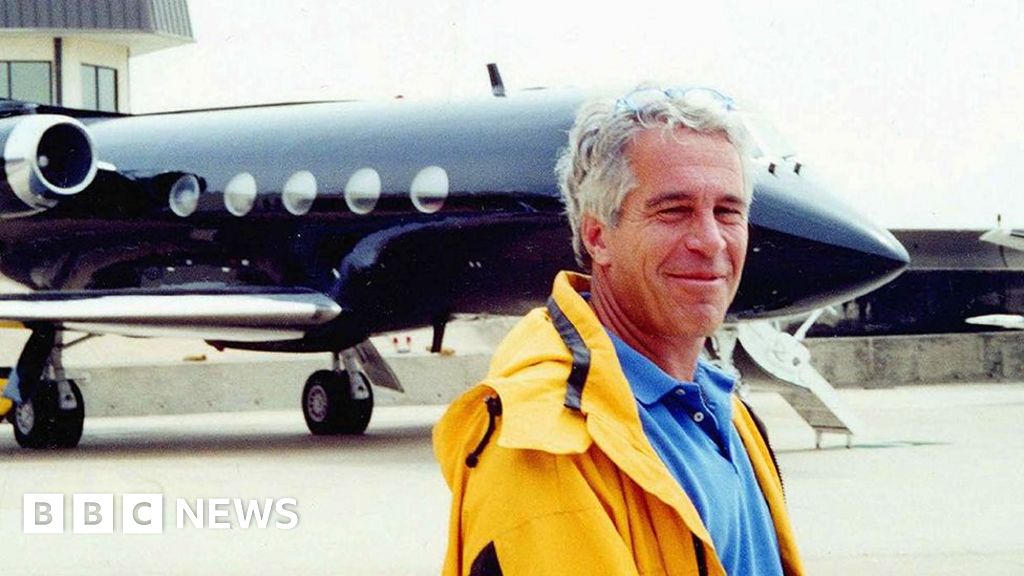
BBC reveals Epstein’s UK flights included alleged British abuse victims—justice must be served.

In a development that underscores the persistent shadows cast by Jeffrey Epstein‘s murky international activities, a BBC investigation has revealed over 87 flights linked to the disgraced sex offender arriving in and departing from UK airports spanning nearly three decades. These revelations expose the shocking extent of Epstein’s entanglement with Britain, exposing how a man convicted of soliciting sex from minors was able to traverse borders with apparent impunity—raising serious questions about the integrity of international oversight and the efficacy of UK immigration policies.

Despite Epstein’s death in 2019, the emerging flight logs and documents suggest a disturbing pattern of ongoing activity well after his 2008 conviction. The fact that at least 15 flights occurred after the conviction, when Epstein was registered as a sex offender in the US, signifies glaring lapses in border security and potentially, a network of enablers within Britain. American lawyers representing his victims have criticized UK authorities for failing to launch a comprehensive investigation, emphasizing that the UK was a “centerpiece” of his operations. Analysts warn that this oversight not only hampers justice for victims but also signals a broader failure to recognize the danger posed by international traffickers—an issue the US and Britain must confront collectively, lest similar tragedies occur in the shadows again.

Furthermore, the involvement of British women in Epstein’s flights, including testimonies from survivors like Kate, exposes the depth of complicity that could have been overlooked or deliberately ignored. According to legal experts like Prof Bridgette Carr, trafficking cases often involve complex networks of professionals—from accountants to legal advisors—working in concert to facilitate these heinous crimes. The inability or unwillingness of UK police to pursue further inquiries, despite internal reviews, underscores a critical failure in safeguarding vulnerable populations. As historians and critics argue, these missed opportunities for justice could be remembered as one of Britain’s darker chapters—an era when the machinery of justice failed its victims, allowing predators to operate across borders with little accountability.

The geopolitical impact of Epstein’s UK connections extends beyond crime. It raises profound concerns about how international decisions influence societal fabric. Epstein’s trips to royal residences, and his frequent movements through London’s Heathrow and other airports, reveal the vulnerabilities in border policies—especially when short-term visa rules allowed US citizens with criminal convictions to slip under the radar. The U.S. authorities’ refusal to declassify Epstein-related files, despite the Jeffrey Epstein Transparency Act deadline, fuels suspicion that powerful interests may have concealed—either purposefully or inadvertently—links between Epstein and influential global figures. These revelations threaten to tarnish foreign relations, undermining Britain’s claim to moral authority on human rights and prosecution of sex crimes.

As the international community watches, the questions remain: who else was complicit? How many victims’ voices have been silenced by bureaucratic apathy or international diplomatic complicity? The unfolding story is not just about a single pervert’s depravity but a warning—an ominous reminder that the fabric of justice and sovereignty is fragile, especially when overshadowed by influence peddling and diplomatic interference. The tapestries of history are still being woven, and the next chapter remains unwritten. Will protocol and vigilance finally catch up with the dark corners of prescriptive diplomacy, or will the shadows of Epstein’s empire continue to cast a pall over global society, leaving generations to wonder what might have been saved, had they acted sooner?

British Ex-Soldier Detained Over 2012 Kenyan Woman’s Death

British Army Faces International Scrutiny as Extradition of Former Soldier Unfolds

The recent arrest and impending extradition of Robert James Purkiss, a former British soldier, to Kenya in connection with the 2012 murder of 21-year-old Agnes Wanjiru, have reignited debates surrounding accountability, justice, and the geopolitical implications of military conduct abroad. Detained in Wiltshire, Purkiss’s case epitomizes a long-standing struggle for justice by the victim’s family and the broader Kenyan community, questioning the effectiveness of British military oversight in overseas conflicts and the accountability structures of former colonial powers.

According to the National Crime Agency (NCA), Purkiss’s arrest followed a warrant issued in September, as Kenya rigorously pushes for justice decades after the tragic incident near a British army training camp in Nanyuki. Details reveal a disturbing pattern linking British soldiers to misconduct and unresolved crimes, a concern that has led Kenyan authorities yet again to demand international cooperation. This case, underscored by the victim’s family’s assertions of deliberate cover-ups, underscores how the intersections of military presence and local communities can lead to deep-seated trust issues and wider geopolitical consequences.

Historical and Political Contexts Shape the Case

  • The 2018 inquest concluded that Ms. Wanjiru had been unlawfully killed by British soldiers, with subsequent investigations revealing possible confessions from soldiers and alleged cover-ups. Such findings highlight ongoing questions about military accountability in overseas operations.
  • In 2021, a Sunday Times investigation reported a British soldier’s confession to colleagues regarding the killing, resulting in further controversy over the army’s internal discipline and transparency.
  • In response, the British army announced in 2024 it was conducting an internal review into its conduct in Kenya, uncovering at least 35 suspected cases of sexual exploitation, including after the army’s official ban on such conduct in 2022. This move signals an effort to address past abuses, but critics argue it raises questions about how those investigations are coordinated with international justice systems.

International organizations and analysts have warned that unresolved cases like these threaten to undermine Britain’s global reputation and complicate diplomatic ties with African nations. Critics argue that colonial-era attitudes and reluctance to confront past misconduct fuel a culture of impunity, emboldening further abuses. Historians such as Orlando Patterson and organizations like Human Rights Watch suggest that justice for victims, whether in London, Nairobi, or elsewhere, depends heavily on proactive accountability and transparency—premises that remain sorely tested in this case.

Geopolitical Impact and Societal Consequences

The decision to extradite Purkiss carries significant geopolitical impact. For Kenya, this symbolizes a potential shift toward greater judicial sovereignty, asserting that former colonial powers must confront their past misdeeds in new and tangible ways. For Britain, it highlights the challenge of reconciling its historical military presence with contemporary standards of justice and accountability, especially in fragile post-colonial contexts.

This case exemplifies the larger struggle for post-colonial nations to reclaim agency over their histories and seek justice for victims of past abuses. As Kenyan officials press for the suspect’s trial, questions arise about how many other unresolved cases linger behind a façade of diplomatic immunity. The international reaction underscores a growing demand for more robust accountability measures from Western military forces operating abroad, amid fears that past impunity could threaten future stability and international trust.

As history continues to unfold, the case of Agnes Wanjiru becomes more than just a local tragedy; it is a stark reminder that in the complex chessboard of geopolitics, the pursuit of justice can become a catalyst for wider systemic change. With each legal move and diplomatic negotiation, the weight of history presses down, shaping the future of international justice and the moral responsibilities of mighty nations. The question remains: how will the words of justice and accountability echo across continents, or will they fade into the shadows of history, leaving unresolved wounds that threaten to unravel fragile alliances?

Grace Wales Bonner: British Style Maverick Who’s Driving Sambas to Stardom, Now Leading Hermès Menswear

Fashion’s New Trailblazer: Grace Wales Bonner and the Shift Toward Cultural Authenticity

The fashion world, ever-changing and driven by leading designers, is witnessing a transformative moment with the rising prominence of Grace Wales Bonner. Named to succeed the legendary Véronique Nichanian at the storied French fashion house, Wales Bonner’s appointment signals more than just a career milestone — it marks a societal shift rooted in authentic cultural expression. Set to debut her first collection in January 2027, her appointment demonstrates how the rebellious spirit of youth, coupled with a keen sense of identity and history, is redefining luxury fashion from within. Influenced by her Jamaican roots, her upbringing in south-east London, and her deep academic engagement with art and history, Wales Bonner’s work embodies a new wave of fashion that emphasizes cultural legacy and identity politics, resonating with younger generations eager to see their histories honored and echoed on the runway.

The cultural impact of Wales Bonner’s ascendancy extends beyond high fashion, permeating mainstream consumer culture and shaping trends that savvy brands and influencers can’t ignore. Her collaborations with brands like Adidas Originals have reinvigorated classic sneakers such as the Samba and Superstar, transforming them from mere athletic wear into symbols of cultural hybridity and self-expression. These shoes, once associated solely with sports or streetwear, now serve as canvases for storytelling, showcasing her approach of blending traditional craftsmanship with contemporary, even rebellious, aesthetics. The sneakers have been adopted by icons from Rihanna to politicians like Rishi Sunak, illustrating how her designs are influencing a broad demographic spectrum and fueling a trend that goes far beyond the runway. Coupled with her knack for reimagining styles from silver foil to animal print, Wales Bonner reinforces a sense that fashion is a dynamic language—one that speaks loudly about identity, resistance, and social commentary.

Leading analysts and influencers recognize her role as more than just a designer; she is a socio-cultural pioneer who manages to weave stories of history into her work. Kenya Hunt, editor-in-chief of Elle UK, recently described her appointment as “long overdue,” emphasizing how her attention to craft and intelligence has consistently illuminated the fashion landscape. Her approach—akin to a jazz musician improvising with familiar instruments—addresses the duality of tradition and modernity that characterizes the next generation of consumers. Her references—ranging from the iconic African leader Haile Selassie and the carnival of Notting Hill to art icons like Jean-Michel Basquiat—highlight her broader cultural focus that makes her designs relevant and resonant. As fashion becomes increasingly intertwined with issues of race, identity, and social justice, Wales Bonner’s work exemplifies how the industry can serve as a conduit for cultural dialogue.

Yet the real question looming on the horizon is whether her success signals a temporary shift or marks a broader revolution in how fashion intersects with society. Is what we’re witnessing merely an aesthetic renaissance, or does it signify a seismic change in societal values? With her trajectory—dominating runway shows, collaborating with cultural icons, and earning accolades like the LVMH Prize and CFDA awards—it’s clear that Wales Bonner embodies a powerful movement: an ongoing call for fashion to reflect, celebrate, and critique social identities. As her influence expands and new talent emerges inspired by her ethos, the next big question becomes: how will this cultural shift reshape the industry’s future, and what role will fashion play in shaping societal narratives in the years to come?

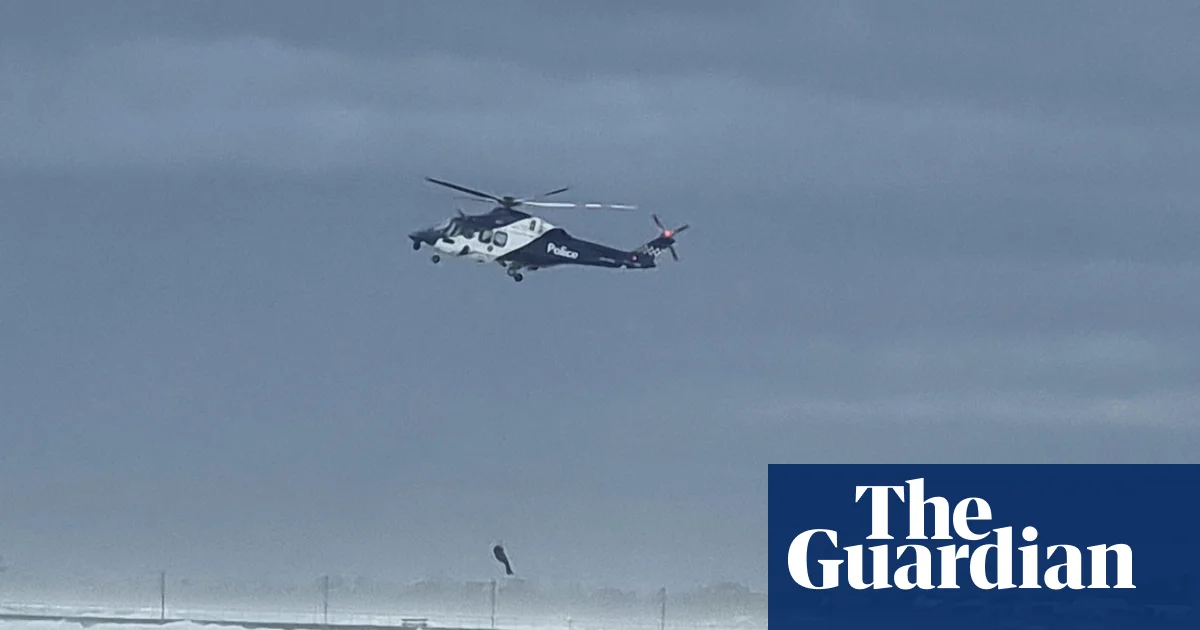
Inexperienced British Surfer Drowns Amid Melbourne Storm as Friend Risks It All to Save Him—Australia News

In recent days, the tragic incident off Victoria’s coast, where two men lost their lives amid severe weather conditions, serves as a somber reminder of nature’s unpredictable power. While this event unfolded locally, it echoes a broader narrative that resonates across nations—an ongoing struggle between human ambition and the irresistible forces of our planet. The young British surfer, described as inexperienced, and his companion, whose resilience was unfortunately not enough against the raging waters, highlight the dangers that extreme weather events can impose even on the most seasoned individuals. Such catastrophes have more than personal ramifications; they are harbingers of the geopolitical shifts caused by climate realities, warning policymakers and international actors alike about the escalating stakes. As resource-rich nations, especially those vulnerable to climate change, grapple with these realities, the interconnection of climate policy, economic interests, and national security becomes starkly evident.

Global organizations and national governments are increasingly faced with the challenge of balancing economic development with environmental sustainability. Many analysts, including climate scientists and geopolitical strategists, warn that the severity and frequency of extreme weather events are directly linked to climate change, driven by decades of industrialization and neglect. The incident in Victoria is not isolated but part of a pattern that complicates international relations. Countries such as China and the United States, whose vast industrial and urban centers are major contributors to emissions, face rising pressure to lead in global climate response. Meanwhile, nations in vulnerable regions, like the island nations of the Pacific, are already experiencing the harshest effects—rising sea levels, violent storms, and loss of homeland. These dynamics push the United Nations and other multilateral institutions into the spotlight, urging the implementation of binding international treaties and climate action frameworks that often stumble over sovereignty, economic priorities, and political will.

The geopolitical landscape is shifting as countries re-evaluate their strategic alliances and economic dependencies in light of environmental challenges. Historically, nations have prioritized military strength and economic growth, but today, the urgency of climate resilience is reshaping policy agendas worldwide. Countries like Russia and India are increasingly asserting their interests in securing resources vital to their sustainability—be it water, arable land, or energy sources—often at the expense of other nations’ environmental or territorial claims. Meanwhile, European nations are forging alliances aimed at climate innovation, positioning themselves as leaders in the green economy. Yet, critics argue that such shifts risk masking or delaying necessary reforms, while regional conflicts flare over access to diminishing resources. According to seasoned analysts, these patterns will intensify as climate-related stresses threaten to turn environmental issues into flashpoints for conflicts—an evolution that could redefine the very fabric of international stability.

As the tragedy at Frankston pier underscores the dangers faced during extreme weather, it also serves as an unignorable wake-up call for a world at a crossroads. The unfolding chapter of our history is being written now, with decisions made by leaders, institutions, and societies that will echo through generations. Will they choose the path of cautious diplomacy, sustainable development, and interconnectivity, or continue down a course of short-term gains and geopolitical competition? The mounting evidence suggests that the stakes are higher than ever, and the window for meaningful action narrows with each passing day. As history’s pen hovers over the page, the world must confront its worst fears and embrace a collective responsibility—before the violence of nature and the recklessness of mankind write an irreversible ending to the story of our times.

British Teen Leaps from Jail to Tragedy: Dies in Car Crash Months After Dubai Release

In recent weeks, a tragic event has highlighted the geopolitical ripple effects that stem from complex international legal and cultural clashes. The death of Marcus Fakana, a British teenager previously imprisoned in the United Arab Emirates (UAE) for a controversial relationship, underscores the profound influence of sovereign legal systems on individual life and international diplomacy. Fakana’s story—marked by conviction, pardon, and ultimately, his unforeseen death in a car crash—serves as a striking reminder of how decisions made in distant capitals can resonate across global borders and society at large.

Fakana’s case, which drew international attention, exemplifies the delicate balance of justice and cultural sovereignty. Sentenced in Dubai for consensual relations with a minor—an act criminalized intensively under the UAE’s conservative legal framework—his subsequent royal pardon in July 2024 exemplifies the strategic diplomacy often employed by influential Gulf states to project soft power and manage international perceptions. Yet, his brief period of freedom, lasting only three months, was tragically cut short, raising questions about the effectiveness of international legal diplomacy and the societal costs of strict adherence to traditional laws. Security analysts suggest that such cases illuminate the ongoing tension between international human rights norms and sovereign legal codes that often clash, challenging Western nations to reconsider how their citizens navigate foreign legal landscapes.

The incident in London further demonstrates the intertwined nature of Britain’s domestic security and international influence. Following Fakana’s death in a vehicle collision in Tottenham, UK authorities confirmed that police were engaged in a pursuit involving a “vehicle of interest,” which ended in a fatal crash. The police’s statement, emphasizing the risks of illegal pursuits and dangerous driving, reignites debates about law enforcement’s capacity to uphold public safety amid rising urban crime. As foreign influences and local security measures collide, experts warn that the fragile fabric of societal order is at risk of fraying further, especially as some advocate more robust policies to deter transnational issues—ranging from immigration to criminal activity—affected by international incidents.

  • The UAE’s harsh legal stance on youth and consensual relationships manifests a broader pattern of conservative social policies aimed at maintaining cultural traditions amid global change.
  • The Britain’s law enforcement grapples with urban crime, emphasizing that even routine pursuits can escalate into tragedy if safety measures falter.
  • International organizations and historical analysts note that these incidents are increasingly shaped by geopolitical considerations, as nations assert their sovereignty while balancing international scrutiny and diplomatic obligations.

As historians, policy analysts, and international bodies interpret these events, a sobering narrative emerges: the ongoing battle to balance traditional values and modern justice continues to shape the trajectory of nations. Fakana’s tragic story underscores a broader warning—how decisions in distant capitals and local law enforcement actions can have irreversible consequences. With global instability and cultural clashes intensifying, history is once again writing a chapter full of tension, conflict, and unresolved questions. Humanity stands at a crossroads, where every choice echoes across generations, leaving an indelible mark on the course of world history.

Unveiled Triumphs: Uncloaked Dominates at the British Podcast Awards

In an era where popular culture becomes both a mirror and a moulder of societal values, the triumphs of modern media forms—particularly podcasts and television—highlight a vital truth: the cultural fabric of a nation is intertwined with its narratives, symbols, and collective memory. The recent accolades garnered by shows like The Traitors and podcasts such as Pod Save the UK underscore the enduring power of storytelling to shape national identity and reinforce social cohesion. As Ortega y Gasset observed, “A nation’s culture is the outward expression of its soul,” and these cultural phenomena serve as modern conduits of that collective consciousness, embedding traditions and shared histories into the digital age.

The success of The Traitors—a BBC series that continues to captivate viewers with its blend of psychological intrigue and social strategy—illustrates more than entertainment; it exemplifies the resurgence of trust and suspicion in a fractured society. Its record-breaking viewership of over seven million during the finale, alongside the associated podcast Uncloaked, shows an appetite for narratives that explore human nature, allegiance, and deception. This echoes Tocqueville’s insights on democracy’s paradox: that in the pursuit of equality, societies often become engrossed in the stratagems of power and virtue. The show’s popularity signals a collective yearning to understand ourselves—our instincts, our loyalties, our fears—in a civilization increasingly defined by its fragmented yet interconnected stories.

Similarly, the rise of Pod Save the UK and its recognition as a Podcast Champion encapsulates the role of media in fortifying community and cultivating a sense of authentic identity. In a landscape where superficiality often threatens to erode tradition, such platforms stand as bastions of discourse—channels of culture that communicate the nuances, struggles, and humor of everyday life. Coco Khan’s reflection that their podcast “about being different, unique, authentic and funny” resonates with Chesterton’s notion that “The true artist is inspired not by a desire for fame but by a duty to capture the spirit of his age.” The emphasis on authenticity acts as a counterbalance to the relentless homogenization driven by global trends, reaffirming that cultural identity is rooted in our collective history and moral convictions.

  • Milestones in media recognition—awards for BBC True Crime series and podcasts exploring social justice—highlight that culture remains a dynamic vessel for societal reflection and change.
  • The emergence of the cultural critic’s voice as a guide in navigating the moral and philosophical questions of our time, exemplified by shows that delve into historical injustices and the human condition.
  • The enduring significance of storytelling as both memory and prophecy, linking past traditions with future aspirations in the continuous evolution of a national narrative.

Indeed, in this relentless pursuit of entertainment and information, the cultural landscape reveals itself as both a sanctuary and a forge—as Chesterton might suggest—where the collective memory of society is preserved and shaped anew. It is within these stories, both real and imagined, that we forge our understanding of who we are; and in doing so, we also glimpse who we might become. The culture of an age is its prophecy; its memory whispers the truths of generations past, while its stories forge the path ahead. As the poet T.S. Eliot warned, “The only wisdom we will ever have is the wisdom of remembrance.” With each narrative, each tribute to our shared experience, humanity affirms that it is both a monument and a prophecy—a testament that reminds us that in the tapestry of tradition, the future is woven.”

Social Media Auto Publish Powered By : XYZScripts.com