Matox News

Truth Over Trends, always!

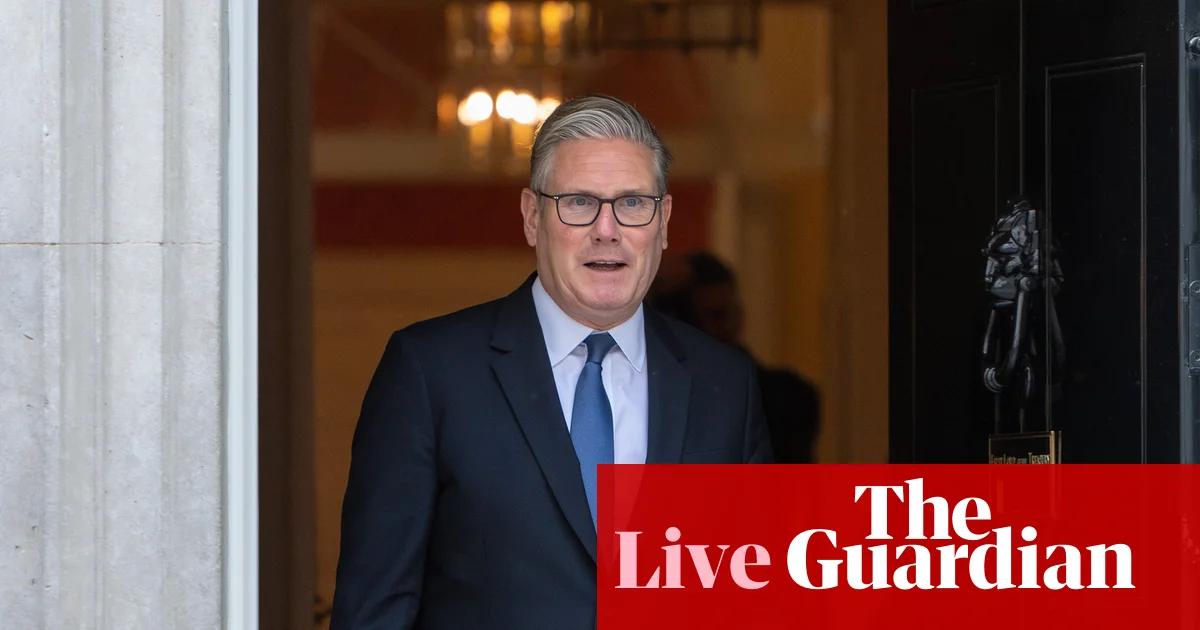
Minister brushes off Labour rebels as “usual troublemakers”; Starmer readies for last PMQs of the session — UK politics update

Global Power Dynamics Face Unprecedented Strain Amid Shifting Alliances

As Europe and North America grapple with internal political turbulence, the geopolitical landscape outside the Western Hemisphere is undergoing a profound transformation. A recent international realignment is accelerating, driven by strategic, economic, and ideological shifts. Major powers are reevaluating alliances, with China & Russia consolidating influence in Asia, Africa, and Latin America, challenging the long-standing dominance of the United States and its European partners. Analysts warn that recent votes and decisions in national parliaments—such as those seen in the UK—are mere microcosms of a broader upheaval, where traditional geopolitical lines are being redrawn at an alarming pace.

Historian and international observers assert that the current wave of political shifts signals *the beginning of a new multipolar era*. The recent events in the UK Parliament, where the opposition leader Keir Starmer faced off against his critics, underscore a global pattern: nations are increasingly polarized within their own borders, yet connected in a web of international crises and competitions. For instance, the UK’s internal political debate—centered on issues like parliamentary privilege and rebel MPs—reflects the fractured state of established governance models. Such fragmentation signals to seasoned analysts that the political status quo is under siege, making the geopolitical impact even more fraught.

The core of this upheaval lies in a series of critical international decisions and agreements that will shape the prospects of individual nations and societies for decades.

  • An escalation of economic sanctions, mainly targeting Russia and China, which has ripple effects across the global markets, affecting energy supplies and trade routes.
  • The reshaping of military alliances, with NATO redefining its strategic priorities amidst growing tensions in Eastern Europe, and China aggressively expanding its military footprint in the South China Sea.
  • The emergence of new spheres of influence in Africa, where rising Chinese investments are often viewed as neo-colonial encroachments, prompting a countermove by Western powers trying to safeguard their interests.

Like many international commentators and policy experts warn, these developments do not merely shift the balance of power; they threaten to redefine societal structures globally. Lessons from past eras suggest that such crises often deepen societal divides, fuel nationalist movements, and undermine democratic institutions—risks fiercely warned against by historians, who see echoes of the interwar period. As the United States faces its own internal struggles, including political rebellions and debates over constitutional norms, the international community finds itself at a pivotal crossroads. Decisions made in the coming months will determine whether the world descends into chaos or establishes a new equilibrium of power and influence.

Indeed, history’s pen is poised to record whether this epoch will be remembered as the moment when the old order crumbled, or as the dawn of a resilient new chapter. As nations quietly plot, forge, and fracture alliances in the shadows of geopolitical chaos, the weight of international destiny presses heavily on every decision. The landscape is shifting beneath our feet, and the chapters yet unwritten carry the promise—and peril—of a future still fiercely contested by the currents of history itself.
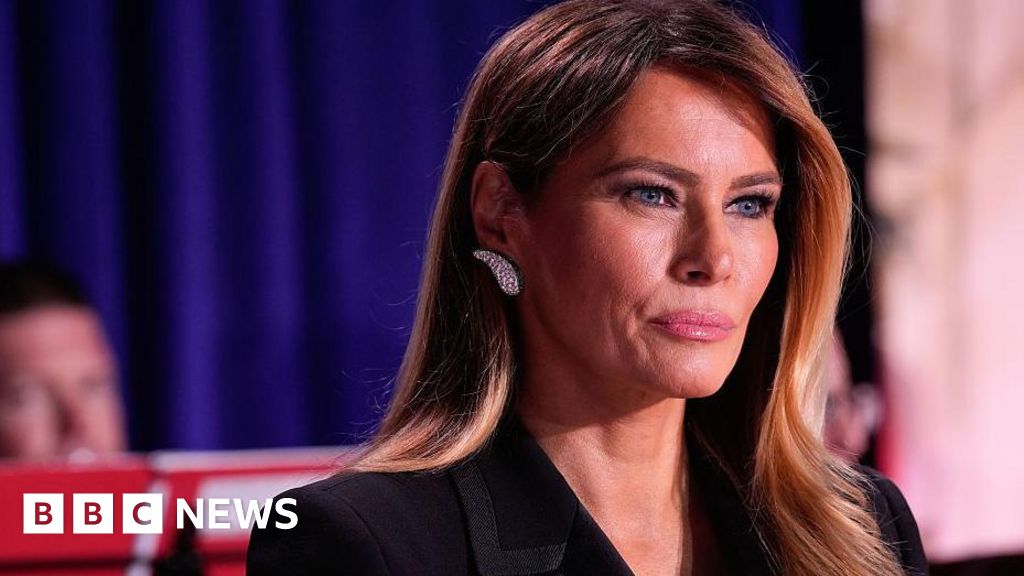
Jimmy Kimmel brushes off White House attack on Melania joke

Recent media circuses surrounding U.S. political figures have underscored the fragile intersection of media, political discourse, and international perceptions. In a controversial parody aired days before the White House Correspondents’ Dinner, comedian Jimmy Kimmel made headlines by referring to Melania Trump as an “expectant widow.” While ostensibly a satirical remark targeting domestic political figures, this incident has resonated deeply beyond American shores, highlighting the persistent volatility of language in shaping international narratives on leadership and stability.

Such instances come at a time when geopolitical tensions are escalating across multiple regions, with international organizations and analysts warning of the delicate balance of global power. Experts note that rhetorical missteps and provocative content from influential figures can amplify tensions, especially when they involve members of significant global alliances. Historically, similar incidents have demonstrated how political humor or insulting discourse can serve as flashpoints in strained diplomatic relationships, potentially igniting or exacerbating conflicts. The parody’s timing—just before a major national event—underscores the risks inherent in the contagious nature of political sarcasm and its capacity to distort international understanding.

Moreover, global institutions continuously grapple with the broader implications of such rhetoric. The United Nations and other international bodies have repeatedly called for responsible communication, emphasizing that leaders’ words shape national identities and international trust. The geopolitical impact of trivialized or inflammatory remarks at high-profile forums can undermine diplomatic efforts and disrupt efforts toward collaboration on pressing issues such as climate change, economic stability, and security. Analysts emphasize that societal stability within nations is often closely linked to how leaders are portrayed and perceived through both formal diplomacy and public discourse.

In the wider spectrum of history, instances of inflammatory language—whether from politicians, media, or cultural figures—have often presaged shifts in global alliances or the onset of conflicts. The echo of these words continues to reverberate, suggesting that the knife’s edge that international relations walk is razor thin. As nations observe each other’s rhetoric amidst a rapidly changing geopolitical landscape, the stakes have never been higher. The narrative of history still unfolds, with today’s words echoing into tomorrow’s realities, leaving the world to ponder whether these moments are merely passing noise or the harbingers of a more tumultuous chapter yet to come.

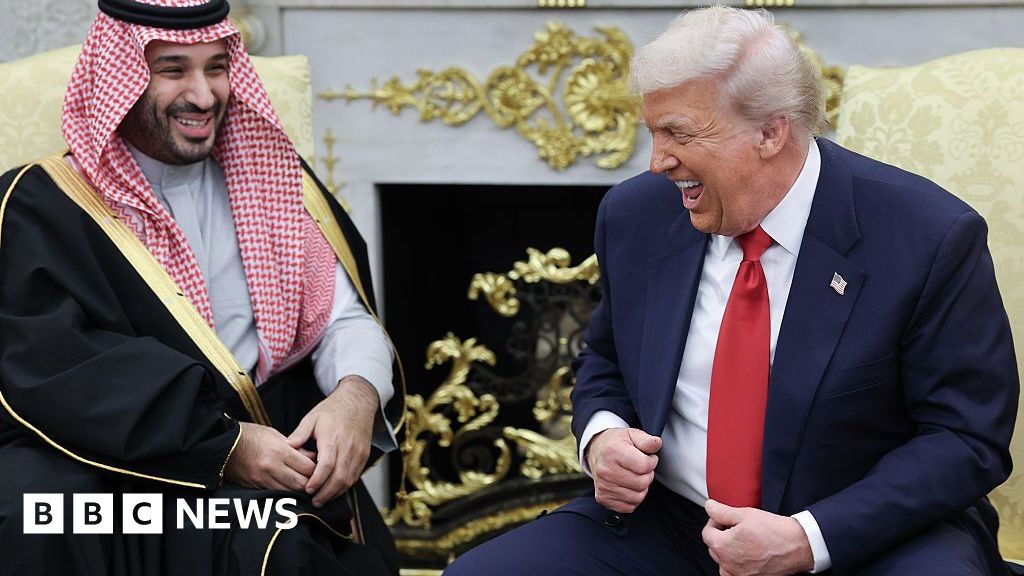
Trump Brushes Off Khashoggi Controversy, Stands by Saudi Crown Prince

The recent visit of Saudi Crown Prince Mohammed bin Salman to the United States signals a notable recalibration in international alliances and strategic interests, despite ongoing controversy surrounding the brutal 2018 killing of journalist Jamal Khashoggi. While the White House, under President Donald Trump, welcomed the de facto ruler with promises of increased economic cooperation—specifically in fields like civilian nuclear energy, artificial intelligence, and significant US investments—the shadows cast by the Khashoggi affair linger. Historians and analysts warn that such overt diplomacy, amid unresolved human rights questions, could set a troubling precedent for how nations prioritize economic and geopolitical gains over moral accountability. In a move that could be seen as pragmatic or duplicitous, the US administration has downplayed the intelligence reports that explicitly link Mohammad bin Salman to approving the operation that resulted in Khashoggi’s death. These reports, declassified under President Joe Biden, serve as a stark reminder of the complex interplay between the pursuit of strategic alliances and the imperative of justice—an ongoing tension that shapes international diplomacy today.

One of the most contentious issues surrounding this diplomatic dance involves the potential sale of advanced F-35 fighter jets to Saudi Arabia, a move that has alarmed Israel. Critics argue such an arms deal threatens the region’s delicate balance of military power, risking the loss of Israel’s “qualitative military edge”. Despite assurances from Trump that these aircraft would be comparable to those operated by Israel, the implications for regional stability remain uncertain. This arms deal is more than mere military hardware; it symbolizes a shift in regional power dynamics, with Saudi Arabia positioning itself as an increasingly militarily capable regional player, backed by the world’s superpower, the United States. This calculated move reveals how geopolitics—driven by economic interests, security concerns, and political optics—continues to redefine the Middle East’s stability.

The broader significance of this high-level engagement extends beyond mere defense and diplomacy. The visit underscores a pragmatic, if controversial, approach to diplomacy in a fractured world where authoritarian regimes—like Saudi Arabia—are being courted for their strategic value, despite their human rights abuses. Critics, including prominent human rights organizations and some US lawmakers, view this as a tacit endorsement of an autocratic regime that dismisses universal standards of justice. Nonetheless, the geopolitical impact remains profound. Increasing US investment, coupled with the crown prince’s promise to raise Saudi-US investments to a staggering $1 trillion, signals a shift towards economic pragmatism over moral clarity. Meanwhile, the world’s eyes remain fixed, watching as history increasingly unfolds in the corridors of power—where diplomatic priorities often clash with the enduring quest for justice.

As the global order continues its tumultuous evolution, the question of morality versus geopolitics hangs in the balance. The Trump-Mohammed bin Salman summit encapsulates this complex tension—where economic opportunity and regional influence are prioritized, even amid unresolved questions of accountability. The tragic story of Khashoggi’s murder remains a stark reminder of the human cost behind diplomatic decisions—an unresolved wound in the fabric of international relations. With every deal struck and every alliance forged, the weight of history presses heavily, hinting that the unfolding chapter is far from over. As the world stands at this geopolitical crossroads, history waits—silent and vast—to record the choices that will determine the future for generations to come.

Social Media Auto Publish Powered By : XYZScripts.com



