Matox News

Truth Over Trends, always!

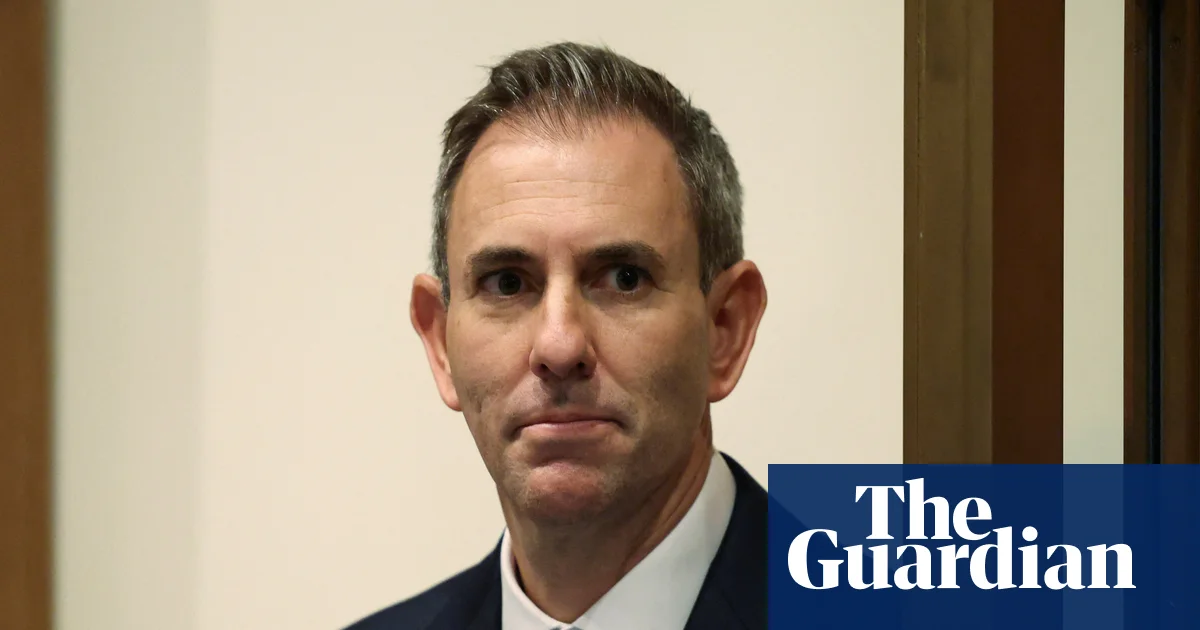
States Brace for NDIS Cuts as Chalmers Warns They’ll Be Key in Budget Savings

Australia’s NDIS Restructuring Sparks Political Tensions and Geopolitical Impact

The Australian government is currently embroiled in a contentious debate over its proposed National Disability Insurance Scheme (NDIS) budget cuts. With the upcoming budget release, officials are under pressure as the federal government, led by Prime Minister Anthony Albanese, seeks to reduce the scheme’s rapid growth trajectory. This move has elicited sharp reactions from both state governments and the disability community, emphasizing the geopolitical impact of domestic policy decisions on national cohesion and international reputation.

The federal treasury, under Jim Chalmers, has flagged the NDIS as the most significant component of the government’s savings package. Chalmers voiced concerns that the scheme’s annual growth rate exceeds sustainable levels, projecting costs to reach $63 billion by 2028-29 from this year’s $52 billion. Such fiscal measures are viewed by analysts as part of a broader effort to reframe Australia’s social welfare obligations in the context of global economic pressures, including rising debt, inflation, and the need to maintain competitiveness on the world stage. Moreover, this realignment of social policy may have long-lasting effects on society, particularly on vulnerable populations reliant on the scheme.

Yet, the move to trim NDIS spending has ignited a fierce political storm. States like Western Australia and Victoria have expressed concerns, especially regarding the shifting of responsibilities to a unified, national scheme called Thriving Kids. Many regional leaders felt blindsided when federal officials announced plans for the scheme last August, revealing a preference for centralization at the expense of state-led programs. Such decisions undermine the traditional federal balance, showing a shift towards increased federal control that echoes geopolitical trends where central authorities assert dominance over regional autonomy. As the scheme consolidates, questions about the transparency and fairness of these reforms linger, especially considering the absence of comprehensive disclosures from the federal department.

This domestic controversy holds profound geopolitical significance. As China and the Indo-Pacific region face their own political upheavals, Australia’s internal struggles reveal a nation at a crossroads—balancing economic pragmatism with social responsibility amid shifting international alliances. Some international observers—like the International Monetary Fund (IMF)—warn that Australia’s fiscal policies could impact its diplomatic standing and economic leverage. If the government’s austerity measures lead to social unrest or undermine social cohesion, it risks undermining its soft-power influence, especially as nations increasingly contest narratives based on social stability and inclusive growth.

Historians and analysts chart this ongoing internal battle as a reflection of broader trends in global governance, where the prioritization of fiscal discipline often clashes with social commitments. The hard choices made in Canberra may serve as a cautionary tale for emerging democracies worldwide, illustrating how domestic policy shifts can ripple across international relations. As critics decry the potential weakening of vital social safety nets, the world watches a nation wrestling with the legacy it will leave for generations. The unfolding story of Australia’s reforms isn’t merely about budget savings—it is a chapter in the greater narrative of a nation striving to define itself amid the powerful currents of shifting global power politics. The weight of history asks: will these decisions forge a resilient nation, or expose fractures that threaten its future stability?

Vought’s Cuts Harm Lives: Activists Disrupt Trump Budget Hearing

The United States, long seen as a global leader in health and development aid, is witnessing a disturbing shift that threatens to reshape its international influence. Recent domestic debates over funding for PEPFAR (President’s Emergency Plan for AIDS Relief) highlight a broader strain within Washington’s foreign policy, raising questions about how much of its power and moral standing the US is willing to sacrifice. Despite bipartisan support in Congress, the Trump administration’s deliberate slashing of aid—particularly the nearly halving of global health spending in the upcoming fiscal year—signals a shift towards prioritizing domestic issues over international commitments. International analysts warn that such decisions weaken not just US credibility but also the entire framework of global health governance, which relies heavily on American leadership and resources.

The controversial move to impede funds for HIV/AIDS programs, which have historically saved millions of lives worldwide, echoes a troubling trend toward austerity in American foreign aid policies. The GAO (Government Accountability Office) recently found that funds intended for PEPFAR are being impounded—an act contrary to the Impoundment Control Act. This bureaucratic maneuver effectively withholds the money despite formal approval by Congress, manifesting a direct challenge to the legislative branch’s authority. Critics, including health organizations and international observers, interpret this as not only a breach of process but also a form of sabotage against one of America’s most successful health initiatives. As historian Michael O’Hara warns, such sustained neglect could irrevocably undermine America’s moral authority in the world’s health crises, encouraging rival nations to fill the void.

  • In the first year of these cuts, an estimated 780,000 lives were lost due to diminished aid, with projections suggesting millions more could succumb if current policies persist.
  • Congress approved funding for PEPFAR at $4.6 billion, yet operational delays and obstruction hinder the actual disbursement of these funds to vital organizations on the ground.
  • The administration’s rejection of the aid—a core element of bipartisan consensus—aligns with a broader pattern of U.S. disengagement from global leadership, especially on issues perceived as foreign policy liabilities.

This retreat has profound geopolitical impact. Newly empowered rivals such as China and Russia are stepping into the vacuum, expanding their influence under the guise of offering aid and strategic partnerships. Their growing presence in Africa, Southeast Asia, and Latin America challenges the traditional dominance of Western-led institutions. Meanwhile, how the U.S. handles its foreign aid policies influences societal perceptions of American promises and commitments abroad. When aid is withheld or politicized, it not only jeopardizes public health but also diminishes trust among emerging nations that have historically looked to the U.S. as a symbol of stability and generosity.

International organizations like the WHO and UNAIDS express concern that such policy shifts could set a dangerous precedent, eroding the global consensus on shared responsibility for health crises. Experts warn that failure to sustain aid efforts risk creating a global environment where poverty, disease, and instability become intertwined, fueling cycles of chaos that threaten regional and international stability. The political struggles inside Washington thus have consequences that extend far beyond borders, shaping the future of international order in unpredictable ways.

As history unfolds in these tense corridors of power, the question remains: will the U.S. restore its commitment and leadership in global health, or will it cede its moral authority to rivals eager to exploit its retreat? The current clash over aid funding is not merely a budgetary dispute but a crucial battleground where the future of American influence and the lives of millions hang in the balance. In the end, the decisions made today will echo through history, dictating whether the U.S. remains a beacon of hope or a shadow on the global stage—a choice with ramifications that extend beyond the immediate and into the very foundation of international stability.

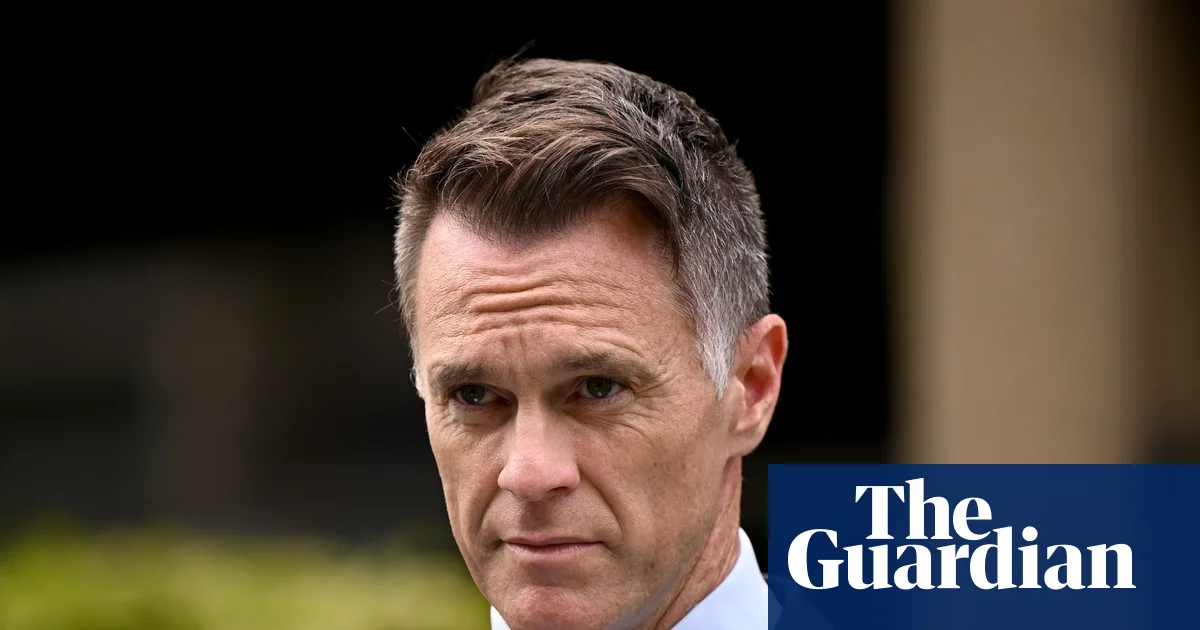
Minns calls pro-Palestine protest organizers 'communists' aiming for clash with police, NSW budget estimates
Minns calls pro-Palestine protest organizers ‘communists’ aiming for clash with police, NSW budget estimates

In a striking turn of events that underscores the volatile landscape of international activism and internal political fractures, Australia’s New South Wales government finds itself at the center of a contentious debate over the peaceable assembly and the engagement with pro-Palestine advocates. Premier Chris Minns has publicly dismissed protest organisers as “a pack of communists,” fueling accusations of politicising the situation and risking the social cohesion of the deeply divided society. This inflammatory rhetoric follows violent clashes during a recent rally against the Israeli president’s visit, where police responses have come under scrutiny amid allegations of police brutality.

These confrontations threaten to escalate into a broader international rift, as global analysts draw attention to the implications. The protests, which saw four Labor backbenchers attending a speech by Israeli President Isaac Herzog in Sydney, have rippled beyond local politics. While some political figures like Stephen Lawrence MLC defend protesters, viewing their actions as a stand for Palestinian rights, critics argue that the protests are being manipulated by radical elements, including socialists and communists affiliated with groups like the Palestine Action Group (PAG). Historians warn that such alliances have historically been vectors for “big social movements,” but in this context, they threaten to undermine Australia’s national stability and complicate diplomatic relations in a tense Middle East geopolitical environment.

The debate extends far beyond the streets to focus on the broader geopolitical impact. Australia’s internal divisions mirror the polarisation seen across Western nations, where support for Israel or Palestine increasingly aligns with domestic ideological battles. The Australian government’s approach, characterized by resistance to criticism and suppression of dissent, echoes patterns observed in other democracies experiencing internal stress, risking the alienation of communities and weakening social fabric. Analysts warn that such internal strife could diminish Australia’s standing on the global stage, especially as international organizations like the United Nations emphasize human rights and moderation.

Meanwhile, the situation remains precarious as the NSW police maintain that their actions were justified, citing attempts by protesters to march on Parliament against restrictions declared in response to recent acts of violence and unrest. The ongoing constitutional challenge to new protest laws and the controversial “major events” powers further complicate the legal landscape, pointing to a potential breach of civil liberties. The tension reaches into Australia’s multicultural communities, with Muslim groups voicing concerns over police actions during recent vigils mourning Iran’s late Supreme Leader, Ayatollah Khamenei. These incidents serve as a stark reminder that the political toll extends to societal divisions along religious and cultural lines, with the risk that internal discord could morph into a broader geopolitical vulnerability.

As history continues to unfold, the echoes of this clash in Australia serve as a warning: when states suppress dissent and dismiss grassroots movements as mere radical influence, they risk sacrificing social cohesion and inviting external powers to exploit divisions. The international community watches with bated breath as the narrative of support, protests, and legal battles develops — leaving behind a legacy that could reshape the political landscape for years to come. In this unfolding drama, the weight of history presses heavily, reminding observers that the moment may be fleeting, but the consequences are profound and lasting.

Google Pixel 10a: Smart Budget Choice for Young Tech Fans

Google Pixel 10a: A Mid-Range Smartphone That Disrupts Expectations

In the rapidly evolving world of mobile technology, Google continues to push boundaries with its latest release, the Pixel 10a. While the device features an incremental upgrade over its predecessor, notably housing the same Tensor G4 chipset paired with 8 GB of RAM, its significance lies in how it balances advanced features with affordability. Priced at approximately $599, the Pixel 10a succeeds in bridging the gap between premium smartphones and budget-friendly devices, challenging entrenched industry giants such as Apple and Samsung. As the smartphone market intensifies, this strategy underscores a broader trend—fostering innovation that disrupts traditional pricing models and democratizes access to cutting-edge technology.

One of the key areas where Google’s new model exemplifies disruption is in camera technology. The Pixel 10a maintains a dual-camera system with a 48-MP main sensor and 13-MP ultrawide lens, delivering photo quality that’s competitive with higher-end models. This capability, complemented by natural color reproduction and sharp details, signifies a shift towards delivering premium photo experiences on mid-range devices. Despite some minor white balance issues, the overall photographic performance positions Google as a formidable contender in mobile imaging—a market segment traditionally dominated by flagship models. Notably, industry analyst firms like Gartner have highlighted that the camera remains a critical differentiator in consumer purchasing decisions, thus making Google’s investments in this area a strategic move for market disruption.

Moreover, Google’s emphasis on smart software and AI-powered features signals a tilt towards value-driven innovation. Even with the same Tensor G4 chip, Google’s software enhancements facilitate seamless AI tasks, handling demanding applications with minor lag—an aspect that many competitors neglect in their mid-tier devices. Experts from MIT’s Media Lab emphasize that true innovation increasingly hinges on software capabilities, where AI ecological integration unlocks new possibilities for user engagement. Google’s approach, therefore, is not merely about hardware specifications but about creating an ecosystem that leverages AI as a core differentiator, an industry trend accelerated by Musk’s Neuralink and other AI giants pushing the envelope.

From a business perspective, Google’s strategy of offering a competitively priced device with high-value features represents a major challenge to the industry’s status quo. This industry shift signifies that consumers no longer need to pay flagship prices for innovative features, fundamentally altering market dynamics. The Pixel 10a’s success could prompt established leaders like Apple and Samsung to revisit their premium pricing strategies, chaotic with their flagship-only ecosystems. Additionally, Google’s focus on software and AI as key value drivers encourages other players to double down on AI-enhanced user experiences rather than just hardware upgrades.

Looking ahead, the smartphone industry stands at a pivotal juncture. The Pixel 10a exemplifies how disruptive innovation can redefine competitive landscapes—favoring agility, affordability, and ecosystem integration. As younger consumers become more discerning and demand more value, the industry must adapt rapidly or face obsolescence. With Google’s relentless push for smarter, more accessible technology, the future of mobile devices promises a landscape where innovation is not solely defined by hardware but by how seamlessly AI and software transform user experience—urging industry leaders and newcomers alike to keep a keen eye on emerging trends that could upend traditional business models. Ultimately, the message is clear: those who innovate intelligently and disrupt the market’s norm will shape the next era of technological dominance.

UK economy edges up 0.1% amid Budget doubts, showing resilience in uncertain times

The recent United Kingdom economic data signals a cautiously positive outlook amidst global economic turbulence. Official figures from the Office for National Statistics reveal that the UK’s gross domestic product (GDP) grew by 0.1% in the final quarter of last year, defying expectations of a stagnation or contraction. Despite persistent economic headwinds, including consumer hesitations driven by political speculation around Rachel Reeves’ budget and the fallout from recent cyber-attacks on major industries, the UK’s economy managed to demonstrate resilience. This modest growth, combined with a 1.3% increase in 2025 overall, is seen by analysts as a sign that the British economy continues to adapt to shifting global circumstances, although challenges remain.

Global financial institutions and economic analysts have underscored that how decisions are made within the UK government—particularly around fiscal policy and national security—directly impact the broader geopolitical landscape. The late-November budget, which spurred speculation about significant tax hikes, temporarily suppressed consumer and corporate activity, highlighting the precarious balance governments must maintain between fiscal austerity and growth stimulation. The Bank of England, in its recent policy statement, chose to keep interest rates steady at 3.75%, while signaling that the decline in inflation—partly driven by cost-of-living measures tied to Reeves’ strategic budget—might pave the way for future rate cuts. This signals for markets that, despite present caution, there is confidence within the British establishment that stabilization can be achieved without aggressive monetary tightening.

The broader geopolitical impact of the UK’s economic performance and policymaking extends well beyond its borders. As one of the world’s largest financial centres, London’s resilience influences international markets, diplomatic relations, and global supply chains. The recent cyber-attack targeting Jaguar Land Rover and its subsequent economic repercussions underscore how interconnected national security and economic stability have become. While the UK attempts to navigate domestic challenges, it remains entrenched in the complex web of international competition—with analysts warning that economic stability at home is vital for maintaining influence in a shifting international order. Historical perspectives from institutions like the International Monetary Fund highlight that resilient economies tend to form the backbone of geopolitical strength and alliances in uncertain times.

  • The UK’s modest growth in late 2025 reflects cautious optimism but also exposes vulnerabilities in productivity and investment.
  • The Bank of England’s strategic hold on interest rates indicates confidence in ongoing inflation control and potential for future monetary easing.
  • Cybersecurity threats and economic shocks, such as the JLR attack, illustrate the new battlegrounds in modern geopolitics.
  • The trajectory of UK policy, especially its impact domestically and internationally, will be closely monitored as history continues to write itself in these uncertain yet pivotal times.

As the world’s eyes fixate on the unfolding dramas of economic resurgence and geopolitical maneuvering, the question remains: how will Britain, in its pursuit of stability and influence, shape the next chapters of global history? With decisions made today echoing through the corridors of power and into the fabric of society, the weight of history presses ever heavier. The unfolding story of the UK economy is not merely a tale of numbers but a testament to a nation striving to navigate the treacherous waters of an uncertain world—where every move could define the future for generations to come.

Bulgaria pulls back on budget plan after massive youth protests

In a remarkable display of civilian unrest, Bulgaria is currently experiencing one of the most significant upheavals in its recent political history. Massive protests swept through Sofia and other major cities, ignited by widespread dissatisfaction with the nation’s proposed 2026 budget. Public outrage centers around allegations of entrenched government corruption and economic mismanagement, which have, over time, eroded trust in the political elite. The protests, which included thousands of young citizens and civil advocates, marked the largest mobilization since Bulgaria’s post-communist transition, signaling a turbulent crossroads for a country that, despite recent economic reforms, remains vulnerable to internal dissent.

What stands out in this unfolding chaos is how the Bulgarian government has responded—first attempting to push through a contentious budget plan that many saw as a means to bolster corrupt practices and increase taxes. The draft budget, which was to be Bulgaria’s first delivered in euros following its recent accession to the Eurozone, was met with fierce opposition. Critics argued that the plan aimed to conceal crimes of the ruling coalition and threatened the fragile social fabric of a nation plagued by inflation fears and economic disparities. In an ultimate concession to mounting pressure, Bulgaria’s government announced it would abandon the plan, a move seen by many analysts as a victory for the protesters but a symptom of deeper systemic issues. Yet, the underlying challenge remains: how does a nation reconcile its desire for economic stability with the deep-seated corruption that continues to undermine rule of law?

Historical analysts and international organizations have warned that Bulgaria’s political landscape is extremely volatile. The country, often characterized as the EU’s “poor cousin,” has experienced a succession of short-lived governments since 2020, each promising reform, yet delivering little tangible change amid allegations of mafia influence and unchecked corruption. The European Commission and various watchdog groups have called for stronger oversight and judicial independence, emphasizing that the nation’s stability hinges on its ability to defend democratic institutions. As protests spilled into violence—masked demonstrators attacking party offices, setting bins ablaze, and clashing with riot police—the Bulgarian President, Rumen Radev, condemned the violence but also accused “provocation by the mafia,” framing the uprising as a fight against entrenched illicit power structures. His call for resignation and early elections echoes across the political divide but underscores the urgent need for systemic reforms that go beyond mere façade.

As the nation stands at this pivotal juncture, the worldwide community watches with bated breath. The decisions made in the coming weeks will dramatically influence Bulgaria’s political trajectory and its role within the European Union. The chaos underscores how longstanding corruption and economic disparities can ignite a populace’s collective rage, threatening the fragile consensus that sustains democratic governance. With the government promising a new budget process, the weight of history presses heavily on Bulgaria’s shoulders. Will it succumb to internal chaos, or will it forge a path toward genuine reform? What remains undeniable is that the outcome will shape the future of Bulgaria’s society and its journey toward integration within enduring European institutions. Like a storm gathering on the horizon, the unfolding story is a stark reminder that history’s pen still writes—sometimes in chaos, sometimes in hope, but always, inexorably, in action.

OBR suspects 'outsider' behind budget leak as cyber expert steps in – UK politics updates
OBR suspects ‘outsider’ behind budget leak as cyber expert steps in – UK politics updates

Unfolding Geopolitical Ripples in the UK: Budget Leak and Domestic Policy Shifts

In a dramatic turn of events that underscores the fragile interplay of digital security and national governance, Richard Hughes, chair of the Office for Budget Responsibility (OBR), disclosed that an external individual may have inadvertently caused the early leak of the UK’s latest fiscal report. This incident, which surfaced just minutes before the Chancellor of the Exchequer, Rachel Reeves, formally announced the budget, has ignited concerns over cyber security at a time when international stability increasingly hinges on the integrity of government communications.

As Prof Ciaran Martin, former head of the UK’s National Cyber Security Centre, has been called in to oversee the investigation, critics warn of far-reaching geopolitical implications. This breach at the heart of the UK’s financial oversight not only raises questions about internal security protocols but also signals potential vulnerabilities that, if exploited, could ripple across allied nations and global markets. Analysts suggest that this incident is a stark reminder of how digital threats are reshaping the landscape of international politics, compelling leaders worldwide to revisit cybersecurity treaties and cooperation frameworks.

Domestic Politics and International Consequences

  • The UK government’s handling of fiscal transparency is now a subject of international scrutiny, especially within institutions such as the International Monetary Fund (IMF) and the G7.
  • Meanwhile, Rachel Reeves has defended her budget, emphasizing that none of her fiscal measures are designed to stimulate growth, a stance that contrasts sharply with the assessments of the Institute for Fiscal Studies (IFS). While she insists that her policies are designed to protect existing social frameworks, critics argue that her refusal to break manifesto promises on tax hikes risks exposing growing societal inequalities.
  • International observers, including leading economists and security experts, warn that such domestic discord, combined with vulnerabilities like the recent leak, can undermine Britain’s strategic alliances and its credibility in rallying international support for coordinated economic policies.

The Broader Impact: Rising Tensions and Evolving Alliances

This security lapse exemplifies the broader geopolitical shift where digital sovereignty and cyber diplomacy are now as critical as traditional military alliances. The incident offers a stark warning that how decisions inside nations’ borders influence global stability. With emerging powers like China and Russia deploying cyber tactics to bolster or destabilize existing structures, Western countries must accelerate efforts to forge resilient cybersecurity agreements.

Historical analyses by geopolitical scholars warn that such incidents could catalyze a new era of digital confrontation, compelling nations to rethink traditional alliances. According to the UNESCO, international cooperation in cyber governance must adapt swiftly to defend shared interests, lest fragile democracies fall victim to asymmetrical warfare that erodes trust in essential institutions.

Conclusion: The Unfolding Narrative of Power and Security

As the UK navigates this turbulent chapter, with its political landscape now under the shadow of cyber vulnerabilities and contentious fiscal policies, the weight of history presses heavily upon its future trajectory. The incident serves as a stark reminder that in an interconnected world, choices made within the vaults of London’s government chambers reverberate across continents, shaping the destiny of societies. The unfolding story — of leaks and policies, trust and treachery — leaves the global observer pondering: how resilient are the foundations of power in an age where information itself becomes the battlefield?

Millions of UK workers set for pay boost as Reeves announces higher minimum wage — Budget 2025

In the latest move reflecting domestic economic policy intertwined with global labor trends, the United Kingdom has announced a significant increase in minimum wages, aiming to bolster the living standards of its low-paid workers. The country’s leadership under Prime Minister Rishi Sunak has committed to raising the national living wage from £12.21 to £12.71 per hour for over-21s starting April, an increase of 4.1%. This escalation is designed to lift approximately 2.4 million workers, pushing their annual earnings up by around £900—an effort to counteract stubbornly high inflation and resolve the ongoing cost-of-living crisis. At the same time, the government is narrowing the gap for younger workers by increasing rates for 18- to 20-year-olds by 8.5%, signifying a preference for wage equality that continues to shape the nation’s economic landscape.

International and economic analysts observe this development as a reflection of a broader global shift toward protecting worker rights, yet caution that such measures carry complex geopolitical repercussions. Critics argue that steep wage increases, particularly for youth, could hinder employment opportunities by discouraging employers from hiring entry-level staff, especially amidst a backdrop of rising national insurance and economic uncertainties. According to the Resolution Foundation, youth unemployment has surged to 14.5%, up from 13.7% a year ago, illustrating the delicate balance between social welfare and economic vitality. Empirical data suggest that artificially inflating wages without concurrent productivity growth risks hampering economic competitiveness—a concern echoed by business leaders who report struggles in hiring due to increased labor costs.

This policy debate, however, extends beyond UK borders and touches on international labor standards. European countries, with their own history of wage regulation, brace for potential shifts in investment and migration patterns should wage policies influence business decisions. Meanwhile, the International Labour Organization and various global economic think tanks warn that inconsistent wage policies across nations could exacerbate trade imbalances and disrupt global supply chains. The UK’s push to elevate wages is, in part, a reflection of how rising populist sentiments and economic nationalism are reshaping traditional international relations, increasingly framing labor rights as elements of national sovereignty and economic resilience.

Historian and geopolitical analyst Dr. Emily Carter emphasizes that these internal economic choices are also part of a larger narrative—one where nations are reasserting control over their economic destinies amid a shifting international order. As China and the United States grapple with their own wage and inflation issues, smaller nations like the UK are making bold moves that could ripple through the global geopolitical landscape. The decision to safeguard jobs and raise wages can be viewed as an attempt to secure social stability, but it also leaves out the broader question: will such measures ignite a race to the top—or to the bottom in global labor competitiveness?

As history continues to unfold in the coming months, the UK’s wage policies serve as a stark reminder of how domestic economic reforms are intertwined with international trends. The world watches as nations balance between protecting their citizens and maintaining economic strength in an era marked by upheaval and uncertainty. Decisions taken today are likely to set precedents for future global interactions—where the tug-of-war between social justice, economic stability, and geopolitical influence remains as fierce and unpredictable as ever. The stage is set for a new chapter in history—one written not only through policies and politics but through the lives and futures of millions caught in the crossfire of a rapidly changing world order.

Top Budget Phones for 2025: Affordable Wins for Savvy Youths

Tech Innovation and Industry Disruption: The Future of Smartphones

In an era where disruption and innovative technologies are rewriting the mobile landscape, industry leaders are racing to deliver smarter, faster, and more durable devices. TCL recently unveiled their 60 XE Nxtpaper 5G—a device that integrates new e-paper technology with 5G connectivity, reflecting a strategic push towards hybrid displays that emphasize power efficiency and extended battery life. Such innovations are reshaping consumer expectations, creating a paradigm shift where smartphones are not just communication tools but also sustainable, versatile devices that challenge the traditional high-end market.

Meanwhile, major brands like Motorola are introducing budget-friendly yet disruptive models such as the Moto G Power 2025 and the upcoming Moto G Play 2026. The latter boasts 5G, but critics argue its sluggish performance underscores a broader industry challenge—delivering affordable devices without sacrificing speed or features. Market analysts from Gartner warn that ongoing performance bottlenecks threaten to undermine consumer confidence in entry-level smartphones, a segment once characterized by volatile quality. Nonetheless, these models serve as a vital battleground for industry players seeking to penetrate emerging markets and build brand loyalty among younger consumers demanding both connectivity and value.

Furthermore, innovation isn’t confined to premium segments. Minimalist philosophy is gaining ground with devices like the Minimal Phone. With an e-paper display and physical keyboard, it signals a shift towards digital minimalism. Despite its limitations—such as low refresh rates and monochrome screens—it’s a clear indication that the industry is addressing mental health concerns associated with prolonged smartphone use. However, critics warn that such devices might create a new niche—appealing to a niche demographic rather than mainstream consumers who demand performance and multimedia capabilities.

Implications for Industry and Market Dynamics

The push toward disruption is also evident in the growing prevalence of budget smartphones from reputable brands. Devices like the Samsung Galaxy A16 show that even budget models are struggling against sluggish performance, which can cause consumer attrition. Yet, brands like NUU are offering Nuu N20 at near-$130 price points, delivering more manageable performance and manageable software updates. Such models challenge the narrative that premium experience is only for high-end users, hinting that value-driven innovation is reshaping market boundaries.

Critical to this evolution are trends highlighted by industry analysts like Peter Thiel and institutions like MIT. They emphasize that software updates, security patches, and user privacy will increasingly determine brand loyalty. As manufacturers innovate with ruggedized devices such as Sonim XP Pro 5G, designed specifically for durability and enterprise use, the industry underscores an increasing role of specialized hardware in enterprise markets—disrupting traditional consumer-centric models.

Future Outlook: Seize the Moment or Fall Behind

The trajectory is clear: Innovation and disruption are not optional but necessary for survival in the fast-evolving landscape of mobile technology. As Elon Musk advocates for AI-powered devices and Peter Thiel warns about complacency, industry stakeholders must recognize that the next wave of future-proof technology requires bold, strategic investments now. The opportunity to shape the next decade hangs in the balance—those who innovate boldly today will dominate tomorrow’s market. Alternatively, complacency or reliance on outdated paradigms will lead to obsolescence in an industry that rewards disruption and innovation alike.

Reeves Targets Benefit Fraud and Raises Two-Child Limit in Budget 2025

UK’s Domestic Policy Moves as Global Power Dynamics Shift

The recent fiscal blueprint announced by Britain’s government underscores a strategic pivot amid mounting economic pressures and escalating international tensions. The decision to scrap the two-child limit for universal credit—a measure long criticized for exacerbating child poverty—marks a significant shift in the nation’s social welfare approach. At a glance, this move appears to prioritize social cohesion and political stability domestically; however, its implications stretch far beyond, influencing the broader balance of power in Europe and the Atlantic alliance. The announcement coincides with a broader effort to project resilience against inflation and rising public debt, with officials emphasizing cost-cutting measures such as freezing rail fares and levies on electricity bills.

Yet, the government’s fiscal strategy faces fierce opposition from both domestic and international analysts. Conservative and reformist voices have criticized the increase in welfare spending as irresponsible, especially against the backdrop of rising taxes for working families. The opposition Labour Party under Sir Keir Starmer defends the budget, arguing that such investments are necessary to uphold social fairness, despite attempts by critics like Kemi Badenoch to frame the policies as a “tax burden on working people.” Meanwhile, the Libertarian-leaning Liberal Democrats warn that further freezes in tax thresholds will push millions into higher tax brackets, stifling economic growth at a critical juncture. This domestic drama underscores a broader geopolitical contest—one where economic stability and social policy serve as battlegrounds for influence and legitimacy.

Internal Controversies and International Repercussions

Amid the government’s focus on welfare reform, questions arise globally about what these changes signify for the UK’s position on the international stage. The proposed reforms to disability benefits and potential cuts to schemes like Motability have triggered protests from disability groups, reflecting a reckoning with social justice policies at a time when the UK seeks to solidify its global image. Historians suggest that these internal struggles reveal the tension between post-Brexit sovereignty and the obligation to adhere to international human rights standards, especially in a climate where international organizations are increasingly scrutinizing national social policies. Furthermore, the UK’s focus on increasing taxes on high-value properties and electric vehicle levies signals an attempt to align fiscal policies with green priorities while balancing public revenues, but critics warn that such measures could alienate middle-class voters whose socioeconomic stability depends on fair taxation.

The impact is particularly palpable when viewed through the lens of geopolitical impact: as the UK recalibrates its domestic policies, especially in welfare and fiscal responsibility, it risks losing influence within broader Western alliances, particularly with Europe grappling with economic uncertainty. The move to increase taxation on the wealthy and properties valued above £2m suggests a conscious effort to re-distribute wealth, but also raises concerns regarding how global financial markets will interpret these signals. Economists warn of the possibility of capital flight and reduced foreign investment if perceptions of fiscal instability persist, directly affecting the UK’s ability to project soft power within European and global forums. This internal political maneuvering, therefore, holds profound consequences for international stability: a nation balancing its social priorities while navigating an increasingly competitive geopolitical landscape.

Conclusion: The Epochal Choices Define the Future

As Britain crafts its new austerity measure and social policy landscape, the weight of history presses heavily upon its shoulders. The decisions made today—discussed among politicians, analysts, and international institutions—will ripple across generations, shaping perceptions of justice, economic resilience, and national sovereignty. This is a moment of transition—one that could redefine the UK’s role on the world stage as it faces internal dissent and external pressure. Will these reforms forge a resilient society capable of withstanding global upheavals, or will they fracture the social fabric that once made the nation a beacon of stability? The answers lie ahead, etched into the unfolding chapters of history where every policy, every debate, leaves an indelible mark on the collective destiny of nations.

Social Media Auto Publish Powered By : XYZScripts.com