
Matox News

Truth Over Trends, always!

Challenge Your Understanding of the Pioneers and Moments That Built America

In the heart of every civilization, culture emerges as both memory and prophecy—an ongoing dialogue between the past and the future. As we observe the American Revolution, a pivotal moment in history, we recognize that its significance extends far beyond mere political upheaval. It embodies a foundational myth, a cultural template that continues to shape identity, tradition, and societal values. The commemoration of figures like George Washington not only honors a historical figure but also affirms a collective sense of purpose rooted in the ideals of liberty, sovereignty, and moral clarity. These ideals, so central to the American experience, serve as a testament to the human yearning for order amid chaos, echoing the philosophical assertions of thinkers like T.S. Eliot, who suggested that history, much like poetry, is a narrative of continuous renewal intertwined with tradition.

Historical parallels remind us that moments of upheaval—whether the American Revolution or the upheavals of the 20th century—are often rooted in a collective desire to forge a new cultural identity. As Alexis de Tocqueville observed, American society demonstrates a unique capacity to balance individualism with a shared civic purpose. This intentional cultivation of a national character—through education, literature, and cultural remembrance—is what sustains societal cohesion. The celebration of revolutionary ideals, expressed through art and historiography, underscores the importance of heritage as both a shield and a compass. It is through these cultural artifacts that a society not only preserves its memory but also envisions its future, ensuring that the spirit of freedom and independence remains a living truth.

In this way, culture becomes a sacred space where tradition and modernity meet. The enduring relevance of works that commemorate the American Revolution—be it biographies of George Washington or presidential monuments—serves as a reminder that values are not static but dynamic forces. They guide societies through tumult, echoing the insights of G.K. Chesterton, who championed the idea that “tradition means giving votes to the past” in shaping moral and social stability. As youth today navigate a shifting cultural landscape, understanding history through the lens of profound narrative helps anchor them in a heritage that is both inherited and continually reborn. Here, the past whispers into the future, urging us to preserve the fruits of our ancestors’ sacrifices while daring to dream of new horizons.

Ultimately, culture is the poetic fabric woven from memory and prophecy—an undying testament to humanity’s quest for meaning. Like Ortega y Gasset envisioned, it embodies the human condition: a persistent struggle to craft purpose out of chaos. As we contemplate the story of the American Revolution, let us remember that it is not merely a chapter in history but a living mural, poised upon the horizon, forever beckoning us to write the next verse. In the symphony of human society, culture remains both our memory—a sacred relic—and our prophecy—the bright promise of what we are yet to become. It is this rhythm, this eternal dance, that keeps the spirit of a nation alive, vibrant, and truly free.
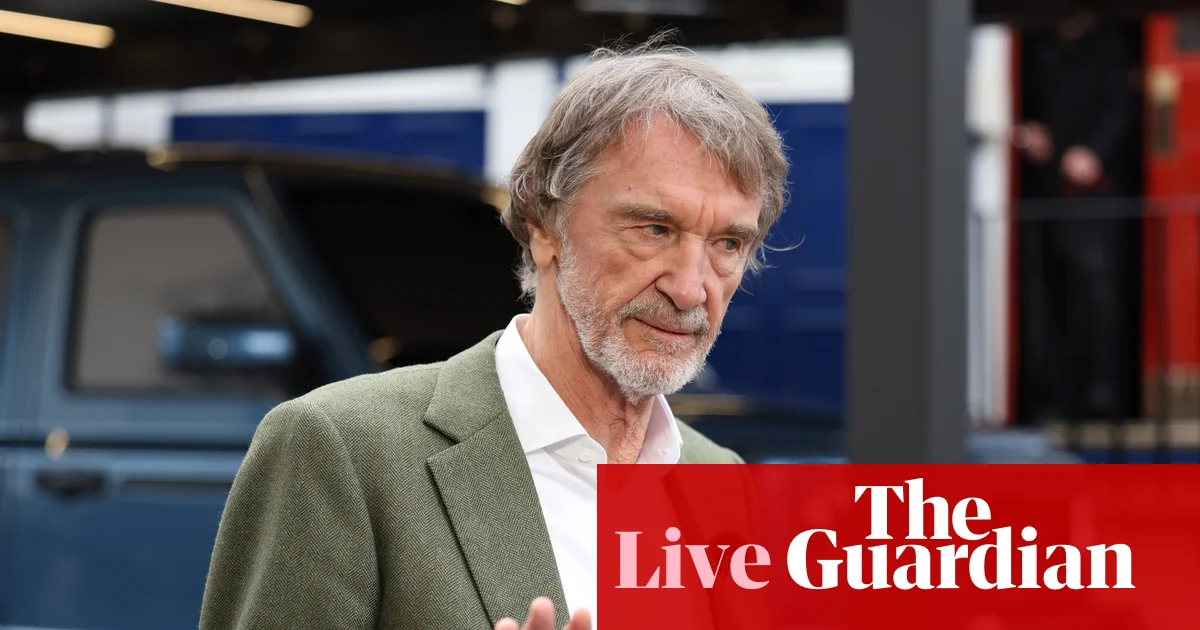
Minister clashes with Ratcliffe over claim UK built by immigrants – Politics Update

UK Politics in Turmoil as Immigration Debate Sparks Government Backlash

Recent developments in London’s political landscape indicate a notable shift in governmental response to contentious issues surrounding immigration and national identity. The controversy erupted when Jim Ratcliffe, a prominent billionaire and co-owner of Manchester United, made inflammatory remarks claiming that the UK is being “colonised” by immigrants. Such statements, especially from a figure known for his financial influence and subsequent relocation to Monaco to optimize his tax obligations, have ignited a fierce debate within political corridors. The UK government, led by Prime Minister Rishi Sunak, swiftly condemned Ratcliffe’s comments, a departure from previous approaches where officials often downplayed or tacitly supported concerns about immigration.

Revelations from Downing Street suggest a strategic recalibration in the government’s stance on immigration discourse. According to sources close to the administration, the rapid rebuttal signals an emerging desire to distance the government from populist inflammatory rhetoric and to avoid alienating moderate voters. Starmer’s Labour opposition has seized the moment, criticizing the government’s perceived reluctance to confront divisive narratives openly. Meanwhile, New Prime Minister Keir Starmer gains confidence to articulate his progressive instincts more boldly, especially as key figures such as Morgan McSweeney, a former chief of staff of Downing Street, have stepped back from the spotlight, providing space for a shift toward more explicit policy debates on migration. The unfolding scenario underscores a broader geopolitical impact: how national narratives around immigration influence international perceptions and negotiations.

Furthermore, senior officials like Justice Minister Jake Richards escalated the rhetoric against Ratcliffe’s comments, asserting that while everyone has a right to their opinion, inflammatory language like “colonised” is offensive and inaccurate. Richards highlighted the hypocrisy of Ratcliffe, pointing out that the billionaire’s personal move to Monaco—primarily to dodge billions in taxes—renders his critique of immigration hypocritical and tone-deaf to common societal concerns. International analysts warn that such internal political maneuvers have broader geopolitical implications, especially as the UK seeks to maintain its global standing amidst shifting alliances and domestic upheaval. Historically, experts like Dr. Eleanor Clarke, a scholar of British politics, emphasize that the British identity remains malleable, but recent verbal battles threaten to deepen societal divides and challenge the country’s international image.

The domestic agenda remains packed, with key moments planned for the day, including healthcare performance data, local political debates, and visits from ministers to regions hit hard by socio-economic challenges. Yet, the real story is transpiring in the corridors of power—where decisions on how to frame national questions about immigration, sovereignty, and economic fairness are setting the stage for future geopolitical positioning. The weight of history presses down on these fleeting moments of political spectacle, as the UK’s internal divisions threaten to redefine its role on the world stage. How leaders navigate these turbulent waters will determine whether the country emerges united or fractured, shaping the narrative for generations to come.

Social Media Auto Publish Powered By : XYZScripts.com



