Matox News

Truth Over Trends, always!

Bad Bunny breaks barriers as Trump laments ‘terrible’ Super Bowl performance

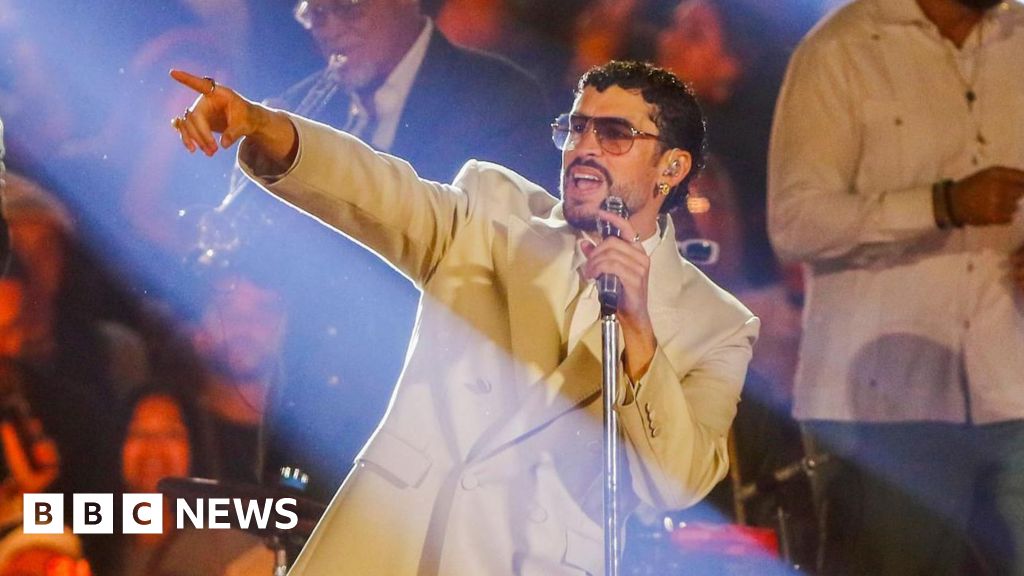
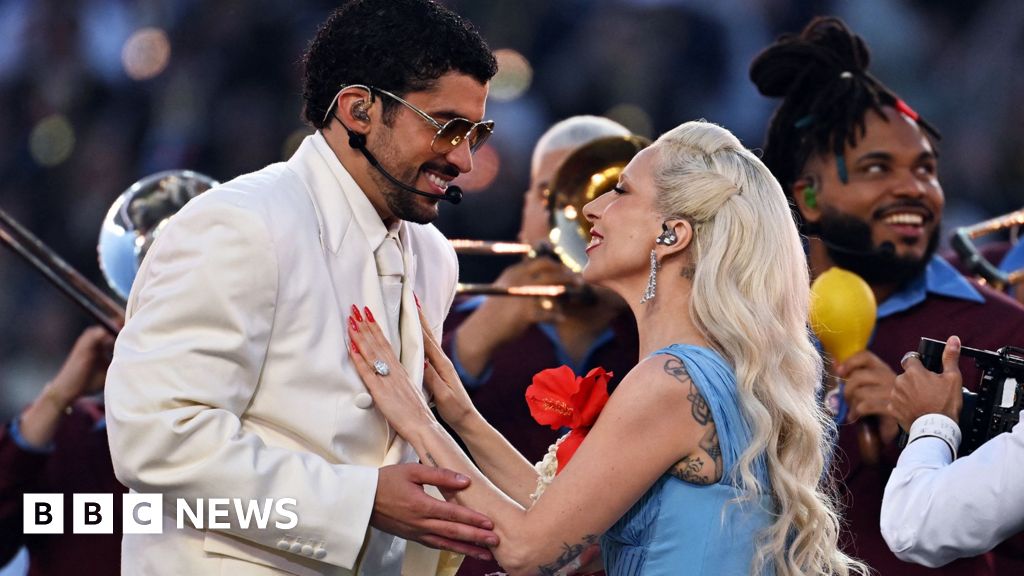
The latest chapter in the global cultural landscape was written not through traditional political declarations, but via the unprecedented presence of Puerto Rican artist Bad Bunny on the world’s biggest sporting stage. Breaking the mold of language barriers, Bad Bunny’s performance, entirely conducted in Spanish, marks a significant milestone in the ongoing cultural shift within international sports and entertainment. As global audiences tuned in, this act of artistic assertion transcended entertainment, signaling a broader undercurrent of regional influence gaining prominence in a landscape often dominated by English-language narratives.

International organizations and sports forums, long viewed as symbols of global unity, have historically favored English as the lingua franca to facilitate communication across diverse nations. However, in recent years, there has been a palpable push towards greater inclusion of diverse cultures and languages, driven by burgeoning regional markets and an increasingly interconnected world. The Tension between globalization and regional identity is now palpable; Bad Bunny’s historic performance exemplifies how this cultural assertiveness challenges the traditional dominance of Anglo-American influence. Historians like Dr. Marco Ríos, a noted analyst of Latin American cultural movements, assert that this moment marks a turning point where “regional voices are asserting their rightful place on the world stage, reshaping cultural dominance.”

From a geopolitical perspective, the rising prominence of Spanish-language entertainment figures directly impacts the economic and political balances within the international arena. As nations like Spain and Latin American countries enhance their soft power, their cultural exports become not just sources of pride but strategic tools—particularly in regions of the world seeking alternatives to Western-dominated narratives. Experts from organizations such as the United Nations have acknowledged this cultural shift as part of a broader reassertion of regional identities. The implications are profound; geopolitical influence, economic prowess, and even diplomatic leverage are increasingly intertwined with cultural production, making events like Bad Bunny’s historic performance a symbolic battleground of influence.

How nations and societies respond to these shifts will shape the future of international relations. The decision of a single artist or event to embrace and elevate regional identity can rally millions, challenge established power structures, and redraw the cultural map of the world. As history continues to be written in this new era, the importance of such moments cannot be overstated. Ultimately, the unfolding narrative suggests that the struggle for cultural supremacy remains at the heart of geopolitics—a contest that can no longer be ignored but demands acknowledgment, for it carries the weight of history yet to be fully realized.
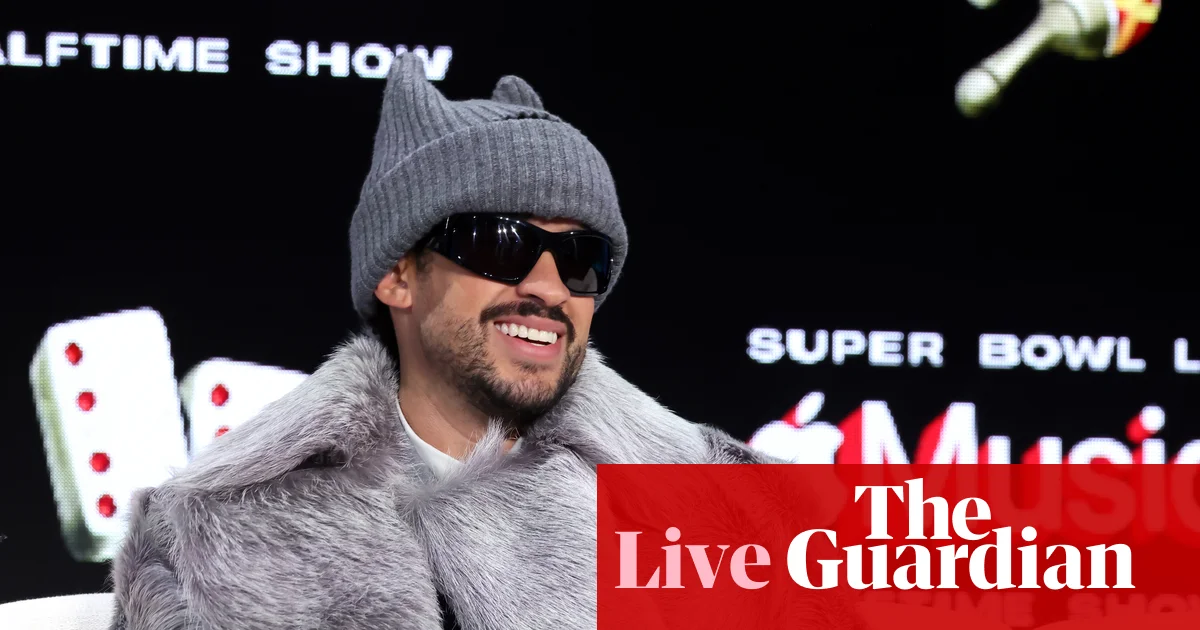
Super Bowl Spotlight: Bad Bunny, Must-See Ads, and the Cultural Vibe—But Forget the Game? | Culture

Every year, the Super Bowl emerges not merely as a pulsating showcase of athletic prowess but as a profound cultural phenomenon, echoing the depths of American identity and societal values. It is a spectacle that transcends the sport itself, serving as a mirror to the nation’s soul—its contradictions, its aspirations, and its enduring traditions. Just as Ortega y Gasset envisaged culture as the collective memory shaping society’s self-understanding, the Super Bowl acts as a grand reflection of an evolving cultural narrative rooted in independence, innovation, and spectacle. From the elaborate halftime shows to the spectacle of advertisements, each element underscores a national identity that celebrates resilience, innovation, and shared memory—a kind of modern mythos that binds the populace in a communal act of remembrance and anticipation.

Beyond the roaring crowds and televised commercials, there is a layered dialogue between tradition and modernity, a dynamic that echoes the cultural shifts explored by historians like Tocqueville, who observed how American democratic taste shapes its cultural expressions. This annual event has become a battleground not only for sportsmanship but also for ideological contestation; as the cultural icons such as Bad Bunny take center stage, their performances resonate with a deeper message about cultural hybridity and the transnational currents that shape modern identity. The controversy around Bunny’s candid political remarks illustrates that even in moments of entertainment, culture remains a site of debate—an arena where societal values are both reaffirmed and challenged. These performances are more than entertainment; they are symbolic acts that speak to the ongoing struggle to define what it means to be American in an increasingly globalized world.

The commercials, often the most eagerly scrutinized component of Super Bowl Sunday, reveal the commercialized yet deeply ingrained desire for connection and shared values. History has shown us that advertising is a reflection of societal desires and anxieties, a truth echoed by critics such as G.K. Chesterton who warned against the commodification of culture. Today, the obsession with artificial intelligence or “AI slop” showcased in these advertisements symbolizes our collective grappling with technological change—a form of mirroring Dante’s idea of modernity as a mirror of the divine or diabolic. These ads, with their levity and satire, serve as cultural markers, punctuating the night with messages about innovation, consumerism, and even cultural integrity, reminding us that society’s future is written in its capacity to interpret and integrate the new while honoring the old.

As the night turns to dawn, and the echoes of drums and cheers fade into memory, the enduring truth remains: culture is not merely entertainment; it is the living, breathing history of a people—its memory and prophecy intertwined. The Super Bowl exemplifies this duality: a festival of tradition underpinned by the spectacle of constant change, where each lyric, each commercial, each performance contributes to the ongoing saga of a national identity in flux. Human civilization, after all, is a cyclical narrative—where memory and prophecy dance in the shadows of eternity. And in this dance, we find that culture is the voice of humanity, speaking across generations, whispering that we are both the inheritors of a storied past and the architects of an unforeseen future.

Bad Bunny takes the Super Bowl stage — what's next for the superstar?
Bad Bunny takes the Super Bowl stage — what’s next for the superstar?

In an era defined by the collision of popular culture and geopolitics, influential figures like Bad Bunny are emerging as more than mere entertainers—they are rallying points for national identity, social justice, and regional sovereignty. The Puerto Rican artist, known worldwide for his musical talent, has publicly acknowledged his sense of responsibility to spotlight societal issues. By leveraging his global platform, he advances critical conversations about Puerto Rico’s ongoing struggle for self-determination, a topic that remains fiercely contentious within and beyond U.S. borders. This underscores a broader trend: cultural icons are increasingly becoming catalysts for political awareness, influencing societal perceptions and potentially aligning international attitudes with regional demands for autonomy.

Since 1898, Puerto Rico has existed as an overseas U.S. territory, an arrangement that has sparked debate among historians, political analysts, and the local populace. Critics argue that the current status undermines self-governance, leaving the island embedded in a semi-colonial relationship with the United States. Movements advocating for independence or enhanced statehood—such as those championed by pro-sovereignty factions—gain momentum when figures like Bad Bunny speak out, fueling debates that resonate across the Atlantic and within U.S. political discourse. According to international organizations like the United Nations, Puerto Rico’s colonial status remains a violation of principles of self-determination, but the debate remains polarized and complex, reflecting broader geopolitical tensions about sovereignty, colonial legacies, and economic dependency.

The significance of these cultural and political alignments extends beyond Puerto Rico’s borders. For instance, in Washington, policymakers face increasing pressure to confront the realities of their overseas territories. National security analysts warn that unresolved territorial questions can be exploited by adversarial powers, destabilizing regional security. Meanwhile, global power dynamics are shifting as nations reconsider the implications of colonial legacies. Historians warn that ignoring such issues risks igniting conflicts rooted in long-standing injustices, as the global community grapples with the criteria for legitimate sovereignty and self-determination. The recent rise of pro-independence sentiments echoes historical moments when cultural identity became an instrument for political leverage, transforming societies and shifting the international landscape.

As the world watches, the enduring story of Puerto Rico, amplified by figures like Bad Bunny, epitomizes how individual voices can ripple across continents. The decisions made today—whether to respect the island’s quest for autonomy or to remain mired in outdated geopolitical arrangements—will shape regional stability for generations. The international community faces a pivotal moment: continue lingering in the shadows of colonial history, or recognize the undeniable drama unfolding within the Caribbean, where hopes for sovereignty clash with economic and political realities. Here, at the crossroads of tradition and change, history is not merely being written—it is being rewritten, with profound consequences for the future of global geopolitics.

Bad Bunny Takes a Stand: Says 'ICE Out' After Grammy Win
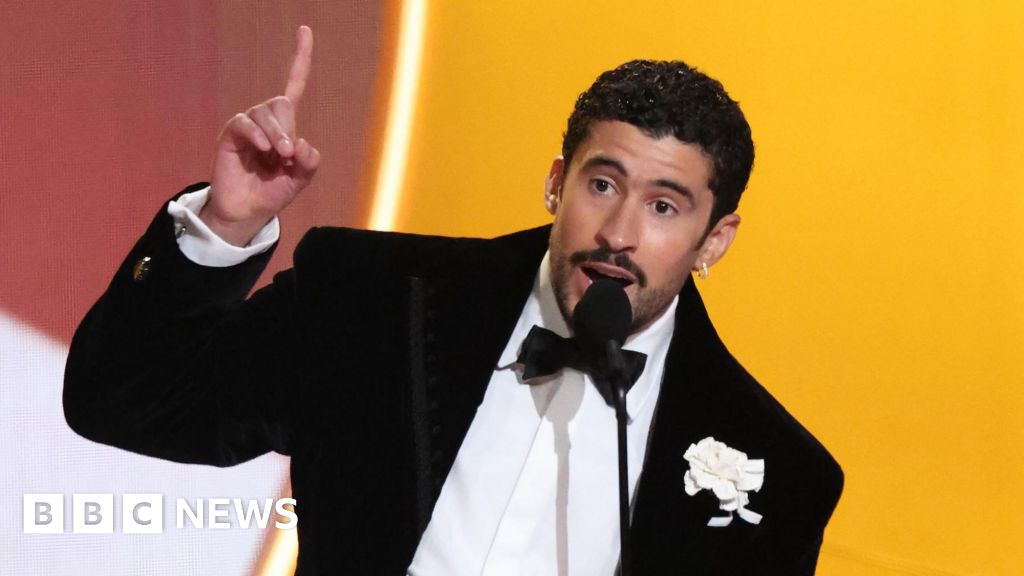
Bad Bunny Takes a Stand: Says ‘ICE Out’ After Grammy Win

The recent surge of international attention surrounding a prominent Puerto Rican artist, poised to win the Album of the Year award, represents more than just a cultural milestone. In an era where pop stars serve as influential voices on political and social issues, this artist’s involvement signals an important intersection of entertainment and geopolitics. While the music industry often reflects societal trends, the implications of such a public figure adopting a political stance extend well beyond entertainment, impacting diplomatic narratives and national identities across the Caribbean and beyond.

Analysts emphasize that the artist’s palpable political engagement can significantly influence geopolitical perceptions. The Caribbean region, historically a crossroads of colonial powers and emerging independence movements, sees its cultural icons increasingly involved in shaping international discourse. Moreover, with the artist’s anticipated win, global institutions and nations are watching how this influence might translate into tangible diplomatic shifts. Certain international observers, including historians specializing in Latin American affairs, argue that when cultural figures mobilize around political issues, they often serve as catalysts—either amplifying local sentiments or challenging established authority structures. Such moments can redefine regional alliances and prompt foreign policymakers to recalibrate their approaches toward Puerto Rico and its cultural exports.

Despite the celebratory view of the artist’s success, critics warn that this bold political stance heralds complexities. The U.S. federal government’s ongoing debates regarding Puerto Rico’s political status, including issues of sovereignty and statehood, are embedded in this cultural backdrop. The artist’s prominence could galvanize diverse political factions on the island, rekindling conversations about independence and autonomy. International organizations, such as the United Nations, have long considered Puerto Rico’s status a matter of decolonization, and this individual’s influence may add fresh momentum or tension to those discussions. As political theorists note, public figures who align with specific ideologies often shape societal debates, influencing the balance between cultural pride and political allegiances.

Historically, artists have played pivotal roles in shaping international perceptions through their work and activism, but the current context signifies something more profound. As global powers watch how this cultural icon’s stance unfolds—potentially a reflection of shifting allegiances or internal divisions—the ripple effects will likely extend to diplomatic corridors. Industry experts and international analysts warn that this phenomenon exemplifies a broader trend: cultural influence increasingly intertwining with geopolitical strategy. Ultimately, as history continues to be written in the charged atmosphere of cultural diplomacy, the question remains whether Puerto Rico’s latest musical star will serve as a unifying symbol or a catalyst for further division—an enduring reminder that, in today’s international arena, the power of the individual is transforming the landscape of global relations.

Bad Bunny Dominates with Five Latin Grammys Ahead of the Super Bowl Showcase

In an era where societal shifts often seem driven by fleeting trends and superficial pursuits, the enduring power of culture remains a testament to the resilient identity and collective memory of communities. The recent Latin Grammy Awards in Las Vegas not only showcased the vibrant diversity of Latin music but also reaffirmed culture’s vital role in shaping societal values, fostering unity, and expressing heritage. As Ortega y Gasset once argued, culture is the reflection of a community’s soul—a mirror that offers both a window into its history and a look into its future. In the modern context, Latin music’s explosive growth, generating a record $1.4 billion in 2024 and comprising over 8% of U.S. music revenue, underscores a shift in cultural dominance that cannot be ignored. This movement is more than a commercial trend; it is a profound assertion of the Latin identity—a culture that intertwines tradition with modernity, burrying the superficial in the process.

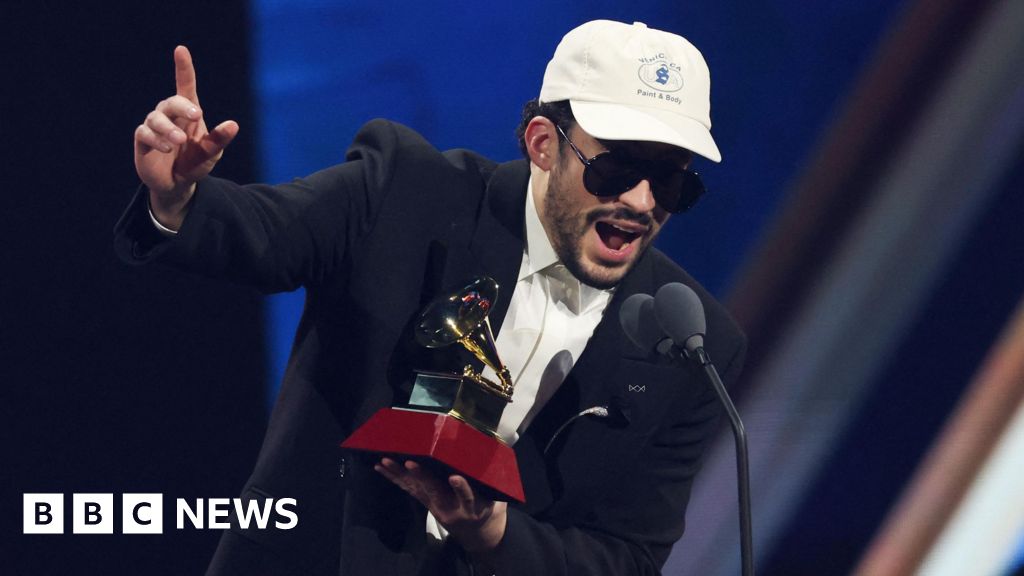
Getty Images Bad Bunny accepts his Latin Grammy award
Getty Images: Bad Bunny, the unapologetic voice of a generation, accepting his Latin Grammy for Album of the Year, “Débi Tirar Más Fotos.”

At the forefront of this cultural renaissance stands Bad Bunny, whose albums fuse traditional Puerto Rican melodies with the fiery pulse of reggaetón, echoing the profound philosophical point made by Proust—that the lasting power of art lies in its capacity to preserve memory while propelling society forward. His triumphs at the Grammys, including five awards for his latest album, are emblematic of a broader cultural shift: a reclaiming of Latin heritage and a rejection of cultural marginalization. Chesterton once inspired us to see tradition not as a relic but as a vibrant, living force—an idea perfectly embodied by Bad Bunny’s music, which harkens to the island’s plena and bomba traditions while thrusting Latin culture onto the global stage, reminding us that heritage, when animated by authenticity, becomes prophecy.

Reuters Ca7riel and Paco Amoroso celebrate with Latin Grammy trophies
Reuters: Ca7riel and Paco Amoroso, two Argentine icons, embody a new wave of artistic expression—raw, eccentric, and rooted in genuine friendship—signaling a shift in cultural paradigms towards authentic community bonds.

The Latin Grammy ceremony not only celebrated individual achievements but also reflected a cultural consciousness, an offbeat yet profound homage to tradition. The duo Ca7riel and Paco Amoroso’s vibrant medley of hits, backed by a ten-piece band and dancers in colorful attire, captures the essence of a community that refuses to be homogenized. Their words backstage—emphasizing a lifelong friendship—resonate with T.S. Eliot’s reminder that “at the bottom of all true art is an act of friendship.” Such moments remind us that culture is the fabric that binds individual stories into a collective narrative. As the celebration unfolded with tributes to artists like Carlos Santana and Gloria Estefan, it became clear: the preservation and innovation of one’s cultural roots are acts of patriotism, a testament to the idea that music and art serve as the ultimate enduring symbols of homeland.

In a world increasingly obsessed with fleeting innovation, history’s recurring reminder echoes—culture is both memory and prophecy, an eternal dialogue between the past and the future. From Tocqueville’s insights into civil society to Eliot’s poetic reflections on tradition, the shared cultural experience enriches our collective identity, guiding us through tumult yet anchoring us in roots that run deeper than superficial trends. Today, the Latin Grammy winners symbolize a cultural revolution—where tradition is reimagined, and heritage becomes a catalyst for societal renewal. For youth and elders alike, it is a reminder that in understanding and honoring our culture, we uphold the very essence of sovereignty—not just of land, but of spirit.

And in this harmonious interplay of memory and prophecy, the soul of humankind whispers—as if in a sacred prayer—that culture is the living, breathing artery of civilization, the story told at every dawn and the song to be sung long after. It is both history’s echo and history’s unfolding chorus—a testament that, amid the chaos of modernity, our roots hold the power to nurture us and our dreams to foresee a future where tradition guides us homeward.

Bad Bunny Sparks MAGA Frenzy Amid Youth Wave

Innovation at the Intersection of Culture and Business

Over the past year, emerging trends in technology and entertainment reveal a clear shift toward disruption and cultural resonance. A prime example is the strategic partnership between the NFL and Bad Bunny, a move that exemplifies how traditional industries recognize the necessity of integrating cutting-edge cultural icons to stay relevant on the global stage. This collaboration signifies more than just an entertainment stunt; it embodies a deliberate effort to rebrand the league and tap into the fastest-growing demographic segments, particularly the Hispanic market.

Recognized as the most streamed artist worldwide from 2020 to 2022, Bad Bunny has become a pivotal figure in reshaping the entertainment landscape. His influence, fueled by innovation in digital distribution and social engagement, exemplifies how disruption in the entertainment industry leads to new revenue streams and audience segmentation. The NFL’s calculated move to secure such a global icon signals a broader shift: traditional sports franchises are now leveraging cultural relevance and social identity to amplify their brand equity and ensure sustainable growth in a rapidly evolving marketplace.

Technological Innovation Driving Cultural Relevance

This strategic synergy is reinforced by an industry-wide emphasis on integrating technological advancements to enhance engagement and appeal. For example, Gartner highlights how live streaming, augmented reality, and personalized content delivery are transforming how audiences connect with their favorite sports and entertainment icons. Such innovations not only facilitate global outreach but also enable brands like the NFL to harness data-driven insights for targeted marketing campaigns.

The NFL’s partnership with Jay-Z’s Roc Nation exemplifies this approach—melding cultural influence with technological sophistication to produce content that sparks social dialogue. Kendrick Lamar’s politically charged 2024 Super Bowl halftime show epitomized risk-taking—using American symbolism for critique—demonstrating that disruption in content can be a potent tool for media engagement and societal reflection. These shifts underscore the industry’s recognition that standing still is tantamount to losing market relevance, especially among younger, digitally-native audiences.

Business Implications and Industry Transformation

  • Traditional media consumption models are being challenged by interactive and immersive formats that promote engagement beyond the screen.
  • Brands that adopt a platform-agnostic approach—integrating music, sports, and social activism—gain a competitive edge by building authentic connections with diverse demographic groups.
  • The emphasis on representation and inclusion is no longer peripheral but central to marketing strategies, serving both cultural and shareholder value.

As expert analysts from institutions such as MIT and Forrester observe, these shifts are indicative of a new paradigm—where innovation and social relevance drive consumer loyalty and revenue in tandem. The rapid pace of technological evolution demands that industry players, from sports leagues to entertainment giants, prioritize agility and cultural intelligence. The next decade promises a landscape where disruption will be the norm, and those who fail to adapt risk obsolescence.

In conclusion, the convergence of technological innovation, cultural disruption, and strategic business positioning sets the stage for a future where industries are more interconnected, competitive, and dynamic than ever before. As figures like Elon Musk and Peter Thiel have long emphasized, embracing change is not optional—it’s essential for survival. The challenge now lies in leveraging these shifts swiftly and decisively, or else being left behind in the wake of relentless progress.

Social Media Auto Publish Powered By : XYZScripts.com