Matox News

Truth Over Trends, always!

Top Chromebooks of 2026: The Few That Stand Out from the Mediocre

Chromebook Market Transforms with Budget-Friendly Innovation

The Chromebook segment is experiencing a wave of disruption driven by technological innovation and fierce price competition, challenging traditional notions of premium and budget computing. Notably, companies like Acer and Asus are redefining value by rolling out models that pack substantial performance yet maintain affordable prices—often below $200—and, in some cases, under $150. The advent of such budget-friendly yet reliable devices signals a burgeoning shift in the industry, driven by consumer demand for productivity on the go without breaking the bank.

Among the standout innovations, the Acer Chromebook Plus 516 exemplifies a leap in usability, notably with a quality touchpad that enhances user experience—a feature often overlooked in this market segment. Equipped with an Intel Core i3 processor, 8 GB of RAM, and a 128 GB SSD, it offers a compelling value at around $350, fitting into the emerging “premium budget” category. However, where it truly disrupts is in combining performance and affordability, challenging entrenched brands that relied on higher prices for basic functionality. Conversely, Asus’s budget Chromebooks, particularly the CX14 and CX15, cater to an entirely different segment with configurations starting as low as $130. These models, despite their affordability, incorporate features like larger touchpads, streamlined chassis, and attractive colors—such as the striking blue of the CX15—indicating a conscious shift towards appealing design and usability across market tiers.

This wave of innovation isn’t solely about hardware. Industry giants like Gartner and forward-thinking entrepreneurs like Elon Musk and Peter Thiel are emphasizing the importance of disruption in hardware economics—with cheaper components and more efficient manufacturing processes. The impact extends beyond consumers; it influences business models, with cloud computing and AI-driven management tools enabling manufacturers to reduce costs further while massively scaling production. The industry is witnessing a broader industry shift towards democratizing access to high-performance laptops, barreling through the longstanding barriers of cost and design aesthetics.

Looking ahead, the terrain remains ripe for further innovation, as *faster chips*, *better displays*, and *more sustainable designs* emerge as key battlegrounds. Industry analysts like Gartner warn that failing to adapt quickly could see higher-end manufacturers lose ground to disruptors offering more bang for the buck. With consumer preferences pivoting rapidly towards versatile, affordable tech, companies willing to push the boundaries of innovation—be it through foldable screens, AI integration, or enhanced battery tech—will be the timekeepers of industry leadership. The push for disruption in the Chromebook market illustrates a broader trend: that in the race for technological supremacy, affordability and usability will define winners—and losers.

In an era marked by relentless innovation, the drive towards increasingly powerful yet affordable computing devices guarantees that the future belongs to those agile enough to anticipate market shifts. For tech companies, the key will be to harness emerging technologies faster than competitors while reimagining business models to sustain profit margins. As the market heats up with new entrants and groundbreaking features, the urgency to innovate has never been greater. Ultimately, the question remains: who will seize the opportunity to redefine the standard, and who will be left behind in the wake of this rapidly evolving landscape?

Top Meta Glasses of 2026: Ray-Ban, Oakley, and the Future of AR Tech

Meta’s Oakley Meta HSTN: Disrupting Wearable Tech Market with Innovation & Disruption

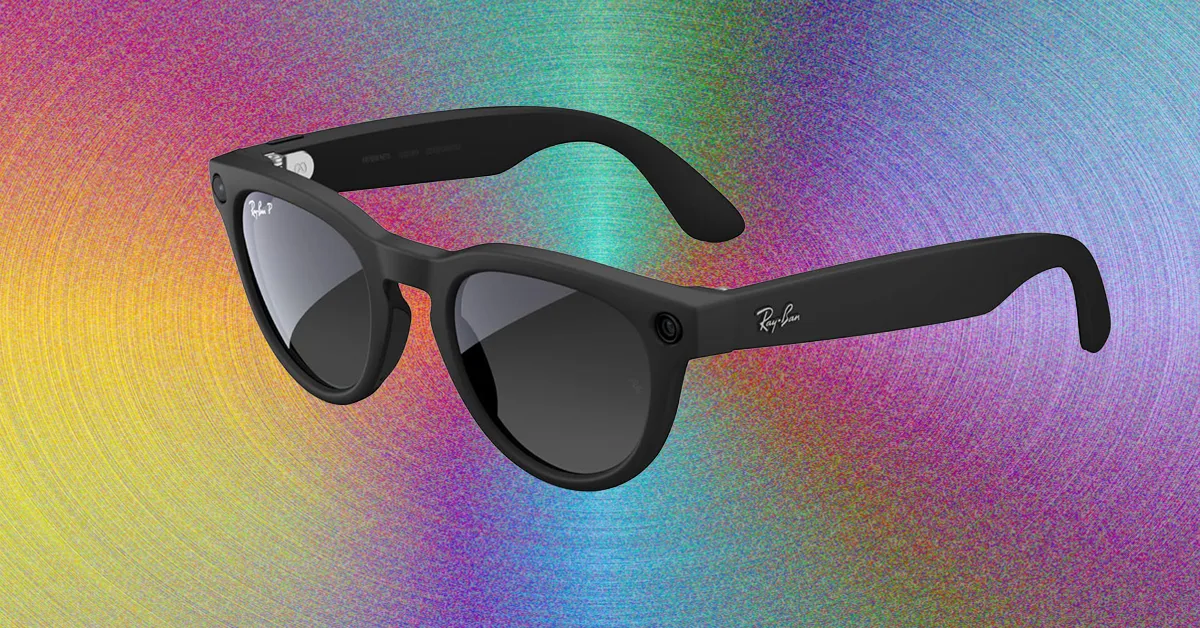
In a bold move that exemplifies the relentless push for innovation in wearable technology, Meta has unveiled a new line of high-performance smart glasses—the Oakley Meta HSTN. These devices are not just another iteration of augmented eyewear; they represent a strategic disruption targeting outdoor enthusiasts, athletes, and social influencers alike. By seamlessly integrating with platforms like Strava and Apple Music, Meta is demonstrating that the future of wearable technology hinges on robust ecosystem integration—an essential for capturing consumer loyalty in an increasingly competitive landscape.

Meta’s move signals a clear industry shift, emphasizing versatility and immersion in outdoor and sports activities. The Oakley Meta Vanguard smart glasses, introduced last year, are designed as multifaceted devices—combining high-end sports sunglasses, workout headphones, and even action cameras. Unlike traditional devices constrained by single-functionality, these glasses embody the ongoing trend of disrupting standalone device markets. Analysts from Gartner emphasize that such convergence of functionalities can redefine consumer expectations, forcing incumbents to innovate or risk obsolescence. The Vanguard’s innovative camera placement—on the bridge of the nose—eliminates fisheye distortion, signaling Meta’s focus on enhanced user experience through technical refinement.

The business implications are significant. As Meta continues to craft devices tailored for athletes, content creators, and influencers, the market approach appears to favor disruption through high-end hardware paired with intelligent AI integration. Features like auto-capture enabled via Garmin watches showcase an emerging trend: smart devices that automate and streamline content creation, empowering users to produce professional-quality material effortlessly. This convergence creates an ecosystem where hardware and AI work symbiotically—a strategy that none of the Big Tech companies previously masterfully executed at this scale. Such innovations threaten traditional camera and audio markets and signal new revenue streams rooted in subscription services, platform lock-in, and data monetization.

Looking forward, industry leaders like Elon Musk and Peter Thiel are watching this evolution closely, recognizing that the integration of AI and hardware is fundamentally transforming consumer behavior and commerce. MIT researchers have highlighted how these disruptions accelerate adoption of AR/VR workflows, with Meta’s advancements setting a new benchmark in wearable tech design and functionality. Time is now for competitors to adapt or face being left behind. As the race for dominance in smart wearables intensifies, the real question is how fast these innovations can scale and integrate into our daily lives—raising both opportunities and urgent calls for strategic agility within the tech sector.

Top Smart Home Gear to Elevate Your Curb Appeal in 2026

Smart Home Revolution Accelerates with Cutting-Edge Innovations and Industry Disruption

In a landscape marked by rapid technological evolution, companies like Birdfy, Govee, Cync, and Lutron are redefining the future of smart home technology. The latest wave of innovations—from wireless video doorbells to motorized shades—are not only enhancing user convenience but are also shaking up traditional markets. Experts from Gartner and MIT highlight that these disruptions are poised to overhaul how consumers and businesses approach home automation, emphasizing disruption driven by innovative designs, seamless integration, and increased affordability.

Smart Security and Aesthetic Revolution

Leading the charge, Birdfy has launched an advanced dual-camera, wireless video doorbell that integrates seamlessly into outdoor aesthetics, challenging the perception that smart security gadgets must sacrifice style for function. The battery-powered version, which requires recharge every couple of weeks, offers portability and flexibility, while the wired variant remains a top choice among professionals, as highlighted by Wired’s comprehensive guide. This technological leap signifies a breakthrough in user-friendly reliable security and a pivot away from bulky, conspicuous devices. The implications are substantial: manufacturers now prioritize elegant design without compromising feature sets, signaling a shift towards smart gear becoming integral yet unobtrusive parts of home design.

  • Features include high-definition video, easy installation, and adaptive alerts.
  • Market potential is expanding as consumers increasingly seek stylish, integrated security solutions.
  • Business impact centers on competition with traditional security firms and new revenue streams from smart accessories.

Smart Lighting and Shades—Form Meets Function

Meanwhile, the smart lighting sector, led by brands such as Govee and Lutron, is evolving into a sophisticated industry with “invisible” shifts in aesthetic standards. The Govee outdoor clear bulb string lights and SmartWings motorized shades exemplify this trend. The Shades, particularly, highlight the convergence of design and automation—offering a sleek, cohesive look and customizable privacy features. By automating window coverage in harsh west-facing sunlight, users gain energy efficiency and aesthetic upgrades, fueling market growth for interior and exterior home beautification through tech.

Industry analysts underscore that these smart shades herald an era where home automation will become standard in curb appeal strategies and energy conservation. As Peter Thiel has suggested, disruptive technological adoption accelerates when solutions are both practical and visually appealing, a principle evident in these new product categories.

  • Innovative features include scheduled automation, remote control, and integration with voice assistants.
  • Business implications include expanding premium markets and encouraging user customization.
  • The integration of such tech into existing homes drives a new wave of renovation and upgrade opportunities.

Invisible Integration and Industry Impacts

Furthermore, the industry is witnessing a surge in “invisible” upgrades—smart devices that enhance functionality without altering home aesthetics. Products like Yale’s Approach Lock and Chamberlain’s MyQ Smart Garage Controller exemplify this trend, allowing homeowners to upgrade security and convenience discreetly. Such innovations are disrupting mechanical hardware markets, compelling traditional lock and garage door manufacturers to pivot towards smart, retrofit solutions that require minimal hardware changes.

This shift towards discreet, powerful smart integrations portends a future where home automation becomes an unseen yet essential component of home infrastructure. Analysts suggest that with consumer preference leaning towards seamless, unobtrusive tech, the industry must innovate boldly to stay relevant, and those firms that lead in aesthetic-utility integration will dominate.

The Road Forward: Urgency and Opportunity

As the smart home ecosystem expands, the urgency for companies to pursue rapid innovation grows. The disruption of traditional markets, fueled by sleek and affordable solutions, spells opportunity for disruptive startups and established giants alike. With industry pioneers leveraging AI, IoT, and aesthetic design to redefine user expectations, the next decade promises unprecedented transformation. Stakeholders must act swiftly; the future belongs to those who innovate at the intersection of form, function, and disruption.

In conclusion, the smart home revolution’s momentum underscores an industry in flux—where disruption is no longer optional but imperative. The ongoing integration of stylish, intelligent devices signals a new era: one where technology enhances home life invisibly yet profoundly. Those who seize these opportunities now will shape the future landscape of home automation, setting the pace for a smarter, more connected world.

Top Merino Wool Gear for 2026: Base Layers, Hoodies & Jackets for the Modern Explorer

Revolutionizing Outdoor Apparel: The Disruption of Natural Fibers in Tech-Driven Brands

The outdoor apparel industry is experiencing a significant paradigm shift, driven by pioneering companies harnessing biologically-based, sustainable fibers and redefining what rugged, high-performance gear means for a new generation of enthusiasts. At the forefront, companies like Paka and Darn Tough are pushing the boundaries of innovation in material science, challenging traditional synthetic and untreated wool products. Their focus on natural fibers such as Merino wool and alpaca, combined with advanced engineering, demonstrates an industry ripe for disruption — one that emphasizes both environmental responsibility and peak performance. Analysts from Gartner have highlighted this segment as “one of the most promising early-stage innovations in consumer textiles,” signaling a business climate poised for rapid evolution.

The technical merits are undeniable: merino wool and alpaca fibers—such as the 65% royal alpaca blend combined with recycled nylon—offer natural thermoregulation, odor resistance, and lightweight warmth, making them an attractive alternative to synthetics. Industry experts, including MIT researchers, note that such materials enable products to deliver “disruption on both a consumer and environmental level,” aligning with a broader shift toward eco-conscious consumption. These companies are not just making clothing; they are engineering a new value proposition built upon versatility, sustainability, and durability. The recent release of the Furlong sweater, crafted from Irish Donegal yarn, exemplifies this ethos—offering a rugged, rustic aesthetic for the eco-aware youth seeking authenticity coupled with innovative comfort.

Additionally, the private sector’s response has been brisk.

  • High-performance base layers—merino socks, underwear, and bras—are rapidly replacing traditional synthetics due to superior softness, durability (often backed by unconditional lifetime guarantees), and natural odor eradication.
  • Durability and longevity—products like Darn Tough socks exemplify how natural fiber blends, around 50/50 nylon and merino wool, achieve enduring performance, often lasting years under intense conditions without wear.
  • Market leadership—such as Paka offering alpaca tops at approximately $159, boasting environmentally friendly production and broad color ranges—demonstrates the profit potential in blending **luxury appeal with sustainability**. Such brands are transforming the outdoor sector from a niche into a lucrative, disruptible business frontier.

Business analysts, including those from Gartner and Elon Musk’s venture firms, emphasize that these innovations are merely the surface of a much deeper transformation rooted in material science, consumer behavior, and societal values. The integration of recycled nylon and other eco-friendly materials reflects a societal demand for responsible manufacturing without compromising performance, opening pathways for traditional brands to be displaced by agile, innovation-driven startups. In a landscape dominated by rapid technological advancement and a conscious consumer shift, the traditional textile industry risks being left behind unless it adapts swiftly to this disruptive wave of bio-based materials.

Looking ahead, the development of natural fiber technology signals a future where performance, sustainability, and youth culture converge. Industry leaders and investors must recognize that timing is critical: the brands that invest in cutting-edge bio-fibers and sustainable manufacturing processes will set the tone for the next decade. The question remains—will established giants embrace this innovation as a core business strategy or await being rendered obsolete by agile disruptors? The industry must prepare for a future where sustainable, high-performance apparel is not just a selling point but a defining characteristic of global outdoor and athletic sectors. In essence, the race is on—those who innovate earliest stand the best chance of capturing the next wave of consumer loyalty and market leadership.

Top Kids’ Bikes of 2026: Woom, Prevelo, Guardian & More for Young Riders

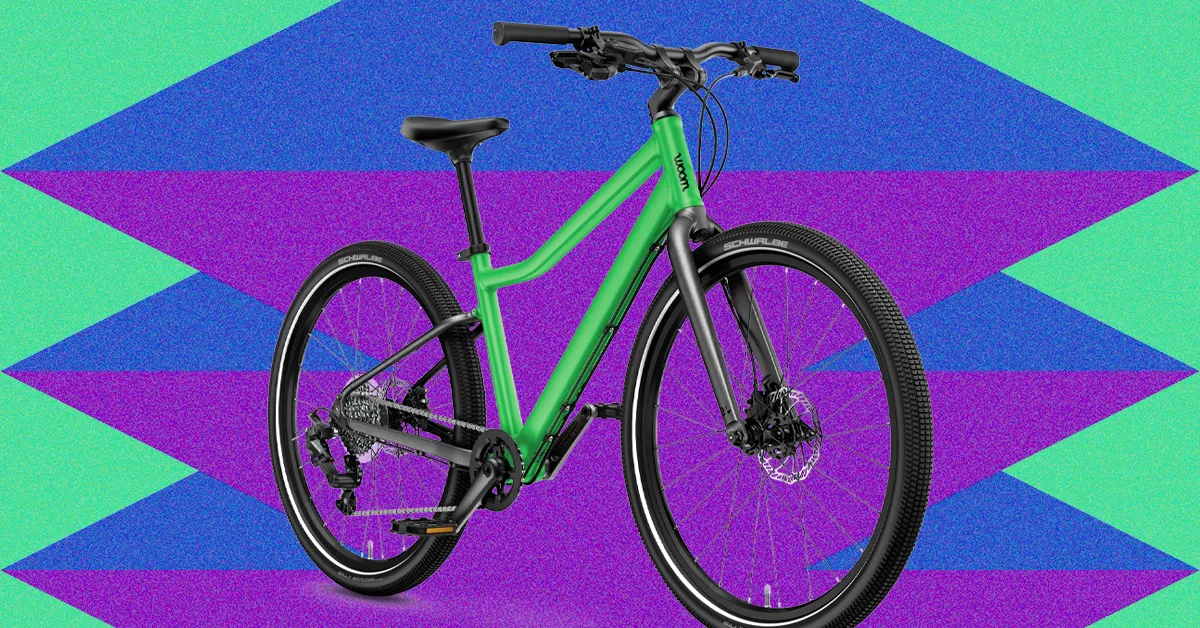
The global market for children’s bicycles is experiencing a rapid wave of technological innovation that signals broader industry disruption. Leading brands are integrating advanced safety features such as Mips technology, an in-helmet system designed to combat rotational impact and reduce concussions, and embedded digital access—like Twiceme chips—allowing instant access to critical medical data via smartphones. These developments reflect an imminent shift akin to the broader tech revolution, with safety and connectivity prioritized at the forefront. Industry analysts, including Gartner and MIT’s Media Lab, acknowledge that such smart safety innovations could set new standards, forcing traditional manufacturers to pivot or risk obsolescence.

Meanwhile, the competition is further disrupted by innovative form factors and manufacturing approaches that challenge the status quo. Companies such as Linus and ByK are pushing the envelope with lightweight alloy frames, vegan leather accents, and sleek, minimalist designs that appeal to both parents and children—leading to a renaissance in aesthetic and functional design. This wave of premium features comes with a price tag—around $400—but is justified by durability, safety, and style, which are increasingly valued by a new generation of consumers. The industry’s digitization also fosters a burgeoning secondary market—via platforms like eBay and Facebook Marketplace—highlighting a shift from linear purchase models to circular economies, a pattern experts like Peter Thiel have long predicted as vital for sustainable business models.

However, the most significant market implications are observable in emerging features that set the foundation for an integrated mobility ecosystem. For instance, the adoption of lightweight, pedal-enabled bikes like Nüdl’s Unicorn Helmet with Mips goes beyond safety, embedding social and health data that foster community and emergency responsiveness. Such innovations anticipate a future where bicycles are not just toys but connected, intelligent devices—a trend seen in broader tech giants’ ventures into wearable and IoT-enabled devices. As industry leaders like Elon Musk and disruptors inspired by insights from institutions like MIT and Gartner emphasize, the convergence of IoT, AI, and edge computing will redefine mobility solutions across all age groups, including children. This transformation creates both opportunities and challenges, demanding manufacturers innovate quickly to maintain competitive advantage or risk getting pushed aside by agile, tech-savvy startups.

Looking forward, the potential for disruption in children’s mobility markets signifies a broader narrative of technological revolution that could — within a few short years — overhaul entire sectors. The integration of safety, connectivity, and design indicates a clear trajectory toward smart, adaptive, and personalized transportation options. Industry giants and startups alike are racing to secure their positions in this fast-evolving space, driven by the primal demand for safety, style, and environmental consciousness among a new generation of consumers. As Peter Thiel’s principles of technology leverage emphasize, foundational shifts in markets usually precede exponential growth—making now the critical moment for investors, entrepreneurs, and policymakers to act with urgency. The next wave of innovation is approaching swiftly, and those who adapt first will shape the future of mobility, for children and beyond.

Top Bluetooth Trackers for Your Apple and Android Devices

Revolutionizing Personal Asset Management: The Future of Bluetooth Trackers

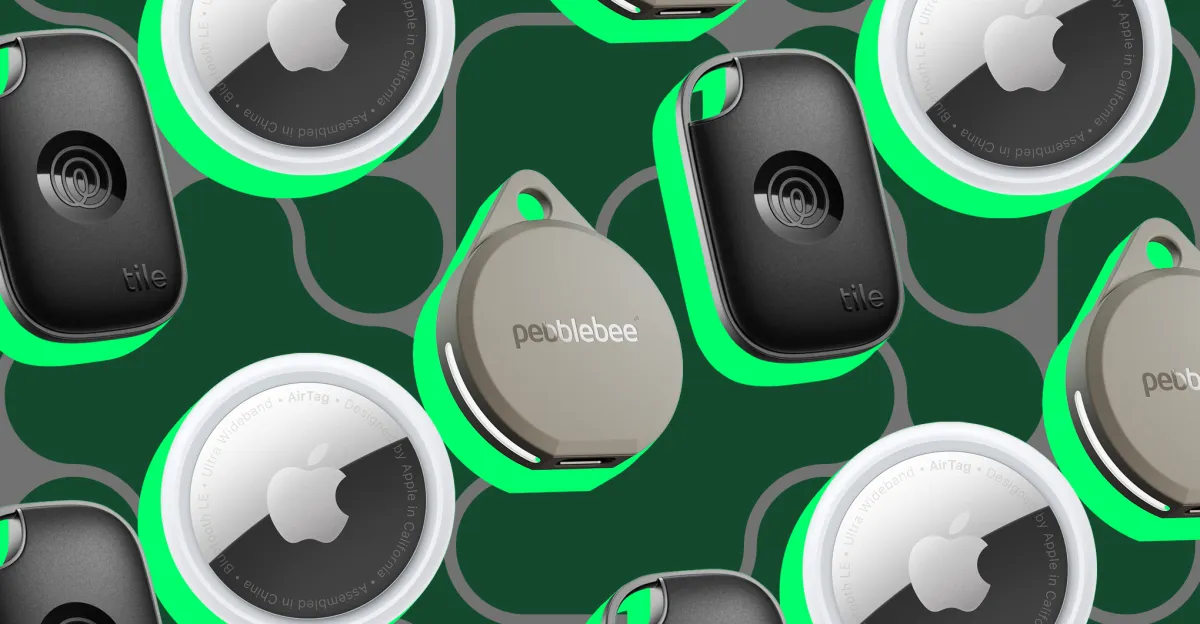
In recent years, Bluetooth trackers have transitioned from novelty gadgets to critical tools shaping the landscape of personal asset management and security. Leading tech giants like Apple, Tile, and emerging players such as Pebblebee are aggressively innovating, disrupting traditional methods of item recovery and security. The latest advancements—particularly integration with ultra-wideband (UWB) technology—are positioning these trackers as essential components in the New Digital Ecosystem. This evolution not only enhances user experience but significantly impacts how businesses and consumers handle lost items, theft prevention, and safety protocols, marking a profound shift in both consumer electronics and security industries.

At Apple, the introduction of second-generation AirTags exemplifies this innovation surge. Equipped with an upgraded UWB chip, the new AirTag delivers precision finding capabilities that far surpass the accuracy of traditional Bluetooth trackers. The device leverages Apple’s extensive Find My network, turning billions of Apple devices into a seamless, anonymous tracking grid—an industry disruptor that competitors are racing to emulate. The implications for disruption are colossal; Apple’s integration of UWB and proprietary features rest on a strategic business move that consolidates its ecosystem dominance, making it a formidable gatekeeper in personal tracking security. The trend towards hyper-precise tracking is poised to redefine user expectations, elevate security standards, and drive market growth in the next decade.

Emerging Competition and Market Dynamics

While Apple primes the market with precision, Android-based solutions are rapidly catching up. Tile continues to be the dominant provider for Android households, offering versatile form factors such as the Tile Slim and the larger Tile Pro. Notably, Tile’s recent support for anti-theft features—including ‘Scan and Secure’ alerts—demonstrates a burgeoning focus on consumer safety, addressing concerns around unauthorized tracking and privacy breaches. As a result, the market sees industry shifts towards anti-stalking technology, inspired by regulations and user safety demands, such as the highly innovative anti-stalking features coming with Tile’s recent lineups.

Furthermore, companies like Pebblebee and Samsung are innovating with features like rechargeable batteries, water resistance, and integration with large ecosystems—including Google’s Find Hub. The upcoming Eufy SmartTrack Card E40 aims to blend wireless charging with broad compatibility, including support for Google’s network. These developments signify market polarization—where innovation, privacy features, and cross-platform compatibility become key differentiators—shaping a fiercely competitive environment that demands agility and strategic foresight from industry leaders.

Implications for Business and Consumer Security

The disruption fueled by these technological strides carries enormous business implications:

  • Increased Market Penetration: Companies integrating UWB and privacy-centric features will access new consumer segments particularly concerned about security and theft prevention.
  • Enhanced Ecosystem Lock-in: Apple’s ecosystem advantages become more pronounced as their trackers leverage the Find My network, which, combined with innovative features, could create significant barriers for competitors.
  • Regulatory and Ethical Challenges: As anti-stalking and privacy protection features become standard, companies must navigate complex regulatory environments and develop ethics-focused security protocols.

Looking ahead, the rapid pace of innovation compels industry stakeholders to prioritize disruption-ready strategies—leveraging new tech like UWB, cross-device compatibility, and privacy innovation. With market dynamics tilting towards integrated, precise, and ethically conscious solutions, the race to dominate won’t just be thermal—it’s about shaping the security realities of tomorrow. For forward-thinking businesses and tech aficionados, seizing this moment is critical; the innovations now unfolding will define the next era of personal security and asset recovery, urging an immediate embrace of disruption or risk obsolescence.

Top Mattresses for Back Pain in 2026: Saatva, Bear, Helix Lead the Way

Revolutionizing Rest: Sleep Industry Faces Disruption Amidst Innovation Surge

The sleep industry, long dominated by traditional mattress makers, is witnessing a dramatic wave of disruption driven by cutting-edge technologies and innovative business models. As startups and established companies alike push the boundaries of comfort, support, and health benefits, the implications extend far beyond the bedroom, promising to reshape consumer health, wellness markets, and even the broader tech ecosystem.

Leading this charge are companies leveraging smart materials, personalized firmness adjustments, and organic support layers—pioneering an era where sleep solutions are increasingly tailored to individual needs. For instance, Saatva’s Solaire offers remote firmness control, an innovation that aligns with *Peter Thiel’s* philosophy of decentralizing control and empowering individual preferences, signifying a potential business model shift from manufacturing to user-centric experiences.

Analysts from Gartner emphasize that such innovations aren’t merely about comfort—they are disrupting the fundamental value propositions of traditional mattress giants who relied on physical retail dominance. Instead, direct-to-consumer brands like Leesa and Wolf Mattress demonstrate that online channels combined with advanced product tech can create scalable, profitable niches in the wellness-to-smart-tech continuum. This underscores a market shift toward *digital-first, customization-driven platforms* that threaten established brick-and-mortar dominance.

Innovation and Industry Transformation

Furthermore, emerging companies are integrating organic, breathability-focused support systems, which align with broader consumer trends towards health-conscious and environmentally friendly products. The Essentia’s Tatami Organic Mattress

This innovation spectrum—ranging from organic support cores to responsive internal air chambers—reflects *a broader push toward disruption* that could overthrow incumbents by offering smarter, more adaptable sleep solutions. The industry is not only changing how people sleep but also how they approach health and wellness holistically.

Business Implications: Opportunities and Challenges

The shift to disruptive, tech-enabled sleep solutions poses significant business implications: traditional firms face the pressure to innovate or risk obsolescence. As Elon Musk often advocates, embracing rapid technological development and innovative distribution channels is key to survival in an era where consumers demand personal comfort with high tech integration. Likewise, subscription models for premium sleep tech will likely dominate the landscape, locking users into continuous innovation loops.

However, this rapid pace of change also introduces challenges. The proliferation of advanced materials and customizable features necessitates new standards and regulatory frameworks. As Gartner warns, the risk of *overhyped promises and subpar products* increases, emphasizing the need for rigorous testing and consumer education. Moreover, the industry’s sheer growth—focused heavily on user-data collection to refine personalized experiences—raises *privacy and security* concerns that must be addressed swiftly to sustain consumer trust.

Looking ahead, the intersection of *health, technology, and direct consumer engagement* signals a future where sleep technology becomes a core component of personal wellness ecosystems. Companies that innovate quickly—harnessing AI, organic materials, and digital interfaces—will likely define market leadership. Yet, those slow to adapt risk being displaced in a landscape where *disruption is the new norm* and consumer expectations continue to elevate. The urgency is clear: the industry stands on the cusp of a revolution that could significantly influence not only how we sleep but how we live and thrive in an increasingly tech-driven society.

Top 14 Travel Toiletry Bags for Young Adventurers: Tested & Trusted for 2026

Revolutionizing Travel Gear: The Future of Business Innovation in Personal Accessories

The world of travel accessories, historically characterized by simple, utilitarian designs, is undergoing a profound shift driven by cutting-edge materials and disruptive manufacturing techniques. Industry leaders such as Monos, Beis, and Aer are spearheading a competitive race to redefine what consumers expect from everyday travel essentials. In an era where innovation is no longer ancillary but fundamental, these brands are leveraging new fabric technologies, sophisticated construction, and strategic design to both elevate their market position and challenge established giants.

For instance, Monos’ Metro Toiletry Case exemplifies material innovation by incorporating ultra-durable vegan leather that balances resilience with lightweight portability. Its structured yet flexible design exemplifies disruption in product form factor—melding protection with packability—a paradigm shift recognized by analysts from Gartner and notable brands like Apple in embracing form-meets-function. Meanwhile, Beis’ Dopp kit exemplifies the application of advanced manufacturing processes such as seamless water-resistant compartments, raising the bar for durability and ease of cleaning—an essential for the burgeoning clean and sustainable travel trend.

Beyond material innovation, the integration of smart features signifies an industry-wide pivot towards business disruption. Brands like Tumi with their Alpha Bravo Response Kit embed tech integrations such as antimicrobial linings and tracking capabilities, setting a new standard in security and hygiene—key concerns for millennial and Gen Z consumers. Such features not only heighten user convenience but also create new revenue streams, as companies explore subscription-based models for accessories and complementary services, mimicking successful tech giants operating at the intersection of hardware and software.

Industry-Wide Impacts and Market Shifts

According to recent industry reports, the market for premium travel accessories is projected to grow at a CAGR of 8-10% over the next five years, spurred by disruption in traditional supply chains and consumer demand for innovation-driven products. This industry shift threatens legacy brands that rely on outdated manufacturing and minimal feature differentiation, while favoring those that embrace disruption and technological integration. Notably, startups adopting sustainable materials and digital diagnostics are already experiencing rapid growth, echoing strategies recommended by Peter Thiel’s insights regarding first-mover advantages in technology markets.

Furthermore, industry consolidation is gradually giving way to an ecosystem of niche, agile brands that focus intensely on innovation and customer engagement. The rise of manufacturers utilizing AI-driven design and advanced composites signifies a potential paradigm shift, reminiscent of Industry 4.0 trends transforming manufacturing sectors across the board. For consumers, this translates to more personalized, durable, and tech-enabled products, driving expectations that modern products must serve both form and function in a disruptive manner unparalleled in previous decades.

The Dynamic Outlook and Urgency for Innovation

As the boundaries of material science and digital integration continue to blur, the future of travel gear appears inexorably linked with business innovation and technological disruption. Industry leaders and startups alike face the imperative of staying ahead by investing in R&D, embracing sustainable practices, and deploying next-generation manufacturing processes. With big tech convergence on the horizon—such as AI-powered design tools and blockchain-enabled supply chains—the push for disruption should be accelerating, not stagnating.

The ongoing evolution in travel accessories serves as a mirror to the broader landscape of technological disruption affecting every sector. As Elon Musk and Peter Thiel have emphasized, those who leverage innovation and act swiftly will not only redefine market standards but also seize the exhilarating economic opportunities of the next frontier. The message is clear: disruption is no longer optional; it is the only way forward in an ever-accelerating technological race. The companies that recognize and adapt to this reality today will be the industry titans of tomorrow, shaping the future of consumer technology and global commerce.

Saatva Memory Foam Hybrid Mattress: The Winning Pick for Sleep Kings and Queens

The mattress industry is experiencing a seismic shift driven by disruptive technology and an accelerating demand for customizable, high-quality sleep solutions. Industry leaders like Saatva are redefining the landscape with innovations that align closely with the core principles of consumer-centric design, innovation, and luxury. With the rise of the health and wellness sector, sleep technology is increasingly viewed as a critical frontier in wellness and productivity, compelling brands to compete fiercely on quality, experience, and technological integration.

Recent reviews highlight the significant advances in hybrid mattress technology, exemplified by Saatva’s Memory Foam Hybrid. This mattress utilizes a blend of memory foam, graphite infusion, and a bouncy support system—features that collectively push the boundaries of comfort and function. The mattress’s ability to support multiple sleeping positions without sacrificing motion isolation exemplifies disruptive innovations in hybrid comfort technology. Its superior spinal alignment support and pressure point cushioning particularly appeal to back and stomach sleepers, these being the dominant demographics in a global shift toward personalized health and wellness solutions.

From a business standpoint, Saatva’s approach exemplifies how customer experience and logistical innovation fuel competitive advantage. Offering services like free white-glove delivery, mattress setup, and haul-away, combined with an unprecedented 365-night trial and lifetime warranty, sets new benchmarks for customer engagement and retention. Such practices reflect a broader industry trend, as emerging startups and tech giants alike recognize that full-service offerings are a key differentiator. The company’s focus on high-quality materials and multiple firmness options demonstrates an understanding that the future of sleep technology lies in personalization and premium service.

Experts like Elon Musk and Peter Thiel emphasize the importance of technological disruption and breakthrough innovation to maintain competitive advantage. In the context of sustainable business models and market leadership, industry leaders must anticipate upcoming shifts rooted in smart home integration, IoT-enabled sleep tracking, and AI-driven customization. The current trajectory indicates that sleep technology is entering a new era—one characterized by integration, personalization, and consumer empowerment. As Gartner analysts note, companies that leverage innovation with a keen eye on customer experience will shape the competitive landscapes of tomorrow. The immediate challenge— and opportunity—lies in harnessing these advanced technologies to push the boundaries of what is possible in sleep science. The race for supremacy is underway, and those who act decisively will redefine an industry that is ripe for transformation, making sleep part of the ecosystem of cutting-edge connected devices and digital health solutions.

Top Samsung Phones of 2026: What Young Tech Fans Need to Know

Samsung’s Latest Innovations Signal a Disruption-Driven Future in Smartphone Ecosystems

In an era where technological disruption reshapes consumer expectations and industry standards, Samsung continues to lead with groundbreaking innovations that push the boundaries of what smartphones can do. Their recent rollout of the Galaxy S25 series, featuring Galaxy AI with Gemini as the default voice assistant, exemplifies the integration of advanced artificial intelligence directly into user devices. This move signals a shift toward AI that operates seamlessly across multiple apps and real-time media inputs, effectively transforming smartphones into versatile, AI-powered command centers. Industry analysts from Gartner and MIT highlight this as a pivotal moment, emphasizing the increasing importance of on-device AI processing for privacy, speed, and reduced latency—elements crucial for youth and power users alike seeking disruption in everyday tech.

Furthermore, the advent of Galaxy AI’s Drawing Assist and real-time video capabilities underscores how Samsung is leveraging AI not just for productivity but for creative expression and immersive experiences. Experts suggest that this fusion of AI with hardware marks a new chapter, where smartphones evolve from communication tools into dynamic content creation platforms. The industry implications are profound: Samsung is positioning itself as a pioneer capable of challenging Apple’s longstanding dominance in integrated ecosystems—a strategic move that could recalibrate market power dynamics and user loyalty. The company’s ecosystem, including the Galaxy Watch8 and Galaxy Buds3 Pro, now further embedded with AI features, exemplifies a holistic approach. It is crafted to entice a younger demographic hungry for innovation, disrupting traditional boundaries and emphasizing hardware and software synergy as the new battleground for market supremacy.

Perhaps most disruptive are Samsung’s foldables, the Galaxy Z Fold6 and Flip6, which redefine the form factor landscape with near “normal” smartphone experiences on the exterior and expansive tablet-like screens when unfolded. According to industry insiders, including Elon Musk and Peter Thiel, foldables symbolize a paradigm shift toward flexible, multi-modal devices—an essential leap to stay ahead in the disruptive innovation race. While criticisms remain about battery life and performance—particularly in non-flagship models—these form factors exemplify disruption that could fundamentally alter device lifecycle and upgrade patterns. This innovation pushes hardware boundaries and challenges the industry to think beyond traditional screen sizes, creating fertile ground for business models that capitalize on versatility and user engagement.

Market implications extend further as Samsung’s ecosystem, now rivaling Apple’s in hardware integration, offers unprecedented opportunities for app developers and accessory manufacturers. With Samsung’s expanding AI capabilities and foldable hardware, the company enables a cohesive environment capable of supporting next-generation applications—be it real-time video, AI-assisted creativity, or seamless cross-device workflows. As Gartner’s latest forecasts suggest, disruption driven by AI and flexible form factors will be critical in shaping the next decade of mobile computing. Samsung’s move to integrate AI deeply within its hardware and software stack signals a clear intent to disrupt complacency and accelerate transformation—urging the entire industry to adapt swiftly or risk obsolescence.

Looking forward, urgent innovation and strategic disruption are vital for companies seeking to lead the next wave of technological evolution. Samsung’s aggressive push into AI, foldables, and interconnected ecosystems demonstrates that those who harness innovation with urgency will shape the future of mobile computing. For the younger generation driven by rapid, disruptive tech, the time to watch—and participate—is now. The coming years will be decisive, with Samsung reinforcing its position as a trailblazer prepared to challenge entrenched norms and redefine what is possible in the universe of consumer electronics.

Social Media Auto Publish Powered By : XYZScripts.com