Matox News

Truth Over Trends, always!

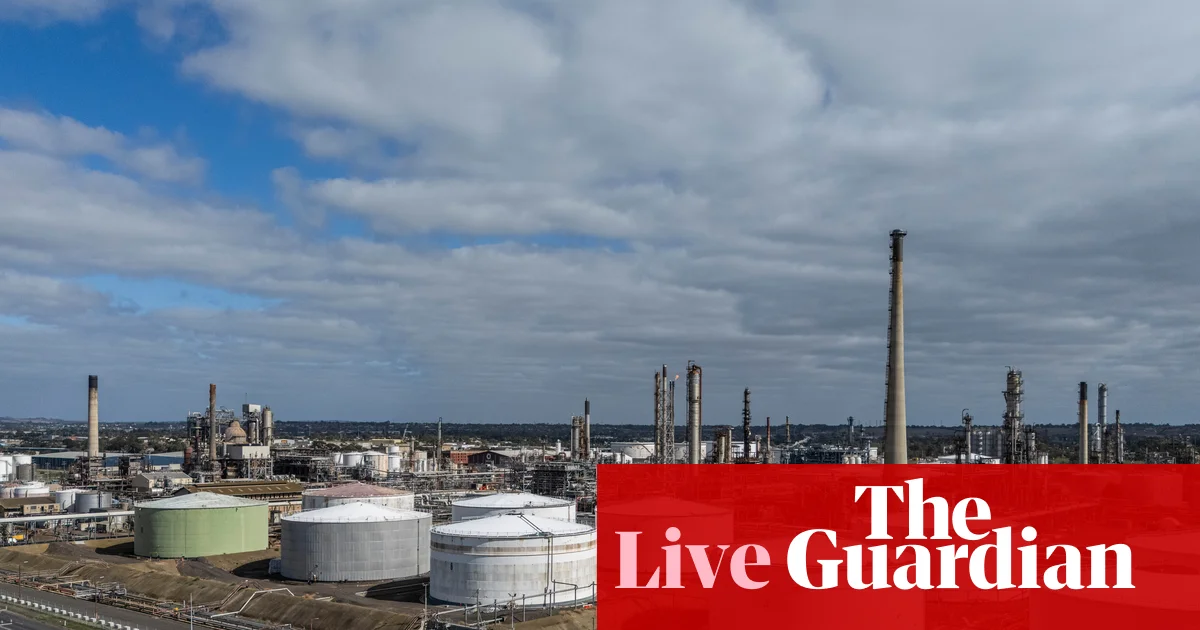
Australia News Live: Albanese Announces National Cabinet to Tackle Ongoing Fuel Crisis this Week

Global Tensions Rise as Middle East Conflict Sparks Economic Uncertainty

In a stark reminder that geopolitical conflicts are no longer confined to distant borders, recent events in the Middle East have sent ripples across the global economy, highlighting the interconnected nature of international affairs. Since the United States and Israel launched military strikes against Iran on 28 February, the region has descended into a complex conflict with profound consequences not only for localized populations but for nations worldwide. The unfolding crisis underscores how international decisions can reverberate through markets, societies, and the balance of power, demanding a nuanced global response.

Major powers and international organizations are closely monitoring the situation, recognizing that the opening or closing of vital shipping lanes such as the Strait of Hormuz carries weight far beyond the immediate region. Historians and analysts warn that this conflict could signify a turning point in regional stability, with world leaders advocating for a permanent resolution. Among them, Anthony Albanese, Prime Minister of Australia, has emphasized the long tail of economic shocks that such conflicts can produce, warning that no nation is immune to their effects—highlighting the age-old truth that in the era of globalization, regional upheavals quickly become global crises.

As the conflict persists, national leaders are convening to strategize responses. Albanese has announced plans to reconvene the national cabinet in the coming days to address rising fuel prices and supply concerns. His government has indicated that, although there are no immediate plans to escalate military involvement, Australia intends to play a constructive role in diplomatic negotiations. This approach reflects a broader international consensus on seeking a negotiated settlement, as echoed by Penny Wong, Australia’s Foreign Minister, who expressed the country’s desire for the full reopening of critical shipping lanes—an essential step toward stabilizing global energy markets.

The regional conflict in the Middle East has ignited a global energy crisis that analysts warn could have enduring repercussions. Energy prices have surged, affected supply chains, and increased economic uncertainty among nations that rely on the strategic flow of oil and gas. International organizations such as the International Energy Agency are sounding warnings about the potential for prolonged volatility. Meanwhile, historians and geopolitical experts draw parallels to past conflicts, warning that unresolved tensions could lead to a broader confrontation, with the stakes for nation-states and their populations growing ever higher. The resolution of this crisis hinges on diplomatic agility and a recognition that the pursuit of peace benefits all.

As stories unfold and diplomatic efforts continue, the question remains: how will this pivotal chapter in history shape the global order? Will nations succumb to the pressures of conflict, or will they forge a path toward lasting peace? The weight of decisions made in these critical moments will echo through the corridors of history, defining the next chapter of international relations. The unfolding saga reminds us all that in our interconnected world, the fate of distant nations is intertwined with the prosperity, security, and stability of societies everywhere. As the world waits and watches, the true impact of this crisis will be felt long after the bombs fall silent – a stark testament that in the theater of geopolitics, history is always still being written.

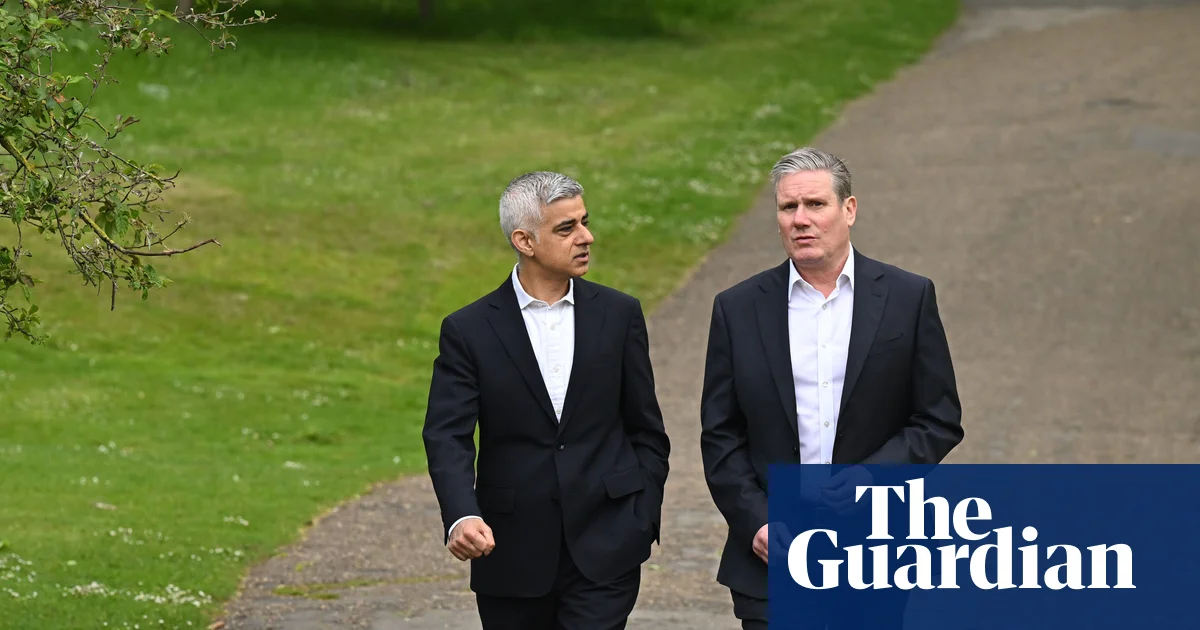
Khan’s Allies Downplay Rumors of Joining Starmer’s Cabinet

UK Political Landscape Faces New Shifts Amid Potential Peerages and Strategic Alliances

The United Kingdom continues to navigate a turbulent political terrain, with recent speculation surrounding Sadiq Khan, London’s mayor, and the broader implications for the country’s internal power structures. While reports suggest that Khan could join Keir Starmer’s cabinet as a peer, officials from Downing Street dismiss such discourse as mere speculation, emphasizing that no official decision has been made. The possibility of Khan maintaining his mayoral role while entering the House of Lords raises questions about the consolidation of political influence, especially as the UK prepares for critical elections across England, Scotland, and Wales this May. The outcome of these votes will not only determine domestic governance but will ripple across the international arena, influencing the UK’s diplomatic stance and regional interventions.

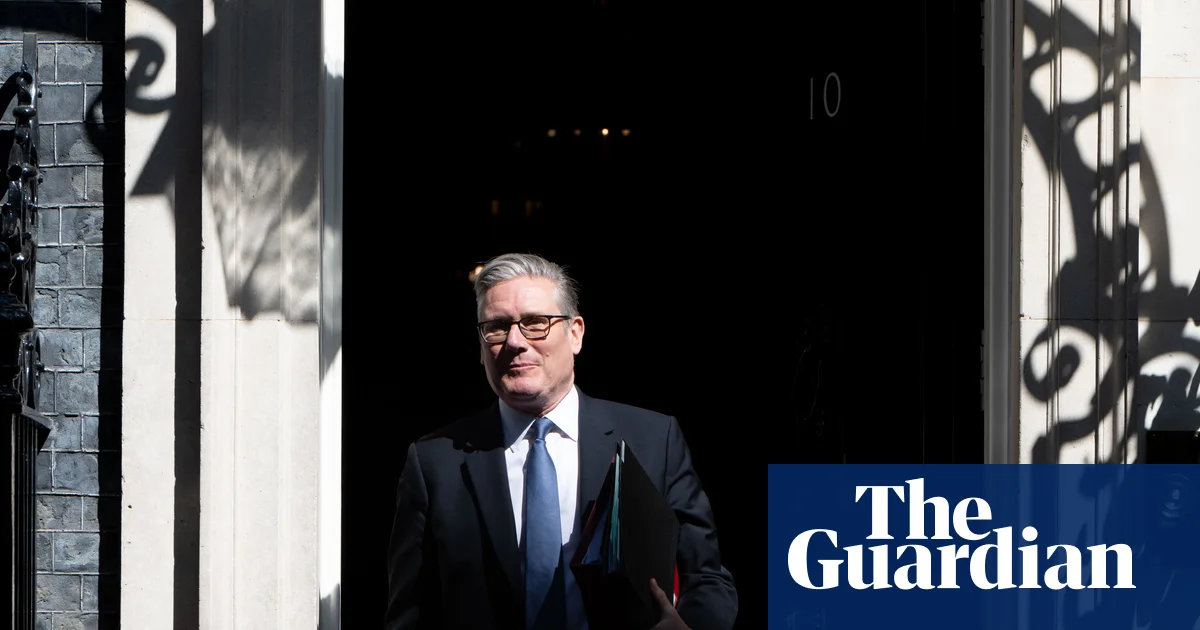
Historically, the appointment of peers has served as a strategic tool for political parties to extend influence within the House of Lords, a chamber that remains a key battleground in legislative processes. Analysts note that recently, Labour leader Keir Starmer has actively expanded the chamber, creating 96 new peers since taking office—65 of whom are affiliated with Labour. This move appears calibrated to enhance legislative efficiency and counterbalance the Conservative majority, which itself is reinstating hereditary peers as part of a broader effort to reshape the chamber’s composition. Such decisions underscore a shift towards a more managed, strategic influence that could have far-reaching effects beyond British borders, particularly as the UK seeks to influence international policy through its legislative stances and diplomatic initiatives.

On the global stage, developments within UK politics reflect a broader pattern of managing internal power dynamics to project strength and stability internationally. The shifting makeup of the House of Lords exemplifies how nations manipulate their internal institutions to adapt to new political realities. It could also signal to allies and adversaries alike that traditional British institutions remain resilient, adaptable, and capable of strategic recalibration in uncertain times. As historians and international analysts observe, such institutional shifts often serve as warning signs of impending political recalibration, which can influence the UK’s role in global affairs—from trade negotiations to security alliances.

In conclusion, the possible political maneuvers involving Sadiq Khan and the ongoing reshaping of the House of Lords illustrate a nation deeply engaged in balancing internal stability with external influence. The decisions taken in Westminster—whether to elevate figures like Khan or to reinstate hereditary peers—will not only impact domestic policy but also shape the UK’s position on the world stage for years to come. As history continues to unfold, the weight of these internal conflicts and strategical moves hang heavy, reminding the world that in the realm of geopolitics, the sovereignty of a nation is often forged in the crucible of its internal struggles.

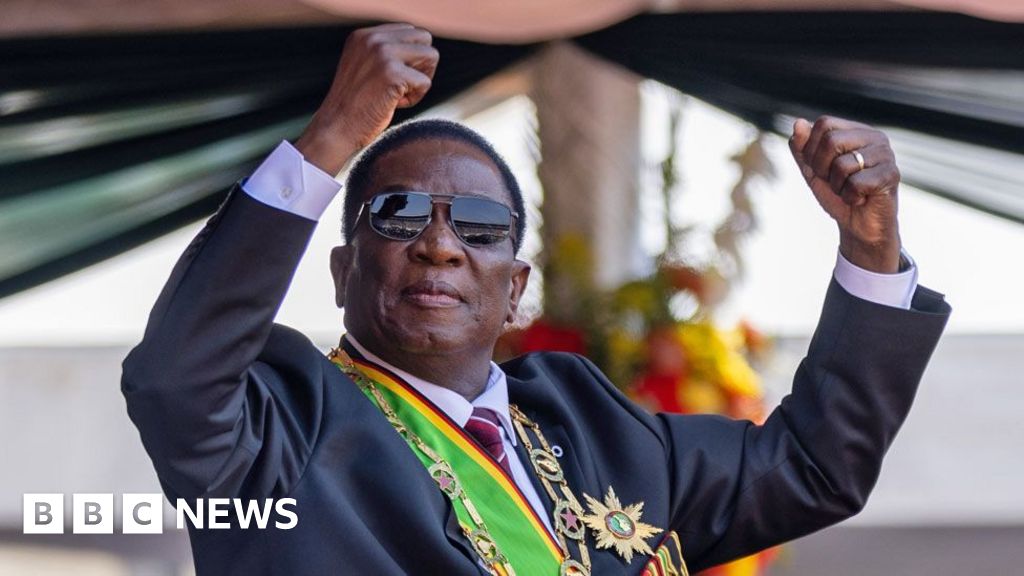
Zimbabwe cabinet backs bill to extend presidential terms—youth watch carefully

The recent declaration by Andrease Ethan Mathibela, national chairman of the Zimbabwe National Liberation War Veterans Association, highlighting a stand against corruption and nepotism, symbolizes a pivotal moment in a broader pattern of political awakening across the developing world. Mathibela’s courage to openly criticize entrenched power structures echoes a window into how corruption continues to threaten nations’ sovereignty and democratic aspirations. This stance, coming at a time when silence might have been deemed easier, underscores the delicate balance many leaders face when confronting internal decay versus maintaining political stability.

In the context of Zimbabwe, recent events point to a decisive shift in the nation’s political landscape—one that could potentially alter the trajectory of its governance. Analysts suggest that vocal opposition by influential military and veteran groups marks the erosion of previously tolerated authoritarian practices. Global institutions such as the African Union have expressed cautious optimism, warning that unchecked corruption could unravel fragile progress and undermine regional stability. Meanwhile, Western nations have scrutinized Zimbabwe’s internal struggles, often framing these developments as symptoms of deeper systemic failures that threaten democratic foundations. The spotlight intensifies on President Emmerson Mnangagwa’s government, which faces mounting pressure to confront these accusations or risk becoming a cautionary tale of corruption’s corrosive effects.

The broader **geopolitical impact** of such internal dissent extends beyond Zimbabwe’s borders, serving as a bellwether for many nations grappling with similar issues. The decision of veteran groups and civil society to speak out reflects a global pattern—the rising willingness of citizens and former military figures to challenge corrupt regimes, which could usher in a new wave of political accountability. Experts argue that this dynamic signals a shift in societal expectations; the **international community** now watches closely, noting that how governments respond to internal criticism will influence regional stability and the global perception of governance legitimacy. In this light, leaders worldwide are urged to recognize that the era of passive acceptance is waning; trust in institutions hinges on transparency and genuine reform.

As the world observes this unfolding chapter, the stakes could not be higher. With historical regimes facing pressure from within and external forces demanding change, the **future of Zimbabwe** teeters on a knife’s edge—caught between the ancien régime and the hopes of genuine reform. This current moment, charged with the voices of veterans and citizens alike, embodies the age-old struggle over integrity, power, and the true meaning of independence. History is being written now, and the outcome will echo across the continents—reminding us that—no matter how daunting the obstacles—the fight for justice and transparency is an eternal pursuit with no guarantees of victory. Still, as these stories unfold, the world waits, for in the shadows of unspoken histories, the echoes of future change resonate.

Thursday’s Must-Know: French Cabinet Shake-Up, Bold Naked Cyclists & the Heroic Pup | Life & Style

In an era where lifestyle shifts and personal impact take center stage, the way we engage with entertainment, technology, and even wellness is transforming rapidly. From the nostalgic allure of legendary artists like Kate Bush to the latest innovations in corporate security, today’s cultural landscape reflects a dynamic intersection of tradition and innovation. It’s not just about passing time; it’s about embracing a lifestyle that fuels inspiration and personal growth, even amid the fatigue of modern life.

Consider the cultural phenomenon of the Thursday news quiz, a digital tradition that taps into youthful curiosity and the desire for wellness through knowledge. It challenges participants to stay informed with playful questions — from the number of Academy Awards won by venerable actresses like Katharine Hepburn to a quirky, yet impactful protest by naked cyclists in Portland. This quiz isn’t merely about trivia; it embodies a lifestyle of continuous learning. Through engaging with such content, young minds find a space for sharp wit, cultural awareness, and even a bit of rebellion against the mundane, fostering a sense of ownership over their lifestyle and self-improvement.

Meanwhile, the way wellness is evolving is embodied in developments like the biometric access control system at a Manhattan skyscraper — an embodiment of technological integration with personal privacy considerations. The push towards embracing cutting-edge tech doesn’t merely enhance convenience; it represents a commitment to personal security and health in the digital age. Wellness experts like Dr. Daniel G. Amen advocate for deliberate tech use, emphasizing that balanced integration can empower us without compromising privacy or mental well-being. These shifts highlight an essential truth: living intentionally with technology can elevate one’s lifestyle, making health and leisure not just possibilities but everyday realities.

Ultimately, life is about the journey—a constant interplay of discovery, resilience, and embracing the new while respecting the roots. Whether it’s celebrating a heroic dog like Hendrix, who led a rescue in Florida, or finding inspiration in an artist like Kate Bush, whose music fuels charitable acts, the narrative remains clear: a lifestyle rooted in curiosity, adaptability, and purpose leads to a more vibrant, well-lived life. As these stories interweave, they remind us that our personal impact—health, leisure, knowledge—is a reflection of our willingness to engage with the world authentically. It’s a pursuit that, ultimately, turns daily living into an ongoing story of empowerment and inspiration.

Social Media Auto Publish Powered By : XYZScripts.com