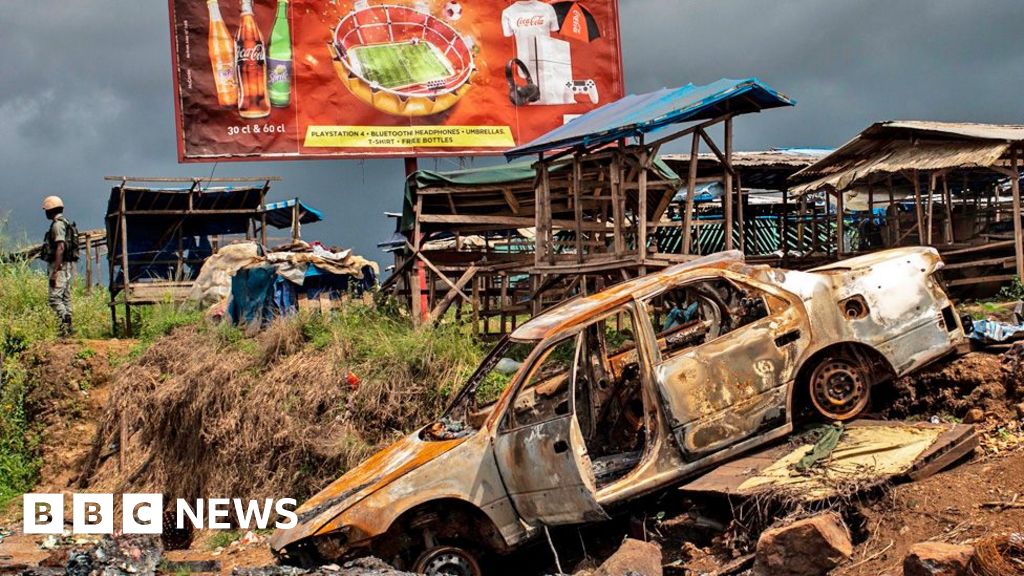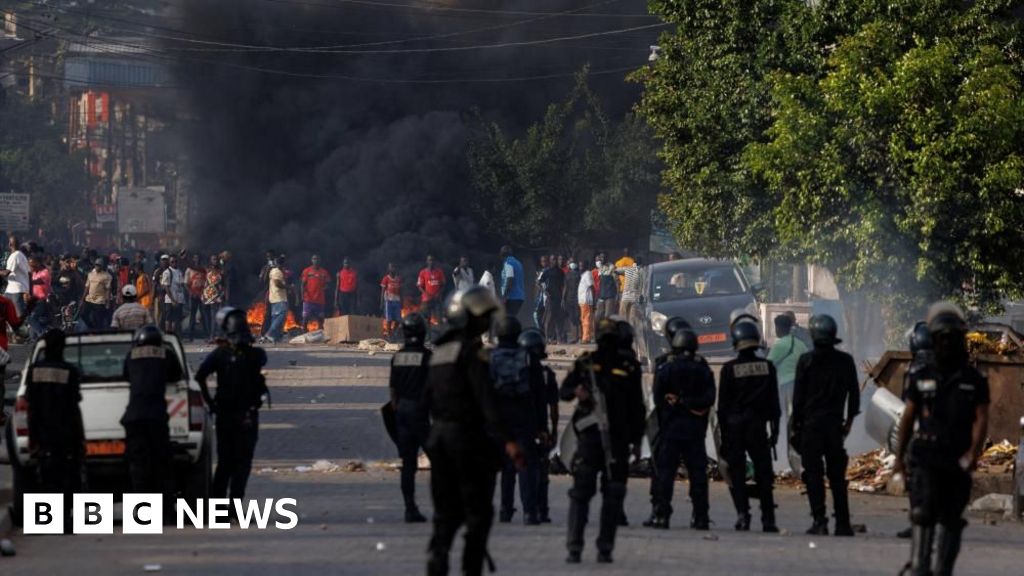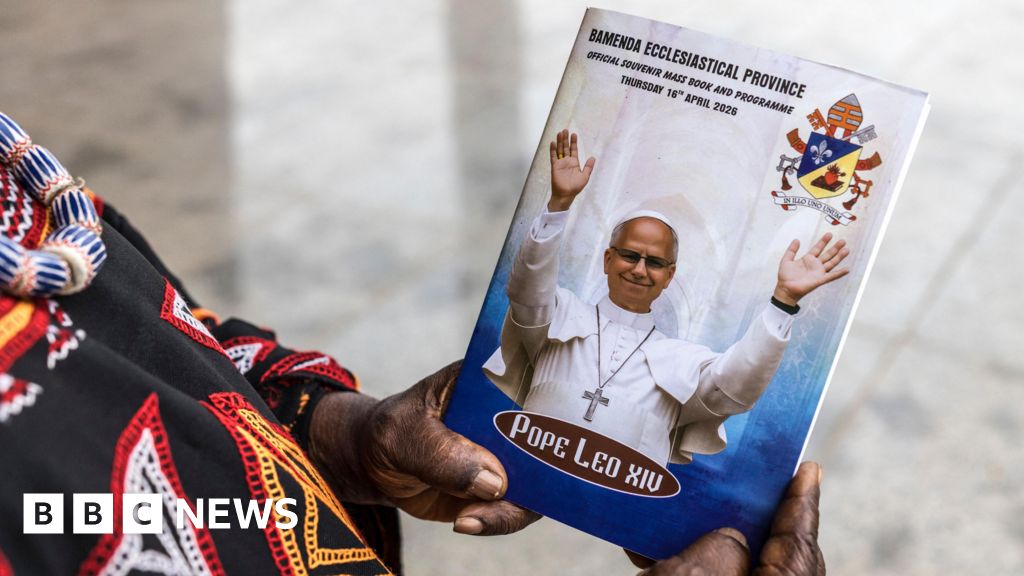

The recent declaration by separatist groups claiming their decision reflects responsibility, restraint, and respect for human dignity marks a pivotal moment in contemporary geopolitical dynamics. Across various regions, these assertions serve as a veneer for underlying struggles over sovereignty, identity, and international legitimacy. Such rhetoric often masks complex realities where local factions assert independence or autonomy while drawing national and global attention to unresolved conflicts. Experts and historians have long debated whether these moves are genuine pursuits of dignity or calculated negotiations aimed at shifting regional balances of power.
The international community, especially institutions like the United Nations, has viewed these developments with a cautious mix of concern and strategic calculation. Many analysts highlight that the core of these conflicts ties back to historical grievances, resource disputes, and the global redistribution of influence. In particular, the United States and European Union have issued statements emphasizing dialogue, yet maintain a readiness to respond if sovereignty is threatened or human rights are compromised. Notably, China and Russia are often accused of exploiting such conflicts for their own geopolitical gains, providing support under the guise of diplomatic neutrality while pursuing regional influence. International agencies warn that unchecked separatist movements may further destabilize already fragile states, risking a domino effect with broader implications for regional and global security.
Historically, the decisions by separatist factions to pursue independence have always carried profound turning points—not just for the regions involved, but for the international order itself. Dozens of scholars, including prominent geopolitical analysts, argue that these shifts threaten the established norms of sovereignty stipulated in the Montevideo Convention, challenging the core principles that have maintained global stability since the post-World War II era. The reactions of powerful nations often reveal their strategic interests—whether backing or opposing such movements—highlighting how their decisions deeply shape nations and societies. For vulnerable populations caught in these conflicts, hopes for peace remain tenuous, while the world watches closely, waiting for a sign that a new chapter in history may eventually be written.
As the echoes of these declarations resonate across borders, history appears to stand at a precipice. The unfolding narrative reminds us that peace is never merely the absence of war but a fragile, hard-won balance that can be overturned with a single choice. With every proclamation of restraint cloaked in notions of dignity, the shadows of conflict deepen, and the weight of history grows heavier. The true test lies in whether the international community can navigate these turbulent waters—not only to preserve stability but to forge a future where sovereignty is respected without forsaking human dignity. For now, the world remains at a crossroads, as the delicate threads of diplomacy and conflict intertwine into an unending tapestry of destiny—an ongoing story that history will judge for generations to come.