Matox News

Truth Over Trends, always!

Air Canada halts select flights to New York, signaling possible travel hurdles for Canadians

In a clear reflection of the geopolitical volatility engulfing the Middle East and its ripple effects worldwide, airlines across the globe are facing unprecedented challenges. Air Canada recently announced a temporary suspension of flights from Toronto and Montreal to New York’s JFK airport, citing the spiraling costs of aviation fuel. This move, while seemingly operational, signals a deeper crisis directly tied to the ongoing conflicts involving the US, Israel, and Iran. The escalation of hostilities since February, particularly the latest military confrontations, has driven oil prices skyward, disrupting established supply chains and forcing airlines to reassess their routes and profitability.

Experts and international organizations warn that the impact extends beyond mere airline scheduling. The International Energy Agency (IEA) recently issued a stark warning that Europe’s jet fuel reserves could last only six weeks unless regional stability improves. Fatih Birol, the IEA’s executive director, emphasized that ongoing Middle East unrest has created a reservoir of uncertainty, threatening to spark widespread flight cancellations should oil supplies remain disrupted. This scenario not only jeopardizes international travel but also portends a broader economic ripple across sectors reliant on global logistics and mobility. The escalating crisis is striking at the very heart of international commerce, with governments and markets on high alert for further escalation.

Meanwhile, American carriers like Spirit Airlines are seeking emergency financial aid to cope with surging fuel costs, reflecting the severity of the crisis within the aviation industry. Industry analysts point out that the doubling of jet fuel prices, since the flare-up of hostilities, has rendered many routes unprofitable, prompting service reductions and route suspensions. Air Canada’s schedule adjustments are just the tip of the iceberg—other carriers such as Qantas and Virgin Australia are also raising ticket prices while curtailing flight frequencies, reflecting a global flight industry in crisis mode. These decisions are not made lightly; they are emblematic of a broader economic reality where energy prices directly influence societal mobility and national economic stability. Economists and geopolitical analysts warn that prolonged instability in the Middle East could escalate these issues, dragging the global economy into a period of unprecedented turmoil as the very air travel network, a pillar of globalization, convulses under pressure.

As the world watches this unfolding crisis, the question remains: how long will nations linger on the brink of economic chaos before an international response is galvanized? The decisions made in the coming weeks will either stabilize or deepen an already fractured global order. History may well record this moment as a turning point—where geopolitical conflicts ignited a domino effect threatening the core of international commerce, testing the resilience of societies and economies worldwide. The future of international travel, energy security, and geopolitical stability hangs precariously in the balance, leaving humankind at the mercy of the shifting tides of power and conflict—an enduring reminder that in today’s interconnected world, the stakes could not be higher.
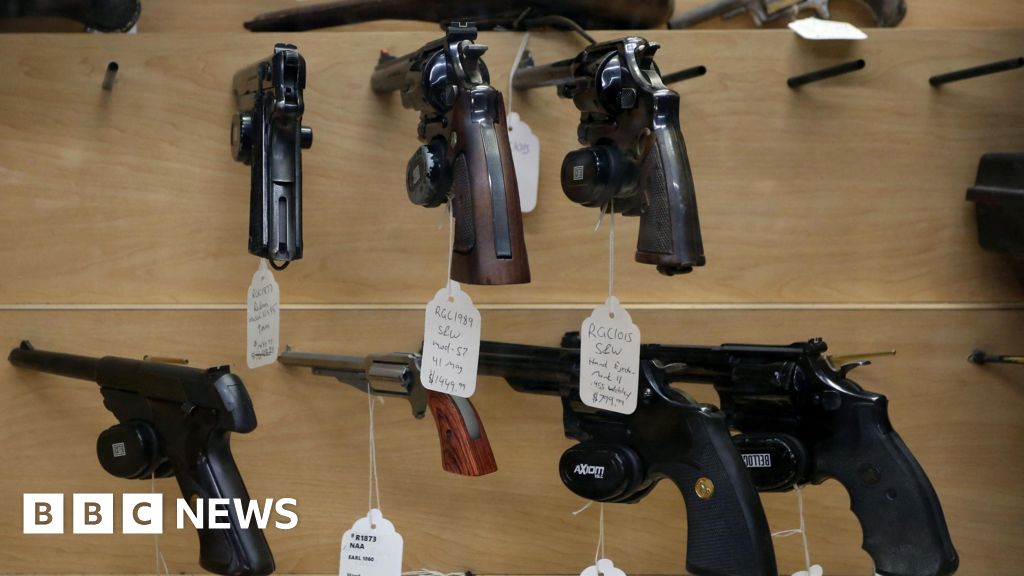

Canada’s gun laws: What young Canadians need to know

Mass Shooting in British Columbia Sparks Renewed Debate Over Canada’s Gun Laws

A tragic mass shooting in British Columbia has reignited a heated debate across the nation regarding the adequacy of Canada’s gun control measures. While Canada has long been seen as a country with relatively strict firearm regulations compared to their neighbors to the south, recent violence has cast doubt on whether existing laws are sufficient to ensure public safety. The incident, which resulted in multiple fatalities, underscores the fragility of peace in societies that may underestimate the threat posed by firearms, especially in an era of rising global unrest.

Analysts and international organizations have expressed concern that such tragedies expose gaps in Canada’s gun legislation. According to Global Firearm Violence Index, the country’s current framework primarily focuses on licensing and registration, but often falls short in controlling the availability of high-powered weapons and addressing illegal firearm circulation. Historians point to patterns observed in other nations where insufficient regulation correlates with higher rates of gun-related violence. The incident is likely to prompt a reconsideration of legal frameworks, which could include measures such as imposing stricter background checks, bans on semi-automatic weapons, or enhanced tracking systems.

Political leaders and civic groups are now divided on the issue. Prime Minister Justin Trudeau has called for a comprehensive review of protocols surrounding firearm possession, emphasizing the importance of balanced policies that respect law-abiding citizens while protecting communities. However, opponents argue that such efforts threaten the rights of law-abiding gun owners and could fuel criminal networks if not properly implemented. The debate echoes larger questions about how nations prioritize security versus individual freedoms, sparking a broader conversation that crosses borders and ideologies.

The geopolitical impact of this incident extends beyond Canada’s borders. As the international community witnesses the rising toll of firearms-related violence in Western societies, there is increased pressure on global institutions to enforce stricter standards and support national efforts. Countries such as the United States serve as cautionary examples, where the proliferation of firearms correlates with higher rates of gun-related homicides and mass shootings. In this context, the British Columbia tragedy underscores a crucial lesson: the decision to tighten or loosen firearm laws can shape societal stability for generations to come.

Leading analysts warn that failure to address the root causes — whether through legislation, societal reform, or international cooperation — risks the continuation of cycles of violence that threaten the very fabric of our global community. As history continues to unfold, nations remain locked in an ongoing struggle to find the right balance. And while the echoes of this tragic event fade into the backdrop of political discourse, the power to influence future policy rests in the hands of decision-makers now faced with the gravity of their choices. In an uncertain world, the lesson remains clear: the cost of inaction can be measured in lives lost, and history’s voice will judge the courage of those who choose to act or remain silent.

Social Media Auto Publish Powered By : XYZScripts.com


