
The world is witnessing a series of pivotal moments that threaten to reshape the geopolitical landscape in profound ways. Australia, often considered a distant continent, is currently embroiled in a domestic crisis that threatens its economic stability and raises questions about its future energy security. In Geelong, an “unprecedented” fire at the Viva Energy oil refinery has sent shockwaves through the nation. The blaze, which began late last night, has been described by local officials as decades-in-the-making in terms of its scale and impact. The refinery is responsible for roughly 50% of Victoria’s fuel supply and approximately 10% of the country’s national output, underscoring its strategic significance. As fire crews battle to control the inferno, international actors and analysts watch cautiously, aware that the implications extend far beyond Down Under.
- The refinery’s destruction or prolonged shutdown could exacerbate Australia’s ongoing fuel crisis, which has already strained households and industries nationwide. The reliance on two remaining refineries, with the other operated by Ampol in Brisbane, highlights how geopolitically sensitive this critical infrastructure truly is. Many international analysts warn that such fragility can serve as a catalyst for broader energy insecurity, potentially inflaming geopolitical tensions with major energy-producing nations. These vulnerabilities are compounded by the fact that both Australian refineries require government support to stay operational, indicative of a broader global trend where energy security and government intervention intersect in geopolitics.
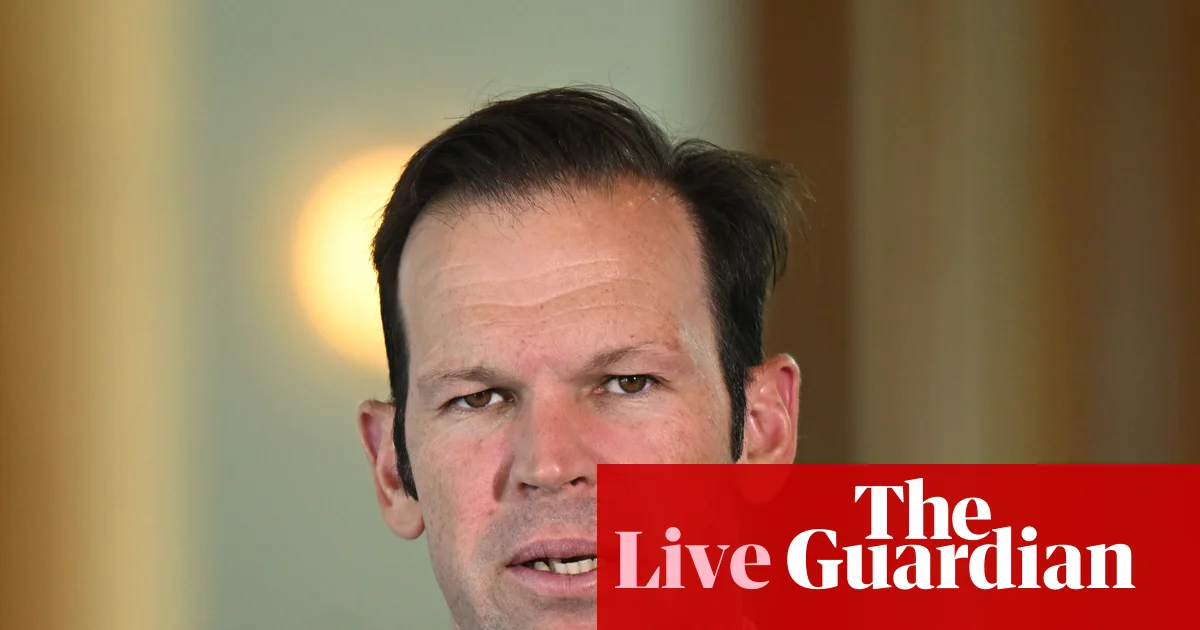
- The incident coincides with tense political debates within Australia, as Matt Canavan, leader of the National Party, publicly defended the government’s controversial immigration policy. His stance, which proponents tout as “reasonable and fair,” has ignited a fierce contest of narratives over national identity and sovereignty. Canavan’s rhetoric, referencing the naturalisation process of his grandparents and invoking the literary phrase “Having good fences make for good neighbours,” underscores a broader worldview increasingly aligned with nationalist, sovereignty-centric principles. Critics, however, interpret this as an extreme form of discrimination cloaked in patriotic language, highlighting a sinking support for immigration among Australians—a trend that some analysts argue could embolden hardline policies that threaten social cohesion.
International observers, including historians and geopolitical think tanks, warn that such nationalistic rhetoric, when paired with vulnerabilities like energy supply shocks, can escalate into broader regional instability. As the United Nations and World Bank scrutinize Australia’s internal debates and energy roadmaps, the global community remains wary of a potential domino effect. The concern is not merely about Australian sovereignty but how ever-accelerating shifts in domestic policy and energy infrastructure risks ripple effects in the Indo-Pacific and beyond, especially amid rising tensions with China and regional alliances. The fusion of energy crises with aggressive nationalist discourse could, analysts warn, fuel a dangerous cycle of escalation and realignment in international security frameworks.
As history continues to unfold, the nation’s response in the coming weeks will serve as a litmus test for its political stability and strategic resilience. Will the fires at Geelong become a symbol of vulnerability or a rallying point for innovative reform? Will the rhetoric of figures like Canavan morph into a broader movement that tests the limits of accepted policies? The answers to these questions may well determine whether Australia remains a bastion of stability or a flashpoint for new geopolitical conflicts. As the flames lick the skies and political volleys echo across the continent, the weight of tomorrow’s history presses down—an unwritten chapter begging to be shaped by the choices made today.