
Matox News

Truth Over Trends, always!

Albanese evacuated from official Canberra residence after bomb threat—stay vigilant!

Australia Under Threat: A nation at Crossroads of Security and Stability

In a chilling reminder of the volatile landscape modern democracies face, Prime Minister Anthony Albanese was evacuated from The Lodge in Canberra late Tuesday evening following a serious bomb threat. The incident, which prompted police to relocate the prime minister to an undisclosed safe location, underscores the mounting security challenges confronting Australia amid its increasingly turbulent political climate. While authorities assured the public that no explosive devices were found after a thorough search, the event signals a disturbing escalation in threats directed at Australian government officials and institutions, casting a shadow over national stability.

Security experts and analysts have observed a notable uptick in threats against elected officials and prominent figures within the Commonwealth. Australians are witnessing the consequences of rising grievances fueled by online radicalization, societal division, and ideological extremism. Since late last year, authorities have charged over 20 individuals linked to violent threats targeting politicians, Jewish community members, and other public officials. According to Australian Federal Police commissioner Krissy Barrett, this disturbing trend reflects a broader pattern of individual grievance transforming into tangible danger. Even as the government boosts security measures, including the deployment of specialized national security investigation teams, the threat persists, revealing cracks in the nation’s defenses.

International Ramifications: How Threats in Canberra Echo Globally

This incident in Australia isn’t isolated; it resonates within a broader international context where political stability is increasingly fragile. Global institutions like The United Nations and regional alliances are watching closely as nations grapple with internal unrest, violent extremism, and rising populism. Analysts warn that these threats domestically could destabilize governments, strain diplomatic relations, and even embolden extremist groups to deepen their influence across borders. The rise of online radicalization, as noted by security officials, fuels a dangerous cycle—what begins as a threat in the digital realm can quickly materialize into violence, threatening the fabric of democratic societies worldwide.

Furthermore, the shift in threat perceptions suggests a critical turning point in international security protocols. Some experts argue that conventional law enforcement strategies are increasingly insufficient against modern guerrilla tactics, requiring a reevaluation of military, intelligence, and diplomatic responses. The United Nations and NATO, for example, continue to emphasize the importance of coordinated efforts to counter ideological violence and protect societal values from erosion. In this turbulent epoch, the decision of nations to fortify political resilience will significantly influence their capacity to withstand these threats—how they choose to respond could set precedents for generations to come.

Reflecting on History and Shaping the Future

Historically, periods of political upheaval have often been catalysts for societal transformation—sometimes for the better, often at a terrible cost. As historians like Friedrich Hayek and George Orwell have warned, the erosion of civil liberties under the guise of security can lead to authoritarianism if not checked. Today’s events in Australia serve as a stark reminder of the delicate balance between security measures and preserving democratic freedoms. The international community’s response and willingness to confront these threats head-on could define the trajectory of global stability in the decades to come.

As Australia confronts its internal crises and as other nations grapple with similar threats, the words of history’s keen observers echo louder: the weight of history is pressed into the present, and the decisions made now will shape an uncertain future. Will this be the moment humanity chooses resilience over fear? Or are we marching toward an age where security measures undermine the very freedoms they seek to protect? The answer depends on the resolve of nations—and the choices they make when faced with the shadows of history’s recurring dark chapter.
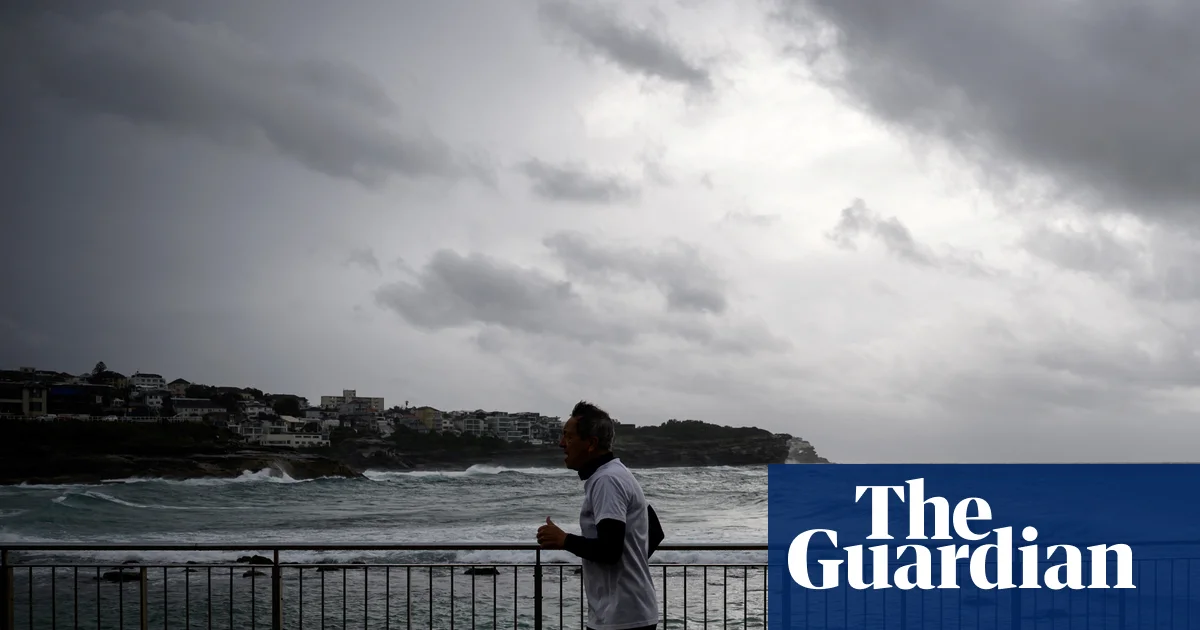

Severe Storm Threat Hits Sydney, Brisbane & Canberra — Stay Alert, Australia

As climate patterns continue to underscore the increasing volatility of our planet’s weather systems, Australia finds itself on the frontline of extreme atmospheric phenomena that threaten both its society and its economy. Unfolding in real-time, a series of severe thunderstorms are sweeping across northern and eastern Australia, an event that illustrates the broader geopolitical and environmental implications of climate independence and resource management. According to senior meteorologist Angus Hines of the Bureau of Meteorology, the storm activity presents a significant risk, with high moisture levels drawn from the tropics fuelling these dangerous weather outbreaks. Regions from the tropical north stretching into the populous eastern seaboard—including major cities like Sydney, Brisbane, and Canberra—are under threat of heavy rainfall, destructive winds, and potentially devastating power outages, exemplifying how climate anomalies affect everyday life at a national level.

Historically, Australia’s climate has been characterized by intense weather patterns, but recent years have seen a marked increase in both frequency and severity. Recognized by global analysts and climate scientists, these storm systems are not isolated incidents—they reflect a broader pattern of climate volatility exacerbated by anthropogenic factors. The ongoing storms follow a period of devastating weather events in Queensland, where over 11,000 homes experienced power loss—an episode that elicited concern over infrastructure resilience. Such disruptions highlight how the nation’s critical infrastructure—namely power and communication networks—remains vulnerable under the weight of climate-induced extremities. This scenario underscores a pressing reality: without decisive policy measures prioritizing climate resilience, Australia’s societal stability risks further erosion, with vulnerable populations bearing the brunt of environmental neglect.

Adding to the complexity is the untimely threat of bushfires, with the NSW Rural Fire Service issuing total fire bans in parts of the western slopes and plains. These bans echo historical warnings from environmental experts and serve as a stark reminder of the delicate balance between natural catastrophe and human activity. With the fire risk heavily compounded by high temperatures, strong winds, and lightning strikes, authorities face the daunting task of managing these overlapping crises. Meanwhile, a low-pressure system moving from the Timor Sea towards the Kimberley region raises concerns over a potential tropical cyclone early next week—an ominous turning point that could reshape regional geopolitics and influence the flow of resources in Western Australia. For international investors and diplomatic strategists, the intensification of natural disasters in such a resource-rich country signals a broader geopolitical concern: how climate destabilization may disrupt global supply chains, particularly in minerals and energy.

The geopolitical impact of these events extends beyond environmental damage. Countries worldwide are observing Australia’s predicament as a barometer of future global climate risks, with organizations like the United Nations warning that climate change is no longer a distant threat but an immediate crisis. As experts analyze the situation, they caution that neglecting climate adaptation at the national level could foster regional instability, fueling migrations, and heightening tensions over dwindling resources. The unfolding storm crisis serves as a sharp reminder that decisions made today—in policy, infrastructure investment, and environmental stewardship—will shape the course of history. The escalating severity of weather disasters in Australia acts as a clarion call to the international community: unless urgent action is taken, history’s ink will be written with the names of nations unprepared for the storm to come.

Social Media Auto Publish Powered By : XYZScripts.com


