
Matox News

Truth Over Trends, always!

Jess Cartner-Morley reveals how the countryside style is making a fresh statement—ditch the flat cap clichés and stay ahead of the trend game

Every decade, the fashion industry seems to experience a cyclical retreat to The Countryside. But this isn’t just about a nostalgic throwback to pastoral living; it’s a cultural shift rooted in our collective longing for authentic, wholesome experiences amid a digital era that often feels overwhelming and disconnected. This seasonal trend, resurrected in recent months, is shaping not only how young consumers dress but also how they seek meaning and social relevance in their lifestyle choices. Influencers on platforms like TikTok and Instagram are championing this movement, showcasing a new kind of rural-inspired style that celebrates wholesomeness without the clichés of fishing hats and oversized flannel shirts.

What makes this reimagined countryside aesthetic compelling is its social relevance: it represents a form of resistance to the relentless pace of modern life. Sociologists note that amidst our hyper-digital existence, clothes that evoke nature—such as Fair Isle sweaters, rugged barn jackets, and sturdy hiking boots—serve as symbolic gestures of grounding and authenticity. For Gen Z and millennials alike, these garments act as armor against societal pressures, signaling a desire for simplicity, stability, and connection to a perceived natural order. As influencers like @EcoChic and @RusticRebel spread this vibe, fashion pundits are observing a steady shift: outdoor-inspired styles are no longer just for weekends but have become staples for everyday urban life, blurring the lines between city slicker and country dweller. This cultural phenomenon underscores an emerging movement—seeking physical and emotional balance in a chaotic world.

However, this countryside revival isn’t just about wardrobe aesthetics; it also reflects a broader cultural dialogue. Brands are jumping on the trend, offering classic items like waxed duffle coats and Fair Isle jumpers, signaling an embrace of heritage and craftsmanship. Meanwhile, lifestyle marketers push narratives of rustic tranquility, encouraging the younger generation to “touch grass”—a viral phrase encapsulating the desire to disconnect from screens and reconnect with nature. This trend has social media virality written all over it, with posts celebrating autumnal foliage, picnics in leaf-strewn parks, and outdoor cafés that mimic countryside charm, feeding a collective craving for simplicity amidst urban complexity.

  • Top items shaping this trend: Classic waxed jackets, ribbed wool vests, high-waisted jeans, sturdy hiking boots, vintage-inspired accessories like silver hoops and retro sunglasses.
  • Influencers to watch: TikTokers and Instagram personalities promoting sustainable, rural-inspired fashion that champions authenticity over commercial superficiality.
  • Social themes: Resistance to fast-fashion’s disposability, embracing heritage, and advocating for greener lifestyles rooted in nature.

As this countryside aesthetic firmly plants roots in contemporary culture, the next question looms: is this just a fleeting seasonal fad, or does it signal a deeper societal longing for authenticity and sustainability that will redefine youth lifestyles for years to come? Will we see a transformation in how the fashion industry approaches both design and marketing—moving away from hyper-processed trends towards more meaningful, environmentally conscious narratives? The future of this trend could very well hinge on whether authenticity can maintain its appeal in a world increasingly obsessed with the next big thing. Among the leaf-strewn paths and cozy cafés, one thing is certain: the countryside may no longer be a backdrop but a blueprint—drawing a new generation towards a more grounded, genuine future.
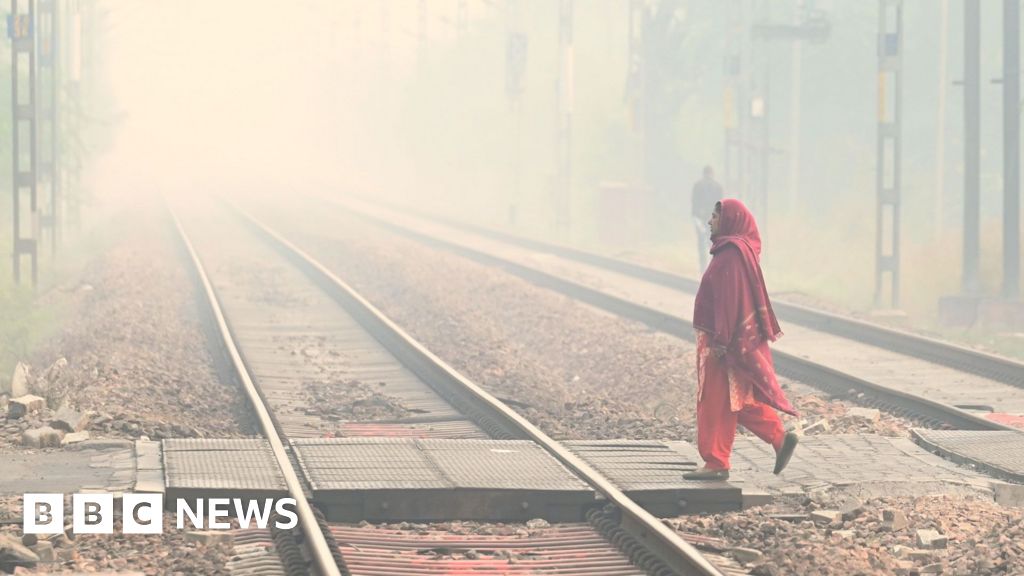
India’s Pollution Cap at 500: Ignoring the Real Toxicity Issue for Youth’s Health

In recent years, India has attracted international scrutiny over its air quality data, revealing a troubling disconnect between official figures and independent monitoring. While private platforms like IQAir and open-source projects frequently report air quality indices surpassing 600 and even 1,000, the official National Air Quality Index (NAQI) remains capped at 500. This artificial ceiling masks the severity of pollution, raising critical questions about government transparency and public health priorities. Such a discrepancy not only undermines public trust but also influences how nations perceive India’s environmental commitments, impacting its geopolitical standing.

  • Official thresholds have been deliberately set to suppress alarming data, with the cap introduced over a decade ago when health risks were assumed to plateau beyond a certain point.
  • Emerging scientific insights and international standards, notably from the World Health Organization, challenge this approach, emphasizing that health impacts worsen with higher pollution levels.
  • Global organizations and technological innovators advocate for revision of India’s AQI framework, arguing that the current model inhibits effective policy responses.

Analysts like Gufran Beig, founder of the System of Air Quality and Weather Forecasting and Research (SAFAR), openly admit that the 500 cap was originally designed to prevent panic rather than reflect reality. “It was assumed that health impacts would be the same above 500, but evidence now shows symptoms intensify with increasing pollution,” he states. This deliberate obfuscation could be a strategic choice to avoid economic disruptions or diplomatic fallout amidst an escalating geopolitical climate. India‘s refusal to update its AQI standards is increasingly viewed as a form of environmental diplomacy—an effort to project control and stability in a situation that, scientifically, demands urgent acknowledgment.

The disparity in international standards complicates this picture further. While WHO guidelines classify PM2.5 levels above 15 micrograms per cubic meter as hazardous, India’s threshold is set at 60 micrograms—a stark contrast that underscores how different nations calibrate their environmental assessments based on local weather, industrial activity, and economic priorities. This disparity impacts not just data interpretation but also diplomatic negotiations—particularly in the context of climate change commitments and cross-border pollution agreements. Critics warn that such data manipulation fosters a dangerous narrative of ‘environmental denial‘, undermining global efforts to combat pollution.

Beyond the data thresholds, the technological debate highlights a broader crisis: India’s aging air monitoring infrastructure. The Indian pollution control board relies on Beta Attenuation Monitors (BAMs), which offer accurate measurements but are costly and less flexible than newer sensor-based technologies capable of providing granular, real-time data. However, these sensor systems face regulatory hurdles, with the government yet to fully endorse their widespread use. As a result, India’s air quality framework remains outdated, stagnant since 2009, and in dire need of a comprehensive overhaul. “Without modernized calibration and broader transparency,” warns environmental scientist Mr. Pathak, “the real picture of India’s pollution crisis will continue to be hidden.”

In the grand arc of history, the question remains: how long can a nation sustain this dichotomy—between public perception and ecological reality? As India’s pollution levels continue to soar and global scrutiny intensifies, the implications extend far beyond its borders. Governments across the world watch closely, recognizing that environmental health is no longer a local issue but a potent instrument of geopolitical influence. The global community must reckon with a stark choice: confront the truth and adapt, or continue to construct a facade amid the gathering storm of environmental catastrophe. The narrative of India’s air quality policy, ultimately, may be a mirror for the future of global environmental governance—where truth, transparency, and accountability determine the legacy of this unfolding epoch.

Social Media Auto Publish Powered By : XYZScripts.com



