Matox News

Truth Over Trends, always!

“We Demand a Voice: Citizens Push Back Against Displacement for Nigeria’s Capital”

In a stark reminder of the persistent challenges faced by developing nations navigating rapid urbanization, Nigeria finds itself embroiled in a contentious struggle over the displacement of its citizens. The ongoing eviction campaign to facilitate the development of a new administrative capital has sparked widespread outrage among displaced populations, who accuse the government of failing to honor its commitments and neglecting basic human rights. These events underscore a broader dilemma for many emerging economies: the tension between state-led development projects and the societal costs they impose.

At the heart of the controversy are residents who have been forcibly evicted from their homes, often under claims of improving infrastructure and modernizing urban centers. However, as reports reveal, many of these individuals have been left stranded, with promises of compensation and resettlement yet unfulfilled. Critics argue that this highlights a fundamental flaw in Nigeria’s development approach—prioritizing ambitious growth at the expense of vulnerable communities. International observers, including the World Bank and Amnesty International, have raised alarms about inadequate safeguards and the violation of residents’ rights. Such criticism is not merely local; it echoes concerns across the global geopolitical landscape about how resource-rich countries manage development and social inclusion.

Analysts suggest that Nigeria’s predicament has significant geopolitical impact, shaping perceptions among foreign investors and international partners. The country’s leadership, under President Buhari, has sought to position Nigeria as an economic powerhouse, yet the unfolding social discontent undermines these ambitions. Universities of geopolitical strategy warn that sustained unrest and international condemnation risk undermining Nigeria’s credibility, especially on the continent. Moreover, the failure to protect the rights of displaced citizens threatens to ignite regional instability and foster a cycle of unrest that could draw in neighboring nations, further complicating efforts to stabilize the region.

Esteemed historians and political analysts emphasize that Nigeria’s current trajectory is emblematic of the perils faced by nations striving to balance development with social justice. “This crisis exposes a disconnect between policy and practice,” notes Dr. Jane Thompson, a specialist in African geopolitics. “The decision to relocate the capital was strategic, but the way it has been executed risks alienating the very populations that should be part of Nigeria’s future. The international community watches closely, as these decisions will influence diplomatic relations and aid strategies for years to come.” As Nigeria navigates its internal struggles, the world remains vigilant — aware that the outcomes here will serve as a stark lesson in the high-stakes game of global development.

In the shadows of history, Nigeria’s eviction crisis unfurls like a powerful narrative of ambition, neglect, and societal resilience. The story remains unfinished, yet its repercussions promise to echo through the corridors of power long after the dust settles. Will Nigeria address its internal inequities and forge a future rooted in justice and inclusion, or will this chapter become a cautionary tale of progress driven at the expense of its people? The moment of reckoning is upon us, and history’s judgment on Nigeria’s leadership hangs in the balance—an enduring testament to the enduring clash between development and dignity.

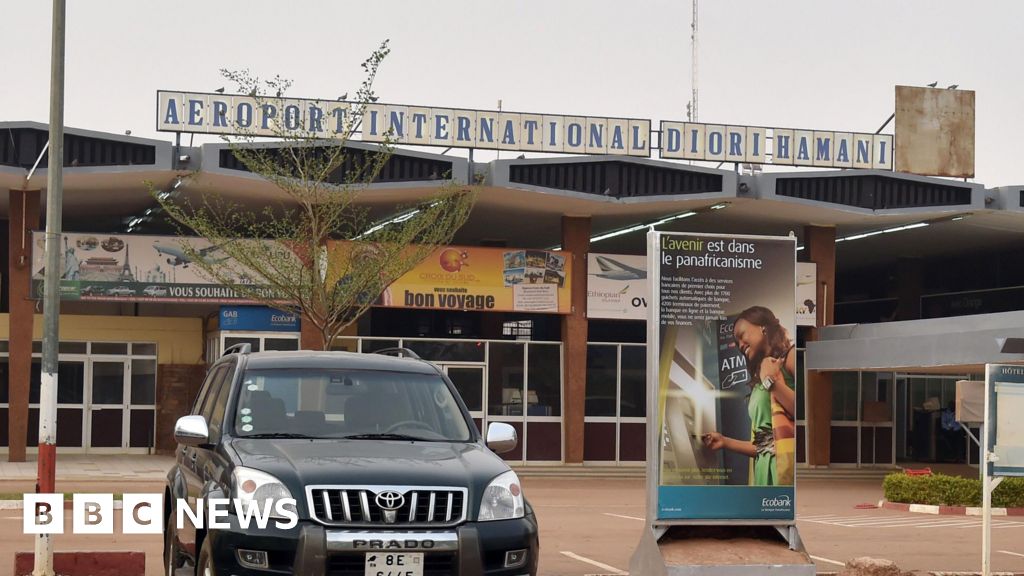
Gunfire erupting near Niger's capital airport sparks widespread concern
Gunfire erupting near Niger’s capital airport sparks widespread concern

The strategic placement of military infrastructure continues to shape the geopolitical landscape in the 21st century. Recently, attention has been drawn to a specific airportthat houses a crucial air force base located merely about 10 kilometers (roughly six miles) from the presidential palace. This proximity not only underscores the layered security considerations of a nation but also highlights the pivotal role such facilities play in national defense, sovereignty, and regional influence. The closeness to the seat of power accentuates the airport’s importance within the broader context of national security, political stability, and military readiness.

Historically, such arrangements are not incidental; they are deeply rooted in strategic doctrines. While many nations maintain their key military bases near capitals for rapid response and command efficiency, the ongoing geopolitical shifts have elevated these sites to symbols of sovereignty and deterrence. Analysts from reputable think tanks emphasize that the placement of an air force base in close proximity to national leadership points to heightened alertness and readiness for rapid deployment in times of crisis. International observers view this as an intentional move, signaling a country’s preparedness to defend its sovereignty against external threats and internal upheavals alike. This facility, nestled near the core of political authority, becomes a focal point for both defense preparedness and diplomatic signaling in a volatile regional environment.

Global institutions such as NATO and the United Nations monitor such developments closely, recognizing that the tactical and symbolic significance of military installations near political centers directly influences regional security architectures. Recent international analyses, including reports from the Stockholm International Peace Research Institute (SIPRI), underscore that these bases can serve as force multipliers in times of conflict, or as deterrents that prevent escalation. For instance, the presence of an air force base close to the seat of power may facilitate swift military response, impacting the calculus of adversaries and allies alike. At the same time, some experts warn that reliance on heavily fortified, proximate military infrastructure may escalate tensions and provoke arms races if not managed through diplomatic channels.

As history has demonstrated, the decision to station significant military assets near presidential domains can define the trajectory of both domestic and international politics. Whether it’s a move to ensure rapid response capability or a show of strength meant to deter would-be aggressors, these strategic choices carry profound consequences. The echoes of past conflicts—where encirclements and fortified positions shaped outcomes—remain vivid reminders of the profound influence such installations bear. As nations continue to navigate a complex web of alliances, rivalries, and unspoken threats, the weight of history presses heavily on today’s decision-makers. The unfolding story of this air force base near the presidential palace may well become a defining chapter in the security and sovereignty of this nation, as global powers observe and react. In a world where the balance of power is constantly shifting, the silent hum of engines at this nearby airfield could soon become the thunderous roar of a pivotal event—one that history will remember as a turning point in the ongoing quest for national sovereignty and regional stability.

Unveiling the Hidden Vibes of Turkey’s Iconic Cool Capital

Discovering Izmir: A City of Ancient Roots and Modern Resilience

In the heart of the Levant, Izmir stands as a testament to centuries of cultural confluence and historical resilience. Once Turkey’s most cosmopolitan city, it was renowned over a century ago for its sophistication, with streets bustling with families from Greek, Armenian, Turkish, and Levantine backgrounds. The era of Parisian fashions, imported Munich beers, and elite schools marking the city’s golden age was abruptly halted in 1922 by devastating fires and political upheavals—yet Izmir’s spirit has refused to fade. Today, this ancient port city embraces a *vibrant blend* of history and modern lifestyle, inviting young explorers to discover its layered legacy while forging their own stories of inspiration.

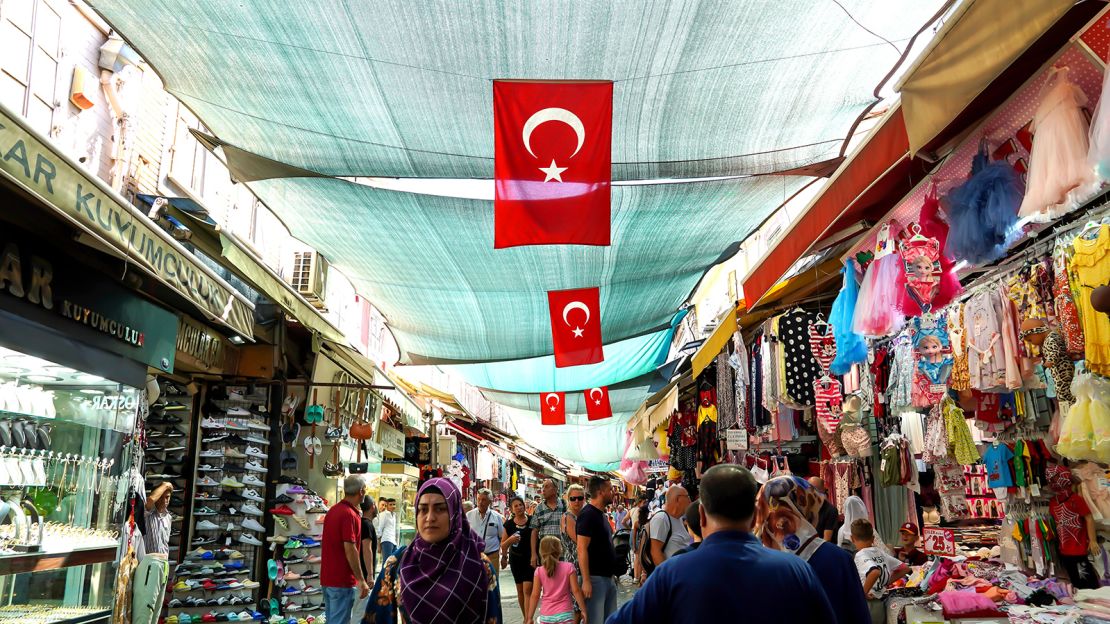
Walking through Izmir today, the historical imprint is undeniable. The Kemeralti Bazaar, a labyrinth of covered streets and han inns, remains the pulsating heart of the city’s commerce and culture. Its architectures whisper tales of the Silk Road, once making Smyrna Quay the hub for merchants exchanging silk, spices, and exotic goods. Travel buffs and history enthusiasts should heed these echoes of the past, where traditional Turkish coffee still brews over hot coals in Kahveciler Sokağı, and relics like the copper bazaar tell stories of bygone eras. Beyond the bazaar, visitors can explore the Clock Tower in Konak Square, an Ottoman-era masterpiece influenced by North African and Andalusian styles. Its ornate architecture not only provides a scenic backdrop for social media but also embodies the city’s eclectic character—a comforting reminder that beauty often lies in the convergence of diverse influences.

Yet, Izmir is more than a city frozen in time; it is a narrative of revival and entrepreneurial vigor. The reclaimed waterfront along Smyrna Quay, now known as the Kordon promenade, serves as an open-air playground for young people and tourists alike. The promenade invites activities from jogging at dawn to biking amid sunset hues, fostering a wellness culture that values well-being over the mundane. Cultural landmarks like the Adal Sultan Clock Tower symbolize resilience, constructed in 1901 with influences spanning multiple continents, echoing the city’s history of multicultural exchange. Moreover, Izmir’s music scene flourishes through figures like Darío Moreno, a singer whose legendary recordings such as *“Ya Mustafa”* continue to inspire generations. Such stories underscore how personal passions—be it music, art, or street food—fuel the city’s modern heartbeat, making it an ideal destination for the youth seeking an authentic encounter with history while forging new paths toward health and happiness.

  • Explore local cafes serving Ottoman-style coffee over traditional copper cezves.
  • Take a day trip to Ephesus, where Roman streets and mosaics tell stories of Mediterranean trade and civilization.
  • Walk or cycle along the Gulf of Izmir, soaking in views that blend natural beauty with urban revival.
  • Visit hidden gems like Havra Sokak, where ancient synagogues stand as silent witnesses to centuries of multicultural coexistence.

Ultimately, Izmir exemplifies how a city can honor its storied past while embracing a future filled with vitality and youthful energy. Its resilience, driven by centuries of multicultural exchange, reminds us that even amid chaos, there is always an opportunity to rebuild and redefine one’s identity. For the young explorer, entrepreneur, or wellness seeker, Izmir offers a metaphorical journey—a personal odyssey through history, innovation, and lifestyle. As you stand on its shores or wander its ancient streets, you realize that lifestyle itself is an evolution—a continuous act of reclaiming, rediscovering, and celebrating the spirit of resilience. In this city of the phoenix, every moment becomes an invitation to craft your own narrative of strength and inspiration, one step at a time.

Europe’s coolest capital is leveling up—stay ahead of the vibe wave

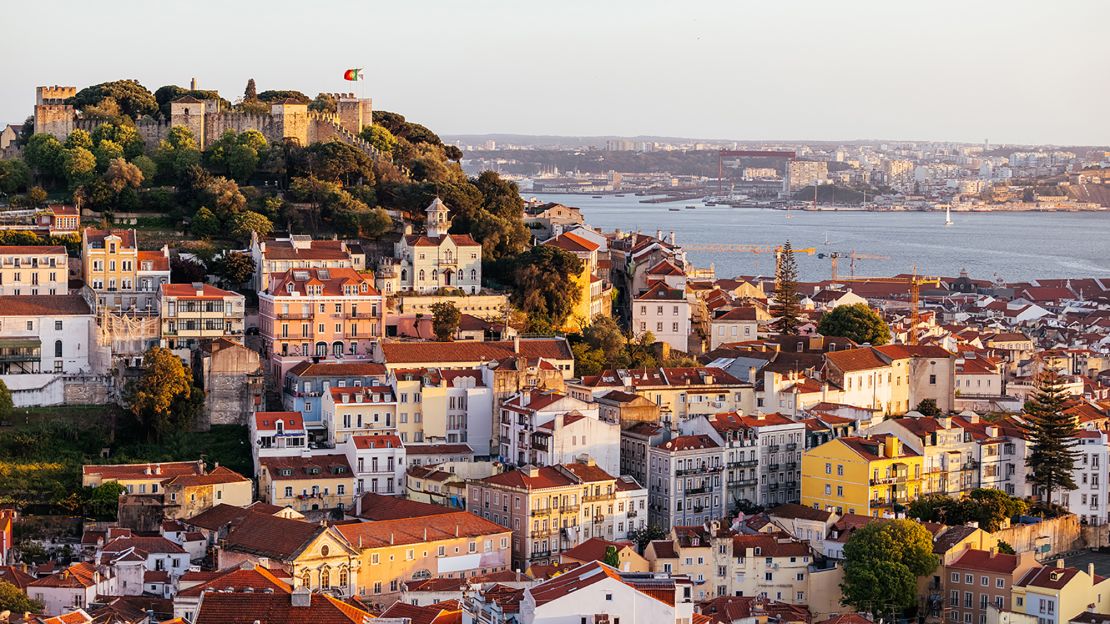
In recent years, Lisbon has experienced a remarkable renaissance, transforming from a classic European capital into a hub of youthful energy, multicultural flair, and entrepreneurial spirit. This vibrant city, perched high above the River Tagus and winding into the hills, now draws the world’s young travelers, digital nomads, and cultural explorers seeking a dynamic lifestyle destination. With its affordable rents, electrifying nightlife, and a rich tapestry of streets brimming with tradition, Lisbon exemplifies the compelling shift towards an urban renaissance that combines historical reverence with modern vitality.

The pulse of Lisbon’s revival is felt not just on the streets but deep within its culture and cuisine. The city’s local pride shines through when you walk its neighborhoods—the Belem district’s famed pastel de nata pastries, Fado singers in Alfama echoing romantic tales, and gatherings celebrating their patron saint, St. Anthony, with sardines and local wine spilling into the alleys. This city’s confidence is evident in its residents, who are now embracing their Portuguese identity unapologetically. Local authorities and cultural figures, like renowned chef José Avillez, highlight how in the midst of modern innovation, the soul of Portugal’s culinary art remains rooted in essential ingredients, simple love, and a уважениеrespect for tradition.

The city’s seafaring history is equally central to its identity. Lisbon’s connection to the Atlantic Ocean persists along its wide riverbanks and historic monuments like the Padrão dos Descobrimentos. This long-standing maritime pride is embodied by modern explorers such as solo sailor Ricardo Diniz, who continues the legacy of Portuguese adventurers with every voyage. The spirit of discovery fuels Lisbon’s ongoing narrative—a narrative not merely of exploration but of pride in cultural resilience and entrepreneurial spirit. The city’s resurgence has been fueled, in part, by outsiders—travelers, entrepreneurs, and expats—who fall in love with its confidence and authenticity, and spread the city’s newfound reputation globally.

  • Visit local markets and taste the fresh sardines during the Festival of St. Anthony for an authentic experience.
  • Explore Lisbon’s historic districts such as Alfama and Mouraria, where music, history, and tradition intertwine.
  • Indulge in Portuguese cuisine, from Michelin-starred restaurants to humble cevicherias, celebrating a culinary soul that marries tradition with creativity.

For many, Lisbon’s story isn’t solely about tourism but about a lifestyle shift—a conscious embrace of a life that balances the past with the present. Influenced by cultural icons and wellness experts advocating for a mindful and connected lifestyle, young people are finding that this city offers more than just scenic beauty; it offers a journey of self-discovery. From its historic maritime museums to its contemporary art galleries and lively cafes, Lisbon invites its visitors to reflect on what it truly means to be proud of one’s roots while courageously stepping into the future. As the city continues to evolve, it reminds us that a community’s spirit and history are not nostalgic relics but the foundation of a vibrant, inspiring life tomorrow.

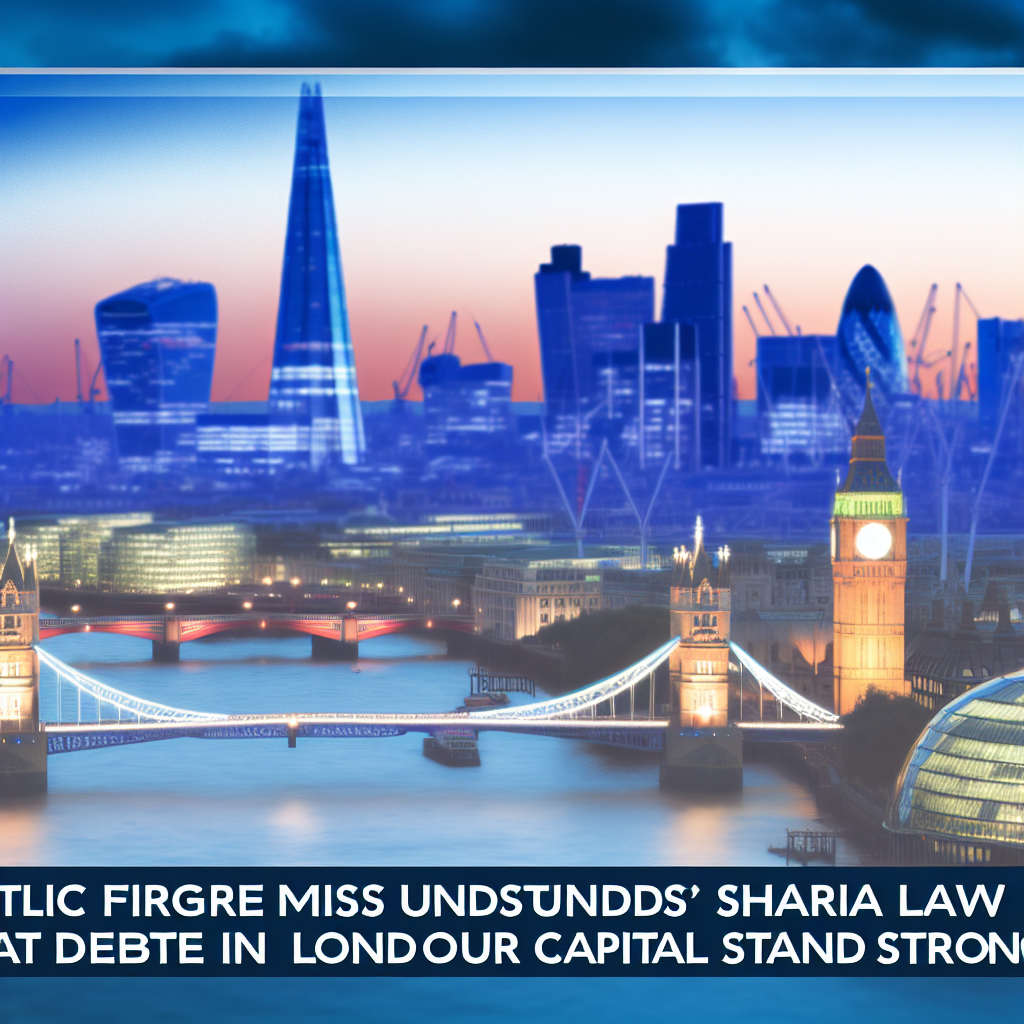
Minister: Trump Misunderstands Sharia Law Debate in London, Our Capital Stands Strong.

Pat McFadden has responded to misleading claims made by the U.S. president regarding Labour Mayor Sadiq Khan. This comes amid significant discussions about integrity and governance, particularly as the British government ramps up its efforts to tackle fraud. The Cabinet Office recently announced impressive savings of £480 million through the implementation of AI data tools, marking a major achievement in their ongoing crackdown on fraud.

Of the total savings, £186 million has been identified from fraud related to the Covid-19 pandemic. The government has successfully blocked hundreds of thousands of companies with questionable Bounce Back Loans from disappearing without repaying. Additionally, significant amounts have been recovered from businesses that improperly took out multiple Covid loans. The focus has also extended to other areas of fraud, such as those unlawfully claiming single-person council tax discounts and those attempting to illegally sublet social housing homes, all funded by taxpayers.

Meanwhile, the new political party Advance UK, led by former Reform deputy Ben Habib, is gearing up for its conference in Newcastle this weekend. While the venue specifics were initially kept under wraps, it is understood that the event will take place at the Crowne Plaza hotel in the city center. This gathering signifies a growing interest among younger constituents in the political landscape, fostering conversations that address their concerns and aspirations for the future.

Social Media Auto Publish Powered By : XYZScripts.com