Matox News

Truth Over Trends, always!

House Democrats unveil new photos of Epstein’s private Caribbean island

Unveiling the Shadows: Jeffrey Epstein’s Private Island and its Geopolitical Ripple Effects

The recent release of photographs and videos from Jeffrey Epstein’s private Caribbean island signifies more than just a glimpse into a scandalous secret; it underscores a broader geopolitical narrative intertwined with global power structures and the pursuit of accountability. The materials, obtained from law enforcement authorities of the US Virgin Islands, surface at a critical juncture as investigations intensify, revealing the depths of Epstein’s notorious operations. These images, dating back to 2020—just a year after Epstein’s controversial death—invite a cautious reflection on the international implications of this high-profile case and the forces that may have enabled such atrocities.

The properties owned by Epstein, including Little St James, broadly referred to by locals as “pedophile island,” symbolize the convergence of illicit activity and the complicity of powerful entities. The US Virgin Islands’ Attorney General settled in 2022 for more than $100 million with Epstein’s estate, highlighting the institutional attempts to reckon with the trafficking and abuse allegations that tarnished Epstein’s reputation. Such settlements not only represent a pursuit of justice but also serve as a stark reminder of how financial and political interests can obscure accountability until those interests are challenged by persistent investigations. The release of these new images seems to coincide with a broader congressional effort to maintain pressure on authorities, particularly as the Justice Department faces an impending deadline in December for releasing sensitive files relating to Epstein’s operations.

Analysts see these disclosures as a reflection of how international and domestic power can intertwine to protect or expose scandal. The bipartisan push—urging the Attorney General Pam Bondi to update on pending investigations—signals a strategic move to sustain congressional oversight amid calls for transparency. Moreover, documents such as records from financial institutions like JP Morgan and Deutsche Bank further complicate the picture, hinting at sophisticated financial networks that may have facilitated Epstein’s trafficking and obfuscated the extent of his influence. International organizations and historians warn that this case is a cautionary emblem of systemic corruption, with the potential to reshape how nations confront organized abuse embedded within elite circles.

As global eyes remain fixated on the unfolding revelations, the situation underscores how critical decisions at the national and international levels have long-lasting, far-reaching consequences. How countries manage transparency, uphold justice, and prevent the abuse of power directly affects societal stability and public trust in institutions. The ongoing investigation, poised to unearth further truths, leaves a sobering question: can justice truly be served in a landscape where power often shields the powerful? The narrative remains unresolved, with history itself still scribbling its chapters into the dark corners of a world grappling with the shadows cast by its most influential figures. The story of Epstein’s island is not just one of scandal but a stark reminder that beneath the veneer of civility, the battle between light and darkness continues—one that will shape the destiny of nations for generations to come.
Pentagon Chief Orders New U.S. Strike on Drug Smuggling Boat in the Caribbean

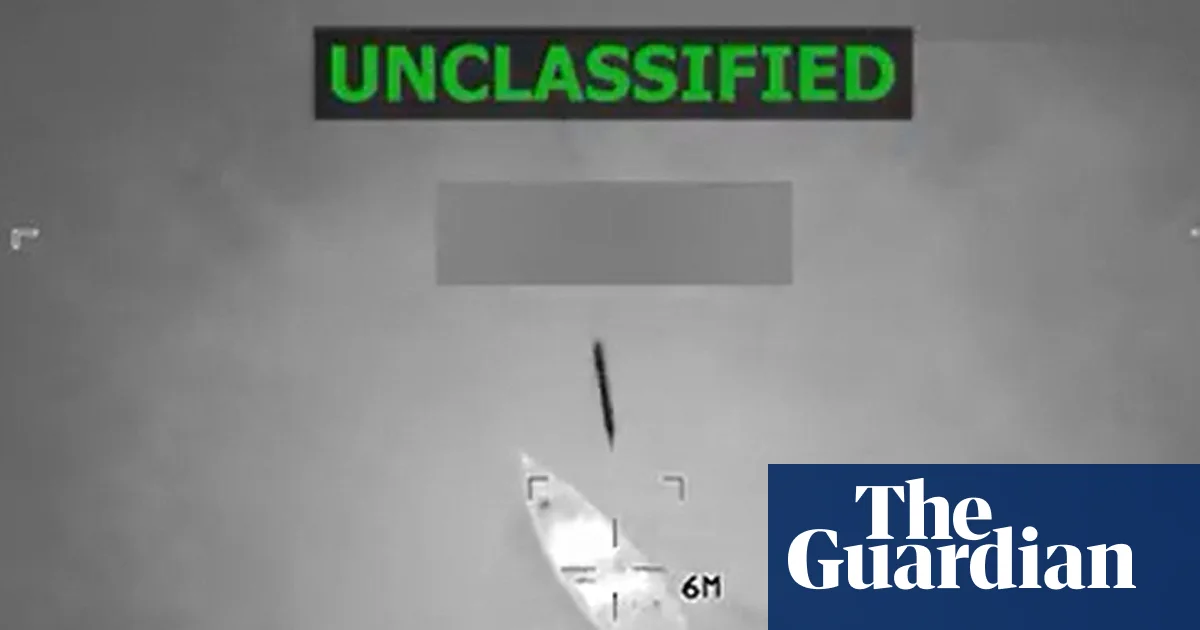
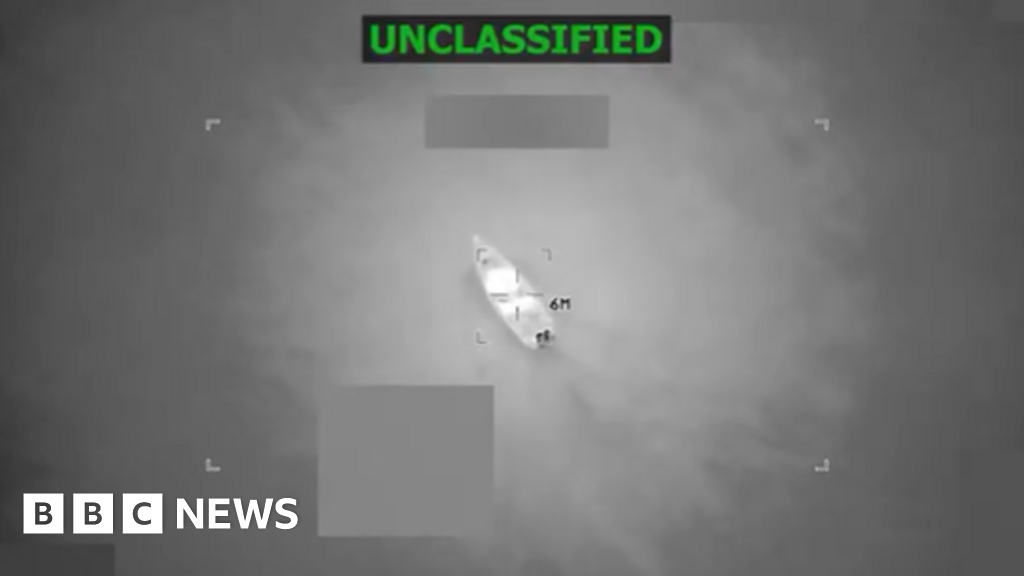
In a move that underscores the escalating global struggle against narcotics trafficking, the United States has conducted its tenth military strike targeting vessels suspected of carrying illegal drugs in the Caribbean and off the coast of South America. According to Pentagon officials, the latest operation resulted in the death of six individuals onboard a vessel believed to be involved in narcotics smuggling along transnational routes. These strikes, authorized and executed under the claim of defending national security and disrupting transnational criminal organizations (TCOs), have sparked considerable debate on the legality and efficacy of U.S. unilateral military interventions.

The administration has rapidly intensified its military posture, deploying the aircraft carrier USS Gerald R. Ford to waters off South America, emphasizing a strategic shift to bolster surveillance and interdiction capabilities in the Western Hemisphere. This move signals a broader geopolitical shift in U.S. foreign policy, with an explicit focus on combating narcotrafficking that threatens both domestic stability and regional security. Analysts suggest that this demonstrates a move toward a more aggressive posture, potentially risking regional destabilization and diplomatic fallout. Since early September, Washington has executed at least 10 strikes, resulting in the deaths of over 40 suspected traffickers, based on unverified claims. However, critics, including numerous civil liberties groups and South American leaders such as Colombian President Gustavo Petro, have condemned the campaigns as extrajudicial murders that violate international norms and sovereignty.

Indeed, the geopolitical impact of these actions extends beyond immediate military objectives. The clandestine role of the Central Intelligence Agency in providing intelligence—reportedly underlying many of these strikes—raises profound questions about transparency and legitimacy. Experts like Dr. Mariana Ruiz, a senior analyst at the International Crisis Group, warn that the secretive nature of intelligence-driven operations could set dangerous precedents. The ambiguous status of alleged affiliations between gangs like Tren de Aragua and designated terrorists complicates the legal framework used to justify these strikes, challenging international law and the sovereignty of affected nations.

Beyond the legal and moral controversies, these actions reveal a broader shift in U.S. strategic priorities. While the White House contends that the President is exercising constitutional authority under Article 2—a controversial interpretation—many legal scholars highlight the lack of explicit congressional approval and question whether such strikes are justified as acts of self-defense. Meanwhile, regional reactions remain overwhelmingly critical; Colombia, a frontline state in narcotics trafficking, decries these operations as “murder,” emphasizing that such policies risk destabilizing already fragile alliances and creating new fertile grounds for conflict. As global watchdogs and analysts grapple with the implications, it is clear that these strikes symbolize more than just a war on drugs. They mark a pivotal moment — a dramatic chapter in the unfolding narrative of international power, sovereignty, and the relentless pursuit of safety in an increasingly chaotic world.

Hegseth leads bold new Caribbean strike to keep America safe

Washington has escalated its maritime campaign against suspected drug traffickers with a series of targeted naval strikes across the Caribbean Sea and Pacific Ocean. Announced by US Defense Secretary Pete Hegseth, these operations are part of what the Biden administration and former President Donald Trump have described as a strategic effort to suppress international drug flows. The latest strike in the Caribbean purportedly destroyed a vessel linked to the Tren de Aragua criminal organization, resulting in the deaths of six individuals, according to US officials. As the tenth such operation since September, this campaign underscores Washington’s intensified pursuit of what it claims are threats to national security and regional stability.

This ongoing campaign raises profound geopolitical concerns, with critics questioning the legality and diplomatic ramifications of such unilateral military actions. Members of the US Congress from both sides of the aisle have voiced apprehension, highlighting the absence of clear congressional approval for these strikes. Most notably, 25 Democratic senators expressed their doubt that the earlier operations posed a direct threat to the United States, calling into question the legitimacy of executive authority in these instances. Meanwhile, Republican Senator Rand Paul has publicly maintained that any use of military force against these vessels requires explicit congressional authorization, emphasizing the constitutional debate surrounding the president’s powers in wartime.

Despite these concerns, President Trump’s administration has firmly defended the legality of the strikes, with Secretary of State Marco Rubio remarking that “if people want to stop seeing drug boats blow up, stop sending drugs to the United States.” Washington’s focus appears to extend beyond mere drug interdiction, as analysts suggest an underlying motive involves applying military pressure on the Venezuelan government led by President Nicolás Maduro, whom former President Trump accused of facilitating drug trafficking—an assertion that Maduro consistently denies. The persistent targeting of vessels connected to the Tren de Aragua organization not only aims to dismantle drug networks but also serves as a strategic move to undermine regional allies and adversaries, thereby asserting US influence in Latin America.

The international community watches with cautious apprehension as these operations unfold, with various non-governmental organizations and regional powers questioning the rule of law and the escalation of military force. Historians like James MacGregor Burns argue that such unilateral interventions risk destabilizing fragile diplomatic relations, while international organizations warn that unchecked military actions could provoke broader regional conflicts. At the same time, the US maintains that these operations are vital tools in combating narcotrafficking and safeguarding national security. Yet, with each strike, questions grow about how decisions made in Washington resonate far beyond the Caribbean or Pacific, shaping the fates of nations and societies caught in the crossfire of this modern-day power struggle.

As the dust settles and history writes its next chapter, the weight of this unfolding drama leaves an indelible mark on the global stage. The world watches as Washington flexes its military muscles in the pursuit of security, but at what cost? These actions, cloaked in the guise of justice, threaten to redefine regional dynamics, fuel diplomatic tensions, and question the very principles of sovereignty and international law. In the shadows of these maritime battles, the true line of conflict extends inward—between authority and legality, between power and legitimacy—leaving a question lingering in the air: Whose security is truly at stake, and at what price will the world continue to chase this perilous pursuit of order?

Venezuelan Fishermen Fear for Safety as U.S. Strikes Hit Caribbean Boats

Shifting Tides: The US-Caribbean-Venezuela Geopolitical Crisis

The Caribbean, long a nexus of geopolitics and maritime strategic interests, has recently ignited a new chapter of tension as the United States escalates its military activity in waters adjacent to Venezuela. The deployment of warships, fighter jets, submarines, and thousands of troops signals not just a routine antinarcotics campaign but a profound shift in international diplomacy and regional stability. US officials claim their operations target “narco-terrorists” linked to the Maduro government, while critics argue that these actions threaten to destabilize an already fragile society and undermine sovereignty. Historians specializing in Latin American geopolitics highlight that such military interventions confront decades-old regional skepticism of US influence, fueling narratives of imperial overreach and provoking mass resistance among Venezuelan citizens.

  • Since last month, at least six strikes have been launched against vessels suspected of drug trafficking, resulting in the deaths of at least 27 individuals, though the US claims that the vessels originated from Venezuela.
  • President Donald Trump has publicly considered initiating strikes on Venezuelan soil and has sanctioned a $50 million reward for the capture of Nicolás Maduro, accusing him of leading the infamous Cartel of the Suns. Maduro dismisses these allegations as a “slanderous campaign,” framing US actions as part of a broader strategy to topple his government and reassert dominance over Latin America’s resource-rich territories.
  • Venezuela’s leadership, including President Maduro and Defense Minister General Vladimir Padrino, warns of serious threats ranging from aerial bombings to sabotage, signaling an era of escalating confrontation that could ignite the region at any moment.

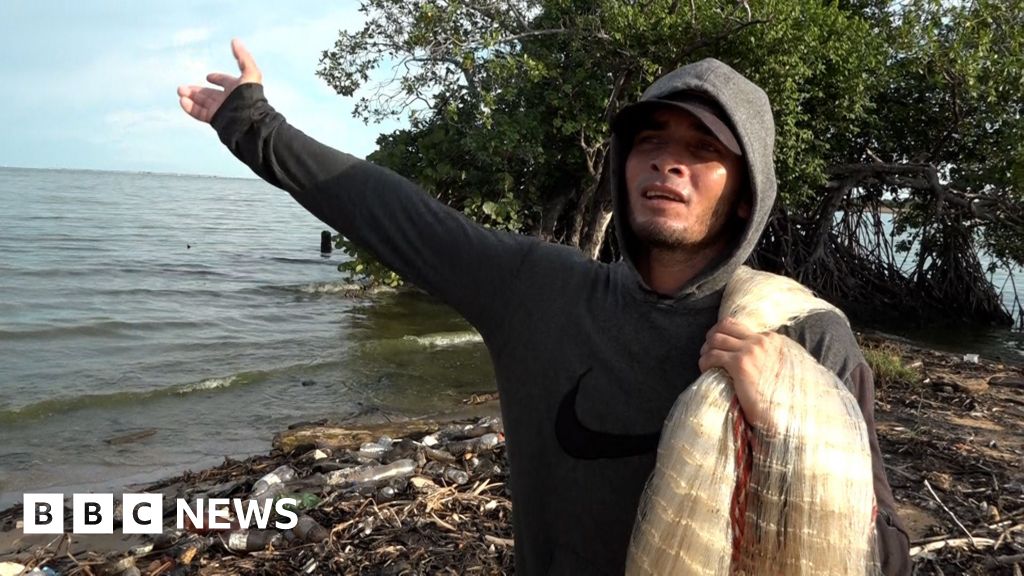
On the ground, the impact of these geopolitical maneuvers ripples through small fishing communities along Lake Maracaibo. Fishermen like Wilder Fernández, who has been at sea for over a decade, now harbor fears that their daily livelihood could be turned fatal amid US military patrols. Fernández and many others are increasingly wary of venturing into waters where the US has conducted strikes, with some even questioning whether their boats could be mistakenly targeted. The concern extends beyond immediate military threats; experts warn that such violence and instability could entrap local fishermen into the hands of drug traffickers and arms smugglers desperate for recruits or cover, thereby entwining economic despair with organized crime. The livelihoods of over 115,000 Venezuelans employed in fishing hang precariously in the balance, as political tensions jeopardize not only their work but their very safety.

In a remarkable act of defiance, hundreds of fishermen in Venezuela recently set out onto Lake Maracaibo in protest, displaying national pride in opposition to US intervention. Spokesman José Luzardo declared his willingness to defend his homeland with his life, epitomizing a burgeoning resistance rooted in a complex mixture of patriotism and desperation. Meanwhile, the Maduro government mobilizes its civilian militia, rallying thousands to stand against what they perceive as a foreign incursion aimed at regime change. This narrative of defiance illustrates that, amidst diplomatic cold war, local societies are thrust into the maelstrom of international power struggles, where their voices risk being drowned out by the thunder of military planes and the echo of sanctions.

As history continues to unfold, the Caribbean’s delicate balance of sovereignty and strategic interests faces a pivotal test. The decisions made by Washington, Caracas, and regional allies today will echo through generations, shaping the geopolitical landscape of Latin America and beyond. While the world watches with bated breath, one thing remains certain: the tides of war and peace in this tumultuous region are still ebbing, with the relentless march of history reminding us that, in the currents of power, no nation is unassailable and no society immune. The question persists—whose legacy will be written in these waters and on these shores? Only time will reveal whether the Caribbean becomes a beacon of resilience or a scarred battlefield of tomorrow’s conflicts.

Social Media Auto Publish Powered By : XYZScripts.com