Matox News

Truth Over Trends, always!

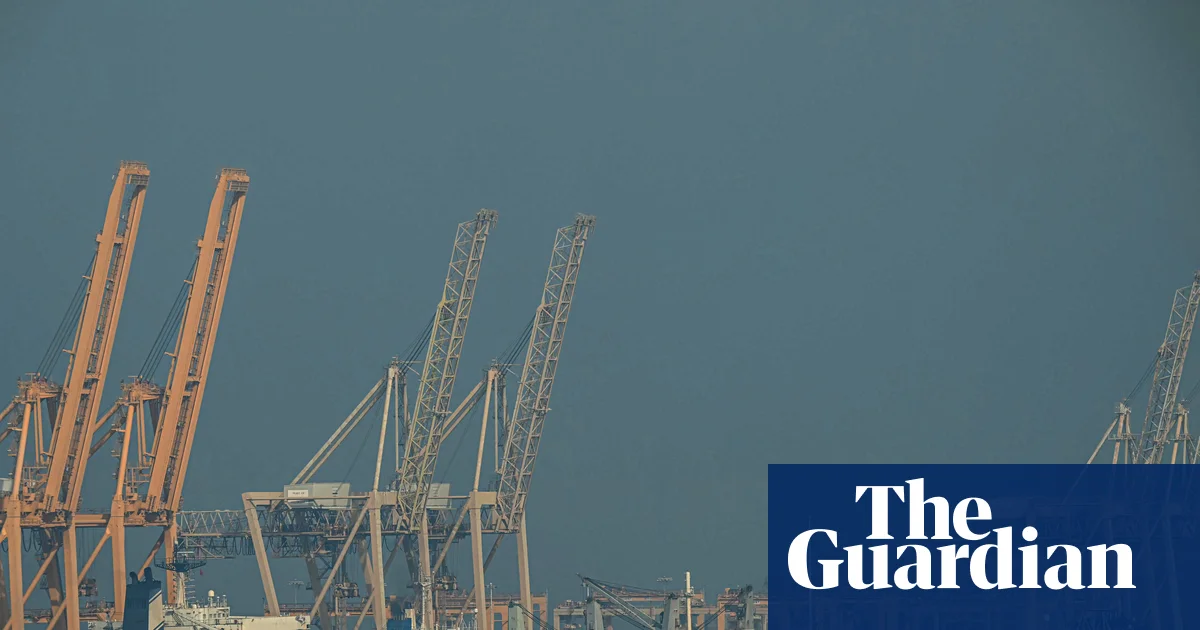
UAE Leaves OPEC, Boosts U.S. Energy Power and Limits Global Cartel Control

The recent decision by the United Arab Emirates to exit the Organization of the Petroleum Exporting Countries (OPEC) marks a significant geopolitical shift that signals the evolving landscape of global energy dominance. After six decades of unwavering membership, this move underscores a redefinition of strategic priorities within the Gulf region and the broader international arena. It is a calculated step aligned with the UAE’s long-term vision to forge a more independent energy policy—one that grants the Gulf state greater flexibility amid mounting regional tensions and the ongoing global energy crisis. The departure not only casts a shadow over OPEC’s influence but also intensifies the ongoing debate about the role and dominance of petro-states in shaping the world’s financial and political stability.

The geopolitical impact of this decision resonates profoundly across international markets and alliances. OPEC, for decades, wielded substantial control over global oil prices through collective production management, primarily stabilizing the economies of member states—most notably Saudi Arabia. However, the UAE’s exit symbolizes a divergence from traditional cooperation, motivated by internal frustrations with the cartel’s limits and the desire to harness its ample spare capacity—estimated at roughly 4.8 million barrels per day—to accelerate its transition into a low-carbon future. The move comes amidst persistent regional conflicts, heightened tensions with Iran, and the strategic recalibration prompted by the ongoing US-Israeli support for regional stability. Analysts argue that the UAE’s departure could lead to a more fragmented oil market, diminishing OPEC’s ability to influence prices and potentially emboldening other non-cartel producers to pursue independent strategies.

This shift also benefits the United States in its broader geopolitical objectives. Former President Donald Trump’s administration has long criticized OPEC for allegedly “ripping off the rest of the world” by artificially inflating oil prices through production limits. The UAE’s decision can be interpreted as a win for this pro-market, free enterprise approach and signals a possible realignment in global energy politics. Reports of ongoing discussions between US and UAE financial authorities—such as potential currency exchange agreements in times of regional crises—highlight an increasingly strategic partnership aimed at counterbalancing regional adversaries and maintaining global supply chains. While such measures focus on stabilizing regional conflicts, they also serve to diminish OPEC’s power, favoring a more open and competitive energy market controlled by strategic alliances aligned with Western economic interests.

Comments from analysts, including Jorge León of Rystad Energy, emphasize that the UAE’s move may usher in a “structurally weaker OPEC,” with many members becoming more dependent on their domestic policies rather than collective cartel strategies. The importance of this shift cannot be understated—it alters the delicate balance of global oil reserves and production leverage. The risk is clear: without the unified front of OPEC, global oil prices could become more volatile, and geopolitical conflicts could become more entrenched in the control of energy resources. As the world grapples with record-high oil prices and supply disruptions—exacerbated by the ongoing conflict between the US, Israel, and Iran—the UAE’s independence in energy policy sets a precedent, signaling that future disruptions may be met with a more assertive, uncooperative stance from Gulf producers. This unfolding chapter in international energy history proclaims a future where the old order of cartel-driven control diminishes, and new alliances—both geopolitical and economic—emerge from the shadows of regional conflicts, leaving history to decide whether this fragmentation leads to greater stability or chaos in the global energy system.

Mexico's Pyramid Attack Stirs New Concerns Despite No Cartel Ties
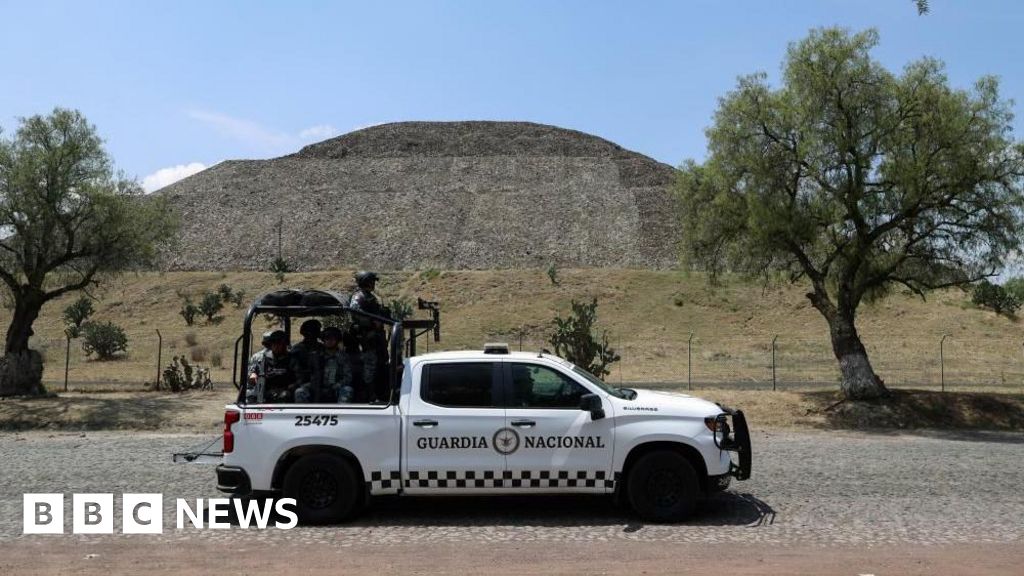
Mexico’s Pyramid Attack Stirs New Concerns Despite No Cartel Ties

In a stark reminder of the lingering security challenges faced by Mexico, a deadly shooting incident at a prominent tourist destination has sent shockwaves through the nation and attracted widespread international attention. Occurring mere weeks before the highly anticipated 2026 FIFA World Cup, this tragic event underscores the ongoing struggle for stability in a country long plagued by organized crime and violence. The incident not only destabilizes Mexico’s internal security but also threatens to tarnish its global reputation as a safe host for one of the world’s most watched sporting events.

Several eyewitnesses report that the violence erupted unexpectedly in a bustling area renowned for its cultural and tourist attractions, where families, travelers, and locals traditionally gather. Authorities confirmed multiple casualties, prompting an immediate investigation into the motives behind the attack. While initial reports suggest that criminal groups may have been involved, analysts emphasize that such violence also reflects broader systemic issues—including weak law enforcement and the complex interests of transnational criminal syndicates operating within Mexico’s borders. International organizations, such as the United Nations Office on Drugs and Crime (UNODC), have repeatedly highlighted that violence has become a defining feature of Mexico’s security landscape, with implications far beyond its borders.

In response, the Mexican government has vowed to intensify efforts to combat organized crime, deploying additional forces and ramping up security measures in tourist hotspots. However, critics argue that these measures are often reactive rather than strategic, with deeper socio-economic reforms deemed necessary to address the root causes of violence. World analysts, including researchers from several think tanks, warn that unless Mexico’s government broadens its approach to tackling corruption, poverty, and illicit trade, such incidents will continue to threaten national stability. Furthermore, the incident risks deterring international tourists, a vital economic sector, which could result in long-term economic repercussions and ( ) undermine the country’s aspirations for a resilient tourism industry as a cornerstone of economic recovery.

The fallout from this tragedy extends well beyond the border of Mexico; it impacts regional geopolitics and influences international perceptions. Countries such as the United States, which shares a long border and has vested interests in regional stability, are closely watching Mexico’s ability to maintain order. Analysts suggest that both nations’ policymakers must confront the intertwined issues of insecurity and transnational crime collaboratively, lest Mexico’s internal strife spill over into neighboring regions. According to experts from the Council on Foreign Relations, this incident could serve as a catalyst for renewed diplomatic efforts aimed at curbing criminal activity that jeopardizes both nations’ security.

As the world watches with bated breath, the question remains: will Mexico’s leadership rise to meet the grave challenge, or will this tragedy mark a turning point in an ongoing saga of violence and instability? History has repeatedly shown that moments of crisis often serve as the crucible for profound national transformation. Yet, the path forward remains fraught with peril, as the weight of unresolved grievances and corrupt interests continue to threaten to unravel the fragile fabric of societal peace. In the shadow of this tragedy, the future of Mexico — and indeed, the geopolitical landscape of North America — hangs in the balance, forever altered by a single act of violence that echoes through the corridors of history, reminding the world that the battle for stability is never truly won, only fought anew.

Social Media Auto Publish Powered By : XYZScripts.com


