Matox News

Truth Over Trends, always!

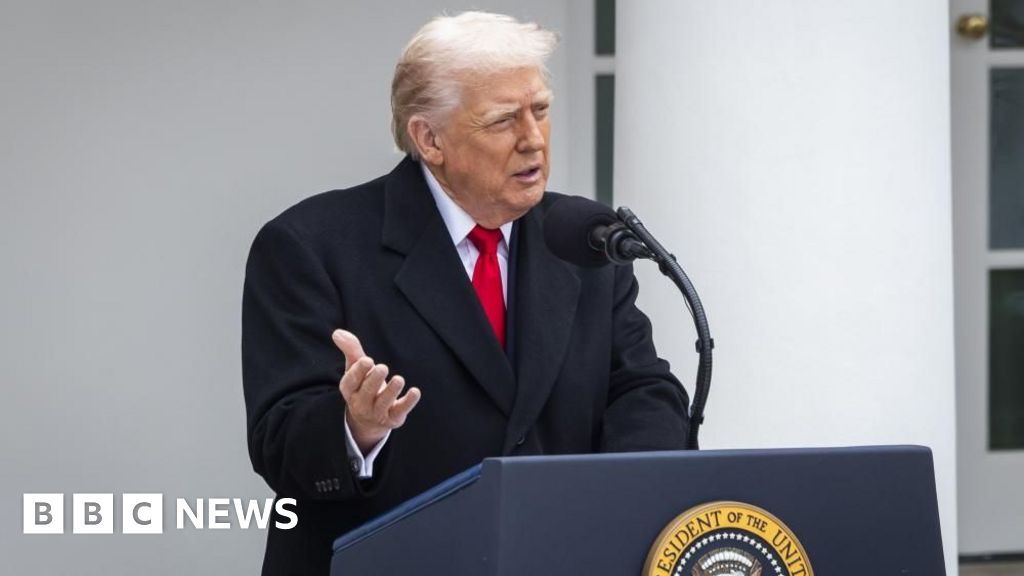
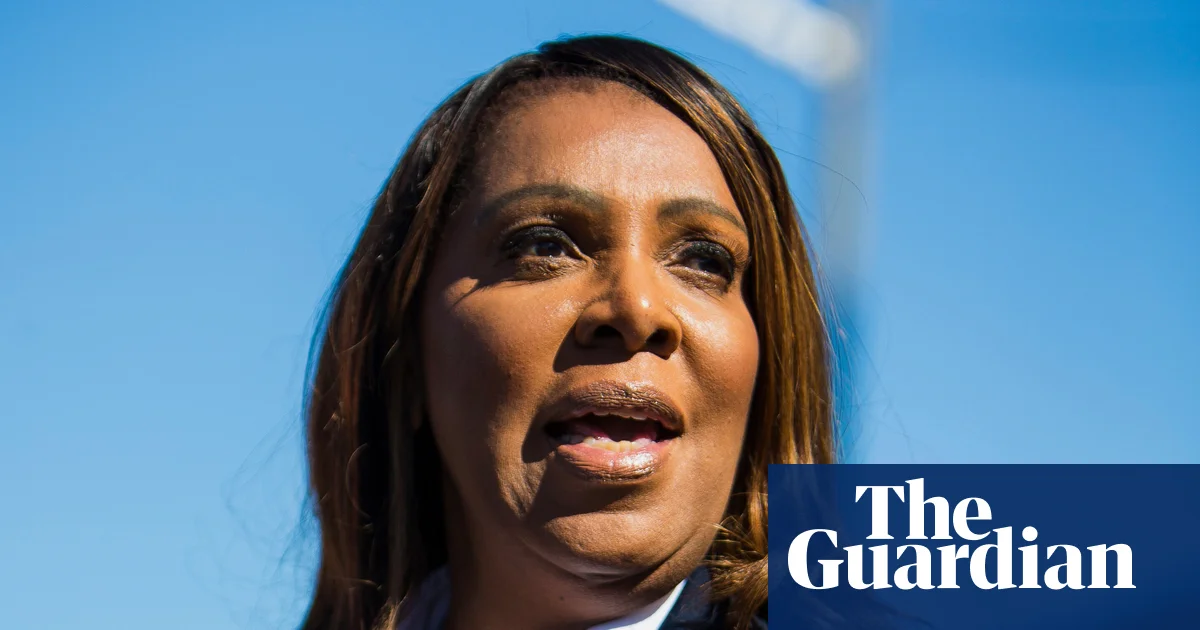
Grand Jury Won't Re-Indict Letitia James After Judge Dismisses First Case
Grand Jury Won’t Re-Indict Letitia James After Judge Dismisses First Case

In a noteworthy development that echoes the ongoing internal struggles within the United States’ legal and political landscape, the case against Letitia James, the New York Attorney General, has taken a dramatic turn. A grand jury recently declined to indict her, effectively halting the federal prosecution against one of the sharpest critics of former President Donald Trump. This sequence of events illustrates not only the volatile nature of American internal politics but also highlights the intricate web of legal authority and its potential to influence international perceptions of U.S. justice. The decision comes shortly after a federal judge invalidated a similar mortgage fraud case, citing procedural irregularities, which raises serious questions about the @rule of law within the American legal apparatus@.

Historically, judicial decisions and prosecutorial appointments have often been intertwined with political influence, especially when high-profile figures such as James, who has played a pivotal role in anti-Trump litigation, are involved. The case initially charged James with multiple counts of bank fraud and false statements related to a Virginia mortgage in 2020, with prosecutors alleging she manipulated mortgage terms to gain a financial advantage. However, legal experts and former prosecutors have criticized the flimsy evidence allegedly backing this indictment, suggesting the real motive may be political rather than criminal. The case’s unraveling—further compounded by questions regarding the legality of the appointment of the prosecutor—underscores how internal power struggles can hinder the pursuit of justice and potentially set a precedent for other nations observing the stateside clash of legal interests.

Analysts and international organizations warn that these internal conflicts could **undermine the credibility of the U.S. justice system** on the global stage, especially in an era where American influence is increasingly contested. Historian and legal scholars note that the saga of James reveals how the combination of partisan appointments, procedural technicalities, and political silencing serve to weaken the core principles of an impartial legal system. The controversy over her appointment—being unlawfully extended after exceeding the 120-day Senate confirmation window—demonstrates that even the most powerful federal institutions are susceptible to internal legal contradictions. These developments not only compromise trust within the nation itself but also signal to allies and adversaries that the U.S. system is vulnerable to **politically motivated investigations and prosecutions**.

Beyond the corridors of power, this ongoing saga raises profound questions about how decisions within the U.S. influence relations with allies and adversaries alike. Countries that observe the American legal battles see a nation at a crossroads—its justice system increasingly viewed through the lens of partisan conflict. As international institutions and global analysts cautiously monitor these battles, the potential ramifications extend beyond American borders, impacting geopolitical stability and alliances. The unfolding story underscores a stark reality: as U.S. internal conflicts persist and unfold with relentless intensity, history is writing itself into a new chapter that may challenge the very foundation of American authority and influence, leaving nations worldwide to wonder whether the home of liberty is still capable of upholding the rule of law or is merely succumbing to internal division.


El Chapo’s Son Admits Guilt in US Drug Trafficking Case

The recent developments in the ongoing battle against organized crime and international drug trafficking underscore a pivotal moment in the global effort to curb a deadly epidemic. The guilty plea of Joaquín Guzmán López, one of the sons of notorious Mexican drug lord Joaquín “El Chapo” Guzmán, signifies more than a personal legal victory; it signals a shift in the power dynamics within the transnational drug trade. As a member of Los Chapitos, the elite faction of Guzmán’s cartel leadership, López’s cooperation with US authorities highlights the increasing pressure on the Mexican and American criminal landscapes. The arrest and subsequent plea reflect a broader strategy that aims to dismantle the structural pillars of an organization responsible for a significant portion of the substances plaguing North America.

According to US prosecutors, the Guzmán family’s cartel, particularly after the arrest of El Chapo, has evolved into a formidable force commanding the production and trafficking of a vast array of illicit drugs, including cocaine, heroin, methamphetamine, marijuana, and fentanyl. Their rise to power, especially through criminal consolidation subsequent to their father’s incarceration, illustrates an entrenched network resistant to traditional law enforcement.
In a striking move, authorities arrested López alongside cartel boss Ismael “El Mayo” Zambada. The operation—engineered through deception by leading López to believe he was assisting in property scouting—demonstrates the clandestine tactics employed by these organizations. As part of his plea deal, López admitted to overseeing multi-faceted operations designed to flood the US market with death-bringing substances, with fentanyl—over 50 times more potent than heroin—being a prime focus. The proliferation of fentanyl has become a national crisis, accounting for the majority of overdose deaths among Americans aged 18 to 45, highlighting the dire consequences of these criminal enterprises for society’s most vulnerable.

The criminal activity of Latin American drug cartels has profound geopolitical impact, influencing both regional stability and international policy. The Trump administration’s recent move to designate these cartels as terrorist organizations has stirred controversy, provoking debates about legality and moral authority. Such designations aim to justify aggressive military operations, including missile strikes at sea, claimed to be necessary to halt the flow of drugs into the US. Critics, including many international law scholars and human rights groups, contend that these actions risk violating international treaties and resorting to extra-judicial killings—posing a dangerous precedent for sovereignty and justice. The debate centers on whether these measures are effective or merely escalate violence, potentially destabilizing the fragile security balance in Latin America.

Meanwhile, on the other side of the border, Mexico’s authorities continue to counter decades of drug war violence, recently eliminating Pedro “Pichon” Inzunza Coronel, a prominent fentanyl trafficker involved in heinous crimes, including murders, kidnappings, and violent debt collection. US Ambassador Ronald Johnson lauded these efforts, emphasizing the importance of international cooperation in fighting transnational crime. These actions demonstrate a global acknowledgment of the crucial need for joint strategies to combat these deeply rooted criminal networks. As these powerful figures fall, the question remains: can justice truly dismantle the sprawling, adaptable infrastructure of drug cartels, or are we simply witnessing the beginning of a new, more desperate chapter in this ongoing war?

History’s judgment may soon be written in the unfolding of these events, as nations grapple with the consequences of their choices. The fight against drug trafficking is not merely about law enforcement but about confronting the societal decay that underpins these criminal empires. As the struggle intensifies, one thing is clear: the decisions made today will carve the geopolitical landscape of the future, shaping a narrative of resilience, resistance, and relentless pursuit of justice—a narrative that history will scrutinize for generations to come.

Netanyahu Seeks Pardon in Corruption Case Amid Political Drama

Israel on the Brink: Netanyahu’s Pardon Request Sparks Constitutional Turmoil

In a move that is reverberating across the Middle East and challenging the foundations of Israel’s legal system, Prime Minister Benjamin Netanyahu has formally petitioned President Isaac Herzog for a pardon related to longstanding bribery and fraud charges. This unprecedented appeal, encapsulated in a comprehensive 111-page submission, seeks to halt a five-year corruption trial that threatens to cast a shadow over Netanyahu’s legacy and political future. The request, which is highly controversial, underscores the tension between legal accountability and political expediency—elements that could redefine the balance of power in Israel’s fragile democracy.

Legal experts and international observers have noted the potential for this request to set a historic precedent in Israeli law. Unlike most cases where pardons follow conviction, Netanyahu’s plea is preemptive—an extraordinary step that has historically been met with skepticism. Israel’s legal tradition has only rarely granted such pre-emptive pardons, with the most notable occurrence in 1986 involving the Shin Bet. However, legal scholars argue that the absence of a guilty plea complicates this case, and some contend it may violate established legal norms. The decision could ultimately ignite a constitutional crisis, with Israel’s high court potentially forced to weigh whether this political maneuver aligns with the rule of law or undermines it, a debate that echoes principles upheld by external bodies like the International Criminal Court.

While Netanyahu insists that the trial has been a politically motivated “witch-hunt” orchestrated by media and judicial actors, critics perceive his move as a strategic effort to preserve his grip on power. His opponents argue that granting such a pardon without an admission of guilt would erode public confidence in the justice system and embolden political corruption. Notably, prominent opposition leaders, including Yair Lapid and Yair Golan, have voiced stern objections, emphasizing that justice and integrity should not be sacrificed on the altar of political survival. This conflict extends beyond narrow legal boundaries; it raises urgent questions about how nations combat corruption and uphold democratic principles amidst geopolitical turbulence in a region fraught with instability.

Global Implications: A Tipping Point in International Politics

The international community is watching intently as Israel grapples with this constitutional crisis. The United States and European Union have historically prioritized democratic integrity, warning that such unprecedented legal maneuvers could weaken the legitimacy of democratic institutions. Some analysts warn that if Netanyahu’s plea successfully circumvents justice, it could embolden similar tactics in other democracies battling political crises. Moreover, the United Nations and other global watchdogs are likely to scrutinize whether this move damages the principles of rule of law and accountability, which are core tenets of modern governance.

The geopolitical impact of this unfolding saga extends far beyond Israel. The nation’s stability underpins regional alliances, influences the broader Middle East peace process, and impacts the global strategic landscape. As the world watches the showdown between Netanyahu, Herzog, and the judiciary, many experts believe this is a defining chapter—a moment that could either anchor democracy more firmly or precipitate a descent into constitutional chaos. Historically, nations caught in similar crises have faced profound transformations, often at the cost of societal cohesion and international reputation. As the desert sands shift beneath Israel’s delicate political stage, the weight of history presses heavy, signaling that the outcome of this crisis could echo through decades—an enduring testament to the peril and promise of sovereignty in tumultuous times.

Georgia prosecutor drops charges against Trump in 2020 election case

Georgia Case Dismissal Becomes Turning Point in US Political Arena

The recent decision by a Georgia prosecutor to dismiss the 2020 election-interference case against President Donald Trump marks a significant juncture in the ongoing saga of American political conflict and legal battles. Pete Skandalakis, acting as the chief legal authority in this case, filed a motion to dismiss after former District Attorney Fani Willis was disqualified due to a scandal involving a romantic relationship with a special prosecutor. This move signals not only a legal reevaluation but also a potential shift in the wider understanding of justice and accountability within the United States. While partisan voices have claimed victory, analysts warn that the consequences extend far beyond a simple legal victory or defeat.

Initially, the case was launched in response to a recording of Trump’s January 2, 2021 call to Georgia’s Secretary of State, Brad Raffensperger, where he requested assistance to find enough votes to overturn his loss in the state. This event, widely regarded as a turning point in American political history, prompted allegations of conspired election interference. However, critics argue that the case became emblematic of what many see as a politically motivated pursuit rather than a pursuit of justice. As historians and international observers have pointed out, such internal conflicts threaten the fabric of U.S. democratic institutions, especially when legal proceedings become entangled with partisan disputes.

The geopolitical impact of this case is profound. The United States, long regarded as the global beacon of democracy, finds itself grappling with internal fractures that undermine its influence worldwide. Allies and adversaries alike are watching closely, noting how internal legal conflicts are impacting America’s international image. The United Nations has expressed concern, urging the rule of law to be upheld without bias, but many analysts believe the episode underscores the broader risks to American credibility on the world stage. Countries that depend on U.S. leadership for global security and economic stability now see a nation internally divided, mirroring internal civil conflicts and tests of constitutional resilience.

The decision to dismiss the case against Trump, which included charges against 18 co-defendants such as Rudy Giuliani and Mark Meadows, is viewed by supporters as a step towards restoring judicial fairness. Yet, critics argue that the move entrenches divisions within a society already polarized by contentious elections and selective justice. International organizations warn that if the U.S. cannot resolve these internal disputes transparently and objectively, its ability to lead global efforts—whether on climate change, trade, or security—may be compromised. The stakes are high, and history has shown that internal conflicts within dominant powers often ripple outward, influencing global stability.

As the dust settles on this pivotal moment in America’s legal and political history, the world is left to witness its repercussions. This saga is far from over: a nation’s internal struggles now play out on the stage of world history, where the decisions of its leaders and the course of justice will shape the future of democracy itself. In the shadows of courtrooms and presidential debates, history is quietly watching, waiting to see if the United States can heal its wounds or if these divisions will carve deeper scars into its sovereignty—a crucible where democracy itself faces its ultimate test.

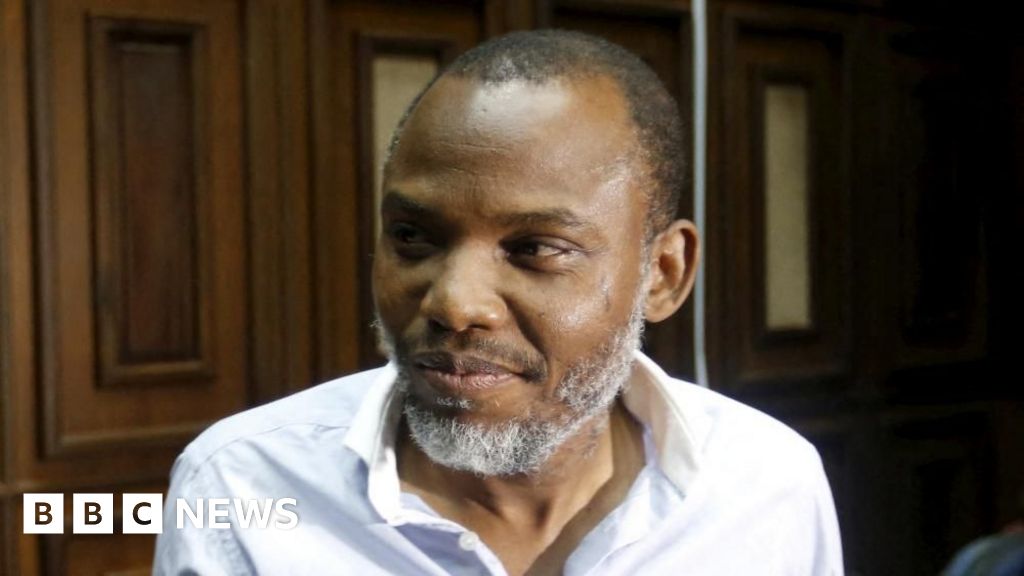
Nigerian Separatist Leader Gets Life Sentence in Terrorism Case

Nigeria’s Judicial Crackdown on Separatism: A Landmark Verdict and Its Geopolitical Reverberations

In a decisive move that highlights the enduring tensions within Nigeria, a court in Abuja has found separatist leader Nnamdi Kanu guilty of terrorism, treason, and conspiracy, sentencing him to four concurrent life sentences. This landmark ruling, delivered by Judge James Omotosho, signals a definitive stance by the Nigerian government against secessionist movements, particularly the Indigenous People of Biafra (Ipob). While the prosecution pushed for the death penalty—a reflection of the severity with which authorities are tackling threats to national sovereignty—the judge emphasized evolving perspectives on capital punishment, stating that executions are now “frowned upon.” This decision marks a potential turning point in Nigeria’s domestic policy on militancy and separatism, with wider implications for regional stability across West Africa.

The trial and conviction of Kanu also underscore the complex web of geopolitical and societal factors that underpin Nigeria’s ongoing struggle with internal divisions. Kanu, a British-Nigerian citizen who came to prominence through a London-based radio station calling for a separate Biafra state, has long been a symbol of Igbo aspirations for independence. His movement, once banned as a terrorist organization and connected to violent outbreaks, embodies deep-seated grievances rooted in historical marginalization. Analysts from the International Crisis Group and renowned historians contend that Nigeria’s government seeks to suppress non-state actors that threaten its territorial integrity, but critics argue this approach risks inflaming regional tensions further and undermining democratic dialogue. As Kanu’s supporters threaten protests, security around the court was heightened, reflecting the intelligence community’s fears of unrest, yet the muted response in southeastern Nigeria raises questions about the movement’s genuine popular support.

A Historical Shadow: The Legacy of Biafra and Africa’s Fragile Peace

  • In 1967, Igbo leaders declared the secession of Biafra, igniting a brutal civil war that resulted in the deaths of one million people. The defeat of the Biafran uprising left emotional scars and a legacy of marginalization that still influences regional politics today.
  • Since then, the drive for independence has persisted symbolically, but the Nigerian state has maintained a firm stance against secessionist groups, viewing them as threats to national unity and stability.
  • In 2022, Nigeria’s judiciary appeared divided over Kanu’s case, with an appeal court ordering that charges against him be dropped due to illegal detention abroad—an order that was subsequently overturned by the Supreme Court.

This saga exemplifies the intense struggle facing Nigeria—and the broader West African region—where calls for independence are intertwined with complex issues of ethnicity, history, and sovereignty. The verdict against Kanu not only serves as a warning to other separatist factions but also fuels the debate on how states must balance security with respecting cultural identities. International organizations and regional powers observe with caution, as Nigeria’s internal stability has repercussions for regional security, migrant flows, and economic partnerships across Africa and beyond.

As the weight of history presses heavily on the present, the case of Nnamdi Kanu stands as a stark reminder of the fragile path toward national cohesion. The echoes of the Biafran war still resonate, and the decisions made today could shape the narrative of Nigeria’s future for decades to come. The world watches as a nation at the crossroads grapples with its history—faced with the dilemma of how to forge unity from fragmentation before the tides of division are irreversible. In this unfolding drama, the true cost of unresolved grievances and the price of sovereignty remain painfully clear—history’s pen is never silent, and its questions are as urgent as ever.

Maine mom wins $25M in wrongful death case after leukemia tragedy involving daughter

Recent legal proceedings in Maine have rekindled a global conversation about accountability and medical standards, illustrating how individual justice can echo far beyond local borders. A civil jury awarded $25 million to Lyndsey Sutherland for her wrongful death lawsuit against Mid Coast Medical Group. This case, centered around the tragic loss of her 15-year-old daughter, Jasmine “Jazzy” Vincent, exemplifies the profound impact that a single verdict can have on societal perceptions of medical responsibility and the pursuit of justice. Although the verdict—comprising $10 million for Jazzy’s wrongful death and $15 million for pain and suffering—is subject to appeal due to jurisdictional caps, its significance reaches well beyond the State of Maine.

Historians and analysts concur that this case serves as a potent reminder that when medical professionals fail to adhere to minimum care standards, the ripple effects are destructive and far-reaching. Jazzy’s initial diagnosis of pneumonia, followed by a misinterpretation of symptoms related to a steroid-related condition, underscores how crucial accurate diagnosis and timely treatment are—especially for pediatric patients. The failure to identify her actual illness, acute lymphoblastic leukemia, led to her untimely death from cardiac arrest, illustrating the deadly cost of negligence. Such instances in the United States have prompted international observers and medical watchdogs to reassess protocols and standards—highlighting a pressing need for global reform to prevent similar tragedies.

This case also underscores how the decisions made in local courts can serve as templates for international discussions on medical accountability. International organizations such as the World Health Organization (WHO) emphasize the importance of stringent medical standards and legal recourse. Yet, critics argue that in many parts of the world, similar cases go unresolved or unnoticed due to systemic flaws or corruption. The Maine verdict becomes more than just a legal victory; it acts as a rallying point for advocates demanding justice and transparency worldwide. Countries grappling with healthcare deficiencies are now watching closely, aware that the outcome of justice in one nation can inspire change global-wide. This case may ultimately catalyze discussions on legal reforms, insurance policies, and the role of medical oversight across borders—highlighting how decisions in small localities carry the potential to influence global health policies.

As the verdict sparks debate, the broader geopolitical impact becomes increasingly evident. America’s legal case at home casts a spotlight on the broader issues related to healthcare accountability, which has tangible effects on international diplomacy and economic stability. Nations are increasingly pressured to adopt more rigorous medical and legal standards, not just to meet global benchmarks but also to shape their national identities as responsible members of the international community. How a country handles its medical negligence cases, whether through litigation, reform, or oversight, signals its commitment to safeguarding its citizens and upholding justice. Meanwhile, critics within international organizations warn that neglecting these standards could promote a pattern of complacency—a dangerous precedent with potentially devastating consequences. Ultimately, the verdict and its aftermath serve as a stark reminder that justice is the bedrock upon which societal stability is built, and that the weight of history continues to be written in moments like these.

France tightens rape laws, making consent clear after Gisèle Pelicot case

France’s Landmark Legal Shift on Consent and Sexual Assault

The French parliament has recently taken a historic step by officially ratifying an amendment redefining the legal framework surrounding sexual assault and rape. Previously, laws in France defined rape as “any form of sexual penetration committed with the use of violence, coercion, threat or surprise.” This definition, while comprehensive, left room for legal debates and weaknesses, specifically concerning the element of consent. The new legislation explicitly recognizes that all sexual acts performed without consent constitute rape, marking a significant metamorphosis in how the law perceives and prosecutes sexual violence.

This reform emerged after years of intense parliamentary debate, driven by the social and political fallout from high-profile cases such as last year’s Pelicot rape trial. In that case, 50 men were convicted of raping Gisèle Pelicot while she was drugged unconscious by her husband, Dominique. Defense lawyers argued that since the accused were unaware of her state, they couldn’t be guilty of rape. This case symbolized the gaps and ambiguities in existing laws and spurred advocates to push for a clearer, more precise legal definition of what constitutes non-consensual sexual acts. The new framework stipulates that consent must be “free and informed, specific, prior, and revocable”, and emphasizes that consent cannot be inferred from silence or a lack of reaction—standing as a critical reassurance for victim protection across Europe and beyond.

The legal shift also reflects broader geopolitical and cultural implications. France’s move aligns with a continent increasingly attuned to protecting individual freedoms and rights; countries such as Sweden, Germany, and Spain already implement consent-based laws, and advocacy groups like Amnesty International France have hailed this change as a “historic victory” in the fight against sexual violence. This evolution in law is not simply symbolic; it reshapes the societal landscape, making clear that sexual autonomy is inviolable. As analysts argue, such measures bolster the rule of law while challenging traditional notions about criminal intent—raising questions about how culpability is determined where consent is compromised. The European legal trend signals a wave of reform that could influence other nations grappling with similar issues, with regional and global ramifications for how sexual violence is understood and prosecuted.

Yet, critics voice concern that this reform could lead to unintended consequences. Some argue it might turn sexual relations into contracts and demand victims provide concrete proof they did not consent, complicating the pursuit of justice. Others worry it could lend itself to a legal environment where accusations become difficult to prove, especially in cases involving ambiguity or lack of evidence. Still, France’s highest court, the Conseil d’État, reaffirmed the legislation, stating that it underscores the fundamental *right to personal and sexual freedom*—a powerful statement that echoes across the continent. As societal norms shift and the legal landscape evolves, the question remains: how will societies reconcile the need for justice with the realities of human intimacy?

In a world where the battlegrounds of morality and legality continue to clash, France‘s decisive move toward consent-based law signals a broader reckoning with the very nature of personal freedom. The decision impacts not only domestic policy but also challenges traditional notions of authority and individual sovereignty in a rapidly changing cultural landscape. As history unfolds in these legislative halls, the weight of this moment hangs heavily—an enduring reminder that the fight over justice, liberty, and human dignity is ongoing and far from over. The tide of change has now begun, and the world watches as the balance of power between societal norms and individual rights is remade before our very eyes.

Why the Case Against Bolton Is Different from Trump's Political Attacks
Why the Case Against Bolton Is Different from Trump’s Political Attacks

U.S. Justice System at Crossroads: Indictment of Former National Security Adviser Bolton Sparks International Debate

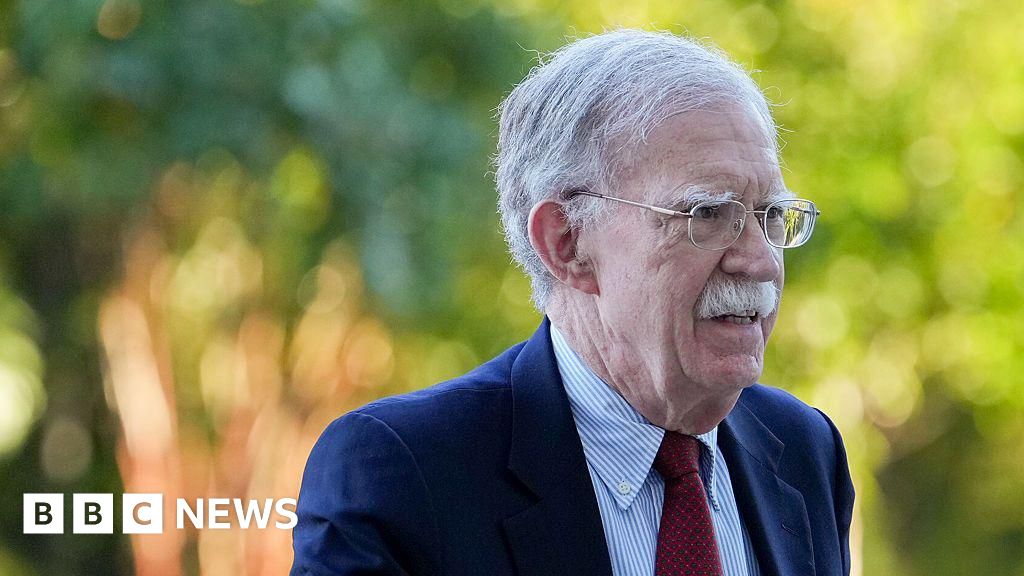
The recent indictment of John Bolton, former national security adviser to President Donald Trump, has ignited an international debate over the integrity and political impartiality of the U.S. justice system. Unlike earlier cases against figures like James Comey and Letitia James, which many critics argued were politically motivated, Bolton’s charges have raised eyebrows across the geopolitical landscape. Legal experts and analysts contend that this case potentially signals a shift towards more traditional, rigorous prosecutorial standards, especially given the serious nature of allegations involving mishandling classified information.

Historically, charges involving classified documents have been a rarity at the highest levels of government, making Bolton’s indictment a noteworthy departure from recent precedent. Prosecutors allege that he improperly retained and transmitted top-secret material—some stored via insecure means such as AOL email—and that he did so over an extended period. During his court appearance, Bolton pleaded not guilty to 18 counts, with some legal scholars suggesting that the evidence against him might be stronger than the cases previously brought against Trump or Biden. Officials argue that the procedures employed follow strict protocol, highlighting that the process might reflect a more impartial application of justice, regardless of political implications.

The geopolitical impact of this development extends beyond the courtroom. It signals to allies and adversaries alike that the U.S. is willing to hold even its own senior officials accountable for misconduct. As international organizations analyze this trajectory, many see it as a possible indicator that the era of selective justice—favoring political allies—may be waning. Former prosecutors emphasize that a conviction will require proving Bolton’s knowledge of the classified nature of the documents and his intent to mishandle them, focusing on legal norms that have often been glossed over in the politically charged past.

This case comes amidst broader international shifts where geopolitical tensions are intensifying, especially as countries like China and Russia seize opportunities amid the shadows of U.S. internal turmoil. Many analysts warn that such internal conflicts threaten to weaken America’s global standing, as critics argue that partisan battles over justice undermine coherence in foreign policy. Conversely, proponents contend that pursuing accountability at the highest levels bolsters America’s commitment to the rule of law, a move that could bolster its international reputation in the long view. As the world watches, the unfolding drama underscores the continuing struggle for domestic legitimacy and international credibility.

In the echo of history, this case reflects a pivotal chapter in the ongoing saga of American politics and justice. Will it serve as a warning to those in power that no one is above the law, or just another chapter in an era where political loyalties determine fate? As analysts debate the strength of the evidence and the fairness of the process, the weight of history’s gaze remains fixed on Washington. The decision made in courtrooms today will ripple across nations, shaping narratives about justice, power, and the enduring tension between the rule of law and the perils of partisan influence—an unfolding chapter in the grand story of a nation still striving to define itself amidst the tumult of global change.

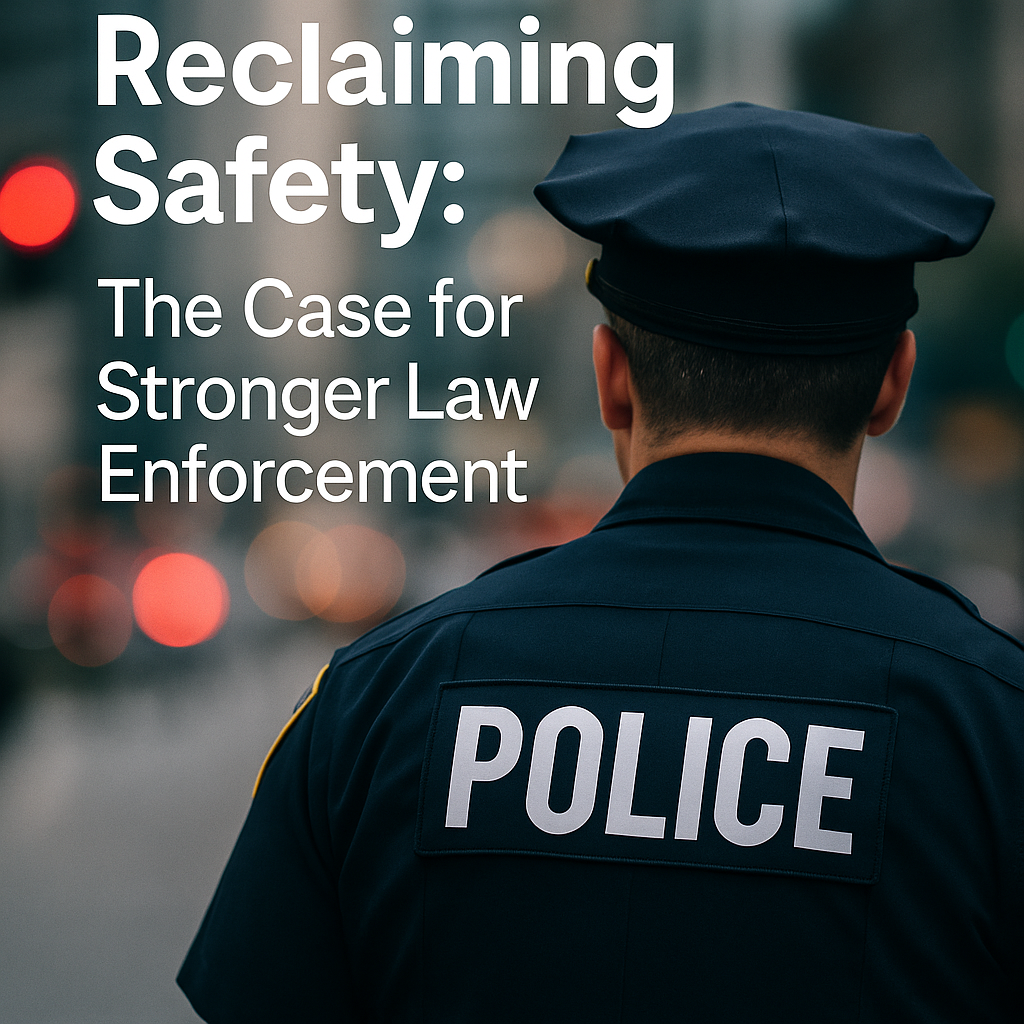
Reclaiming Safety: The Case for Stronger Law Enforcement

In the ongoing debate over public safety, a growing chorus of voices emphasizes the urgent need to reclaim safety through stronger law enforcement. Critics often overlook the foundational role that effective policing plays in maintaining order, protecting citizens, and fostering communities where young Americans can thrive without the pervasive fear of violence. Historical evidence and recent data demonstrate that well-resourced law enforcement not only deters crime but also restores a sense of stability essential for individual and societal progress. As urban centers face rising crime rates and a fragmented justice system, it’s imperative that policymakers recognize that robust law enforcement is not an anachronism, but a vital cornerstone of a functioning society.

Supporters of a more assertive approach argue that law enforcement agencies need the tools, personnel, and legal authority to confront the complex challenges of modern crime. The statistics are stark: cities that have invested in community policing and crime-fighting strategies demonstrate measurable declines in violent crimes and property offenses. Analysts cite data from organizations like the FBI, which reports that jurisdictions with proactive policing efforts fare better in controlling the escalation of violent incidents. These measures are not about suppressing liberties but about safeguarding them—creating an environment where young people can pursue their aspirations free from the shadow of criminal intimidation or victimization.

Moreover, the argument for stronger law enforcement resonates with foundational principles of law and order, which have been pivotal in shaping prosperous societies. Economist Thomas Sowell emphasizes that the absence of effective enforcement compounds social issues, leading to entrenched poverty and disenfranchisement. Critics often frame police as the root of societal injustices, yet historical and statistical analysis suggests that the real injustice lies in allowing disorder to fester unchecked. Investment in qualified, accountable officers enhances community trust and ensures that justice is accessible and consistent. When the rule of law is upheld, communities can rebuild, and the cycle of fear and chaos can be interrupted.

Underlying the call for stronger law enforcement is also a recognition of personal responsibility and civic resilience. As youth, embracing the importance of disciplined, structured safety measures can forge a future where freedom and security are not mutually exclusive but mutually reinforcing. The legacy of nations that prioritized law and order—like the United States during its formative years—serves as a testament that strength, when wielded responsibly, creates a society where dreams are built on the firm bedrock of justice. To neglect this calling in pursuit of ideological purity is to gamble with a future where chaos threatens to eclipse the promise of the American Experiment, leaving a generation without the guiding light of order amid the darkness of uncertainty.

*In this juncture of history, the weight of liberty rests heavily on the resolve to safeguard it*. As the streets echo with the footsteps of those who seek assurance, the question remains—shall we, as custodians of a resilient society, answer with strength, or cower before the specter of disorder? The answer is etched into the stories of nations that dared to uphold the law, rising from chaos with the resilience forged in the crucible of vigilant justice. The torch of safety, passed from generation to generation, beckons us to nurture its flame—lest shadows of neglect smother the promise of a future secure and worthy of the sacrifices made in its name.

Social Media Auto Publish Powered By : XYZScripts.com