Matox News

Truth Over Trends, always!

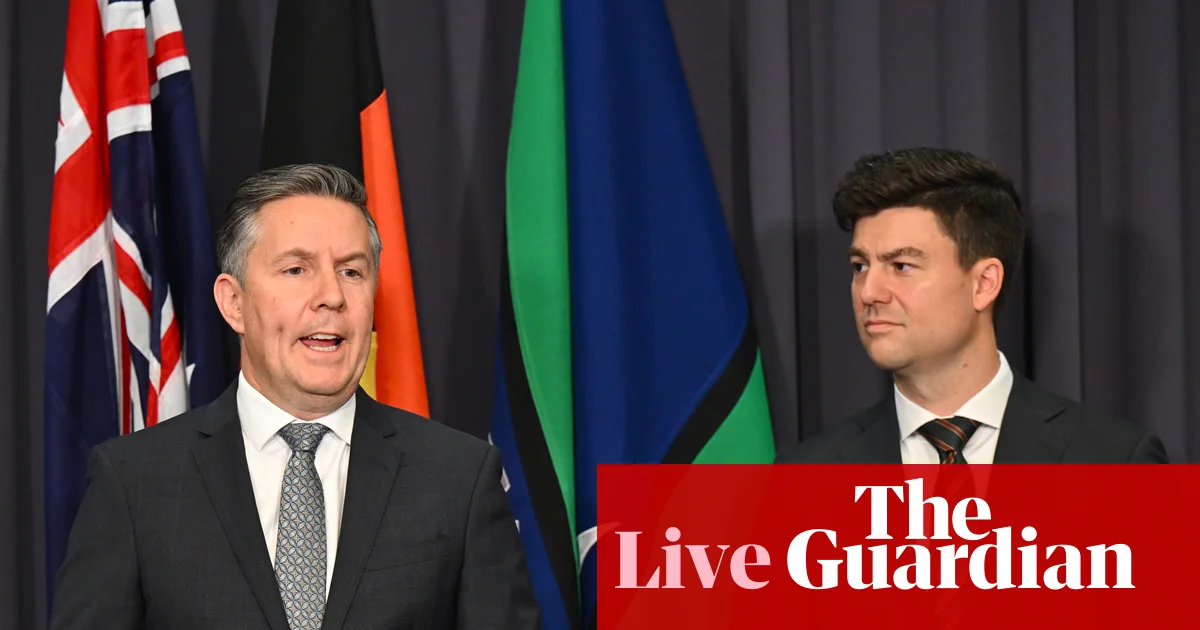
Australia news live: NDIS savings to improve aged care amenities, minister confirms; fourth suspect charged in Baghsarian murder case

Global Geopolitical Shifts as Domestic Policies Reshape Societies

In a revealing turn of events, Australia is experiencing significant domestic policy changes that echo broadly across the international stage. The recent decision by the government to redirect savings from the National Disability Insurance Scheme (NDIS) towards enhancing aged care services marks a pivotal moment in the nation’s social policy landscape. The move has sparked intense criticism from advocates and experts, who argue that essential personal care services—such as showering, dressing, and continence care—are fundamental to aging with dignity. As Minister Sam Rae states these changes will be in effect from October, the broader geopolitical impact extends beyond mere budget reallocations, subtly challenging Australia’s commitments to social justice and quality of life for its vulnerable populations.

This policy adjustment occurs amid a chorus of dissent that underscores how deeply intertwined domestic decisions are with international perceptions. Critics, including prominent analysts and advocacy groups, contend that the government’s choices underestimate the societal value of personal care, risking societal fragmentation and unrest. Historically, decisions that devalue social welfare have often precipitated geopolitical vulnerabilities, exacerbating inequalities and fueling regional instability. The Global Human Rights Watch has lamented these developments, warning that neglecting social priorities undermines national stability at a time when international trust is increasingly fragile. These internal shifts cannot be viewed in isolation; they feed into the complex web of global geopolitics, where societal resilience is often a precondition for geopolitical strength.

Meanwhile, in the realm of economic nationalism and resource management, controversial debates have emerged surrounding gas exports. Independent Australian senator David Pocock has publicly championed a 25% tax on gas exports, asserting this is not radical but a necessary step to serve the national interest. “We’re one of the biggest gas exporters in the world,” Pocock emphasized, “and yet we feel poor every time gas prices go up internationally. Norway’s $3tn sovereign wealth fund exists because of political courage—and Australia must follow suit.” His stance is resonating amidst growing calls for political leadership that prioritizes national wealth and social welfare over corporate profits. The geopolitical consequence of such position is profound: it signals a shift toward resource nationalism, which could alter existing international energy alliances and impact global markets.

Furthermore, with the ongoing investigation into the alleged kidnapping and murder of Chris Baghsarian, the case has taken a new turn: a fourth individual has been charged, underscoring how internal security issues remain an unpredictable variable in the geopolitical calculus. This local tragedy holds mirror to broader concerns about societal stability and law enforcement’s capacity to address organized crime and corruption—factors that directly impact international relations. As the world watches, analysts warn that neglecting internal security chaos may embolden transnational criminal networks, further complicating Australia’s international standing.

From domestic policy shifts driven by political will to external resource management strategies, the weight of history presses against nations caught between internal priorities and global responsibilities. Each decision, no matter how seemingly local, has the potential to ripple through the fabric of international relations, shaping power dynamics, economic dependencies, and societal resilience. As these stories unfold, they serve as a stark reminder that history’s greatest moments often hinge on decisions made in the quiet corridors of power, with the future yet unwritten. The unfolding chapter of Australia’s internal struggles and resource battles foreshadows a shifting geopolitical landscape—one where nations are tested not just by external threats, but by their willingness to uphold the dignity and security of their own societies in turbulent times.

US singer D4vd denies murder charges in case of missing teen girl

In a development that transcends national borders and captures global attention, prosecutors have announced that singer David Anthony Burke, widely known by his stage name, could face life imprisonment should he be convicted of charges currently under investigation. While the specific allegations remain under seal, the case’s potential repercussions extend beyond the realm of individual justice, threatening to reshape political dynamics, cultural landscapes, and societal attitudes worldwide.

This case underscores the increasing intersection between high-profile celebrity cases and international geopolitics. Historically, cases involving prominent figures tend to ignite passionate debates about justice, privacy, and the societal role of fame. Nonetheless, experts caution that the severity of the charges—potentially life imprisonment—reflects a shift towards more stringent legal accountability that has resonated across many legal jurisdictions. International organizations, such as Amnesty International and Human Rights Watch, have called for fair trial standards, emphasizing that the outcome could influence how justice is perceived globally.

The geopolitical impact of this case is already resonating. Countries with robust legal systems are watching closely, particularly as the incident raises questions about the influence of celebrity culture on politics and law. Analysts argue that such high-stakes cases serve as a litmus test for the resilience of judicial independence amid societal polarization. For instance, some commentators point to recent historic cases, noting how legal proceedings against celebrities have sparked broader discussions about power, influence, and accountability. Meanwhile, critics warn that if the charges are politically motivated or unevenly applied, it could erode public trust in the legal institutions supposed to uphold justice universally.

Furthermore, the case’s implications reach into the cultural realm, where the role of public figures in shaping societal norms remains hotly contested. Cultural commentators and historians, including voices like Dr. Robert Goldstein, argue that this case could set a precedent for how authorities handle accusations against not just entertainment figures but influential individuals across sectors. The outcome may redefine the boundaries of acceptable behavior in an age where social media and instant communication amplify the effects of fame, blurring the lines between personal conduct and societal judgment.

As the world observes, the unfolding story of David Anthony Burke exemplifies how justice, power, and societal values are intertwined on a global stage. Whispers of diplomatic tensions and debates over legal impartiality are already echoing across international corridors of power. In a time when nations grapple with issues from transnational crime to cultural influence, this case may ripple outward, echoing in the corridors of international institutions and shaping policies for years to come. The final chapter remains unwritten, but the weight of history presses heavily upon the present—reminding all that even the most luminous figures are now entangled in the great web of geopolitical consequences, where every action echoes in the corridors of power and justice alike.

US Marine pilot's appeal thwarted in Australia extradition case
US Marine pilot’s appeal thwarted in Australia extradition case

In a case that underscores the fragile balance of international relations and the complex web of military diplomacy, Daniel Duggan’s arrest in 2022 has ignited renewed debate over covert military training and the geopolitical stakes involved. Duggan, an Australian former fighter pilot, was detained over allegations that he illegally provided military instruction to the Chinese military within South Africa. This incident marks a significant flashpoint, revealing the intricate layers of modern warfare that transcend national borders and challenge the existing global order.

The geopolitical impact of Duggan’s case extends well beyond the immediate legal consequences. His detention exposes a shadowy arena where nations covertly extend their military influence, often through proxies and clandestine operations. As international organizations and analysts scrutinize the incident, concern mounts over the potential expansion of Chinese military capabilities facilitated through foreign partnerships. Critics warn that such activities threaten the strategic balance in Africa and Asia, regions already fraying under the weight of great-power competition. The case has prompted responses from North Atlantic Treaty Organization (NATO) allies and other Western powers, who view these covert operations as part of China’s larger effort to expand its global reach and challenge U.S. dominance.

Scholars and security experts emphasize that Duggan’s arrest is emblematic of a broader pattern of military diplomacy behind closed doors. Historians like Dr. Emily Turner have highlighted how, throughout history, covert military training has served as a critical tool for emerging powers to bolster influence without provoking open conflict. The South African government, itself navigating a complex regional landscape, finds itself at an uncomfortable crossroads—balancing diplomatic relations with Beijing against Western concerns about sovereignty and security. As for South Africa, this incident threatens to alter its diplomatic positioning, potentially positioning the nation as a battleground for proxy conflicts that could destabilize its internal security and economic progress.

The fallout from Duggan’s arrest presents a strategic dilemma for international security architectures. Agencies such as the United Nations and Western intelligence community are grappling with the implications of unchecked military aid crossing borders through unconventional channels. This incident serves as a cautionary tale—highlighting how decisions made in the shadows today can escalate into larger conflicts tomorrow. European and American leaders warn that allowing such clandestine activities to flourish could undermine decades of diplomatic progress and provoke a new era of instability. The ongoing saga underscores the importance of vigilance and the need for unwavering commitment to maintaining a balance of power rooted in transparency and mutual respect.

As history continues to unfold, Duggan’s arrest becomes more than a legal matter—it is a stark reminder of the currents shaping our contemporary world. In a geopolitical landscape fraught with shifting alliances and covert pursuits, the right to sovereignty and security often hangs in the balance. The decisions made today will dictate whether nations forge a path toward cooperation or succumb to the chaos of clandestine conflict—placing the very fabric of global stability at a crossroads for generations to come. Ultimately, the story of Duggan is a chapter in the ongoing narrative of power, influence, and the relentless march of history itself.

New Trial Starts in Maradona’s Death Case Amid Justice Battles

In a remarkable turn of events that underscores the increasing intersection of media, justice, and geopolitics, the inaugural trial involving members of Maradona’s medical team has abruptly collapsed. The case centered on allegations of negligence surrounding the legendary footballer’s final days, but what was initially seen as a significant legal reckoning quickly unraveled following a controversial decision by a local judge. The court, which allowed live cameras into the proceedings, transformed what many expected to be a landmark case into a spectacle that attracted both global attention and scrutiny.

The decision to permit camera coverage marked a pivotal moment, reflecting broader trends in judicial transparency amidst growing public demand for accountability. However, critics and legal analysts warn that this move may have compromised the integrity of the proceedings, turning them into a media circus rather than a serious judicial process. The collapse of the trial sends a clear message about the delicate balance between transparency and due process, a debate already simmering at international levels. Historians cite this instance as a rare illustration of how media influence can interfere with justice, potentially setting precedents that threaten the sovereignty of national legal systems.

The geopolitical impact of this event extends beyond the courtroom. Although local in scope, it underscores the profound effects of legal proceedings on international perceptions of justice. For Argentina, this trial was not merely about Maradona’s personal legacy but also a mirror reflecting the country’s broader struggles with transparency, corruption, and the rule of law. Regional allies and rival nations alike observed how internal legal dynamics could influence diplomatic relations, especially when tales of negligence become tangled with national pride. Meanwhile, international organizations such as the United Nations and FIFA expressed cautious interest, emphasizing the importance of safeguarding justice as a universal principle amid rising populist pressures.

Experts note that this incident is a harbinger of a rising trend in high-profile legal battles, where media access and public opinion are increasingly intertwined with what should be an impartial judicial process. How this development influences future trials, especially those involving prominent figures or sensitive issues, remains a critical question for international law. It also sparks reflection on the role of national courts in maintaining sovereignty and integrity in an era where instantaneous information can shift public sentiment and international reputation in an instant.

As the dust settles on this spectacular courtroom collapse, the weight of history presses down. The trajectory of justice in the digital age depends on whether societies can uphold due process amid the relentless tide of media spectacle. This incident will undoubtedly be studied by future historians and policymakers as a cautionary tale—an event that not only challenged the boundaries of transparency but also questioned the very foundations of judicial authority. In the end, the silence that follows such a tumultuous event is not the absence of truth, but a testament to the ongoing struggle to define justice’s rightful place amid the chaos of modern geopolitics.

Bahamas Police Revisit US Man in Ongoing Case of Missing Wife at Sea

International Community Watches as Bahamas Police Investigate American Man in Mysterious Boat Disappearance

The recent incidents surrounding Brian Hooker and his wife, Lynette, in the Bahamas have become a focal point in international maritime and legal discourse. As police extend his custody amidst ongoing interviews, questions about jurisdiction, sovereignty, and the limits of legal intervention in foreign waters have resurfaced. This case underscores how localized tragedies can ripple into larger geopolitical issues, especially when involving foreign nationals on sovereign Caribbean islands.

Some analysts argue that the Bahamas, a member of the Commonwealth, is navigating delicate diplomatic waters—balancing its legal obligations with the potential for international pressure. Legal experts emphasize that the extension of detention without formal charges reflects both the importance of thorough investigations and the challenges posed by cross-border legal procedures. Historically, the Caribbean has been a hotspot for maritime disputes, and incidents such as these risk inflaming tensions, especially if allegations emerge of mishandling or political interference. How the Bahamian authorities handle this case could set a precedent affecting future foreign nationals involved in maritime incidents across the region.

Meanwhile, commentaries from international organizations and local observers highlight the case’s geopolitical impact. The United States, with its extensive naval and maritime interests, has shown interest, raising concerns about sovereignty and extradition issues. The case also resonates with broader themes of law enforcement transparency and the protection of individual rights—crucial concerns that influence diplomatic relations. According to historians specializing in Caribbean law, such incidents often serve as flashpoints that challenge the balance of justice and sovereignty, especially when local authorities cooperate with foreign governments. Any perceived mishandling or bias could fuel anti-immigrant sentiments or regional instability.

In addition, the personal histories of the Hooker couple compound the case’s complexity. Their online presence and previously documented relationship, including a domestic dispute in 2015, reveal a troubled history that adds layers to the narrative. Skilled international observers warn that public sentiment—shaped by social media and sensationalized reporting—may influence the course of justice and diplomatic negotiations. As international bodies call for a transparent inquiry, the case reminds the global community of how individual conflicts can embody larger tensions—between personal liberties and state authority, between tradition and modern maritime sovereignty. With every new detail emerging, history continues to unfold, leaving the world to wonder what the next chapter will reveal.

Survivors blast Melania Trump for “shifting blame” in Epstein abuse case

In the realm of international geopolitics, few scandals have cast as long a shadow as the Jeffrey Epstein case, revealing deep fissures within United States political and social institutions. Recent events underscore the delicate balance between national sovereignty, justice, and the influence of powerful elites. As survivors of Epstein’s heinous crimes continue to demand accountability, their stories threaten to unravel the carefully curated narratives maintained by factions within the US government. The controversy surrounding how the Biden administration handles these revelations is seen as a critical test of its commitment to justice and transparency, with potential ripple effects on US diplomatic relations and global perceptions of American governance.

Amidst this turmoil, the White House has faced mounting pressure to release the remaining Epstein Files—a move that many analysts, including leading international watchdogs and legal experts, argue is vital for restoring trust in American institutions. However, key figures like Pam Bondi, who has refused to comply with congressional subpoenas, exemplify a broader pattern of protectionism for the powerful, which critics say undermines the very foundations of rule of law. These actions do not merely impact domestic politics; they send disturbing signals to allies and adversaries alike that the US may be retreating from its moral obligations in the face of elite corruption. Historically, such internal conflicts have exposed vulnerabilities that external actors—China, Russia, and Iran—are quick to exploit, viewing these scandals as signs of American decadence and decay.

Meanwhile, international pressure intensifies as survivors, human rights advocates, and foreign policymakers urge the US to prioritize accountability and justice. The International Criminal Court and United Nations have weighed in, emphasizing the importance of safeguarding victims and ensuring transparency in the investigation process. Yet, there remains a palpable disconnect between official US actions and the expectations of an increasingly globalized world that demands honesty and reform. Historians warn that, much like previous internal crises—such as Watergate or the Iran-Contra scandal—these revelations could mark a pivotal point in America’s moral trajectory. If the US fails to address these internal malpractices decisively and transparently, it risks further erosion of its credibility abroad, empowering rivals to challenge its global leadership.

As the story continues to unfold, the echoes of this scandal threaten to redefine the geopolitical landscape. The public’s focus on elite impunity and the US government’s response will shape perceptions of strength or weakness in a world where nations now vie for influence through a complex web of alliances, conflicts, and economic rivalries. The survivors’ voices serve as a sobering reminder of how internal crises can act as catalysts for global recalibration: powerful states watching with keen interest because, in truth, the underlying fractures within America’s moral fabric represent more than domestic turmoil—they are, whether recognized or not, a challenge to the order of the international system. As history waits in the wings, ready to record the decisions of today, the question remains: will the US confront its crises with conviction, or will it allow the shadows of the past to consume its future? All eyes are now on a nation whose choices in these defining moments will resonate through generations and across continents, leaving a legacy whose true measure is yet to be written.

Live Nation strikes settlement in major US monopoly case, redefining the concert industry for a new generation

In a decisive shift that echoes the greater currents shaping our societal landscape, Ticketmaster—a dominant force in the realm of live events—announces its plans to open segments of its operations to rival companies. This move signifies not merely a business strategy but an emblematic act within the ongoing struggle for cultural stewardship and the preservation of collective memory. As a company that has long held sway over the gateway to our most treasured public gatherings, Ticketmaster’s willingness to diversify its partnerships may herald a broader acknowledgment of the importance of pluralism in cultural institutions.

From a philosophical vantage point, this decision can be viewed as a reflection of the delicate balance between centralization and decentralization, a theme that resonates through historical epochs. Just as Tocqueville observed the American tendency towards individualism within democratic spirit, today’s move suggests an understanding that no single entity can claim absolute dominion over the cultural conduit that connects citizens to their shared experiences. As Ortega y Gasset might remind us, culture is not merely a static relic but a dynamic process—an ongoing dialogue between tradition and innovation. Opening up Ticketmaster’s platform aligns with the notion that society must foster healthy competition to ensure that cultural expressions remain vibrant, accessible, and reflective of a burgeoning national identity.

Importantly, the significance of this shift extends beyond mere commerce, touching upon the roots of community and tradition. Live events—concerts, sports, theater—serve as societal rituals: modern-day equivalents of the Ancient Greek symposia or the medieval village feast. They forge bonds, affirm shared values, and reinforce the collective consciousness. As G.K. Chesterton famously argued, culture is a means of **affirming life’s enduring truths** amidst the chaos of change. When a company like Ticketmaster takes steps towards fostering a more open marketplace, it consciously recognizes that the spirit of community depends on maintaining accessible crossroads for vital cultural exchanges.

In a broader philosophical context, the act of opening its platform to competitors echoes the notion of culture as both memory and prophecy. As T.S. Eliot noted, true culture involves a recognition of the past’s enduring resonance while also projecting the possibilities inherent in the future. It is an ongoing process—an artful alchemy of tradition and innovation. By allowing diverse contenders into the marketplace of live events, Ticketmaster implicitly affirms that **our cultural identity is best preserved not through monopoly but through the vibrant interplay of competing visions**. Ultimately, this moment stands as a testament to the enduring human quest: to forge a society where the echoes of memory shape our hopes and dreams, guiding us towards a future rich with meaning and rooted in the enduring values of community, tradition, and shared destiny.

Politicians Demand Meeting with Travelodge CEO Over Maidenhead Assault Case

In a global landscape increasingly governed by security concerns and public accountability, recent revelations surrounding Travelodge highlight a troubling deficiency in hotel safety protocols that extends beyond national borders. Over twenty Members of Parliament (MPs) have demanded an urgent review with the company’s CEO after a disturbing incident where a woman was sexually assaulted following her stay at a Travelodge location. The incident—triggered when a perpetrator, Kyran Smith, was able to acquire her room number and key card through manipulated security procedures—raises profound questions about guest safety and corporate responsibility in the hospitality industry worldwide. These events serve as a reminder that fundamental security standards are a matter of national, and indeed international, importance—a lapse in protocol can have devastating consequences.

From the perspective of international relations, such incidents underscore the pivotal role that public trust plays in maintaining societal stability and safeguarding individual liberties. The case, which resulted in Smith’s conviction and seven-and-a-half-year jail sentence, exposes how weaknesses in hotel security—such as relaying visitor information and insufficient staff vetting—can be exploited to commit heinous crimes. Experts from various fields warn that failing to uphold rigorous security protocols is not just a local issue but a threat to public confidence in international travel infrastructure. The MPs’ letter—signed by prominent figures including former Labour shadow chancellor John McDonnell—isters a broader concern: whether current policies adequately protect vulnerable travelers, especially women traveling alone. This incident, coupled with ongoing debates surrounding international standards for safety in travel and accommodation, speaks to an urgent need for global cooperation and stricter compliance to global safety benchmarks.

As international organizations scrutinize the incident, the emphasis has shifted toward how corporations respond to failures and how policies can evolve to prevent future tragedies. The decision by Travelodge to offer a meager £30 refund—considered offensive and inadequate by many—was quickly condemned, fueling debates about corporate accountability and the moral obligation to prioritize guest safety over cost-cutting measures. The company’s promise to review and reinforce its security processes signals a potential shift in industry standards but simultaneously exposes the vulnerabilities in private enterprise’s capacity to protect its customers. Such events ripple outward, impacting national security and the broader geopolitical landscape, as the safety of citizens abroad becomes a contentious issue for governments and international agencies alike.

In a world where security failures can tarnish a country’s reputation and undermine international travel, the significance of this case extends far beyond the hotel chain. It is a stark reminder that the decisions made in corporate boardrooms often echo through international corridors of power”, shaping perceptions, influencing policy, and even affecting the balance of power among nations. As history continues to unfold and authorities grapple with implementing more robust safety protocols, the weight of this incident lingers—a potent reminder that in the age of global interconnectedness, the safety of one traveler can become the security concern of many nations. How the world responds to such breaches today will determine whether we can forge a future where trust is restored and safety is paramount, or whether society will remain vulnerable to the darkest threats lurking behind hotel doors.

No DNA matches on glove in Nancy Guthrie case, police confirm—still no leads

In a case that has captured national attention, authorities have confirmed that more than two weeks after Guthrie was reported missing, no arrests have been made. The ongoing investigation underscores the complexities of modern law enforcement as they tread carefully through a complex web of evidence and technological advances. The sheriff’s department highlighted that additional DNA evidence recovered from the residence is currently undergoing analysis, with authorities actively exploring *investigative genetic genealogy* databases to identify potential suspects or links to other unresolved cases.

This use of advanced genetic genealogy marks a significant turning point in criminal investigations, exemplifying how technological innovations are transforming the pursuit of justice. Such efforts are often hailed by expert analysts as crucial in uncovering truths hidden within the ever-expanding DNA repositories. However, this approach also raises important questions about privacy, civil liberties, and the potential for misuse. International organizations, including the United Nations, have voiced cautious support while urging strict oversight to protect individual rights during such genetic searches.

The geopolitical impact of this case extends beyond local boundaries, illustrating the global debate over genetic data usage in law enforcement. It has prompted calls from various countries and human rights advocates to establish robust legal frameworks governing genetic information. Such movements aim to prevent creeping surveillance states, ensuring that technological progress does not come at the expense of personal freedoms. As criminologists and historians analyze these developments, many warn of the precedent these tools set, as they could redefine privacy norms for generations to come.

As the investigation unfolds, the grave weight of history remains unresolved. The case of Guthrie — still shrouded in mystery — is emblematic of a new era, where the hunt for truth is increasingly intertwined with technological prowess. The decisions made today will likely resonate through the corridors of justice and governance, shaping the balance between security and liberty. With each DNA strand examined, society inches closer to a future where the lines between safety and intrusion blur, leaving the world with a stark reminder: history is always watching, and the choices we make today will echo into tomorrow’s legacy.

Family Cleared in Nikki Guthrie Case as Search Drags On Into Week Three

Recent reports emerging from local authorities have shed light on a tragic event that transcends individual loss, hinting at deeper geopolitical undercurrents. As police officials emphasized that the woman’s relatives are victims, dismissing any notions to the contrary, the incident underscores the fragility of societal trust amid escalating international tensions. The discourse surrounding this case suggests an ongoing battle for narrative control, echoing the broader contest for influence in a world increasingly polarized along political and ideological lines.

Historians and international analysts caution that such tragedies, often overshadowed by grand geopolitical machinations, reveal the human cost of global instability. The police statement — asserting that accusing the victim’s family of complicity is not just wrong but “cruel” — underscores the importance of careful diplomacy and responsible communication. This incident, while localized, exemplifies how misinformation and political opportunism can further destabilize communities. As the international community watches, organizations like UNHCR and Interpol warn against exploiting tragedies to fuel divisiveness or to push particular narratives that could hinder peace and reconciliation efforts across conflict zones.

The ramifications extend far beyond the immediate locality. Given recent shifts in international alliances and the strained relations among major powers, every domestic turmoil bears the potential to ripple across borders. For example, some geopolitical strategists have pointed to this incident as a reflection of how state narratives are used to garner internal stability, even at the expense of truth. Such tactics can serve as precedents for increased state surveillance and suppression of dissent, contributing to a climate of mistrust that threatens to undermine global security frameworks. Analysts stress that the decisions taken in these local contexts—whether to prioritize transparency or to silence uncomfortable truths—ultimately shape the fabric of international order.

Moreover, in a world where social media acts as both a tool for justice and a weapon for misinformation, the line between fact and fiction becomes blurred. This incident has prompted calls from global watchdogs for responsible journalism and fact-based storytelling. With history hinting at how narratives shape the course of nations, experts warn that missteps at the local level can escalate into international crises, especially when they are weaponized by populist leaders seeking to rally nationalist sentiment. As world governments navigate a complex landscape of alliances and rivalries, the decisions by authorities today are likely to influence the geopolitics of tomorrow, whether by fostering stability or sowing chaos.

In the shadow of these unfolding events, the weight of history presses upon us. The choices made now—whether in transparency, diplomacy, or media—will echo across generations, defining the legacy of this era. As the global community holds its breath, the question remains: how will future historians interpret this moment? Will they see it as a turning point toward greater understanding or as another chapter in a world increasingly torn by discord, where the fabric of society is frayed by misinformation and political manipulation? One thing is certain: the story is still being written, and the pages of history are waiting to reveal its ultimate outcome.

Social Media Auto Publish Powered By : XYZScripts.com