Matox News

Truth Over Trends, always!

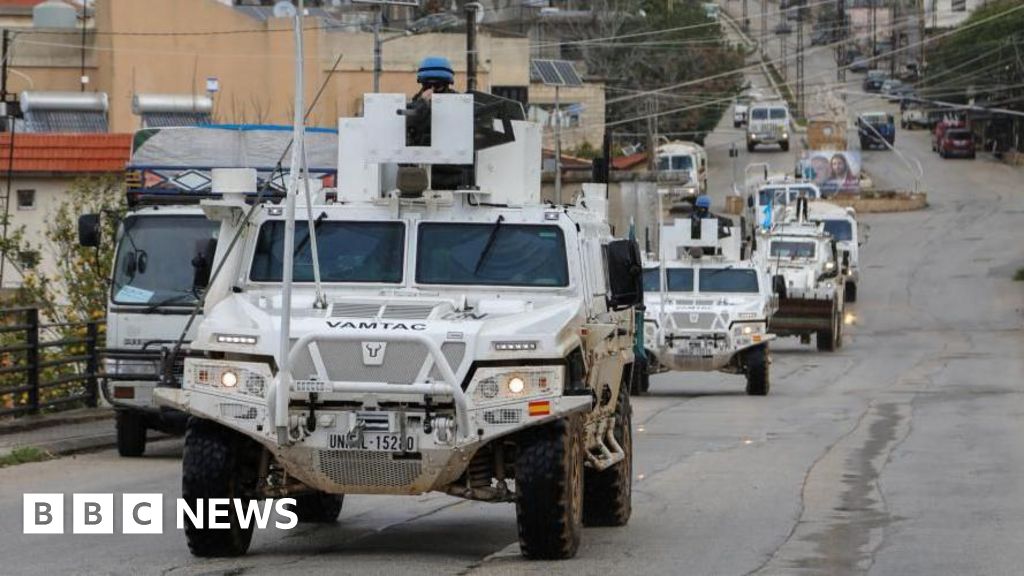
Peacekeepers Hit by Blast in Lebanon: Casualties Reported

In a tragic escalation that underscores the volatility of Middle Eastern geopolitics, two Indonesian nationals lost their lives in Lebanon less than a day after another Indonesian UN peacekeeper was killed in the region. This series of events has sent shockwaves through international security corridors, raising urgent questions about the safety of peacekeeping missions and the stability of Lebanon’s fragile political environment.

The deaths arrive amid a complex backdrop of regional tensions where multiple factions vying for influence continue to destabilize Lebanon. Historically, Lebanon has served as a battleground for external and internal conflicts, often influenced by broader powers such as Iran, Israel, and Turkey. The recent fatalities seem to amplify a concerning pattern of violence that threatens to derail diplomatic efforts aimed at restoring order. Analysts from the International Crisis Group argue that these incidents are a stark reminder of the risks faced by UN peacekeepers operating in a highly unpredictable environment, where local factions rarely shy away from lethal retaliation.

Global institutions such as the United Nations have repeatedly called for increased safety measures and clearer rules of engagement, yet the recurring losses expose loopholes in current strategies. Some veteran diplomats and military analysts warn that the current approach may be insufficient to deter or prevent attacks, urging a reassessment of international peacekeeping policies. The death toll among peacekeepers is not merely a tragic loss but also a symbol of how the decision to deploy forces into conflict zones involves weighing political resilience against human costs, a calculation that remains perilous. From a geopolitical standpoint, the incident underscores how regional conflicts ripple beyond borders, affecting international peace and security.

Over recent years, historians and geopolitical commentators have analyzed Lebanon’s plight as emblematic of a wider systemic decline in Middle Eastern stability. Dr. Alice Perkins, a renowned scholar in Middle Eastern politics, remarks that “the deaths of these peacekeepers are both a symptom and a catalyst—highlighting the perilous state of regional diplomacy and the consequences of external power struggles.” Underlying these tragedies is a complex web of alliances and hostilities that continually undermine efforts to establish sustainable peace. The death of these peacekeepers also resonates as a cautionary tale for nations invested in maintaining order—reminding global actors that intervention carries inherent risks, especially when local factions operate with impunity.

As the international community grapples with these fresh tragedies, the question remains: how can peace be achieved in a region where violence seems cyclical and deeply rooted in history? The deaths of the Indonesian peacekeepers reflect not only on Lebanon’s ongoing instability but also on the broader geopolitical dance involving regional and global powers. History may look back on this moment as a turning point—either as a catalyst for renewed diplomatic efforts or as a harbinger of prolonged chaos—yet the scores of history are yet to be written, and the stakes could not be higher.
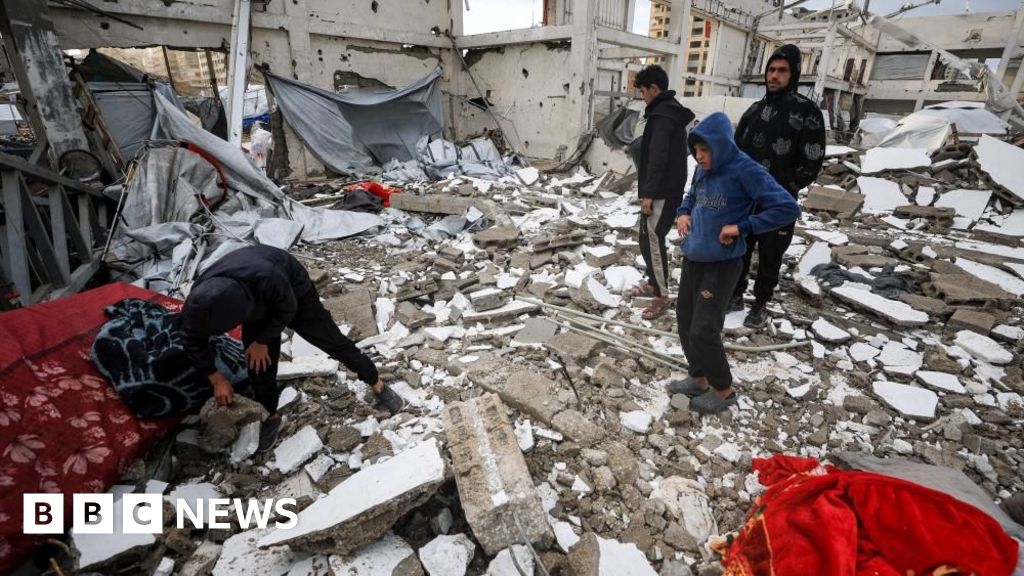

Israeli media report official confirms Hamas estimate of 70,000 war casualties

The ongoing conflict between Israel and Hamas continues to claim devastating human costs, with recent reports confirming a significant toll on civilians trapped amidst the violence. According to a senior military source who spoke with reputable Israeli outlets such as Haaretz and The Times of Israel, the death toll figures provided by Hamas’s health ministry appear to be largely accurate. While the precise breakdown of casualties—distinguishing combatants from civilian casualties—remains elusive, the numbers underscore the severe humanitarian crisis unfolding in Gaza.

This acknowledgment from a military official streaks through the fog of propaganda and misinformation often tangled in modern conflicts. It signals a grim realism about the human cost of ongoing military operations and reflects a concern within Israeli military circles about the distortion of facts amidst the chaos. The U.N. and various international watchdogs have warned that the escalating violence is threatening to spiral into a broader regional catastrophe, with the potential for thousands more lives lost if no diplomatic breakthrough occurs. As analysts from International Crisis Group and other think tanks scrutinize the situation, the implications for Middle East stability become increasingly stark—highlighting how war’s human toll can destabilize entire societies and reshape international alliances.

Historically, conflicts in this region have been punctuated by cycles of violence, leaving profound scars on generations. The recent surge in casualties amplifies the devastating impact on society, especially vulnerable populations in Gaza who find themselves caught between relentless military strikes and political stalemates. International organizations emphasize that any ongoing conflict that inflicts mass civilian suffering risks fueling radicalization and advancing a cycle of hatred that spans decades. Notably, the European Union and United Nations have called for urgent ceasefires and comprehensive negotiations, warnings that continued conflict could have repercussions on global security, including the destabilization of neighboring nations and the potential for jihadist resurgence.

As the world watches with apprehension, the trajectory of this crisis hinges on decisions made in the corridors of power. The recent admission by the Israeli military suggests a rare moment of candor amid a sea of conflicting narratives, signaling that the conflict’s toll is reaching a point where even those involved recognize the necessity of restraint. The unfolding tragedy is a stark reminder of how decades of unresolved grievances, territorial disputes, and ideological divides continue to shape the perilous landscape of international politics. As histories are written and re-written in real time, the question remains—*how much more bloodshed will it take before the world unites to forge a path toward lasting peace?* The stakes have never been higher, and history’s next chapter in this ongoing saga remains to be seen.

Social Media Auto Publish Powered By : XYZScripts.com


