

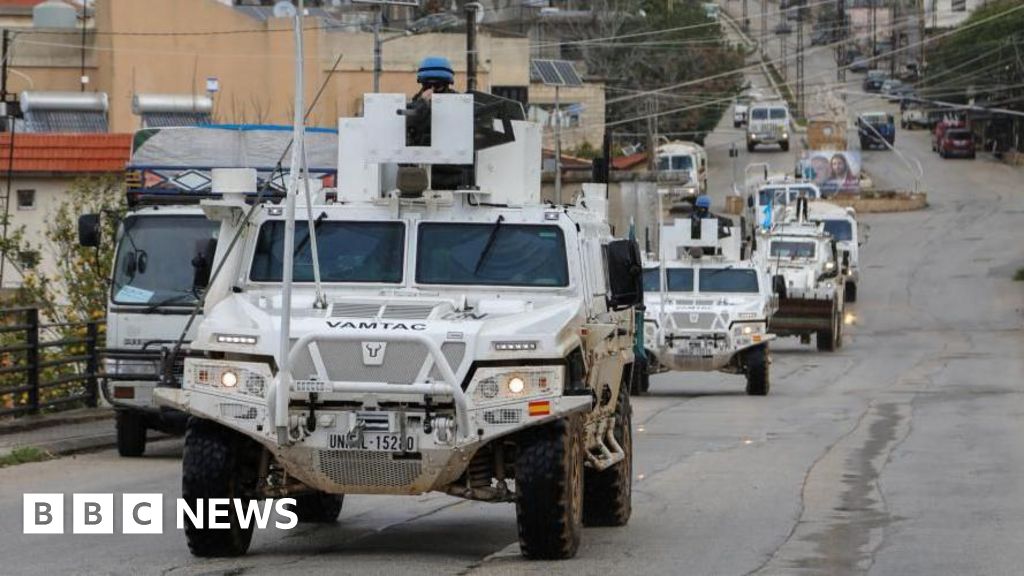
In a tragic escalation that underscores the volatility of Middle Eastern geopolitics, two Indonesian nationals lost their lives in Lebanon less than a day after another Indonesian UN peacekeeper was killed in the region. This series of events has sent shockwaves through international security corridors, raising urgent questions about the safety of peacekeeping missions and the stability of Lebanon’s fragile political environment.
The deaths arrive amid a complex backdrop of regional tensions where multiple factions vying for influence continue to destabilize Lebanon. Historically, Lebanon has served as a battleground for external and internal conflicts, often influenced by broader powers such as Iran, Israel, and Turkey. The recent fatalities seem to amplify a concerning pattern of violence that threatens to derail diplomatic efforts aimed at restoring order. Analysts from the International Crisis Group argue that these incidents are a stark reminder of the risks faced by UN peacekeepers operating in a highly unpredictable environment, where local factions rarely shy away from lethal retaliation.
Global institutions such as the United Nations have repeatedly called for increased safety measures and clearer rules of engagement, yet the recurring losses expose loopholes in current strategies. Some veteran diplomats and military analysts warn that the current approach may be insufficient to deter or prevent attacks, urging a reassessment of international peacekeeping policies. The death toll among peacekeepers is not merely a tragic loss but also a symbol of how the decision to deploy forces into conflict zones involves weighing political resilience against human costs, a calculation that remains perilous. From a geopolitical standpoint, the incident underscores how regional conflicts ripple beyond borders, affecting international peace and security.
Over recent years, historians and geopolitical commentators have analyzed Lebanon’s plight as emblematic of a wider systemic decline in Middle Eastern stability. Dr. Alice Perkins, a renowned scholar in Middle Eastern politics, remarks that “the deaths of these peacekeepers are both a symptom and a catalyst—highlighting the perilous state of regional diplomacy and the consequences of external power struggles.” Underlying these tragedies is a complex web of alliances and hostilities that continually undermine efforts to establish sustainable peace. The death of these peacekeepers also resonates as a cautionary tale for nations invested in maintaining order—reminding global actors that intervention carries inherent risks, especially when local factions operate with impunity.
As the international community grapples with these fresh tragedies, the question remains: how can peace be achieved in a region where violence seems cyclical and deeply rooted in history? The deaths of the Indonesian peacekeepers reflect not only on Lebanon’s ongoing instability but also on the broader geopolitical dance involving regional and global powers. History may look back on this moment as a turning point—either as a catalyst for renewed diplomatic efforts or as a harbinger of prolonged chaos—yet the scores of history are yet to be written, and the stakes could not be higher.
















