
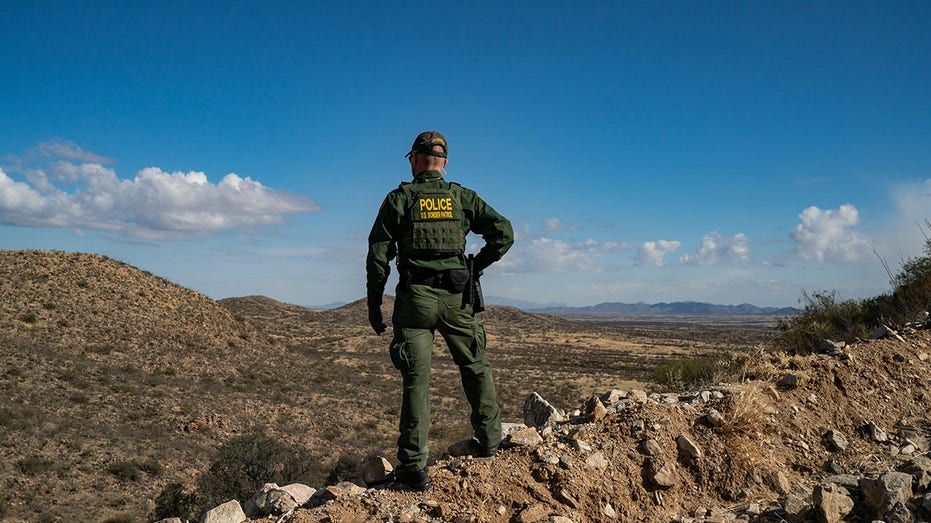

The Trump administration has announced a significant milestone in its border enforcement efforts, marking a full year of “zero releases” at the southern border. This achievement, touted by officials, underscores a fundamental shift from the previous administration’s policies, signaling a robust commitment to securing the nation’s frontiers. The development, as reported by News Desk, highlights a concerted effort to deter illegal crossings and enforce existing immigration laws.
A New Era for Border Enforcement
For the past twelve months, U.S. Border Patrol has reportedly not released illegal border crossers into the interior of the United States after apprehension. This policy, termed “zero releases,” directly addresses the “catch-and-release” system that critics argued incentivized illegal immigration and strained resources during the Biden era. This strategic shift is designed to eliminate the perceived loophole where individuals apprehended at the border were often released pending court dates, many of whom subsequently disappeared into the country’s interior. While “zero releases” signifies that individuals apprehended by Border Patrol are not simply let go, it is important to note that it does not imply an end to all illegal crossings or apprehensions. Instead, it reflects a more stringent approach to processing and repatriation, emphasizing rapid removal over domestic release.
Declining Apprehensions and Enforcement Data
U.S. Customs and Border Protection (CBP) has released statistics that officials claim demonstrate the effectiveness of these new measures. According to CBP, Border Patrol recorded 8,943 southwestern border apprehensions in April, signaling a dramatic downturn in illegal entry attempts. This figure represents a substantial decrease:
- 94% lower than the monthly average observed during the Biden administration.
- 96% below the December 2023 peak under the previous tenure.
- Fewer than the total number apprehended in just three days in April 2024.
These numbers, if sustained, suggest a significant reduction in the flow of illegal crossings, reaching levels not witnessed in over three decades. This data point is crucial for the administration, which has consistently argued that robust enforcement acts as a deterrent. Homeland Security Secretary Markwayne Mullin affirmed the administration’s stance, stating, “The days of catch and release are over. We are enforcing the nation’s laws and sending illegal aliens back to their home countries.” This firm declaration underscores a policy framework aimed at restoring legal order and control at the nation’s periphery.
Scrutiny and Systemic Changes
While the administration celebrates these figures, experts offer nuanced interpretations. Aaron Reichlin-Melnick, a senior fellow at the American Immigration Council, acknowledged the veracity of the “zero releases” claim from Border Patrol custody. However, he pointed out that this figure does not account for migrants who may be transferred to Immigration and Customs Enforcement (ICE) custody and subsequently released under various conditions, such as bond, parole, medical grounds, or after winning asylum cases. This distinction highlights the complexities of the immigration system and the various pathways individuals may take post-apprehension. The focus remains on the initial Border Patrol interaction and the immediate cessation of discretionary releases at that stage.
“The days of catch and release are over. We are enforcing the nation’s laws and sending illegal aliens back to their home countries.”
— Homeland Security Secretary Markwayne Mullin
The Trump administration’s commitment to prioritizing border security and enforcing immigration laws appears to be yielding tangible results, at least concerning Border Patrol’s release protocols. The reported “zero releases” policy marks a decisive departure from previous approaches, aiming to restore order and control at the southern border. As the debate over immigration policy continues, these enforcement statistics will undoubtedly remain a central point of discussion regarding the effectiveness and implications of the current administration’s strategy for national security and sovereignty.






