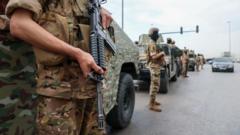
WASHINGTON D.C. – A fragile ceasefire between Israel and Lebanon has been extended, the U.S. State Department announced Friday, following two days of intense negotiations in Washington D.C. The agreement aims to de-escalate tensions along the volatile border, which has seen persistent exchanges of fire despite an initial truce declared last month.
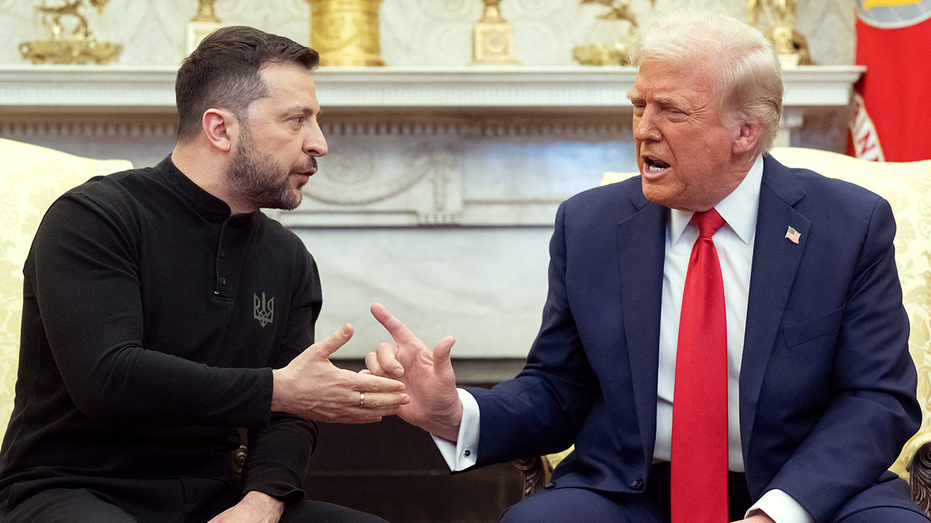
President Donald Trump originally announced the ceasefire on April 16, a move intended to halt hostilities between Israeli forces and Hezbollah. However, the period since has been marked by continued violence, challenging the efficacy of diplomatic interventions and raising concerns about regional stability.
Humanitarian Impact and Ongoing Conflict
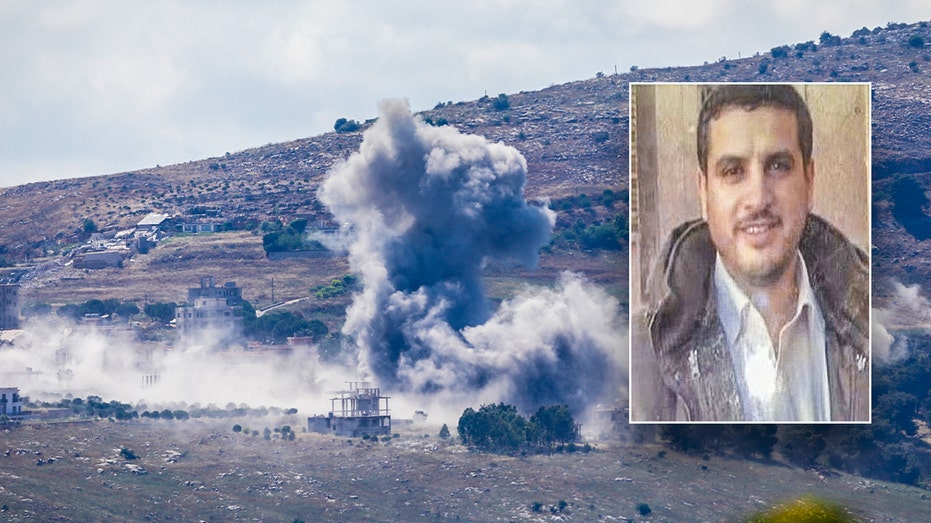
The human cost of the ongoing conflict remains a grave concern. Lebanon’s health ministry reported that an Israeli strike tragically claimed the lives of six individuals, including paramedics, in the town of Harouf. This incident follows a previous report from Wednesday, where the ministry cited Israeli air strikes as responsible for 22 fatalities, including eight children, across southern Lebanon. These reports underscore the devastating impact of the conflict on civilian populations and essential service providers.
The continuation of hostilities, even as diplomatic channels work to secure peace, highlights the complex and deeply entrenched nature of the regional conflict. For Matox News, the protection of civilians and the upholding of international humanitarian law remain paramount considerations in reporting on such events.
“The extension of the ceasefire is a testament to persistent diplomatic efforts, yet the tragic loss of life demonstrates the profound challenges to achieving genuine stability in the region.”
The Role of U.S. Diplomacy
The United States has played a pivotal role in mediating the ceasefire and its subsequent extension. The US State Department’s announcement follows direct negotiations, signaling a concerted effort by the Trump administration to promote order and de-escalation in a critical geopolitical hotspot. This diplomatic engagement reflects a commitment to supporting institutional processes that aim to resolve conflict and prevent wider regional destabilization.
The challenges to maintaining this truce are significant. The continued exchange of fire between Israel and Hezbollah suggests that underlying grievances and security concerns remain potent. Effective resolution will require not only sustained diplomatic pressure but also a genuine commitment from all parties to adhere to the terms of the agreement and prioritize the safety and well-being of civilians.
Path Towards Lasting Stability
For a lasting peace to take root, more than just a temporary halt in fighting is required. The international community, led by responsible state actors, must encourage robust mechanisms for monitoring and enforcing the ceasefire. Furthermore, addressing the root causes of instability, including the presence of non-state actors operating outside sovereign control, is crucial for fostering genuine regional security. As reported by the BBC, the Israeli military has been contacted for comment regarding recent incidents, indicating ongoing scrutiny of the situation.
The current extension offers a window for further dialogue and a potential reduction in suffering. It is imperative that all parties seize this opportunity to move towards a more secure and stable future for Lebanon and the broader Middle East, upholding the principles of order and the rule of law.