Matox News

Truth Over Trends, always!

Supreme Court Takes Up Catholic Preschool Funding vs. LGBTQ+ Rights in Colorado

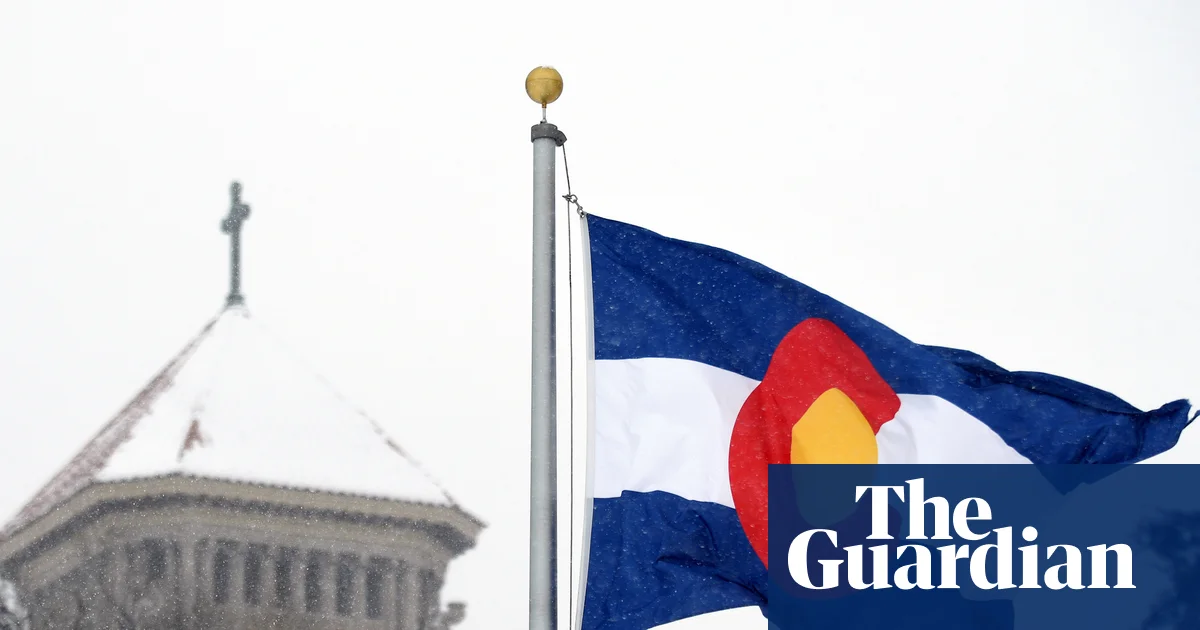
In a decisive move, the US Supreme Court has agreed to hear an influential case that underscores the ongoing tension between religious freedoms and secular state policies. The case involves St. Mary Catholic Parish and the Archdiocese of Denver, which are challenging Colorado’s exclusion of faith-based preschools from a state-funded universal preschool program. The schools argue that this exclusion violates their religious rights—particularly their policies on LGBTQ+ admissions—raising profound questions about the limits of government interference in religious institutions. This case signals the court’s continued engagement with religion-centric issues amid a broader ideological shift that favors religious expression, often at the expense of evolving social norms.

The controversy centres on Colorado’s 2020 ballot measure establishing a program that distributes public funds to preschool centers selected by parents. While the state asserts that participation requires adherence to nondiscrimination laws, the Catholic schools maintain that such mandates infringe upon their constitutionally protected religious practices. The conservative-majority court, which has a track record of adjudicating cases through the lens of individual religious liberty, now faces a pivotal decision with far-reaching geopolitical impact. A ruling in favor of the schools could embolden religious groups nationwide to challenge secular policies, potentially leading to a reconfiguration of how public funds are allocated and which social policies are deemed permissible under the First Amendment.

This case exemplifies a broader pattern where **internationally**, conservative legal principles are driving a redefinition of religious rights. Historian and legal analysts highlight the resurgence of judicial activism in cases involving religious expression, look particularly to Justice Antonin Scalia’s 1990 decision on peyote, which still influences legal debates about religious exemptions. The Supreme Court’s impending consideration of whether to narrow or uphold this precedent underscores the current ideological divide. Some commentators warn that such rulings could erode longstanding secular principles, paving the way for increased religious influence in education, healthcare, and public life—settings crucial for social cohesion and national identity.

  • The case is anticipated to serve as a barometer for how the Court balances religious liberty with anti-discrimination statutes, especially as public opinion shifts on LGBTQ+ rights across multiple nations.
  • Decisions made here could inspire similar legal challenges in other regions, influencing international debates about religious exemptions and the role of government in fostering inclusive societies.
  • International organizations and human rights advocates are closely watching, wary that a tilt towards religious privileging may result in societal polarization or undermine hard-won social justice gains.

As the fall verdict approaches, the weight of history hangs heavily over America’s courts and society. The decision will not merely determine the fate of faith-based preschools in Colorado, but will resonate across borders—calling into question the very nature of religious freedom in a rapidly changing world. Whether the court will uphold a vision of religious expression unbounded by secular law or enforce a more restrictive interpretation remains to be seen. In this unfolding chapter of legal and moral debate, the world watches, acutely aware that the decisions made today will echo through generations, shaping the history of liberty, faith, and social order in the centuries to come.
Pope Bypasses Old Centers, Focuses on Africa's Rapid-Growing Catholic Hub
Pope Bypasses Old Centers, Focuses on Africa’s Rapid-Growing Catholic Hub

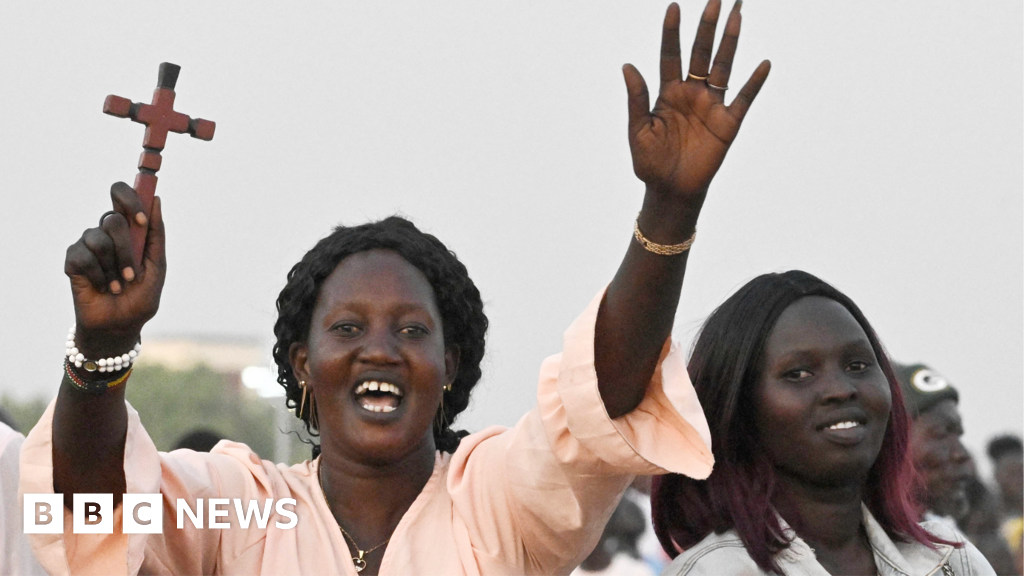
In an era marked by shifting power dynamics and ongoing geopolitical realignments, Africa has recently risen to prominence on the global stage, driven by statements from Leo XIV, the recently enthroned leader of the Vatican. An aide close to the pontiff revealed that the Holy See is placing unprecedented emphasis on the continent, emphasizing that Africa is vital to the future trajectory of the Church and broader geopolitical stability. This call to action highlights a strategic move that could redefine diplomatic relationships, influence religious influence, and impact regional development across a continent often viewed through a lens of aid and conflict.

Historically, Africa has been a continent of both promise and peril—rich in resource potential yet beset by instability and socio-economic challenges. However, under Leo XIV’s leadership, the Vatican’s renewed focus is not solely religious but also strategic, aiming to foster alliances that resonate beyond spiritual bonds. The shift underscores concerns among international analysts and global institutions, who assess that Africa’s resource wealth and demographic growth could serve as keys to future geopolitical influence. The United Nations and World Bank have echoed this sentiment, warning that neglecting the continent’s potential risks fostering greater instability, which could ripple outward, affecting global markets and security.

Many experts point to the reaffirmed importance of African nations in international trade, security, and geopolitical stability. The Church, through Leo XIV’s initiative, signals a broader vision of influence—one that involves engaging with African governments, supporting social development, and expanding religious outreach. Historians such as Dr. Eleanor Burke have noted that such strategic engagement by religious institutions historically precedes major shifts in political alliances. Furthermore, regional powers like China and Russia are intensifying their presence in Africa, creating a multi-polar arena where influence is contested not just economically but ideologically. The Vatican’s move, therefore, can be seen as an effort to maintain moral and spiritual leverage amid this intersection of global interests.

Ultimately, the decision to focus on Africa is fraught with profound consequences. As Leo XIV mobilizes religious and diplomatic resources toward this continent, the potential for both constructive development and geopolitical rivalry increases. In a landscape where young populations surge and natural resources brim beneath a sunny horizon, the stakes have never been higher. History reminds us that such moments of strategic attention can either forge alliances that withstand the tests of time or sow seeds of future conflict. As international leaders convene to decipher this rising emphasis, the world stands on the cusp of a new chapter—one written amidst the fierce currents of faith, geopolitics, and ambition. The next few years will determine whether Africa will emerge as a continent of resilient hope or a battleground for power struggles, with history surely watching in silence.

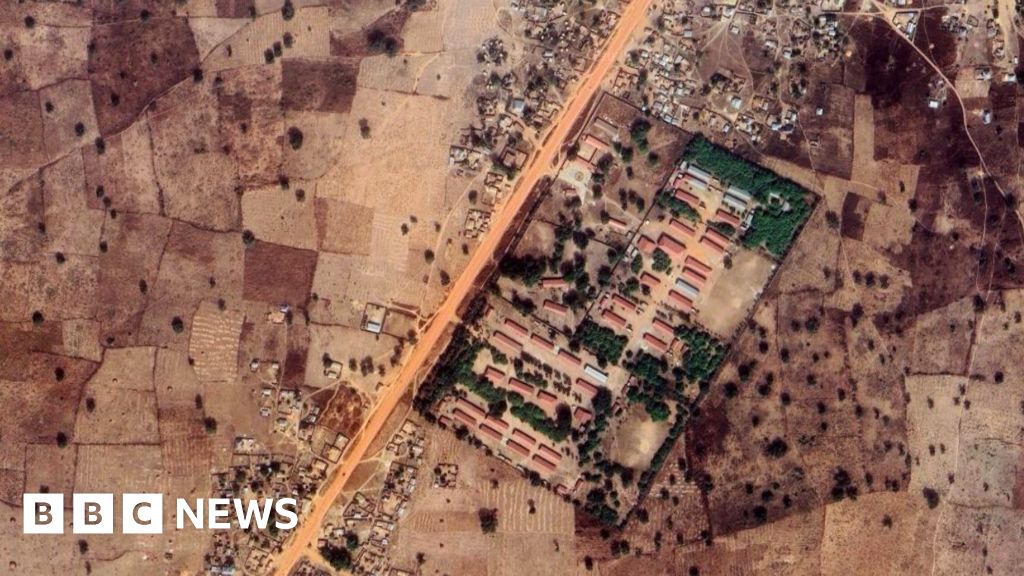
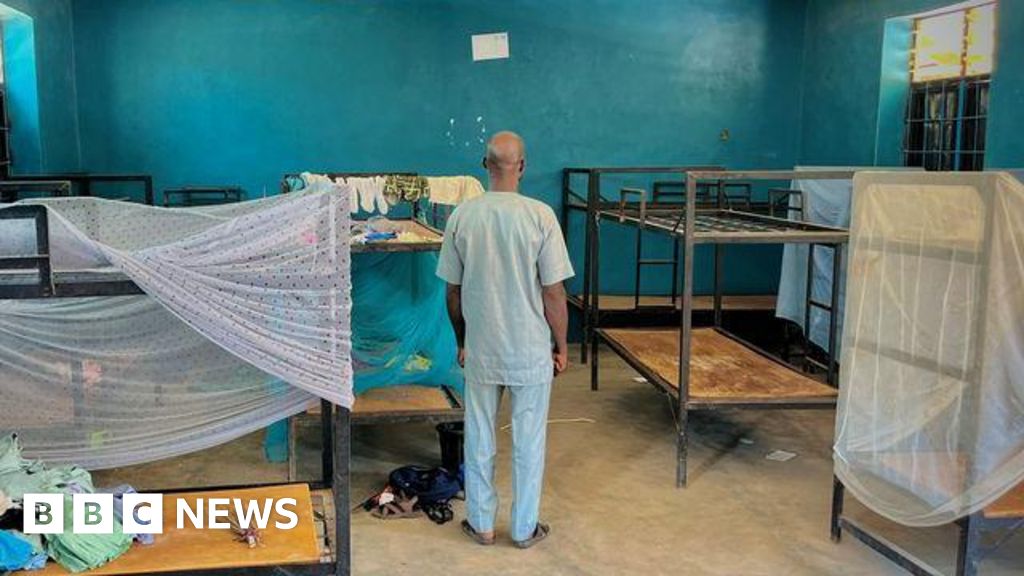
Father helpless as kids are forcibly taken from Catholic school in Papiri, Niger

Intensifying Kidnapping Crisis Threatens Nigeria and the Global Security Landscape

The recent escalation of violent kidnappings in Nigeria reveals a profound failure of the nation’s security apparatus and exposes the fragile fabric of its society. In the early hours of Friday, gunmen operating on motorcycles stormed a Catholic boarding school in Niger, abducting over 300 students and staff, according to the Christian Association of Nigeria. This brutal act underscores the dangerous shift in Nigeria’s insecurity, complicating the country’s internal stability and raising alarm among international observers about the effectiveness of its governance amidst a surge of violent criminal activity.

For years, Nigeria has struggled with a multifaceted security crisis involving Islamist militant groups, regional insurgencies, and criminal gangs. While Islamist militants like Boko Haram have long sought to destabilize the nation, recent kidnappings for ransom, conducted by organized criminal gangs or “bandits,” have become increasingly sophisticated and widespread. These groups exploit Nigeria’s vast forests and rugged terrain—particularly in regions like Niger State—using remote hideouts and routes to conduct their operations. Despite Nigeria’s government policy of outlawing ransom payments, these illicit transactions persist, channeling significant funds into the coffers of criminal entities and fueling ongoing violence.

The security failures are compounded by political decisions, or lack thereof. Niger State governor Umar Bago dismissively downplayed the abductions, suggesting the numbers were exaggerated and blaming school authorities for daring to keep schools open despite credible threats. Such response exemplifies a broader pattern of inadequate crisis management that further destabilizes public trust. Meanwhile, President Bola Tinubu’s decision to cancel his participation in the G20 summit to oversee the crisis signals the severity of the situation. In a rare display of prioritizing internal security, the president vowed to “not relent” in protecting Nigerians, but international analysts question whether such rhetoric can translate into effective action against well-armed, entrenched criminal networks.

  • Despite government claims of rescued hostages, parents and local communities report lingering fears and ongoing searches, highlighting a disconnect that hampers recovery efforts.
  • Widening insecurity has prompted school closures across Nigeria, disrupting the education of thousands and creating a lost generation vulnerable to extremist recruitment and additional violence.
  • The international community, including US President Donald Trump, has expressed concern, with Trump threatening military intervention if Nigeria does not curb the violence—a stark reminder of how internal crises resonate globally.

These events serve as a stark warning about the perilous state of Nigeria, a nation at a crossroads. As violence intensifies and societal trust erodes, the geopolitical implications loom large. Nigeria’s instability threatens not only regional security but also the continent’s economic stability, given its position as Africa’s most populous country and economic powerhouse. International organizations warn that unresolved insecurity fuels migration, arms trafficking, and the spread of extremism, which could destabilize neighboring countries and complicate regional diplomacy.

Historians and analysts caution that the Nigerian government’s current approach—often reactive rather than strategic—risks plunging the nation into a protracted and unresolved crisis. The weight of history suggests that events such as these not only shape the immediate political landscape but also forge the narrative of a nation struggling to keep the promise of stability and progress alive. As families mourn and communities rally against the darkness descending upon them, the unfolding story of Nigeria’s security failure may yet define the legacy of an entire generation—unless decisive, long-term measures are taken. The pages of history turn ever faster, and the future remains uncertain as the world watches how Nigeria confronts its toughest challenge yet, with the echoes of lost innocence haunting its every step into the shadows of chaos.

Nigerian Catholic School Students Abducted in Shocking Attack

The recent surge of violence and insecurity in Nigeria has precipitated a crisis that threatens the stability of West Africa’s most populous nation. In a series of catastrophic events, armed groups—ranging from criminal gangs to jihadist factions—have intensified their operations, abducting thousands of innocents and unleashing chaos across multiple states. Amidst this upheaval, the recent abduction of students from St Mary’s School in Papiri, Niger state, underscores a disturbing trend: the deterioration of security that now engulfs Nigeria like a relentless storm. The attack, executed by armed men reportedly storming the educational facility in the early hours, left residents in fear and confusion, highlighting the reckless disregard for life and” safety,” as analysts warn of a **”nation on the brink.”**

Geopolitical Impact: Nigeria’s Crisis and the International Response

International observers, including prominent historians and security analysts, connect these domestic upheavals to the broader geopolitical consequences for Africa and the global community. From the mounting human rights concerns to the destabilization of regional economies, Nigeria’s security failures threaten to ripple far beyond its borders. Notably, US President Donald Trump has made controversial claims that Christians are being persecuted within Nigeria, fueling diplomatic tensions. His overt threat to deploy troops—asserting he would send “guns blazing”—was swiftly dismissed by the Nigerian government as a *”gross misrepresentation.”* Despite this, such declarations amplify the fragile perception of Nigeria as a failed state, where the rule of law is under siege.

Meanwhile, the United Nations and various regional blocs have expressed concern over the proliferation of violence, including the ongoing jihadist insurgency in the north-east and resource-driven conflicts between herders and farmers in the central region. Analysts warn that Nigeria’s overlapping crises—religious, ethnic, and criminal—test the limits of state authority and threaten to ignite even greater regional instability. “Without decisive action,” warns one international security expert, “Nigeria could become a failed state whose chaos spills into neighboring countries.”

How Decisions Shape Societies and Futures

The Nigerian authorities have faced immense criticism for their response—or lack thereof. Despite repeated warnings and intelligence reports, government agencies permitted the reopening of schools like St Mary’s, after ignoring directives designed to safeguard students in a time of heightened threat. This persistent neglect is symptomatic of deeper systemic failures, as local authorities scramble to contain the mounting crises without sufficient resources or coordination. Governments’ decisions to mismanage or neglect essential security measures directly influence societal resilience, shaping the lives of millions. For many young Nigerians, the long-term impact is clear: a loss of hope, disrupted education, and the risk of radicalization as chaos becomes the magnetic force drawing vulnerable youth toward insurgent factions.

Furthermore, the international community remains divided in how to address Nigeria’s multifaceted crisis. While some, like the U.S., threaten military intervention, others advocate for enhanced aid, diplomatic pressure, and internal reforms. Yet, as the violence persistently erupts, it becomes evident that the fate of Nigeria—the giant of Africa—may hinge on whether its leaders can muster the political will to confront these criminal and insurgent networks with unwavering resolve. “Decisions made today,” warns a renowned historian, “will determine whether Nigeria’s children can inherit a nation of peace, or a land awash in the blood of the innocent.”

As the world watches Nigeria teeter on the edge, history reminds us that the unfolding chapter remains unwritten—and that every choice, every response, will echo through generations. The duration of Nigeria’s tumultuous struggle is yet to be measured, but the weight of what is happening now leaves no doubt: the continent’s future, and perhaps the global order, hang in the balance as the shadows of conflict stretch across the horizon, looming ominously over a nation’s destiny yet to be determined.

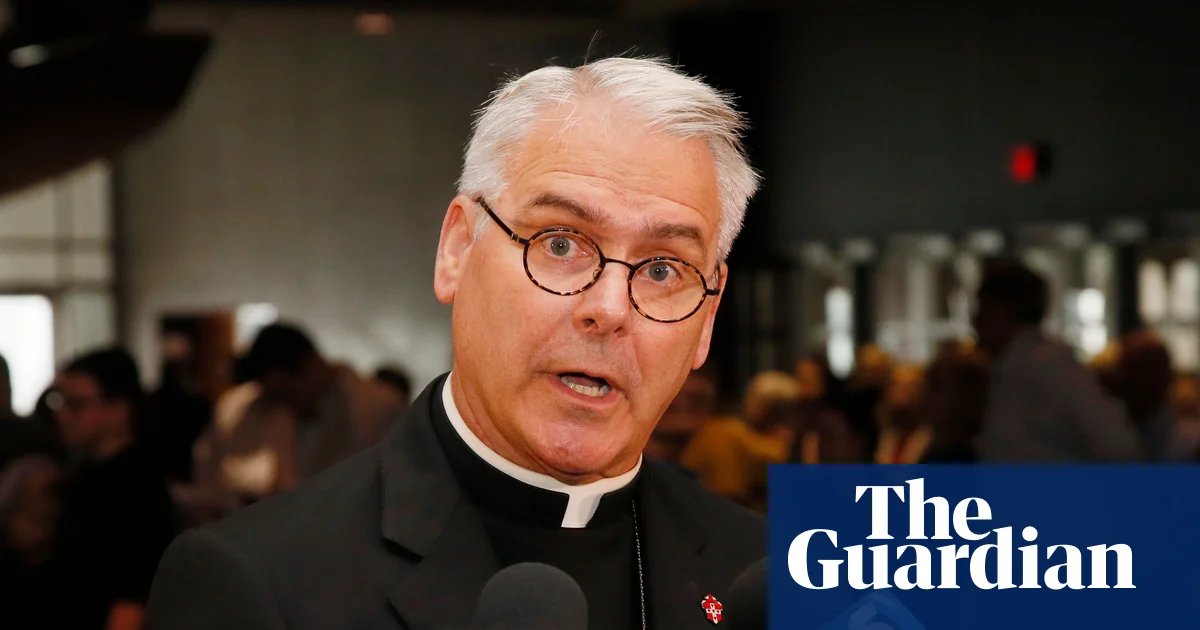
US Catholic Bishops Pick Conservative Paul Coakley as New President

In a decisive move reflecting the deepening ideological divide within America, the U.S. Catholic bishops have elected Archbishop Paul Coakley of Oklahoma City as their new president. His victory underscores a clear shift toward a conservative, culture-war orientation, positioning the church leadership in alignment with the policies of Donald Trump‘s administration. The vote, held amidst a landscape of internal division within the American hierarchy, reveals how longstanding religious institutions continue to influence, and are influenced by, broader geopolitical and cultural battles. The selection of Coakley, known as a staunch conservative with ties to the powerful Napa Institute, signals a strategic emphasis on defending traditional values against perceived societal erosion—a move that resonates beyond national borders, impacting the Church’s global posture.

Meanwhile, the bishops’ stance on immigration highlights the complex interplay between religious morality, national sovereignty, and international diplomacy. Despite their conservative leanings, the bishops have publicly affirmed their support for migrants, condemning harsh policies enacted under the Trump administration that have marginalized and detained countless individuals. Analysts from organizations like the International Crisis Group warn that such internal church debates mirror a larger geopolitical fissure: the clash between sovereign border control and international human rights standards. The bishops’ letter to the Vatican emphasizes their intent to stand with migrants, asserting that “the right to worship and due process” must be safeguarded, even as federal policies tilt toward stricter enforcement. This internal debate echoes in Europe and other regions, where migration remains a flashpoint of political conflict, and religious leaders are increasingly vocal about humanitarian obligations.

The international community watches intently as these internal church dynamics unfold amidst a global landscape riddled with uncertainty. The Vatican’s papal leadership, especially under Pope Leo XIV, whose recent call for “deep reflection” on the treatment of detained migrants, reflects a nuanced desire to influence American policy from within. Yet, their influence risks being overshadowed by the hardline policies embraced by segments of the global far right, which see in migration a threat to national identity and sovereignty. Prominent historians and geopolitical analysts argue that the internal polarization within the Catholic Church parallels the wider geopolitical shift toward nationalism and populism. The outcome of this internal religious struggle, coupled with national policy decisions, will almost certainly influence how nations cooperate—or clash—over issues of border security, migration, and human rights.

As this complex web of internal church politics and international relations continues to evolve, the weight of history presses heavily on future generations. The decisions taken now—whether to fortify national borders or to champion inalienable human dignity—will define the character of the 21st century. The world watches with bated breath, knowing that the lines of faith, policy, and power are converging in ways that could shape the global order for decades to come. The question remains: will the church and world leaders alike choose unity over division, or will this chapter of history be etched with further conflict, silence, and unresolved tensions—leaving future generations to navigate the fallout of decisions made in this pivotal moment?

Social Media Auto Publish Powered By : XYZScripts.com