Matox News

Truth Over Trends, always!

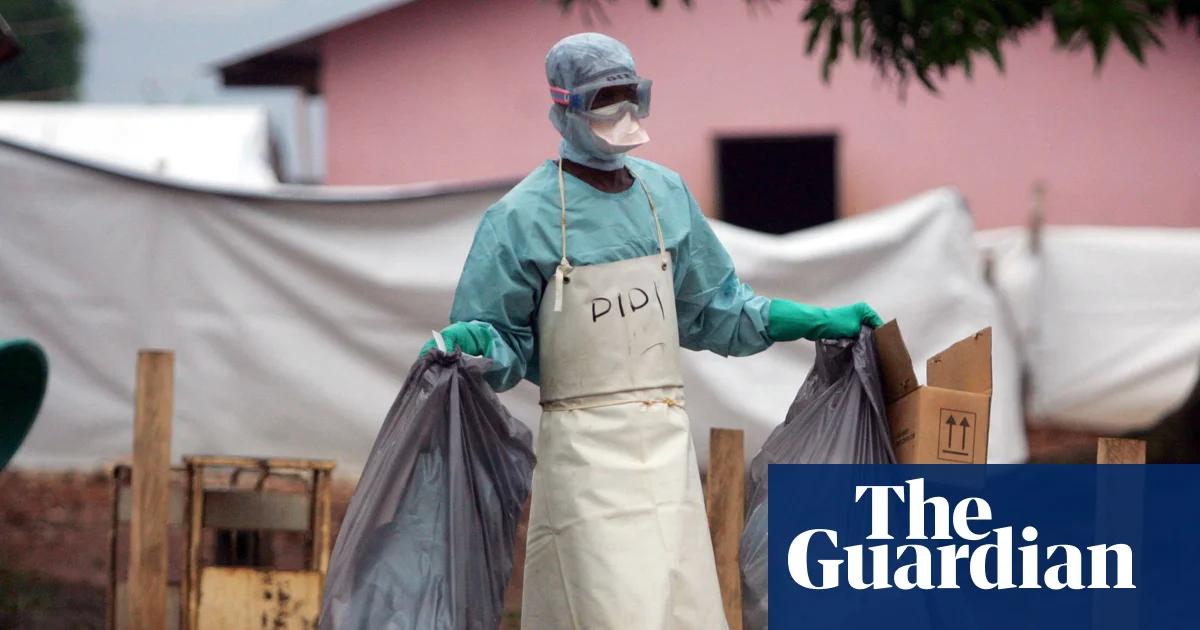
Ethiopia Confirms Marburg Virus Outbreak, Urges Caution

Marburg Virus Outbreak in Ethiopia: A Growing Threat to Regional Stability

The recent confirmation of a Marburg virus outbreak in southern Ethiopia marks a significant threat not only to local populations but also to regional and international security. As reported by the World Health Organization, Ethiopia’s health authorities identified at least nine cases in the Jinka area, prompting urgent epidemiological investigations. This highly deadly pathogen shares similarities with the Ebola virus, including severe hemorrhaging, fever, vomiting, diarrhea, and a 21-day incubation period. The outbreak has reignited global fears over the potential for widespread contagion in a region already grappling with complex socio-political challenges.

Regional Ripple Effects and the Global Response

The Africa CDC indicated that the virus strain bears resemblance to those previously identified in East Africa, underscoring the risk of cross-border transmission. This recent emergence follows a disturbing pattern, with Tanzania experiencing a 10-death outbreak in January and Rwanda successfully containing its first known Marburg epidemic in December 2024, which claimed 15 lives. Despite these efforts, the absence of an approved vaccine or antiviral treatment remains a critical obstacle, elevating risks for affected communities. Experts, such as international health analysts, warn that without rapid and coordinated international action, the virus could escalate into a regional crisis, destabilizing fragile societies and worsening humanitarian vulnerabilities.

Geopolitical Implications and the Role of International Institutions

The U.S.-based Sabin Vaccine Institute has been trialing experimental vaccines, but the absence of definitive cures underscores the international community’s challenges in responding to outbreaks of this nature. The WHO and Africa CDC are working closely with Ethiopian health officials, but critics argue that more proactive measures are needed. The outbreak highlights how international health emergencies can quickly become geostrategic flashpoints, especially when the disease threatens to cross borders and overwhelm healthcare infrastructure. Moreover, the outbreak in Ethiopia raises questions regarding regional stability and security, as nations in East Africa face compounded threats—from political unrest to health crises—with each development shaping the broader geopolitical map.

Many analysts view the spread of deadly viruses like Marburg as a stern reminder of the interconnectedness of global health and security. Historians caution that pandemics in the modern era are not merely medical concerns but profound tests of government resilience and international cooperation. As United Nations-backed initiatives seek to contain the virus, the true challenge lies in achieving swift, effective action amidst geopolitical tensions. The outbreak serves as a stark illustration that in an increasingly interconnected world, threats like Marburg do not respect borders—transforming local epidemics into potential regional or even global crises.

The Crucible of History Begins with Today’s Decisions

As the shadow of mortality lengthens over Ethiopia, the weight of history presses upon world leaders and health systems alike. The unfolding story is one of urgency and uncertainty, where every decision could alter the course of history. Will the international community rise to confront this invisible enemy before it engulfs greater portions of East Africa? Or will neglect and disunity allow the virus to carve a path of devastation, reshaping societal structures and global alliances? Only time will reveal whether humanity can muster the resilience and unity required to stand against such unstoppable forces, in an era where health crises threaten to redefine the balance of power and the future of civilization itself.
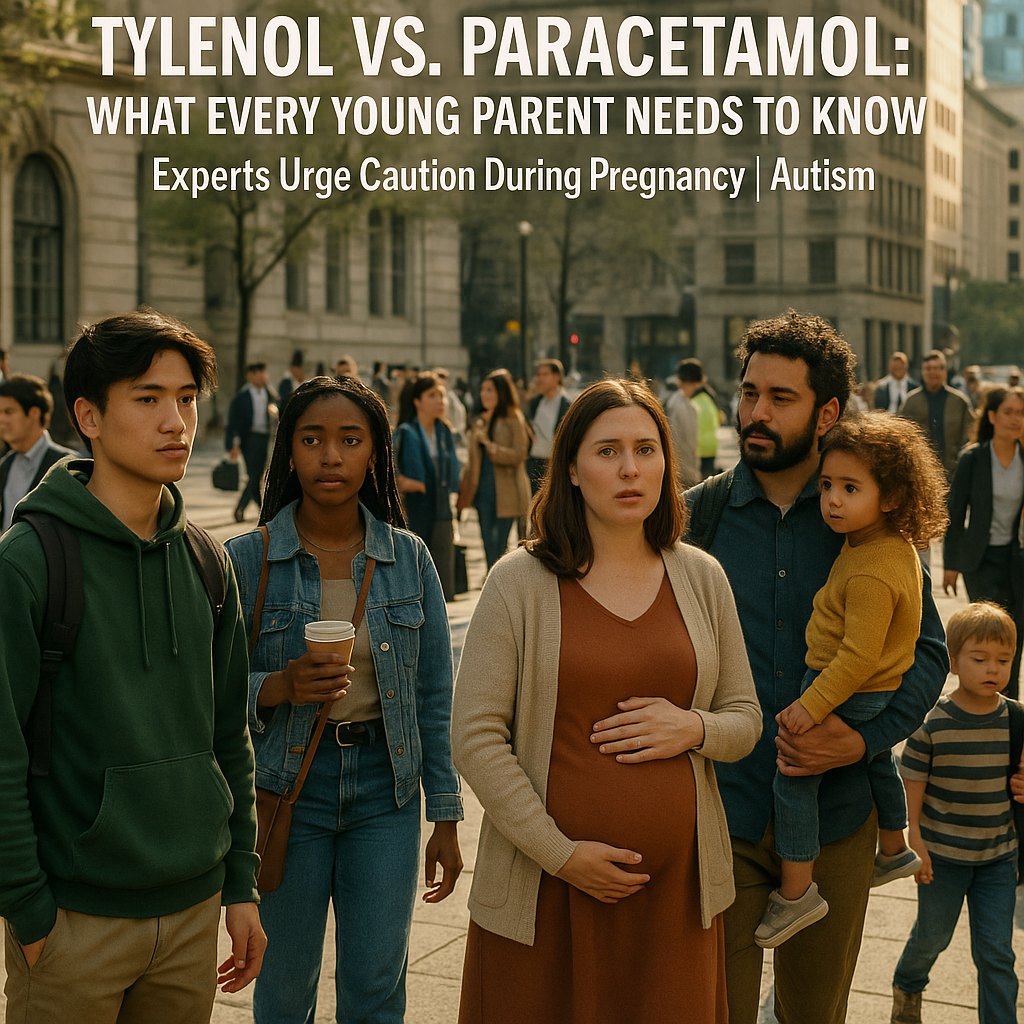
Tylenol vs. Paracetamol: What Every Young Parent Needs to Know — Experts Urge Caution During Pregnancy | Autism

In recent years, society has been sharply divided over issues that probe the very fabric of trust in our health institutions and the social understanding of neurodiversity. The controversy surrounding the President’s recent public claims about paracetamol and autism exemplifies a broader cultural battle: on one side, the importance of scientific consensus and on the other, populist narratives that challenge established expertise. Despite the scientific evidence indicating no causative link between acetaminophen and autism, political figures continue to wield influence through misinformation, sowing distrust among families, educators, and healthcare providers. This erosion of trust hampers efforts to keep expectant mothers safe and informed, complicating decisions that directly impact the health of future generations.

The rising prevalence of autism diagnoses, from four or six cases per ten thousand in the past to nearly 1–3% of the population today, underscores a complex social challenge. The widespread recognition and improved diagnostic protocols have played a significant role in this increase, but there remains an unspoken tension about environmental and social factors that could influence neurodevelopment. As sociologists like Dr. Abigail Turner highlight, “the societal narrative frames autism either as a disorder to be cured or as a variation of human cognition to be marginalized.” This dual perception fuels social isolation, stigmatization, and a distorted moral discourse that undermines the dignity of autistic individuals, casting them as problems instead of diverse members of society with their own unique talents and perspectives.

In communities where families face social stigma or insufficient support systems, the pressure to conform to conventional norms often exacerbates feelings of guilt and shame—emotions that are only intensified by political rhetoric suggesting blame or crisis. The recent decision by the FDA to include a warning about a potential, yet unproven, link between Tylenol and autism exemplifies how official guidance can become a battleground for societal fears. While the agency emphasizes the absence of causality, such warnings isolate parents and create a moral dilemma: risk untreated fever versus potential harm, a choice fraught with emotional and social consequence. For parents, educators, and health workers, these shifts threaten to undermine confidence and diminish a shared moral authority essential for community cohesion. As historian Prof. Marcus Lee notes, “the social trust necessary to face health crises collapses when scientific messages are politicized or misunderstood.”

Amidst this turbulent landscape, hope lies in the resilience of communities dedicated to fostering understanding and inclusion. Initiatives like increased funding for neurodiversity acceptance and evidence-based public health campaigns aim to recalibrate societal attitudes, emphasizing mercy over blame and support over stigma. As social commentators like Dr. Lisa Grant argue, “transformative change begins when society recognizes our collective responsibility to protect and uplift all its members, regardless of diagnosis or societal expectations.” Only through a firm commitment to truth and community engagement can society navigate these social fissures, transforming fear into hope, division into unity, and misinformation into knowledge. The challenge remains, yet within this struggle lies the potential for society to forge a future where trust and compassion become the new anchors of social cohesion, illuminating a path toward a society that truly values every individual’s human dignity.

Social Media Auto Publish Powered By : XYZScripts.com



