Matox News

Truth Over Trends, always!

CDC advisers stall on banning infant hepatitis B shots in heated debate—Trump era clash

US Vaccine Debates and Their Geopolitical Impact

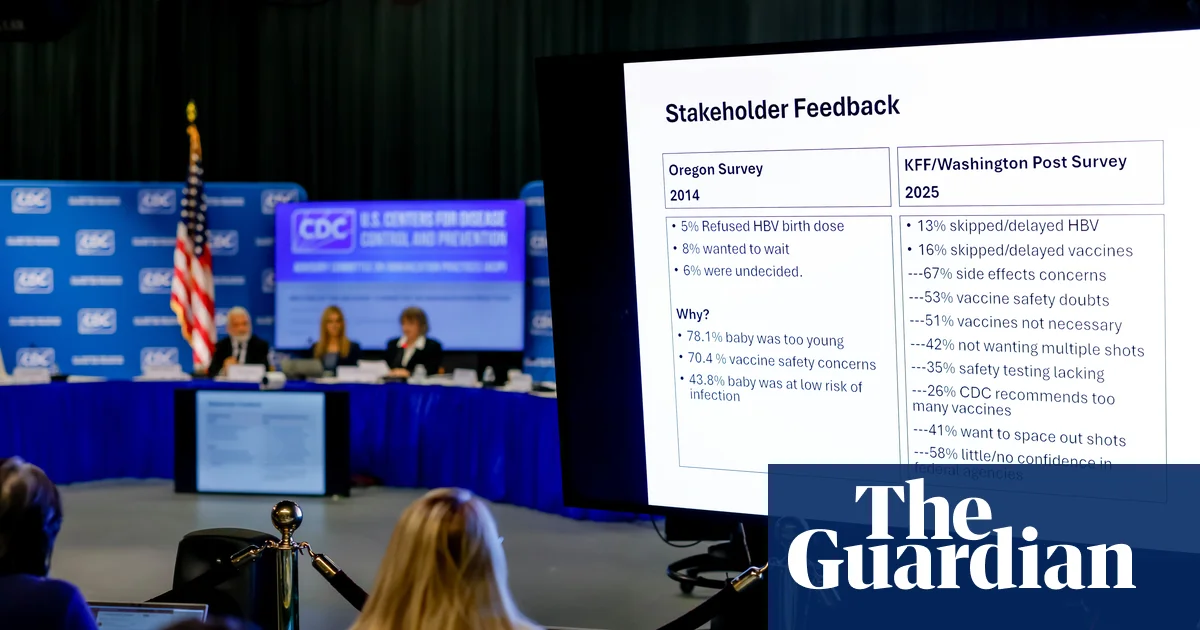
The recent convergence of United States healthcare decisions has underscored a profound shift in the nation’s approach to childhood immunizations. During a contentious meeting of the Advisory Committee on Immunization Practices (ACIP), a pivotal vote was postponed on restricting hepatitis B vaccination for infants. This unprecedented standoff reflected deep divisions that reach beyond domestic health policies, resonating across global health dynamics and geopolitical stability. The decision, or rather its delay, follows a series of recent recommendations that signal a retreat from the consensus historically practiced in vaccine administration, raising alarms about the future health sovereignty of the United States.

Critically, the debate was not rooted in new scientific evidence—no data demonstrating harm from the vaccine was presented—yet it spotlighted ideological rifts. Some members, appointed under controversial political influences, challenged the established safety record of the vaccine, which has protected over 1.4 billion people worldwide for more than three decades. The inclusion of vaccine skeptics within the advisory panels mirrors broader cultural and political tensions, often fueled by figures like Robert F. Kennedy Jr., whose anti-vaccine advocacy has gained notable traction among segments of the American youth. Analysts warn that such associations could erode trust in public health at a crucial juncture, potentially reversing decades of progress in childhood disease prevention.

Implications on National and Global Health Policies

  • In recent months, the ACIP has recommended more restrictive guidelines, including limiting access to vaccines for diseases such as measles, mumps, rubella, and chickenpox, echoing a shift that could challenge international childhood health standards.
  • This trend is compounded by the resignation of Martin Kulldorff, the former ACIP chair, who transitioned to the U.S. Department of Health and Human Services. His replacement, Kirk Milhoan, a pediatric cardiologist with a record of opposing some COVID-19 vaccination mandates, exemplifies a deliberate move away from scientific consensus and towards political influence.
  • World health experts and international organizations have expressed concern over the declining vaccination rates—amid rising vaccine hesitancy and the fallout of the COVID-19 pandemic. The recent surge in measles outbreaks across the U.S. underscores how policy shifts—whether to restrict or promote vaccination—directly influence national and how societies manage emerging health threats.

Historians and public health analysts emphasize that such decisions carry far-reaching geopolitical consequences. Countries worldwide watch as the U.S., a leader in vaccine development, grapples with internal divisions that threaten to weaken collective immunity and global disease control efforts. The focus on vaccine skepticism and political meddling in scientific institutions could redefine the international standing of American health diplomacy. As America navigates this precarious path, the weight of history presses heavily upon its shoulders, with the unfolding narrative of vaccine policies poised to leave an indelible mark on future generations.

In the shadow of these turbulent debates, the capstone remains clear: history continues to be written not just by the decisions of today’s leaders, but by the societal values they choose to uphold. The question remains—will the United States reaffirm its commitment to science and public health, or will it succumb to the divisiveness that threatens to unravel decades of progress? As the world watches with bated breath, the outcome of this internal struggle will undoubtedly shape the global health landscape for generations to come. The pages of history turn, and with them, the very fabric of societal trust and international stability hang in the balance.
CDC Staff Confront ‘Limbo’ After Cycles of Firing and Rehiring Under Trump Era

The Fallout of CDC Layoffs: A Society in Turmoil and the Erosion of Public Trust

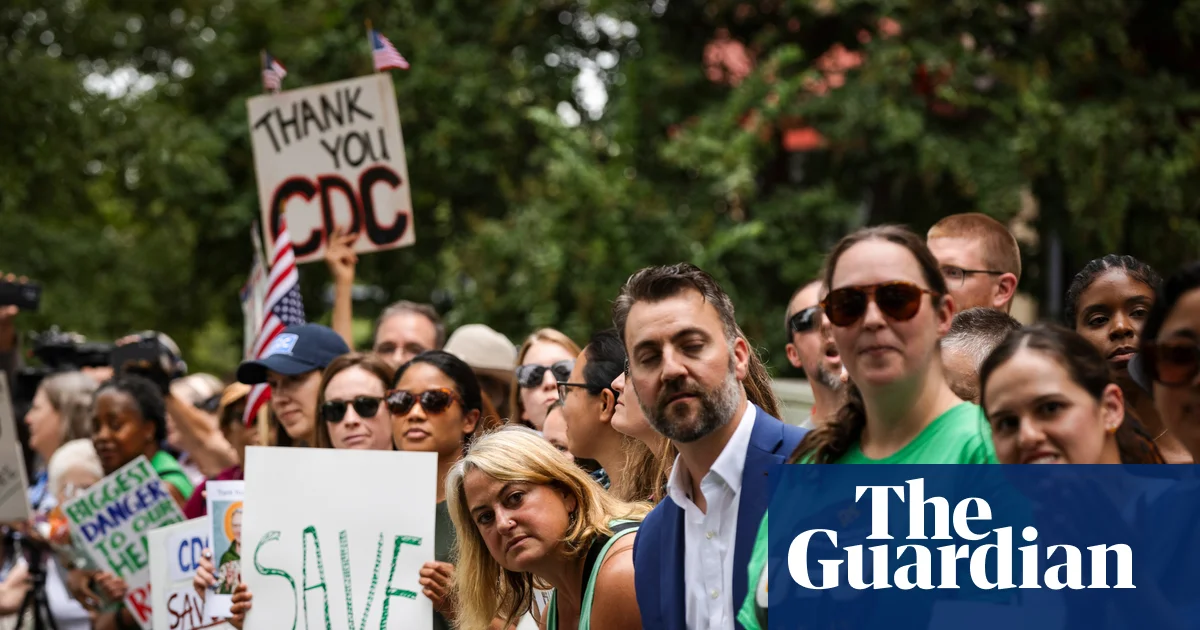
In recent months, the chaos surrounding layoffs at the Centers for Disease Control and Prevention (CDC) has unveiled deeper societal fractures that threaten the very fabric of community health and safety. As layoff notices flood federal offices, many families are witnessing firsthand how depopulation of critical health agencies diminishes America’s capacity to respond to public health crises. The involuntary attrition of over a quarter of the CDC workforce, including vital departments like the National Center for Chronic Disease Prevention and the Research Library, underscores a disturbing trend towards the dismantling of institutions meant to safeguard community well-being.

This wave of fiscal austerity and administrative chaos is not simply an issue of bureaucratic inefficiency; it narrows the pathways of trust and accountability that families rely on during health emergencies. The elimination of offices tasked with research and oversight—such as the ethics office and the Institutional Review Board (IRB)—raises profound questions about the moral responsibility of leadership. When crucial checks and balances are removed, families and communities are left vulnerable to unanticipated risks or ethical breaches that could have been prevented in better times. As social historian Dr. Lisa Greenberg notes, institutions like the CDC form the backbone of societal resilience, and their systematic undermining signals a dangerous slip away from accountability and expertise.

The implications extend beyond the realm of policy into everyday lives. Families, educators, and local communities are increasingly feeling the weight of a fractured health infrastructure. Arguments made by sociologists such as Dr. Samuel Torres suggest that the erosion of institutional integrity fosters a culture of skepticism and politicization that hampers collective efforts to address pressing issues like mental health, substance abuse, and preventative care. A community lacking coherent health guidance becomes a vulnerable arena for misinformation and fear, with many parents and teachers struggling to navigate an environment where evidence-based recommendations are disregarded or unavailable.

Amid this turmoil, the human impact manifests most painfully in instances like the tragic terrorist attack on CDC headquarters, where employees faced gunfire and trauma, or the targeted harassment and doxing that threaten the safety of public health champions. Such incidents expose a societal tension: when public health officials become targets of hostility or violence, it underscores a troubling decline in societal civility and respect for expertise. Former CDC officials warn that the decimation of the agency’s leadership impairs the nation’s ability to respond swiftly and effectively, leaving Americans increasingly exposed to health risks. This erosion of leadership, as historian Dr. James Navarro reflects, demonstrates a broader shift in societal values—from trust and collective responsibility to suspicion and individualism.

Ultimately, the story of the CDC layoffs is a mirror held up to society’s own vulnerabilities. As government resources dwindle and leadership becomes consumed with partisan battles, the hope for societal renewal lies in recognizing the importance of institutions rooted in expertise, ethics, and community service. The resilience of families and communities depends on their ability to advocate for a return to responsible governance—one that values human life over political optics. In the silence left by empty offices and forsaken research, society is called to reflect: can the communities built on shared values rebuild from the ruins, or will they fall further into disarray? The path forward demands more than policy shifts; it requires a renewed moral commitment to safeguard the health and dignity of every American, especially in an era where societal harmony and scientific integrity hang in delicate balance.

Social Media Auto Publish Powered By : XYZScripts.com