Matox News

Truth Over Trends, always!

Why ‘Frankenstein’ Deserves the Oscar for Best Picture: A Modern Masterpiece Worth Celebrating

In an era where cinematic storytelling often leans toward spectacle and superficiality, Guillermo del Toro emerges as a rare craftsman, weaving profound human truths into his fantastical tapestries. His latest adaptation of Frankenstein reflects his lifelong devotion to humanising monsters—an act that transcends mere horror to explore the core of human nature. Del Toro’s approach is rooted in a belief, echoed by thinkers like G.K. Chesterton, that monsters serve as mirror images of the fractured human soul, reminding us that our true monsters are often born from within, shaped by generational trauma and societal neglect. His reinterpretation transforms Shelley’s creation from a grotesque figure of fear into a poignantly sympathetic being, a symbol of the neglected and misunderstood, underscoring how culture and narrative shape our collective identity.

Furthermore, this film underscores the enduring importance of culture as memory and prophecy. Through its visual grandeur and nuanced performances, it reminds us that stories—be they mythic or modern—serve as vessels for tradition, morals, and values. Del Toro’s meticulous craftsmanship echoes the philosophical insight of Ortega y Gasset, who emphasized that culture is an ongoing act of interpretation and re-creation. As we grapple with the chaos of contemporary life, the revival of classical themes—such as the peril of hubris and the necessity of compassion—becomes a vital act of cultural preservation. In this light, the monster’s story is not merely a horror tale but a reflection of societal breakdown, urging us to reconnect with our roots, our familial bonds, and the moral fabric that holds us together.

  • Visual storytelling: Sumptuous imagery filled with symbolic lighting—candlelit shadows and sunset hues—embody the duality of enlightenment and darkness.
  • Performance mastery: Jacob Elordi’s Creature, more tender soul than grotesque ogre, illustrates the power of empathetic acting to challenge preconceived notions of evil.
  • Themes of toxicity: The film shines a light on toxic masculinity, drawing a parallel to the Enlightenment’s warnings about playing God and the hubris that corrupts.

Yet, in the political realm of awards and recognition, Del Toro’s film faces the harsh reality of Hollywood’s selective biases against genre cinema—an echo of the broader cultural tendency to marginalize the mythic and symbolic as mere entertainment. Despite his proven track record—awards for The Shape of Water and Pinocchio—the absence of a Best Director nod hints at the lingering snobbery that still perceives fantasy and horror as inferior. Nonetheless, as T.S. Eliot once wrote of poetry that “the tradition is a public thing,” so too does culture demand that we see these stories as vital articulations of our shared human adventure. History has shown us that true cultural revolution often begins from the margins, in the stories overlooked by the mainstream.

As we look towards the future of both cinema and society, the enduring lesson remains: culture is an act of remembrance and foresight, a gift from those who came before us and a prophecy of what we yet may become. Like the timeless figures of myth and legend, our stories—whether of monsters or saints—are threads in the fabric of human consciousness, whispering in shadows and shining in the golden sunset of our collective memory. In this grand dialogue of humanity, the greatest stories are the ones that remind us of who we are—and who we might yet become—a perpetual evolution of the human spirit, forever yearning, forever becoming.

US Boosts Optimism as Ukraine Talks Enter Second Day, Celebrating ‘Meaningful Progress’

As the world watches closely, the United States has taken a significant step toward diplomatic engagement with its counterparts in Geneva. The US special envoy, representing America’s strategic interests, emerged from the first day of negotiations with an optimistic tone. However, analysts caution that this optimism masks the underlying complexities and entrenched conflicts that define today’s geopolitical landscape. International observers and diplomatic historians emphasize that, while dialogue is essential, a genuine breakthrough remains elusive, especially given the deep-rooted mistrust shaping the current global order.

The core of these recent talks revolves around critical issues such as security guarantees, economic sanctions, and regional stability—especially in volatile hotspots where conflict and power struggles continue to threaten international peace. Although the US envoy expressed hope for progress, multiple sources within diplomatic circles indicate that preventing a deterioration of relations remains the primary goal at this stage. For nations embroiled in or affected by these negotiations, the stakes could not be higher. The decisions made in this delicate phase could determine whether longstanding conflicts simmer or escalate into wider confrontations, impacting millions of lives across continents.

The geopolitical impact of this diplomatic effort extends far beyond the immediate actors involved. Countries such as Russia, China, andEuropean allies observe these developments with cautious optimism and measured concern. Their strategies, often shaped by historical narratives and national interests, are undeniably influenced by the outcomes of these talks. International organizations, including the United Nations, have called for restraint and constructive engagement, highlighting the need for diplomacy over conflict at this critical juncture. Yet, some experts warn that these negotiations are merely part of a broader chess match, where each move is scrutinized for its potential to shift the balance of global power.

Notably, the turning point in understanding the true scope of these negotiations may come when tangible outcomes emerge—be it treaties, ceasefires, or strategic commitments. Historians warn that history often remembers these moments as either pivotal breakthroughs or missed opportunities, shaping the course of nations for decades to come. Nonetheless, the atmosphere remains tense; the weight of history’s lessons hangs heavily in the air. The world’s eyes are fixed on Geneva, waiting for a sign that diplomacy, once thought fragile, can still wield the power to forge lasting peace. As negotiations continue, the unfolding story reminds us that the path to stability is fraught with challenges, and that the decisions made today will echo through the corridors of history, long after the talks conclude.

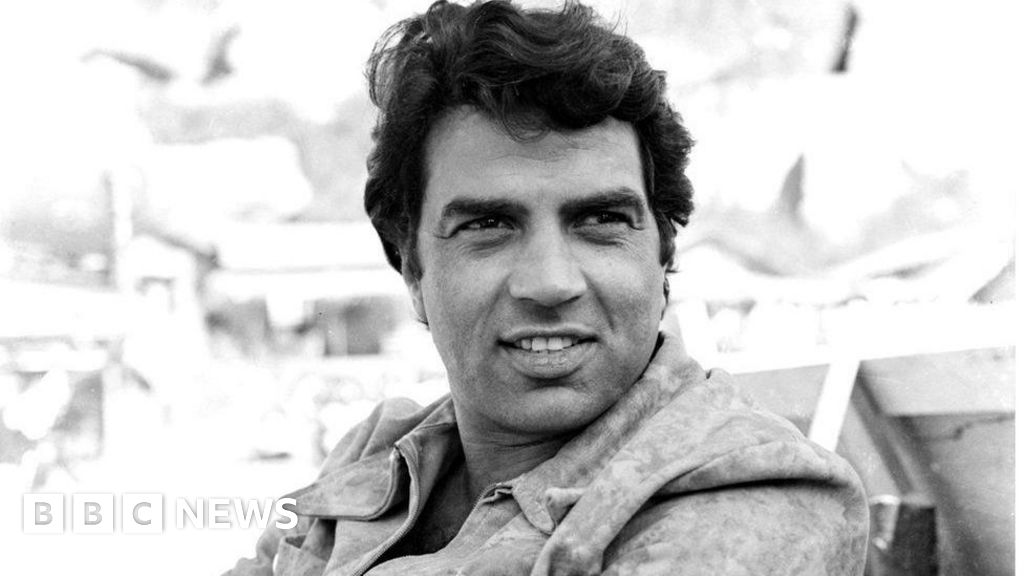
Celebrating a Legend: Bollywood's Icon Dharmendra Passes Away at 89
Celebrating a Legend: Bollywood’s Icon Dharmendra Passes Away at 89

The influence of cultural icons extends far beyond their immediate entertainment industry, shaping perceptions and societal values on a global scale. Among these, the legendary Dharmendra remains an enduring symbol, primarily renowned for his role as Veeru in the celebrated Indian film Sholay. His status as one of India’s most handsome actors is a testament to how cultural branding can transcend national borders, fostering soft power that influences regional identities and cultural diplomacy. In a world increasingly interconnected, the narratives woven by such figures contribute to a subtle but persistent cultural diplomacy that often underpins larger geopolitical strategies.

However, the interplay between cultural influence and geopolitical decision-making is complex. As international organizations and political leaders analyze shifts across nations, it becomes clear that cultural figures can serve as unwitting ambassadors, shaping perceptions of national strength and societal resilience. The global reputation of Indian cinema, propelled by icons like Dharmendra, plays a crucial role in shaping the country’s soft power, which in turn impacts diplomatic relations and economic partnerships within the BRICS alliance and beyond. More importantly, these influences are not static; they evolve with shifting political terrains and cultural exchanges, which are carefully mapped by international think tanks and analysts.

Current geopolitical landscapes are marked by a flurry of decisions—treaties, economic sanctions, and military alliances—that influence the stability and future of nations. Recent international shifts, such as the evolving dynamics between China, the United States, and Russia, have been closely scrutinized by historians and analysts eager to decode the pathways of global power. These shifts often have profound implications for societies worldwide, affecting everything from trade routes to individual freedoms. The role of cultural diplomacy surfaces as an understated but potent force, directly impacting nations’ policies and citizens’ perceptions amidst these turbulent changes.

As history continues to unfold, one must heed the warnings of experts who emphasize the importance of understanding the intricate web of cultural influence and geopolitical strategy. The recent prominence of influential cultural figures reminds us that societal values are often intertwined with the grander narratives of power and resistance. With every political move and cultural milestone, the trajectory of nations is altered—sometimes subtly, sometimes dramatically. What remains certain is that the pages of history are being written now—an epic saga of power, identity, and influence—where each decision leaves an indelible mark on the collective future of humanity, and the shadow of the past looms large over the unfolding story.

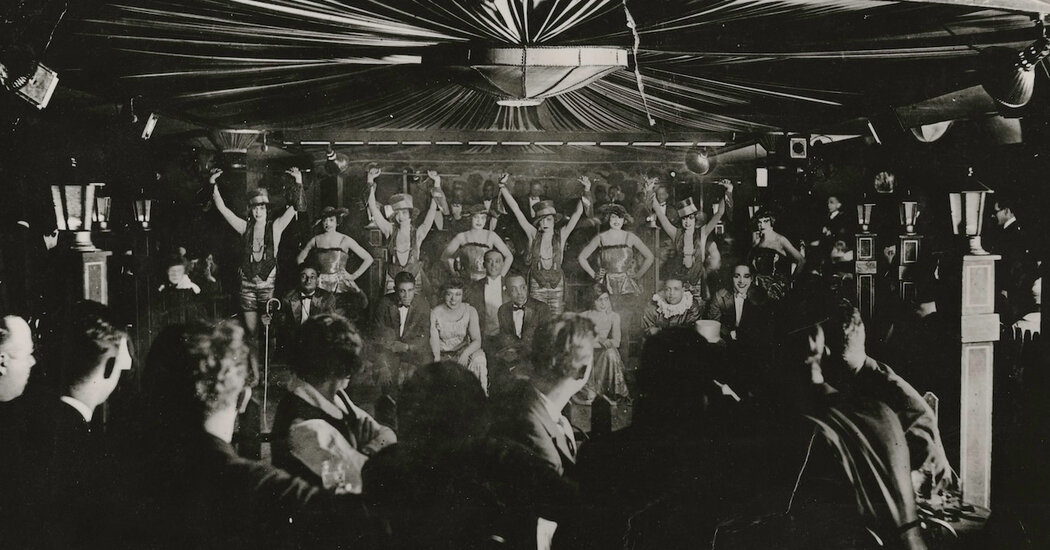
Black Musical Theater: Celebrating 200 Years of Cultural Resilience and Innovation

In the great tapestry of human civilization, culture functions as both the mirror of our collective identity and the canvas upon which we project our future aspirations. On the cusp of pivotal moments in history, artists and cultural pioneers have often assumed the mantle of societal architects, shaping and reflecting the values, struggles, and triumphs of their epoch. The founding of Amas Musical Theater in 1968 by LeLaine LeNoire exemplifies this parallel—it was not merely an act of artistic enterprise but a declarative stance on the importance of cultural diversity and representation in American society. Her initiative, infused with purpose, sought to elevate multiethnic casting, thereby enriching the cultural dialogue and affirming the integral role of identity within the American narrative.

Much like the Greeks of ancient times, who consecrated myth and drama as essential facets of civic life, modern cultural innovators understand that the arts serve as repositories of memory and beacons of prophecy. The success of productions like “Mama, I Want to Sing!” and “Bubbling Brown Sugar” signals a turning point—a recognition that authentic stories rooted in diverse experiences contribute to the moral and aesthetic fabric of society. These works, born amidst tumultuous social change, echo the timeless insight of thinkers like G.K. Chesterton: that tradition, which preserves the best of our collective past, must evolve to include the voices previously marginalized. In this context, cultural renaissance is intertwined with the assertion of rightful identity, a vital act of cultural self-preservation amid an ever-changing world.

The importance of such cultural endeavors extends beyond entertainment; they forge a profound connection between society’s fabric and the individuals anchoring it. A nation’s cultural output, as Tocqueville observed, reveals the undercurrents of its democracy, exposing the virtues and flaws woven into its institutions. In this regard, Amas Musical Theater and similar initiatives symbolize a democratization of culture—a recognition that art is not just a luxury, but a vital expression of societal sovereignty. They remind us that by celebrating roots and forging new traditions, society cultivates resilience and continuity, allowing forgotten histories to reemerge and guiding humanity towards a future mindful of its heritage.

Ultimately, culture emerges as both memory and prophecy: a living archive charting the human journey and a visionary force shaping what is yet to come. As the poet T.S. Eliot might have suggested, in our pursuit of harmony between past and future, we discover “the still point of the turning world”—a place where the echoes of tradition inform the aspirations of tomorrow. Our shared cultural history is a testament to our resilience, an ongoing dialogue that sustains not merely individual identities but the spirit of civilization itself. To engage with this heritage is to participate in a sacred act of rebirth, forging a path where the memory of yesterday guides the prophecy of tomorrow, reflecting the eternal human endeavor to find meaning and coherence amid chaos.

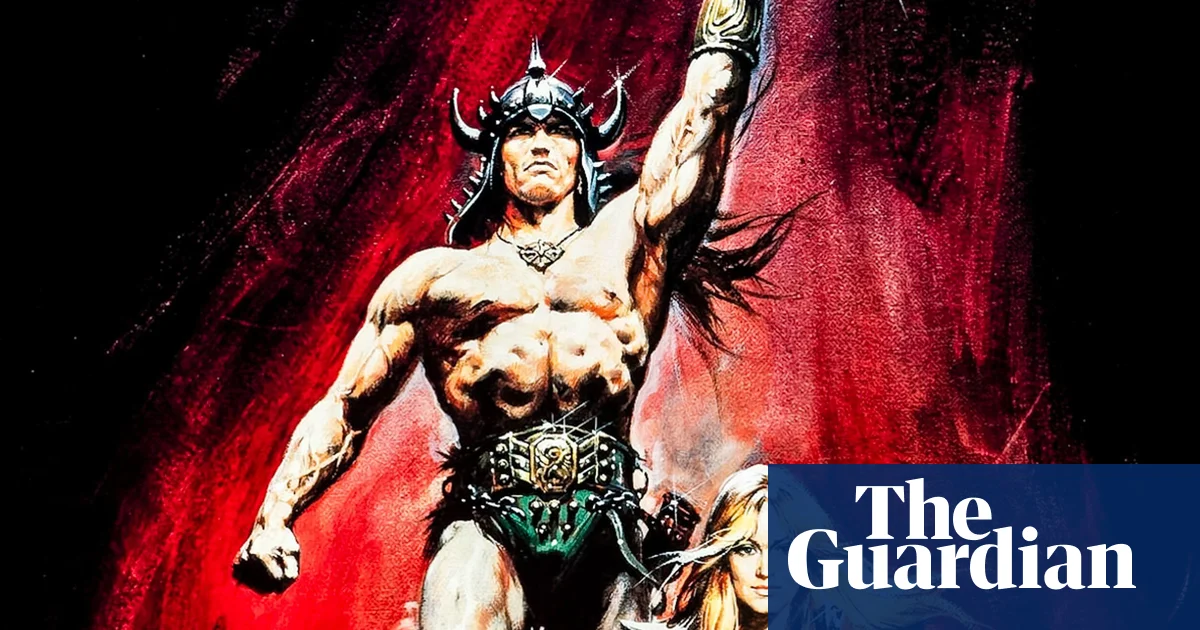
From Fistful of Dollars to Rambo: Celebrating Renato Casaro’s Legendary Movie Posters — A Visual Tribute

In the contemporary landscape of visual culture, few names resonate with the weight of Renato Casaro. His passing at age 89 marks the end of an era where artistry in film promotion was handcrafted, imbued with a soul that digital transformations have often threatened to erase. Casaro’s work represented more than mere promotional material; it was a testament to the enduring power of image-making rooted in tradition, craftsmanship, and the cultural dialogue between cinema and society. By elevating the heroic stature of icons such as Arnold Schwarzenegger and Sylvester Stallone, Casaro lent a mythic aura to modern heroes—echoes of classical heroism reimagined for the heroic age of postwar America and the cultural manifestations of strength, valor, and resilience.

This tradition of handcrafted poster art, a symbol of cultural memory and societal aspiration, encapsulates what Ortega y Gasset might have viewed as the way in which art manifests the collective spirit. As studios transitioned to digital tools in 1998, the tactile and visceral qualities of Casaro’s work began to fade, yet his influence remains a vital marker of cultural heritage. It is not merely about aesthetics but about the role of art in shaping identity and societal values. When Casaro returned to craft posters for Quentin Tarantino’s Once Upon a Time in Hollywood, it signaled a conscious return to that romantic, heroic mythmaking—a refusal to surrender entirely to digital repetition and superficiality.

Throughout history, critics like Chesterton have championed the idea that culture is a battleground for meaning; it is where tradition confronts innovation, where memory solidifies into societal identity. The cultural critic Christopher Lasch argued that in an age of relentless progress, it is the memory of the past that anchors societal coherence. Casaro’s posters, vibrant with heroism, did precisely that—they connected audiences to a shared mythos, imbuing cinematic images with a symbolic purity that transcends the fleeting nature of trends. As Tocqueville warned, the preservation of cultural identity is vital in a democratic society—where uniformity often threatens the uniqueness of tradition. Casaro’s work exemplified the human desire for heroism rooted in tradition, a rallying cry for a society that seeks meaning through its cultural icons.

In the end, the significance of figures like Casaro extends beyond their craft; they serve as custodians of a collective memory and prophecy. Their creations, like the finest poetry or philosophy, remind us that culture is both a reflection of what we are and a vision of what we might become. The tapestry of human history, woven with images and stories, calls us to consider that our deepest identity lies not just in the present but in the echoes of the past and the possibilities of the future—a future illuminated by the enduring light of cultural memory, shining brightly like a hero’s silhouette against a great, timeless horizon.

Social Media Auto Publish Powered By : XYZScripts.com