
Matox News

Truth Over Trends, always!

Mumbai Families Fret as Data Centres Keep the City Burning Coal—A Tech Crisis for Our Youthful Future

In the bustling streets of Mumbai’s Mahul district, a stark reality unfolds. Kiran Kasbe, a 36-year-old rickshaw driver, navigates through streets lined with produce stalls and choking smog-filled air. This thriving, yet heavily polluted neighborhood exemplifies the complex intersection of urban growth and environmental degradation. Mahul’s residents face serious health challenges—Kasbe’s own mother, who arrived there after her home was demolished, was diagnosed with brain cancer amidst polluted surroundings. Such stories reflect a broader narrative of how economic development often brushes up against the imperative to preserve public health and sustainability.

Meanwhile, India’s rapid push to transform its economy into a global hub for artificial intelligence is fueling an unprecedented data centre boom, especially in mega-cities like Mumbai. Leaked records show that Amazon, one of the world’s largest data centre operators, used 16 facilities within Mumbai alone in 2023—a significant increase from the three zones they publicly acknowledge. This acceleration highlights a broader trend: as digital infrastructure expands, so does the demand for energy. Critics like Bhaskar Chakravorti of the Fletcher School warn that this surge is pushing India’s commitment to a green transition to the brink. The paradox is evident. Tech giants attract applause for green energy claims, yet the reality signals a clash with climate goals—amplified by the exponential growth of datacentres requiring monstrous energy inputs that often rely on polluting energy sources.

Specifically, the rapid expansion of datacentres—most notably those operated by Amazon—has resulted in a paradoxical situation in Mumbai. Sources estimate that Amazon’s 2023 datacentre operations consumed enough electricity to power over 400,000 households annually, with forecasts indicating that such centres could command a **third of the city’s energy** by 2030. In this pursuit of digital dominance, the region’s existing energy infrastructure—comprised of Tata’s coal plants and Adani’s power stations—has been extended well beyond their planned shutdown dates, citing increasing demand from these very datacentres. Yet, this reliance on fossil fuels has transformed parts of Mahul into what local residents call a “toxic hell,” plagued by air pollution, chemical factories, and environmental neglect. Diesel generators powering these datacentres further exacerbate the crisis, making air quality even worse and threatening public health—especially for those living in proximity to these high-energy facilities.

  • Prioritize understanding the true environmental cost behind digital infrastructure
  • Support policies that incentivize renewable energy for urban tech developments
  • Encourage tech giants to adopt more transparent sustainability practices
  • Recognize that economic growth should harmonize with public health and environmental stewardship

As cities like Mumbai grapple with the tension between rapid technological progress and environmental sustainability, it becomes clear that the path forward is as much about redefining growth as it is about innovation. India’s story embodies a larger truth that resonates beyond its borders: true progress entails a balanced embrace of technology and wellness, ensuring that the pursuit of prosperity does not come at the expense of public health or ecological integrity. For today’s youth—ambitious, aware, and ready to lead—the challenge lies in advocating for a vision where lifestyle and sustainability are not mutually exclusive but are woven together into a collective journey of responsible development. As history reminds us, society’s greatest achievements are those that uplift the wellbeing of its people today while safeguarding the world for generations to come.
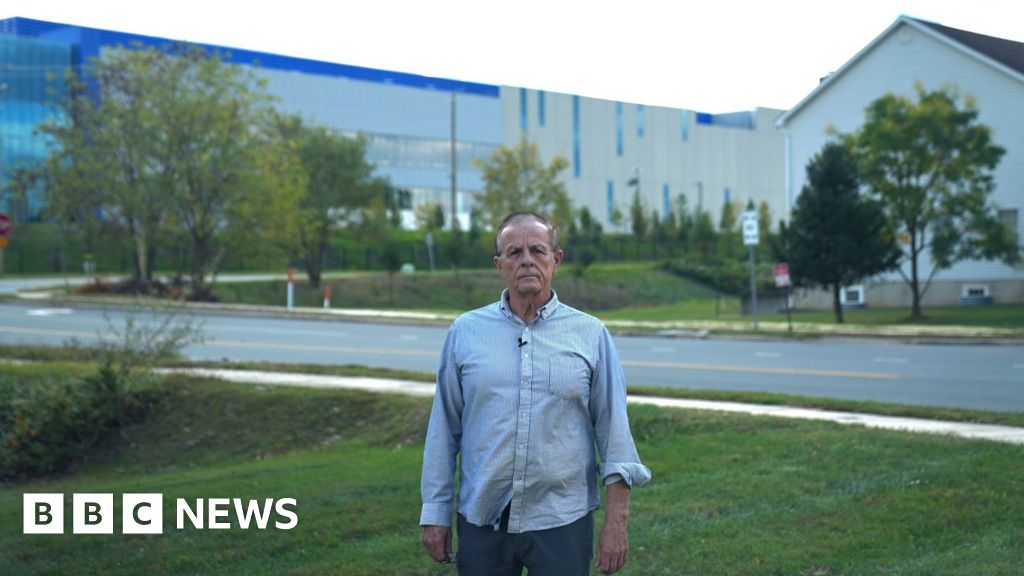
Virginia’s Data Centres Expand, Residents Push Back

LOUDOUN COUNTY, VIRGINIA—The hum of over 200 data centres spanning approximately 45 million square metres has become an undeniable feature of Northern Virginia. Known colloquially as Data Center Alley, this region has emerged as a key battleground in the ongoing global race for technological supremacy. While the industry contributes billions to the local economy and supports approximately 74,000 jobs, it also raises profound questions about the long-term societal and environmental costs. The recent widespread Amazon outage, crippling banking systems and social media platforms alike, cast a spotlight on the immense influence wielded by these data hubs—more extensive than even China’s data infrastructure—highlighting their critical role in the digital backbone of the modern world.

This proliferation of data centres reflects a deliberate strategic direction, endorsed by powerful policymakers including President Donald Trump. The administration’s push to expedite federal permitting aims to accelerate America’s leadership in emerging fields such as artificial intelligence (AI), a sector seen as pivotal for future economic dominance. Market analysts, including those from reputable international organizations, warn that this unchecked growth may ultimately threaten local communities—as residents face rising electricity prices, environmental degradation, and obliterated natural habitats. Emily Kasabian, a Loudoun County mother, vividly encapsulates the human cost of this expansion, having seen her peaceful suburban street transformed by looming industrial complexes and the accompanying noise pollution, which has driven away native wildlife and disrupted the tranquility that drew many families to the area in the first place.

Before the decade-long surge, Loudoun County was recognized for its flat, inexpensive land and access to talent rooted in its historic ties to the internet industry—once the headquarters of AOL helped seed its digital startup culture. Yet, while local authorities and industry advocates emphasize the economic benefits, critics argue the regulatory vacuum—exacerbated by Governor Glenn Youngkin’s veto of legislation aimed at controlling the surge—has led to environmental and social upheavals. Rising electricity costs, with wholesale rates soaring by as much as 267% in certain areas, threaten to burden residents and small businesses alike. As Dan Diori of the Data Center Coalition claims, these centres are essential to the country’s technological ambitions, yet many believe this vision is being realized at the expense of the societal fabric that makes America thrive.

From the perspective of international analysts and historians, this unfolding narrative signals a pivotal moment in worldwide power structures. The decision to prioritize rapid infrastructure development over comprehensive regulation may herald an era where technological hegemony is achieved at the cost of societal cohesion. As the debate intensifies—from glowing blue facades overshadowing suburban landscapes to electric grids strained under growing demand—the shadow of history’s lessons looms. The questions remain: will this relentless drive to dominate the digital age forge a prosperous future, or will it carve deep scars into the very communities that embody the resilience of the West? As history continues to unfold, one thing remains certain—the modest hum of these data centres is a harbinger of a new global epoch, one where the choices made today will echo through the corridors of history for generations to come.

Social Media Auto Publish Powered By : XYZScripts.com



