Matox News

Truth Over Trends, always!

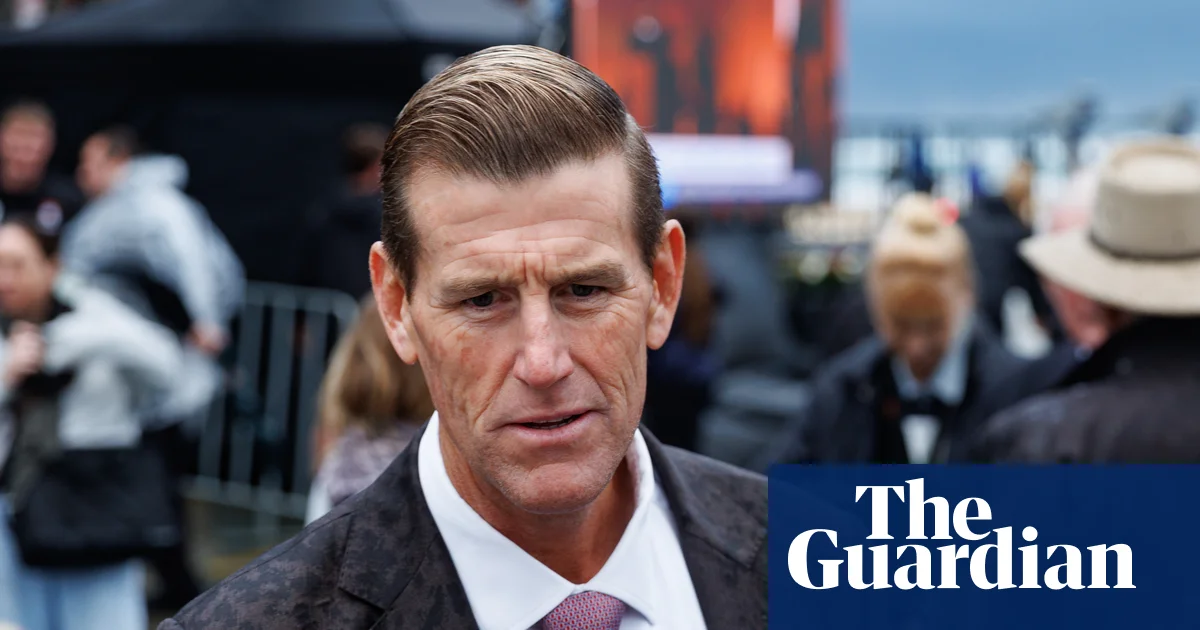
Indigenous speakers jeered at Anzac Day ceremony as Ben Roberts-Smith hits separate Gold Coast event

As Australia recently commemorated the 111th anniversary of the Gallipoli landings, troubling echoes from domestic politics and social divisions threaten to tarnish the legacy of this national day of remembrance. The customary solemnity of Anzac Day has recently been marred by disruptions fueled by contentious political agendas and ideological conflicts, highlighting a broader trend seen across the Western world. In cities like Sydney, Melbourne, and Perth, attendees at dawn services experienced unanticipated disturbances—booing and heckling during significant rites such as the welcome to country. Such acts, labeled “disgraceful” by military and civic leaders, symbolize more than mere disrespect—they reflect a seismic shift in geopolitical impact and societal values. The protests echo calls from groups like Fight for Australia, which challenge traditional expressions of respect for indigenous sovereignty and national history, ostensibly driven by a nationalist desire to rewrite or diminish the significance of multicultural acknowledgment.

One of the most emblematic figures of this contentious atmosphere is Ben Roberts-Smith, Australia’s most decorated soldier, who recently attended a dawn service on the Gold Coast amid turbulent accusations of war crimes—charges that threaten to redefine his legacy and, by extension, the image of Australian military service globally. Roberts-Smith denies the allegations, which include killing unarmed civilians—an act that, if true, could fundamentally alter Australia’s international reputation. The allegations have ignited fierce debates on military accountability and national identity, with some advocates calling for a reassessment of Australia’s military interventions abroad. These charges and the ensuing controversy underscore how individual actions are entangled with national symbolism and what they reveal about societal standards. International organizations and security analysts warn that such scandals threaten to weaken Australia’s diplomatic stance, especially as other powers scrutinize Western commitments to human rights and justice.

This wave of social unrest and controversy arrives at a time when Australia, like many of its Western counterparts, is grappling with the meaning of its history and the future it wishes to forge. Historians note that these disruptions underscore a deeper ideological struggle—between those seeking to uphold traditional national values rooted in sacrifice and those pushing for progressive reinterpretations of history. The geopolitical impact extends beyond Australia’s borders, as allies and adversaries observe how internal divisions might weaken Western nations’ resolve and unity in a rapidly changing world order. International institutions, already concerned about the rising tide of nationalism in global politics, view such episodes as a sign that Western democracies are wrestling with their identity amidst an era of geopolitical upheaval. The incidents in Australia serve as a microcosm for larger shifts—where debates over history, identity, and cultural respect threaten to fracture alliances and fuel conflicts.

As history continues to be written in real time, the contrasting narratives—one of sacrifice and unity, the other of division and contestation—underscore the profound challenges faced by nations striving to reconcile their past with a complex future. The scenes of booing and protest on ANZAC Day mark more than isolated acts; they are a harbinger of ongoing societal debates that will shape Australia’s trajectory. In this tumultuous landscape, each decision, each protest, each court judgment adds a new chapter to a story that is far from over—one where the weight of history is still unfolding and the fate of national identity hangs in the balance, waiting for the next turn of the page.
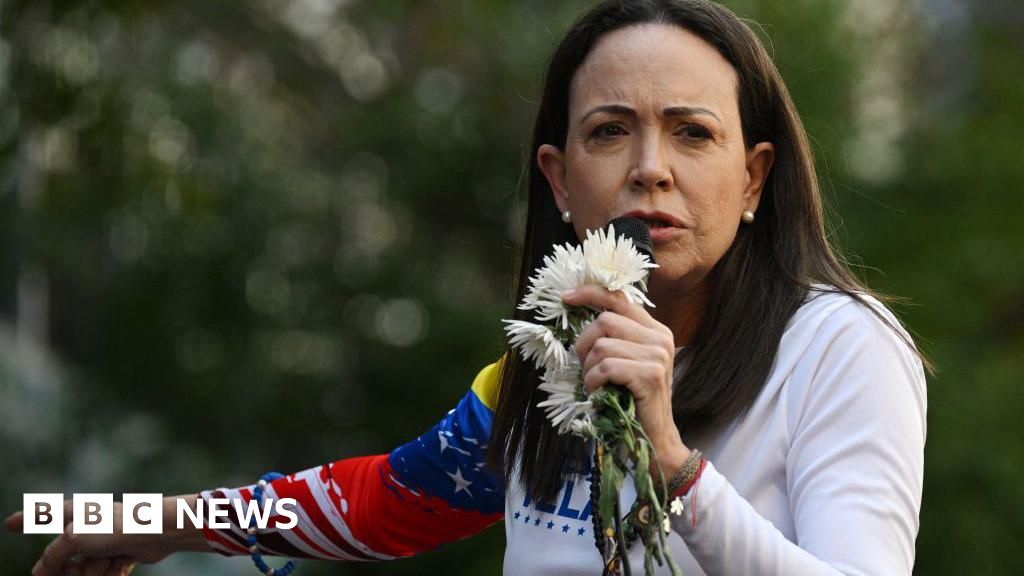

Nobel Officials Baffled on When Peace Winner Will Show Up for Ceremony

Venezuela’s Ongoing Struggle for Democracy and the International Power Play

Venezuela faces a critical juncture as opposition leader María Corina Machado, a Nobel Peace Prize laureate, remains in hiding amidst escalating political repression. Her absence from a planned press conference, coupled with the Nobel Institute’s statement that they are “in the dark” about her whereabouts, signals a broader pattern of the regime’s clampdown on dissent. For years, Venezuelan rulers have dismissed opposition voices and manipulated electoral processes, but Machado’s situation underscores a much deeper crisis that extends beyond national borders.

The controversy surrounding Machado’s official recognition and her refusal to accept the legitimacy of the 2024 election result stands as a stark reminder of the crisis of democracy in the country. Critics argue that the election—widely regarded as fraudulent—was designed to cement Maduro’s grip on power, dismissing international calls for free and fair elections. Yet, the global community remains divided. Some nations, including the United States, have officially recognized the opposition candidate, Edmundo Gonzalez, as the legitimate president-elect, further fueling the geopolitical tensions that threaten regional stability.

International Dimensions and Broader Geopolitical Impact

The Nobel Peace Prize awarded to Machado was intended to elevate the fight for democratic principles, but her current situation reveals how authoritarian regimes aggressively suppress such efforts. The Venezuelan government’s statement branding Machado a “fugitive” and her criminal investigations—centered around alleged acts of conspiracy, incitement of hatred, and terrorism—highlight the use of state apparatus to silence dissent and resist international pressure. Analysts warn that these tactics not only embolden regimes in Latin America but also set a dangerous precedent for authoritarian resilience across the globe.

From an international geopolitical perspective, the crisis in Venezuela stands as a clear indication of shifting alliances and power struggles. While the U.S. and some Western nations push for regime change and the restoration of democratic norms, Russia, China, and allies in Latin America maintain support for Maduro’s government, citing sovereignty and non-intervention. This diplomatic standoff underscores a broader contest for influence in the Western Hemisphere, reminiscent of Cold War-era polarizations. According to prominent international organizations, such as the United Nations, stability in Venezuela is integral to regional security, yet their capacity to influence the regime remains limited.

The Future of Venezuela and the International Community’s Role

The unfolding narrative leaves the world with a stark question: Will international diplomacy and strategic interests prolong the suffering of the Venezuelan people, or can a new political order emerge? If Machado defies intimidation and attends her Nobel ceremony, her public appearance would symbolize a defiance of authoritarian oppression — a powerful rallying cry for millions seeking freedom. Historically, such moments have served as turning points, mobilizing international pressure and fomenting change. Conversely, if the regime’s tactics succeed in de-legitimizing opposition, it risks further entrenching tyranny and sowing instability that could ripple beyond Latin America.

As history unfolds in Venezuela, the world remains watchful. Every decision, every alliance, and every act of resistance carries the weight of fate and legacy. In the theatre of geopolitics, the links between dignity, democracy, and power are more intertwined than ever — and the next chapter is yet to be written, with the weight of history hanging in the balance.

Social Media Auto Publish Powered By : XYZScripts.com


