Matox News

Truth Over Trends, always!

De Niro Challenges JLaw: Are Celebrities Obligated to Oppose Trump? | Culture

In an era where culture seems increasingly detached from the values that hold tradition and identity together, the spectacle of celebrity influence on politics has visibly waned. Historically, the powerful interplay between art, ideas, and society has offered a mirror and a prophecy—shaping collective memory while hinting at future pathways. Yet, as philosophers like Ortega y Gasset noted, when society loses its cultural compass, it drifts into superficiality and fragmentation. Today, the wave of celebrity activism, once heralded as a new form of societal engagement, appears to have receded, revealing that true cultural authority does not reside in Hollywood plaques or red carpets, but in the enduring principles that define a people’s soul.

  • The shift away from celebrity endorsements in political discourse signals a disillusionment with superficial sways capable of molding collective destiny.
  • High-profile figures like Jennifer Lawrence and Sydney Sweeney now prefer silence or nuanced expression over blatant opinion—a calculated retreat perhaps, but also a recognition of the limits of star power.
  • Veterans like Harrison Ford and Robert De Niro have stepped forward, embodying a rare voice of conviction rooted in an understanding that culture is more than fleeting opinion—it’s the moral fabric of society itself.

As the venerable Chesterton once argued, culture is the divine dialogue that binds past and future; it is both memory and prophecy. Today’s celebrity silence—an attempt to avoid fueling divisions—can be seen as an acknowledgment that the era of movie-star-swung elections is finally dissolving into a new epoch. This void, however, is not a sign of decline but rather a call to a deeper engagement with the roots of our cultural identity. The true power lies not in the endorsement of movements or politicians but in the cultivation of a society that understands its own past, preserves its traditions, and recognizes that art is the vessel of enduring values. Societies that neglect this vital connection risk losing their moral compass, swayed instead by superficial spectacle and ephemeral influence, the kind that politicians like Trump’s celebrity-like antics masterfully exploit.

In this shifting landscape, the voices of artists who speak from a place of genuine conviction serve as the custodians of culture’s deeper purpose. Echoing the sentiments of T.S. Eliot, who urged us to consider the shaping power of tradition, we are reminded that culture is a living organism—both rooted in memory and inherently prophetic. The role of the artist is thus to channel this divine dialogue, forging a path where truth and beauty serve as anchors in the storm of modernity. As we watch figures like Ford and De Niro take a stand against the chaos of politics, our task is to reclaim that sacred space—where the spirit of culture nurtures the soul of society, and history whispers the prophecy of human destiny.

In the end, culture is neither static nor mere decoration; it is the Subtle Rhythms of humanity’s eternal song—both the memory that sustains us and the prophecy that beckons us forward. To honor this divine narrative is to recognize that, beyond the spectacle and fleeting fame, it is the enduring insight of our shared history that offers true guidance—a silent, powerful testament to the human condition, echoing across generations like an almost-forgotten melody waiting to be rediscovered. And in that rediscovery, perhaps, lies our greatest hope: that what we cherish as our cultural memory will one day illuminate the pathway to a nobler future.

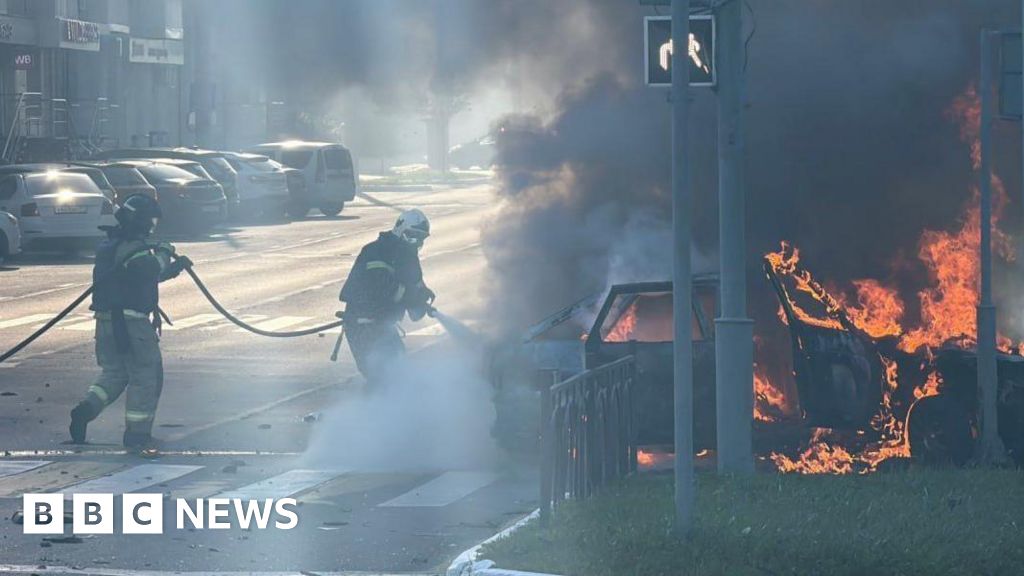
Blackouts sweep Belgorod as Ukrainian drone attacks surge—Russia faces new challenges

In a stark escalation of the ongoing conflict between Ukraine and Russia, recent events have revealed a widening battleground extending beyond traditional frontlines to include the contested border regions. Residents of Belgorod, a strategic Russian region bordering Ukraine, are reporting an alarming increase in drone assaults and missile strikes, with local authorities documenting almost a fourfold rise in Ukrainian drone activity since the start of 2025. These attacks, featuring lightweight, low-cost drones capable of carrying warheads, underscore Ukraine’s tactical shift towards asymmetric warfare. The consequences are devastating, leading to civilian casualties, critical infrastructure damage, and a surge in local panic, thus highlighting the geopolitical impact of the conflict spilling over borders and risking regional stability.

According to data from local officials, over 4,000 Ukrainian drones were detected in the Belgorod region in September alone—compared to roughly 1,100 in January—underscoring a clear ramp-up in offensive measures. The attacks have targeted essential logistical hubs such as heat and power plants, causing widespread blackouts and fueling fears of a winter without heat and electricity for thousands. Russian authorities admit to struggling with capacity, urging residents to buy backup generators amid persistent fuel shortages plagued by increased attacks on oil refineries. Beyond infrastructure, the nature of these strikes has transformed. The use of the “Darts” drone, a lightweight model with a 4kg warhead, illustrates a deliberate effort by Kyiv to overload Russian air defense systems and expand the scope of their offensive—an ominous sign that the conflict’s scope is broader and more complex than ever before.

Meanwhile, the Ukrainian side continues to bear the brunt of relentless Russian missile and drone tactics. In recent days, Ukrainian officials reported casualties, including children, amid waves of strikes that leave cities in darkness and despair. Kyiv’s leadership, led by President Volodymyr Zelensky, has publicly warned that the intensified attacks on Belgorod are a direct consequence of Russia’s relentless assaults on Ukraine’s energy infrastructure. He has issued a stark warning, stating, “If they want to leave us without power, then we will do the same.” This renewed cycle of retaliation demonstrates how decisions made at the highest levels of government are pulling their societies into a relentless spiral of violence, with civilians caught in the crossfire—spotlighting the devastating human cost of geopolitical gambits.

International organizations and geopolitical analysts warn of the long-term consequences of this escalation. Some experts, such as Dr. Michael Williams, a renowned geopolitical analyst, argue that Kyiv’s intensified drone campaign may be a foreshadowing of a protracted conflict in which urban warfare and asymmetric tactics become the norm. Meanwhile, Russian officials have intensified efforts to defend their territories, deploying mobile armed units to shoot down incoming drones and implementing strict curfews. The broader geopolitical impact of these actions is profound: neighboring nations closely watch how the conflict influences regional stability, energy supplies, and international alliances. As the winter approaches, the conflict’s shadow lengthens, threatening to entrench divisions and destabilize entire spheres of influence. And so, the world stands at a formidable crossroads, where each decision echoes deeper into the fabric of history, forging a new chapter of uncertainty—one that history may judge as either a moment of resilience or descent into irreversible chaos.

Dolly Parton’s Sister Urges Fans to Pray as Country Legend Faces Health Challenges

The recent health challenges of iconic singer Dolly Parton have ignited a wave of concern across the cultural and political landscapes worldwide. While her condition remains undisclosed, the narrative unfolding around her situation highlights the vulnerabilities that even the most celebrated figures face and underscores the profound interplay between personal health crises and global societal reflections. Parton’s *postponement* of her highly anticipated Las Vegas residency, scheduled for December, signifies more than a mere career setback; it symbolizes the fragile balance between individual vitality and the relentless march of time—a theme echoing in the corridors of world power and international diplomacy.

Analysts note that the singer’s appeal, rooted in her resilience and connection with fans, mirrors a broader societal phenomenon: the collective search for strength amidst uncertainty. As Parton emphasizes her *faith in divine intervention* and her *determination to preserve her legacy*, some international commentators are drawing parallels with geopolitical figures who confront similar *health setbacks*—notably *heads of state* and *global corporate leaders*. According to the World Health Organization, the health stability of leaders impacts diplomatic stability, with leadership crises often exposing underlying vulnerabilities of national governance. The absence or diminished presence of influential figures can cause shifts in international alliances, economic confidence, and societal morale, much like the ripple effects felt within the entertainment industry when a star like Parton faces *health setbacks*. For nations, enduring their own health emergencies amid global crises, the narrative of resilience and renewal takes on critical importance.

Experts argue that moments such as these serve as a *metaphor for the geopolitical landscape*, where decisions stemming from *internal crises* either accelerate a nation’s progress or expose its weaknesses. Historians warn that when leadership figures fail to project strength, be it through health vulnerabilities or political upheaval, the resulting uncertainty can embolden adversaries and weaken alliances. International organizations, meanwhile, contend that such instances reaffirm the need for robust health infrastructures and contingency planning—essential for maintaining not just individual well-being but global stability. In this era of unpredictable crises—whether medical, environmental, or socio-political—the question remains: how do nations respond when their leaders or icons falter?

As the world continues to grapple with the *ravages of unforeseen crises*, the story of Dolly Parton reminds us that even cultural icons serve as powerful symbols of endurance. Her decision to defer her *Las Vegas* comeback, citing *medical procedures*, epitomizes a universal truth: the endurance of societal values depends on resilience and mitigation. As international actors watch her health saga, they recognize that the *timing* of crises can redefine narratives, reshape alliances, and influence cultural and political legacies. The ongoing chapter of her life, intertwined with a broad tapestry of human vulnerability, serves as a stark reminder that history’s true turning points often emerge from the shadows of these personal battles. And as history watches, the question persists—how will nations—and indeed the world—weather its next great upheaval? The weight of destiny remains, as ever, suspended on the fragile thread of hope and resilience in an unpredictable world.

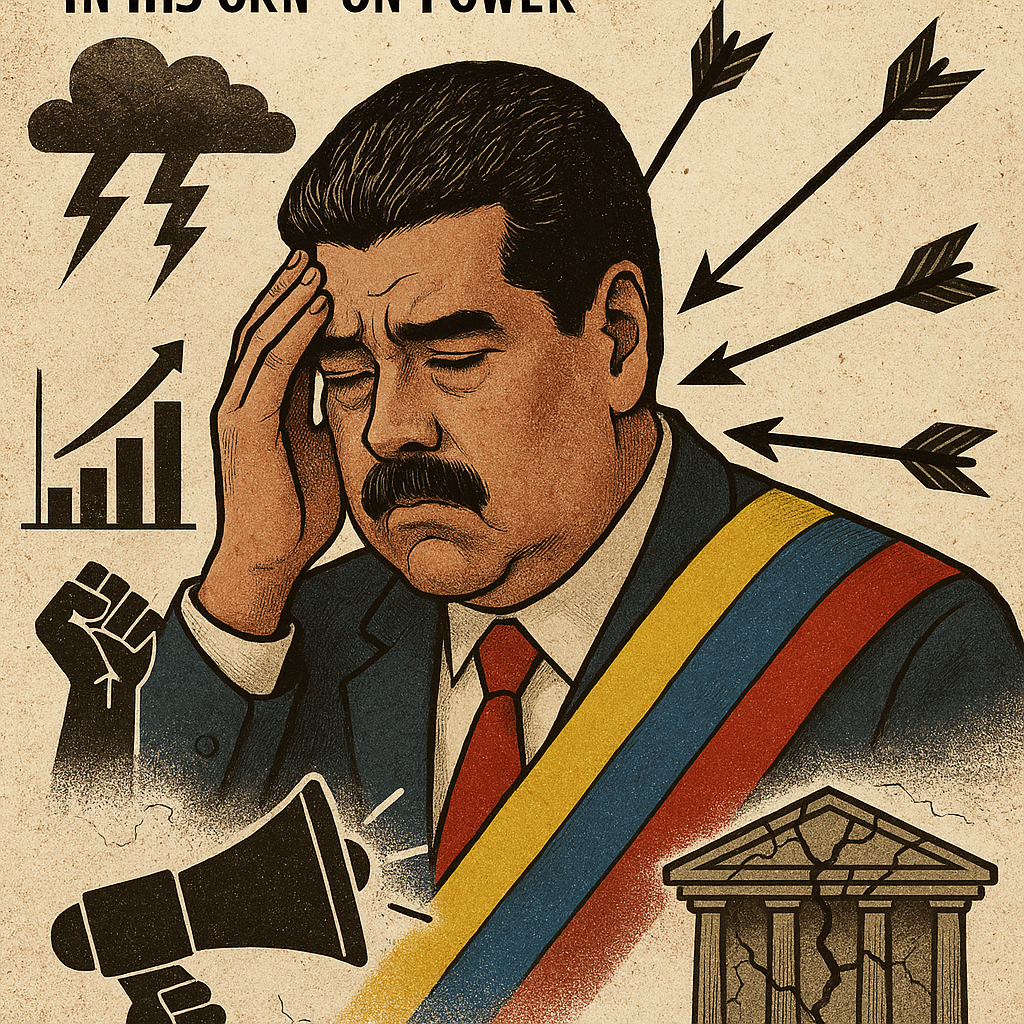
Nicolas Maduro faces mounting challenges in his grip on power

Within the tumultuous landscape of Latin American politics, Venezuela’s President, Nicolás Maduro, faces a critical juncture emblematic of the broader crisis threatening the very fabric of democratic legitimacy. Once heralded by some as a champion of socialist ideals, Maduro now finds himself entangled in a relentless power struggle that echoes the classic conflicts between authoritarian resilience and revolutionary resurgence. The whispers of international condemnation, combined with growing domestic unrest, suggest that Maduro is increasingly running out of options, with each decision echoing deeper into the nation’s destiny.

Maduro’s recent measures signal a potential shift that many political analysts see as an attempt to consolidate power amidst mounting challenges. The decision to tighten control over opposition-led institutions, coupled with crackdowns on dissent, mirrors historical tactics used by populist regimes seeking to strengthen the grip on the levers of power. As constitutional experts dissect these moves, parallels arise with regimes of the past that prioritized centralized authority over democratic accountability. The question remains: are these reforms defensive acts designed to preserve Maduro’s tenure, or are they the harbingers of an irreversible slide into authoritarianism?

Furthermore, the socio-economic fallout of these power struggles extends far beyond Caracas. The Venezuelan people, caught in a relentless struggle for survival, are often seen as pawns in a grand political chess game. The decisions made in the palace corridors—whether to hold new elections, amend the constitution, or suppress opposition voices—directly shape the life chances of millions. This reflects an age-old truth in political theory: where power resides, so too does the capacity to shape societal destiny. As the regime tightens its grip, it raises a fundamental question rooted in historical parallels — will the nation’s sovereignty be dictated by the ambitions of a solitary leader, or will it ultimately pivot back to the sovereignty of the people?

As the global community observes, the internal fractures within Venezuela serve as a stark reminder of how power struggles define history’s course. Whether Maduro manages to prolong his hold on power or succumbs to internal dissent and external pressure, the unfolding crisis underscores a timeless truth: politics is the arena where the fate of nations is decided, and where the future is written with each decision made in the corridors of power. With each passing day, Maduro’s dwindling options reveal that in the theater of sovereignty, the stage is set for either resurgence or ruin—only history can truly reveal the scripts yet to be enacted.

Client Challenges Drive Innovative Solutions

As the global economy navigates a period of significant turbulence, markets worldwide are experiencing a spectrum of shocks that threaten both short-term stability and long-term growth trajectories. Recent reports indicate a marked slowdown in manufacturing and consumer confidence, driven by persistent inflationary pressures coupled with geopolitical uncertainties. Economists from institutions like the International Monetary Fund warn that the economic landscape remains precariously balanced, with risks tilted towards recession in major economies. Investors are reacting swiftly, repositioning portfolios amidst the volatile environment, with some predicting a challenging horizon ahead.

The United States economy, often a bellwether for global trends, shows signs of strain despite resilient employment figures. Consumer spending, historically a cornerstone of growth, is cooling as inflation reduces disposable income. Meanwhile, the European Union faces its own set of hurdles; energy security crises and inflationary spikes threaten to dampen recovery efforts, prompting policymakers to reconsider traditional fiscal responses. In this climate, central banks around the world are caught in a delicate balancing act—tightening monetary policy to combat inflation while avoiding the tipping point that could trigger a recession. The Bank of England has signaled a cautious approach, aiming to control inflation without stifling economic growth, but the path remains fraught.

Market impact is profound:

  • Stock indices in North America and Europe have undergone sharp corrections, encapsulating investor trepidation;
  • Currencies such as the US dollar and Euro experience heightened volatility, reflecting shifts in monetary expectations;
  • The commodity markets see mixed signals—oil prices fluctuate amid supply concerns, while gold retains appeal as a safe haven.

Policy consequences are equally critical. Governments are reassessing stimulus measures and fiscal policies, with some contemplating more aggressive intervention to bolster economies while others emphasize structural reforms to foster resilience. Think tanks like the Council on Foreign Relations underscore the necessity for strategic foresight, cautioning that premature tightening could deepen economic fissures. Meanwhile, the specter of geopolitical conflicts, especially in key regions such as Eastern Europe and East Asia, adds layers of complexity. The overarching narrative suggests that this period is a defining moment—one where economic resilience and adaptive policy will determine the future balance of global power.

Looking ahead, the economic pulse of nations remains a pivotal determinant of global influence, shaping not only material prosperity but also geopolitical strength. As we stand on the cusp of potential upheaval, the resilience of economies and their capacity to innovate amid chaos will serve as the bedrock upon which future power is built. This era underscores the importance of strategic foresight, emphasizing that while markets may falter and policies may shift, the true strength of a nation lies in its ability to adapt and thrive amidst uncertainty. The coming years will reveal whether the global economy can harness this turbulence to forge a new epoch of prosperity or succumb to the shadows of complacency and crisis—either way, history is on the move.

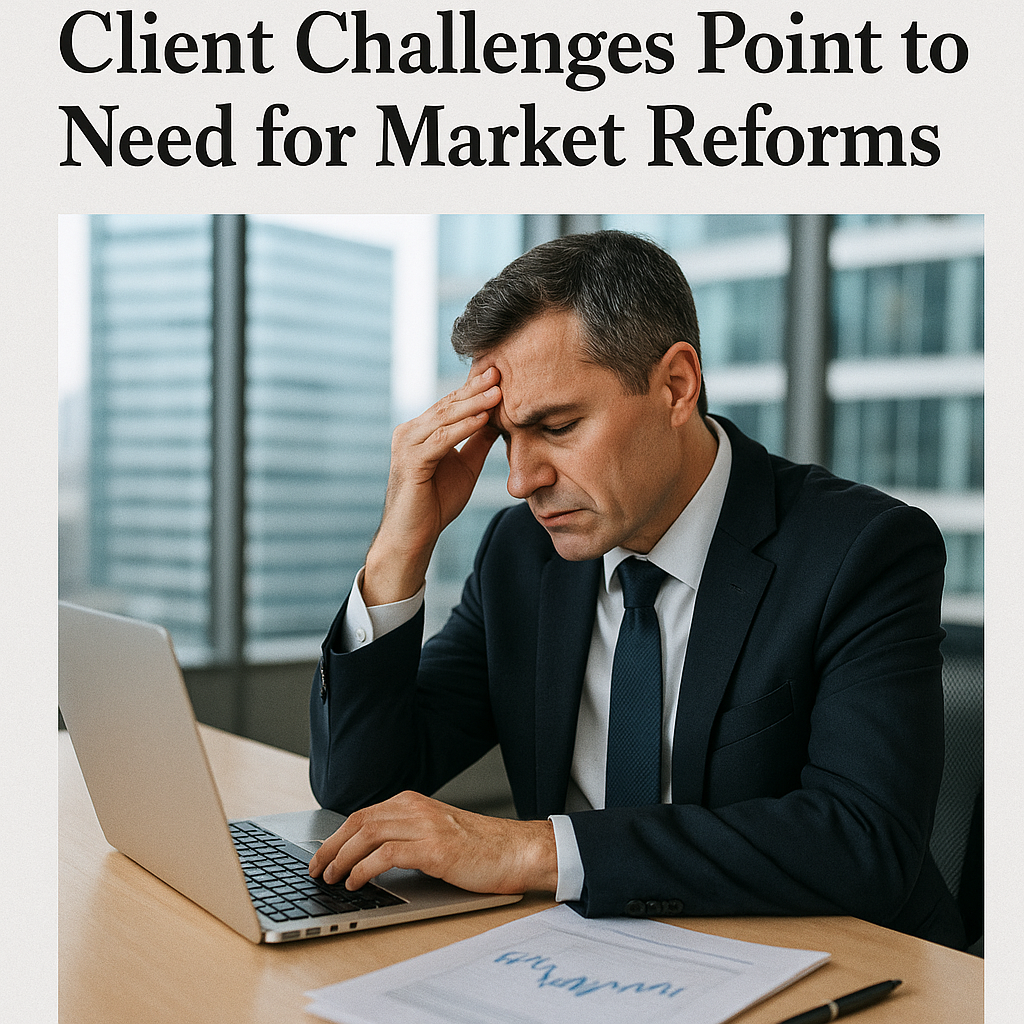
Client Challenges Point to Need for Market Reforms

The international economic landscape is currently experiencing a pivotal phase, marked by mounting volatility and shifting power dynamics. As recent data reveals, the global economy faces multiple headwinds, including inflationary pressures, geopolitical tensions, and unpredictable market shifts. Major economies are recalibrating their strategies to navigate these turbulent waters, with the United States and China at the forefront of this transformation. These developments are not only shaping short-term market impact but are also setting the stage for long-term policy consequences that could redefine global economic order.

One of the most critical indicators remains inflation, which has surged in multiple regions, prompting central banks to tighten monetary policy. The Federal Reserve has signaled an aggressive approach to curb inflation, with rate hikes expected to persist through 2023. Economists such as Mark Zandi of Moody’s Analytics warn that this tightening could usher in a period of slower growth or even recession. Meanwhile, in China, efforts to stabilize the housing market and support manufacturing are underway, yet growth remains fragile amid ongoing geopolitical strain and disruptions in global supply chains. The market impact of these policies has been profound: stock markets fluctuate on central bank signals, currency exchange rates remain volatile, and investor confidence teeters on the edge of volatility.

Furthermore, the rise of geopolitical tensions, especially between the U.S. and China, has triggered a surge in economic nationalism and supply chain reshaping. Countries are increasingly prioritizing self-sufficiency, leading to innovations and investments in emerging sectors such as renewable energy, AI, and advanced manufacturing. Policy consequences are clear: international trade agreements are under reevaluation, and alliances are shifting as nations seek to insulate themselves from potential shocks. Think tanks like the Council on Foreign Relations emphasize that these strategic realignments could either strengthen a multipolar world or spark new conflicts, deeply influencing global market stability. For investors, this environment offers both risks and opportunities—those who adapt swiftly could position themselves at the vanguard of future economic power.

Looking ahead, it is evident that the economy is not merely a reflection of current policies and market behavior but the very **pulse of nations**, a dynamic force that shapes the future of global influence. As technological innovation accelerates and geopolitical boundaries shift, the next era of economic dominance will be forged in the crucible of resilience and adaptation. The stage is set for a future where economic prowess and strategic foresight become the defining elements of national power, echoing through the corridors of history and into the dawn of a new global order.

Client Pushback Challenges Growth

The global economic landscape is once again on the cusp of a pivotal transformation, driven by a confluence of geopolitical shifts, inflationary pressures, and emerging technological opportunities. Major markets are experiencing volatility that reflects deeper structural movements, underscoring the importance for policymakers, investors, and businesses to recalibrate their strategies in this unpredictable environment. According to analysts at the International Monetary Fund, the post-pandemic recovery is stagnating in some regions while accelerating in others, setting the stage for a reconfigured global economic order.

At the heart of this turmoil lies the U.S. dollar, which continues to dominate international trade and finance, but faces mounting pressure from inflation and fiscal policy adjustments. The Federal Reserve’s aggressive rate hikes have sent ripples through the bond markets and triggered concerns about a potential slowdown in economic growth. Meanwhile, prominent economists warn that persistent inflationary pressures could hinder the pace of recovery, risking a stagflationary future that could undermine investor confidence and destabilize markets. Meanwhile, China and Europe grapple with their own challenges—ranging from supply chain disruptions to energy crises—highlighting the fragility that underpins their economic resilience.

In this precarious environment, corporate giants are recalibrating their portfolios and strategic initiatives to stay afloat. A wave of investment shifts is underway, with technology firms and commodity producers poised to capitalize on emerging opportunities. In particular, the push toward green energy and digital transformation represents not just a response to regulatory pressures but a chance to secure long-term competitive advantage. Think tanks such as the American Enterprise Institute suggest that innovative policies fostering private sector agility could stimulate growth and shield economies from shocks. Conversely, rising regulatory risks and geopolitical tensions threaten to stall progress, making it essential for nations to strike a delicate balance between market liberalization and strategic sovereignty.

The market impact of these shifts is profound. Investors are recalibrating risk models, with a focus on sectors poised for accelerated growth amid turbulence. The stock markets remain volatile, yet opportunities are emerging for those willing to navigate the storm, bolstered by a sense of *opportunity amid chaos.* As financial institutions brace for a period of economic recalibration, the importance of agile, forward-looking policy measures becomes ever clearer—measures that could either stabilize or destabilize the global financial ecosystem. The stage is set for a monumental chapter, where economic powerhouses will either adapt and thrive or falter in the face of unprecedented challenges.

Ultimately, the pulse of economies reflects the broader narrative of national resilience and global ambition. As technological innovation and strategic foresight converge, the world’s economic stage transforms into a crucible where future power is forged—not just through wealth, but through the capacity to adapt, innovate, and lead. This period of upheaval holds the potential not only to reshape markets but to redefine the very fabric of global influence, positioning certain nations as the new vanguards of economic dawn. In this epic contest, those who harness the chaos will set the tempo for the future, illustrating that the true strength of an economy lies in its ability to turn crisis into opportunity, forging a resilient path toward a formidable tomorrow.

Boosting Youth Innovation: Overcoming Client Challenges

Emerging Digital Challenges: Navigating Web Accessibility Issues

In an increasingly digital world, web accessibility remains a growing concern for users and developers alike. Recent reports highlight that many individuals are encountering significant barriers when attempting to access vital online resources. This situation prompts critical discussions about both the technical aspects of website functionality and the broader implications for users, particularly younger generations who rely heavily on online platforms for education, communication, and information.

One of the primary issues reported involves websites that are not properly optimized for all users, particularly those barraged with error messages when attempting to access content. For instance, a significant number of users have encountered sites that are non-functional due to JavaScript restrictions or settings, leading to unreliable access to essential services. These technical shortcomings not only frustrate users but also limit equal access to information, drawing attention to the necessity for websites to adhere to established accessibility standards set forth in initiatives like the Web Content Accessibility Guidelines (WCAG).

The repercussions of these challenges extend beyond simple inconvenience. With the rise of remote learning and professional environments dominated by online interaction, the need for accessible websites is imperative, particularly for younger users who are digital natives. Schools and organizations must consider the implications of inaccessible websites on their students’ ability to learn and thrive in a competitive global environment. Failure to address these concerns could lead to a significant divide between those equipped to navigate digital spaces and those left behind due to technological barriers.

In response to mounting criticism, developers and organizations are being urged to prioritize accessibility features during the design and implementation phases of their websites. Young users, in particular, may find that advocating for changes in accessibility not only enhances their own experiences but also contributes to a more equitable digital landscape for all. As digital engagement continues to evolve, the critical need for accessible web solutions will only grow, making it essential for stakeholders to embrace these challenges head-on to foster a more inclusive future.

Social Media Auto Publish Powered By : XYZScripts.com