Matox News

Truth Over Trends, always!

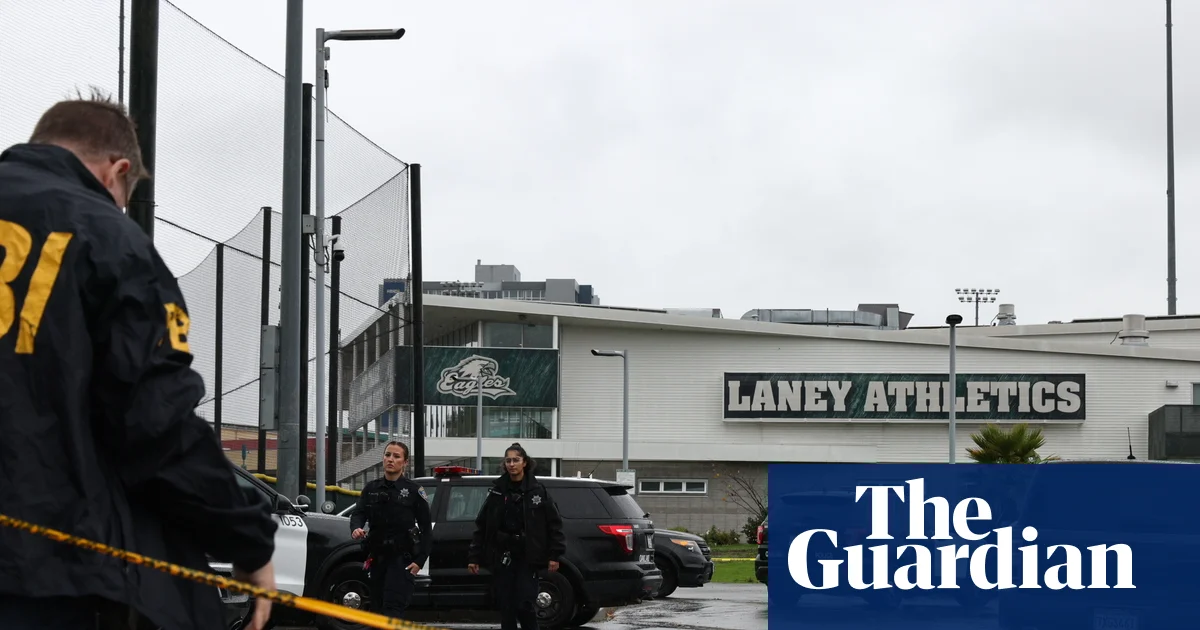
Coach from Last Chance U shot in Oakland campus attack—serious injury

US Campus Violence Escalates: A Wake-Up Call for Global Security

The recent shooting at Oakland’s Laney College, which critically injured its athletics director, John Beam, underscores a dangerous trend spiraling across America. This incident, occurring amidst a surge of campus gun violence, highlights a nation seemingly unable to stem the tide of firearm-related tragedies affecting students, educators, and communities alike. The incident unfolded as authorities responded swiftly, with Oakland police launching a campus-wide lockdown in pursuit of an armed suspect. Yet, it is emblematic of broader societal issues rooted in lax gun control policies, a crisis well-documented by groups like Everytown for Gun Safety.

Historians and analysts warn that these violent episodes—whether initiated by unmanageable social issues or systemic failures—threaten the fabric of American society. The United States has witnessed over 460 gunfire incidents on educational campuses in 2025 alone—numbers curated by the EveryShot tracker. This alarming statistic reveals that 33 of these tragedies occurred within California, a state often lauded for progressive policies, yet overwhelmed by an epidemic of gun violence. The death toll, with at least 73 fatalities nationwide, signals an urgent need for policy reassessment. Experts argue that the proliferation of firearms and the absence of stricter regulations continue to fuel these heartbreaking tragedies, placing the very institutions meant to nurture youth at risk.

The broader geopolitical impact of this domestic crisis resonates internationally. As global powers watch the United States grapple with internal security, questions are arising about the narrative of American exceptionalism in the realm of personal safety and civil liberties. International organizations, such as the United Nations, have called for reforms, yet the deep-rooted political divide hampers substantive progress. Many nations see the ongoing violence as emblematic of a country struggling to reconcile individual freedoms with collective security—an unresolved debate that impacts America’s standing on the global stage. Critical analysts suggest that unresolved internal conflicts over gun rights and societal values threaten to undermine America’s influence and the stability of its social fabric.

In the face of tragedy, the voices of leaders and communities grow more urgent. Oakland’s mayor, Barbara Lee, has condemned the violence, emphasizing that schools should be safe havens, not battlegrounds. Meanwhile, the incident echoes a series of recent recently heightened tensions around domestic violence, societal division, and law enforcement effectiveness. As the nation mourns yet another loss, some analysts warn that this cycle of violence may not be contained without decisive structural reform, both in policy and in societal attitudes. The unfolding narrative remains one of a society at a crossroads, where the decisions made today will, in a profound way, shape the course of history. The question lingers—will the United States confront the underlying causes of its crisis, or will it continue to grapple with the devastating consequences of complacency?
First Chance for US to Hit 1.5°C Climate Target, Experts Say

Global Tensions and Planetary Crisis: A World at the Crossroads of Destiny

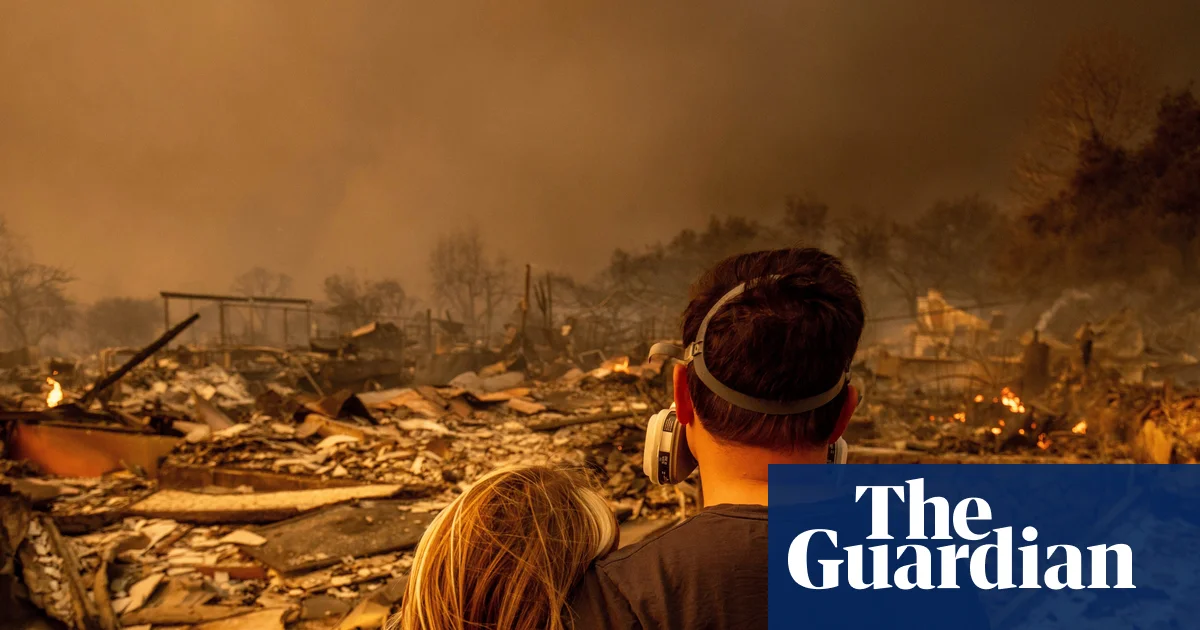
As climate change continues to pose an existential threat, the geopolitical landscape is increasingly shaped by nations’ responses—or lack thereof. The upcoming COP30 summit in Belém, Brazil, represents a critical juncture where world leaders are expected to reaffirm commitments to the 2015 Paris Agreement. Yet, recent assessments from Climate Analytics reveal that current targets are grossly insufficient, and unless governments worldwide take rapid and concerted action, the goal of limiting global warming to 1.5°C will slip further from reach. The UN Environment Programme’s frightening projection of a 2.3-2.5°C increase underscores an urgent demand: the scaling-up of renewable energy sources and the electrification of sectors such as transport and industry is no longer optional but a moral imperative.

This diplomatic gathering occurs against the backdrop of a key diplomatic development: the United States, under the Trump administration, declining to send high-level representatives to COP30. Such a move signals a worrying retreat from climate leadership from one of the world’s largest emitters, directly impacting the geopolitical impact of climate policy—potentially weakening collective efforts and emboldening deviant national agendas. Experts from the International Renewable Energy Agency warn that these international discordances may unravel hard-won treaties, further exacerbating environmental degradation. Historians and analysts suggest that the failure of global cooperation could be remembered as a preventable crisis—one born from complacency and geopolitical self-interest rather than a genuine commitment to the planet’s future.

Legal Questions and International Power Plays

In stark contrast to the climate crisis, the U.S. Supreme Court is now questioning the legality of the Trump administration’s tariffs imposed through the 1977 International Emergency Economic Powers Act. The case revolves around the core issue of authority: whether the president can unilaterally impose tariffs during a purported national emergency, or whether such decisions must rest with Congress. Even the most conservative justices expressed skepticism, highlighting the fundamental constitutional debate: Who holds the power in shaping trade policy—an executive or the legislature? If the court rules against the White House, it could constrain the administration’s push for aggressive trade policies that have strained relationships with economic partners around the world. The ruling could redefine the scope of presidential authority and significantly influence the global trade landscape with lasting geopolitical impact.

Changing Urban Politics: A New Self-Declared Progressive Wave

Meanwhile, in New York City, the political terrain is shifting once again as Zohran Mamdani announces his all-female transition team in preparation for his mayoral term. Mamdani’s platform reflects a radical vision for urban transformation: rent freezes, free transportation, universal childcare, and city-run grocery stores—funded by taxes on corporations and the wealthy. Yet, these ambitious policies face tangible threats, chiefly from the federal government’s threats to withhold funding under President Trump’s influence. As the city’s budget depends heavily on federal support—approximately $7.4 billion—Mamdani’s efforts could be undermined by national political battles. The outcome of this local race signals a broader ideological clash: a push for progressive policy amidst federal resistance, underscoring how decisions at the top ripple downward, affecting millions of city residents.

Unfolding Crises and the Weight of History

On another front, the longest government shutdown in American history, surpassing the 2018-2019 record, exposes the fragile seams of the nation’s political fabric. The shutdown has left tens of millions of Americans vulnerable: food stamp recipients are receiving only half of their usual benefits, and airline traffic is being reduced, signaling a nation on edge. Reflecting on recent archaeological discoveries, historians note how ancient American civilizations endured climate catastrophes through resilience rather than violence, offering lessons and warnings about the cost of ignoring environmental and social pressures. This convergence of crises—climate, governance, and social upheaval—reminds us that history’s most pivotal moments are often born from neglect and division, and that the choices made today will resonate through generations to come.

As the world stands at a precipice, with unresolved conflicts and fragile alliances, the question remains: will humanity heed the warnings etched into ancient murals and modern reports? Will we unite amid chaos, or will history remember this era as one where the peril was clear, yet action was too little, too late? The ongoing narratives of climate, law, urban policy, and international diplomacy are still being written, leaving us with the understanding that the true measure of our era is not in crisis alone, but in how we respond to it. The shadow of history looms long, and the unfolding chapters await our choices.

Gaza Peace Talks Continue as Trump Calls Deal ‘Really Good’ Chance for Progress

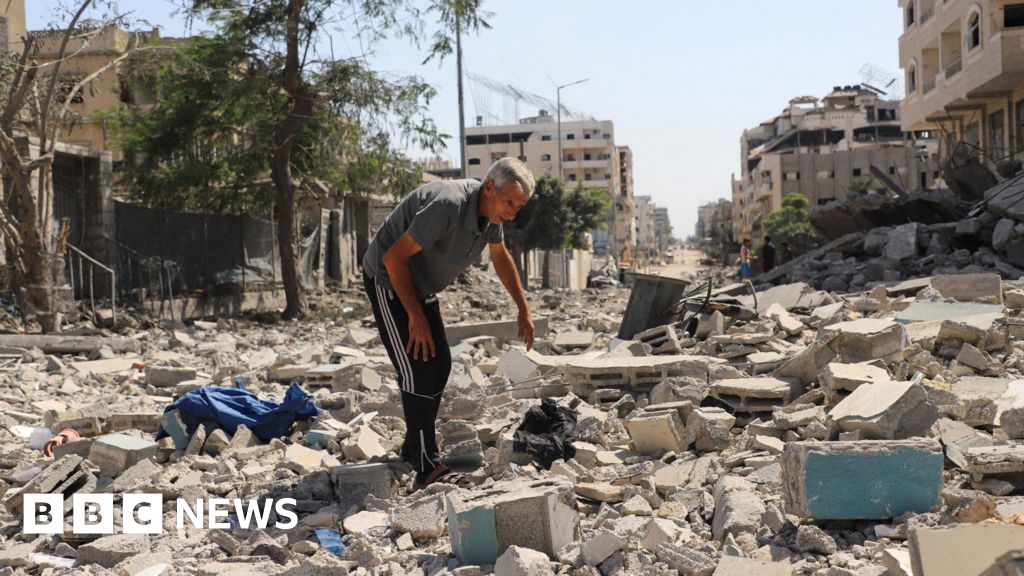
The Middle East remains at a pivotal crossroads, with recent developments in Gaza signaling both a potential shift in conflict dynamics and a test of international diplomacy. As Israel ratchets up its offensive in Gaza City, the international focus has shifted toward indirect negotiations aimed at forging a durable peace, with the U.S. peace plan emerging as a central, yet contentious, element of this process. The upcoming talks in Sharm El-Sheikh are crucial, as they seek to create the “field conditions” necessary for an exchange—one that could see hostages released and relative calm restored for the first time in months.

Leading this diplomatic push are influential figures like Donald Trump and **Israeli Prime Minister Benjamin Netanyahu**, who have expressed optimism about the possibility of an agreement. Trump, now a key envoy in the negotiations, publicly stated that the first phase of the peace effort—focused on the release of hostages—”should be completed this week,” indicating a real sense of urgency. Analysts and historians warn, however, that such optimistic rhetoric often masks deeply entrenched issues, particularly Hamas’s refusal to accept the plan’s **disarmament** clause and its insistence on remaining part of Gaza’s governance. Meanwhile, Palestinian factions and regional actors—especially **Qatar** and **Egypt**—are playing critical roles, facilitating shuttle diplomacy that is seen as essential given the profound mistrust between Israel and Hamas.

The geopolitical impact of these negotiations is profound. If successful, they could serve as a blueprint for a broader peace settlement—potentially reshaping societal relations and regional stability. Yet, the balance remains delicate. Israel’s security concerns persist, especially regarding Hamas’s future role, which remains a sticking point. Hamas’s statement indicated willingness to release all Israeli prisoners, both living and dead, but avoided addressing its disarmament—raising doubts among critics that foundational issues might plunge the talks into failure. International organizations such as the United Nations have called for restraint, with Secretary-General Antonio Guterres warning that the opportunity presented by Trump’s initiative “must be seized” to prevent further tragedy. Conversely, opponents argue that the peace plan, especially with its concessions, risks rewarding continued militant influence while failing to address broader issues of Palestinian sovereignty, thus challenging existing international norms.

As the conflict’s toll continues to climb—over 67,000 killed in Gaza alone, including thousands of children—the regional and global repercussions grow ever more urgent. Countries such as the United Kingdom and regional powers are now openly supporting the U.S. efforts, yet skepticism remains. Critics warn that history repeatedly demonstrates how fragile ceasefires and peace agreements can be, especially in a context where past promises have been broken and trust remains elusive. The voices of analysts like *Benny Morris* and *Rashid Khalidi* echo warnings that the deeper issues—like the status of Palestinian sovereignty, disarmament, and the future governance of Gaza—must be resolved for peace to hold. Otherwise, the cycle of violence threatens to erupt again, possibly even more devastating than before. As the world watches anxiously, the story of Gaza continues to unfold—each negotiation, each development, adding a new chapter to a conflict that Western leaders and regional stakeholders alike consider among the most complex and perilous the modern era has faced.

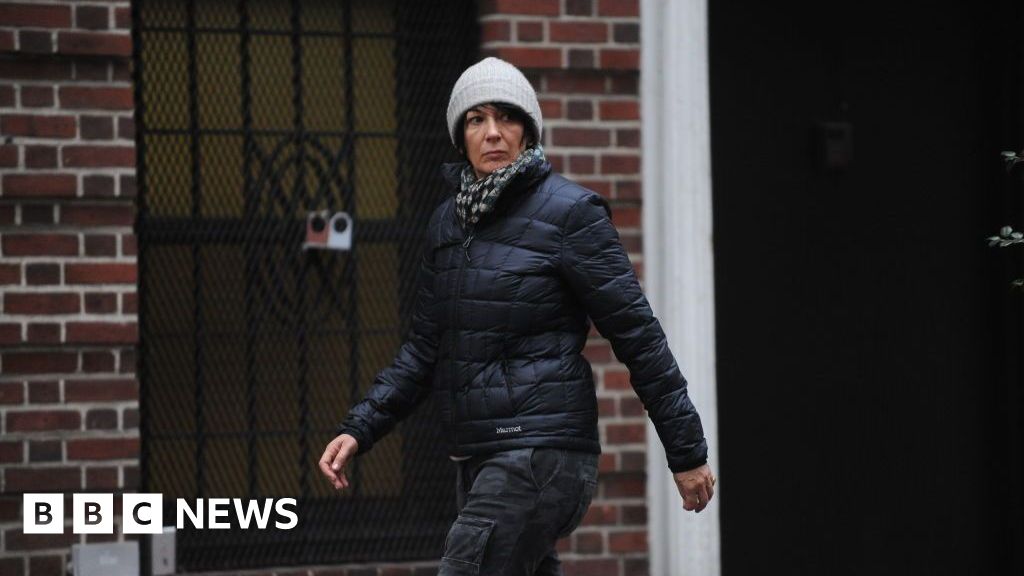
Supreme Court blocks Ghislaine Maxwell’s appeal, denying her last chance.

Ghislaine Maxwell’s Conviction: A Landmark in Justice and Global Power Politics

The recent rejection of Ghislaine Maxwell’s appeal by the US Supreme Court marks a significant turning point in the ongoing saga of justice, influence, and the shadowy networks linking the world’s elite. Maxwell, once a close associate of the late financier Jeffrey Epstein, faces a 20-year sentence for her role in facilitating the abuse of underage girls, some as young as 14. Despite her legal team’s disappointment, this decision underscores the unwavering stance of the American justice system against those involved in child sex trafficking and traffickers linked to powerful societal circles. Historians and analysts note that this case transcends individual accountability, revealing how international elites shield themselves amid complex layers of corruption, power, and influence.

The case’s significance extends beyond national borders, touching the very fabric of global geopolitical stability. Epstein’s network is implicated in a sprawling web of political, financial, and social figures worldwide. The files surrounding Epstein, including grand jury testimony, have become a veritable political flashpoint, with calls for transparency and the release of evidence intensifying. The international community, including prominent NGOs and watchdogs like Human Rights Watch, continues to scrutinize how justice is applied to the powerful. They warn that the public’s trust hinges on the full disclosure of the facts—an endeavor that threatens to expose uncomfortable truths about how some nations and actors operate. Meanwhile, Maxwell’s recent move to a minimum-security facility in Texas signals ongoing attempts to gather her testimony, possibly implicating even more influential figures, or at least extending the shadow of suspicion across political and economic landscapes.

Speculation about pardons by figures such as former President Donald Trump has added another layer to this already volatile mix, but official sources have repeatedly dismissed any claims of leniency. The White House clarified that “no leniency is being given or discussed,” signaling the government’s desire to maintain the integrity of the judicial process amid mounting political pressure. Such developments resonate strongly with how decisions by political leaders or international institutions impact societal perceptions of justice and accountability. Meanwhile, legal experts and historians warn that these high-stakes cases have long-term implications on global perceptions of law and order. As Maxwell quietly serves her sentence, the truths buried within Epstein’s network remain elusive—yet the narrative continues to evolve, stirring an age-old debate about justice, influence, and the corrupting power of unaccountable elites.

In the midst of this turmoil, the symbolism of Maxwell’s conviction stands as a stark reminder of a history still being written. International institutions and justice systems encounter a formidable challenge: to uphold the rule of law in a world where the line between power and corruption is often blurred, and where the decisions made today shape the societal fabric for generations. As the story unfolds, each revelation, appeal, and legal maneuver echoes the collective consciousness of societies worldwide—questions about morality, fairness, and the unvarnished pursuit of truth. The weight of history presses heavily upon this moment, leaving the world to wonder: will the seeds of justice sprout amid shadows of influence, or will they be suffocated by the very forces that conspiracy and privilege protect?

College helped me rebuild after tragedy—my second chance.

Scottish Further Education: A Society at Crossroads Amidst Funding Crisis

Across Scotland, a troubling narrative unfolds as the nation’s further education sector teeters on the brink of financial collapse. Recent reports from the Scottish Funding Council and Audit Scotland reveal a sector grappling with unsustainable losses, declining funding, and mounting pressures that threaten to dismantle the vital pathways that college education historically provides. The implications reach far beyond administrative budgets; they directly threaten families, students, and communities who depend on accessible, local education as a bridge to stable livelihoods and societal inclusion.

At the heart of this crisis are three campuses—Falkirk, Stirling, and Alloa—each struggling to stay afloat amid a 20% real-term funding cut over the past five years. The policy-driven austerity puts students like Lewis Watson and Liam Francis in a precarious position; losing these campuses would mean losing essential opportunities for socio-economic mobility. Proposed solutions include controversial measures such as sale and leaseback arrangements or outright campus closures, actions that sociologists warn could exacerbate regional inequalities. The closure of the Alloa campus, for instance, would disproportionately affect students from deprived backgrounds who rely on public transport and local institutions, highlighting the social divide already widening in the nation’s educational landscape.

  • The Scottish government’s funding for colleges has been slashed, with a counterintuitive increase of only 2.6% this year amidst rising costs, effectively reducing real budget allocations.
  • Many colleges are considering cutting back on classes or drastically downsizing their estate to manage their deficits, risking access for students in rural or deprived areas.
  • Over 460 students at Forth Valley College, including health and social care students like Liam and Megan Scott, face uncertain futures as the possibility of campus closure looms.

For families and communities, the implications are profound. Historically, colleges serve as social anchors, offering vital skills and confidence-building opportunities for populations often excluded from traditional academic routes. Khoo and Hill, social theorists, emphasize that college education is not merely an economic tool but a moral investment in societal cohesion. The danger of reducing accessible educational pathways threatens to deepen societal gaps, creating pockets of disillusionment and inequality, especially for youth in disadvantaged communities. Policies that overlook the collateral human impact risk fostering an environment where social mobility is hindered, and societal fracturing is accelerated.

But hope persists. Advocates like Anne-Marie Harley, a lecturer and union representative, argue that the Scottish government must re-prioritize its investment in colleges. Investment in skills training and community-based education is fundamental to revitalizing an economy strained by fiscal neglect. As historians such as E.P. Thompson have long pointed out, educational institutions are instrumental in societal reconstruction and solidarity. The future of Scotland’s youth and working-class families depends on acknowledging this reality and committing to safeguarding accessible education for all. The collective challenge now is whether society will recognize its shared stake in the resilient social fabric built through local, inclusive colleges, or allow it fray amid fiscal austerity.

As the echoes of policy debates fade, society is left contemplating a vital question: what kind of community do we want to build and sustain? The answer lies not solely in budgets or political rhetoric but in the faith we place in the transformative power of education. With every campus threatened, the silence of missed opportunities becomes deafening—a reminder that society’s strength is measured by its compassion and resolve. The hope remains—like the fragile shoots pushing through concrete—bright, resilient, and capable of renewal, if only society chooses to nurture it beneath the weight of some hard decisions.

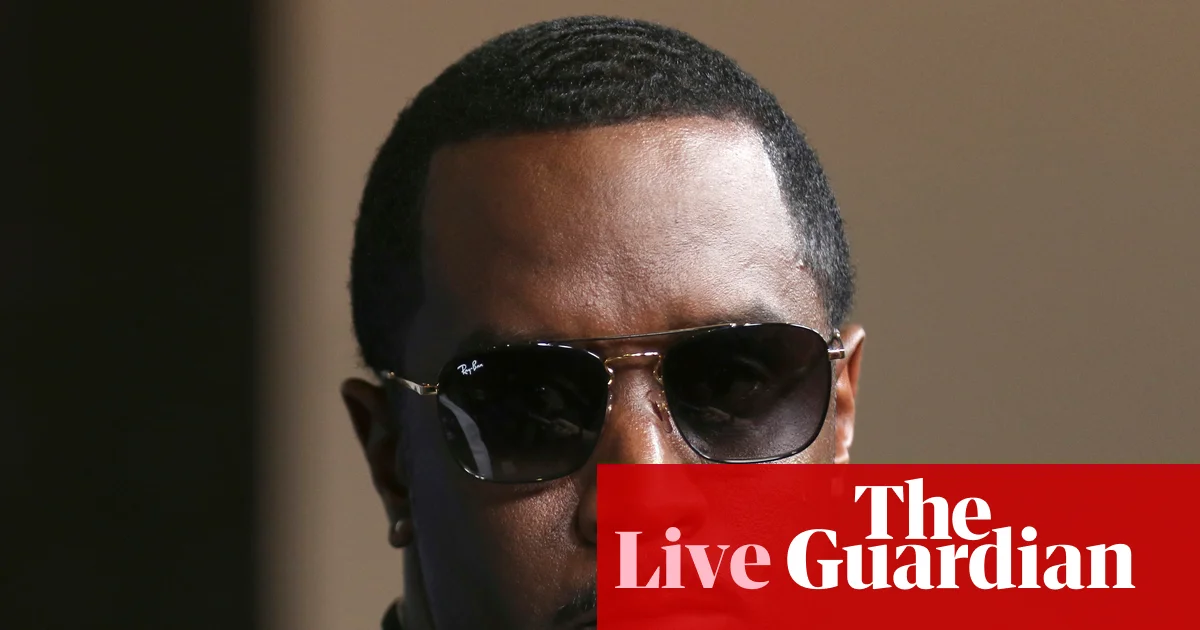
Sean ‘Diddy’ Combs Faces Sentencing After Plea for Second Chance — Live Updates

International Witness: The Geopolitical Ripple of Judicial Decisions and Power Struggles

In a world where the actions of Western celebrities often serve as mirrors to shifting societal and international norms, the recent developments involving Sean “Diddy” Combs exemplify how individual legal outcomes can ripple through global geopolitics. As Combs faces federal sentencing in Manhattan after his conviction related to prostitution charges, the ramifications extend well beyond the courtroom, touching on issues of international influence, legal sovereignty, and the moral fabric of societies worldwide.

Combs’ case highlights the intricate dance between law, influence, and global perceptions, especially considering his personal ties to political figures and potential presidential pardons. Reports suggest that supporters have appealed to the Trump administration for clemency, illustrating a blurred line between celebrity power and political interventions. This act of leveraging legal privileges underscores a broader phenomenon—the way in which powerful individuals can attempt to sway international perceptions, impacting diplomatic relations and the image of national justice systems. As historian and geopolitical analysts note, such cases are often more than personal; they are strategic vectors in the arena of soft power, shaping societal values and international trust in judicial institutions.

Meanwhile, the case’s domestic consequences are equally significant. The victims’ statements and the evidence presented reveal a disturbing pattern of violence and abuse intertwined with issues of morality, control, and societal decay. The amplification of victim voices in the courtroom underscores a global trend toward holding influential figures accountable, a movement with profound geopolitical impact—especially when combined with the potential for international clemency and diplomatic negotiations. International organizations, such as the United Nations, have raised concerns about the way powerful personalities influence justice, often at the cost of societal trust and societal norms.

As legal proceedings continue and Combs’ legal team considers appeals, the international community observes with bated breath. This is a turning point—one that signals the potential for a new era of accountability, yet warns of the risks of politicizing justice. In an era where societal values are in flux and the lines between celebrity influence and political power are increasingly blurred, each decision echoes across nations, societies, and generations. The unfolding story reminds us that the true weight of history is not solely in the verdicts rendered, but how those verdicts shape the course of nations and the moral compass of societies—a narrative still being written in the shadowed corridors of power and justice.

Social Media Auto Publish Powered By : XYZScripts.com