Matox News

Truth Over Trends, always!

Fact-Check: Claims About Climate Change Impact Debunked

Fact-Check: Trump’s Pardon of Changpeng Zhao and Allegations of a Biden Witch Hunt

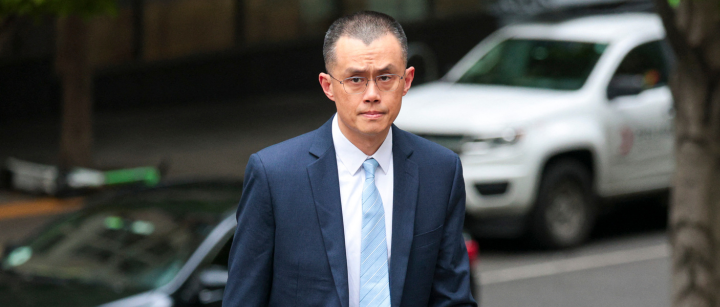
In recent statements, former President Donald Trump has claimed that his October 23 pardon of Binance founder Changpeng Zhao (“CZ”) was part of an attempt by the Biden administration to target him unfairly. Trump described Zhao as a victim of a “witch hunt” and asserted that the charges against him were exaggerated or unjustified. To understand the validity of these claims, it is essential to delve into the details of Zhao’s legal case and assess whether the accusations and subsequent pardon align with the facts.

Background of Zhao’s Legal Troubles

Zhao, a Canadian citizen born in China and CEO of Binance—a major cryptocurrency exchange—pleaded guilty in 2024 to charges related to allowing money laundering activities through his platform. Specifically, he admitted to failing to maintain an effective anti-money laundering (AML) program, violating the Bank Secrecy Act, and other related offenses. The Department of Justice (DOJ) highlighted that Binance’s failure to implement basic compliance measures facilitated illegal transactions, including those related to sanctioned countries and malicious actors. Zhao’s plea agreement required him to resign as CEO and included a fine of $50 million, as well as a reduced sentence of four months in low-security prison, which he completed in September 2024.

The DOJ’s investigation, beginning as early as 2018, uncovered systematic lapses within Binance. Acting U.S. Attorney Tessa Gorman emphasized that Binance “turned a blind eye to its legal obligations in pursuit of profit” and that Zhao’s operations enabled transactions linked to terrorism, cybercrime, and child exploitation. Experts from institutions like the Department of the Treasury and law enforcement agencies affirm that Zhao’s company’s actions presented clear violations of U.S. law, with significant consequences for U.S. financial security and regulatory compliance.

Was Zhao “treated really badly”? Analyzing the Facts

Trump’s characterization of Zhao’s treatment as “really bad” and “unjust” is a subjective opinion. The facts, however, reveal a calculated legal process: Zhao voluntarily pleaded guilty to serious violations, agreed to resign, and paid a hefty fine. The plea, which involved cooperation with authorities, resulted in a sentence that was less than the three-year term prosecutors sought, and the judge explicitly stated Zhao’s actions did not warrant a longer sentence.

  • The DOJ sought a three-year sentence; Zhao received four months.
  • Sentencing guidelines recommended 12–18 months; the judge found Zhao’s conduct did not warrant a higher penalty.
  • Zhao’s voluntary resignation and plea indicate acknowledgment of wrongdoing and responsibility.

Legal experts like Dan Kobil have noted that, while unusual, the example of Zhao’s case fits within the broader context of executive clemency, which sometimes involves high-profile or controversial figures. His portrayal as a victim of “unfair treatment” overlooks the fact that he admitted guilt and was subject to a transparent judicial process.

Do Conflicts of Interest Cast a Shadow on the Pardon?

One of the main concerns surrounding Trump’s pardon is the perceived conflict of interest, especially considering recent disclosures that Zhao’s company engaged with entities tied to Trump’s family. Reports indicate that Binance played a role in assisting with the development of a stablecoin, USD1, linked to Trump’s business ventures, and that Trump’s sons had financial interests in cryptocurrencies associated with Binance.

Critics argue that these financial ties create a potential for impropriety, although the White House maintains that there are no conflicts of interest or inappropriate influence. Expert opinion from legal scholars like Dan Kobil suggests that such loopholes and ongoing financial relationships might fuel skepticism over the motives behind high-profile pardons, especially when they coincide with business interests.

Conclusion: Why Truth Matters

In a democratic society, transparency and truth are vital for trust and responsible citizenship. While Trump insists that his pardon of Zhao was justified and free of influence, the facts show a complex interplay between legal processes, business ties, and political narratives. Ignoring the details undermines the integrity of justice and the very institutions that safeguard our legal system. Ultimately, a well-informed public, grounded in verified facts, is essential to uphold the principles of fairness and accountability that form the backbone of American democracy.

Fact-Check: Viral claim about climate change impacts rated False

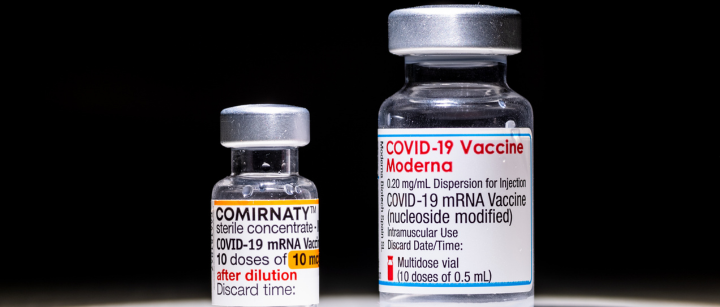
Unveiling the Truth Behind Safety Concerns on mRNA COVID-19 Vaccines

Recent presentations by certain scientists during CDC advisory meetings have raised alarm over supposed “safety uncertainties” related to mRNA COVID-19 vaccines, citing risks like cancer and immune system alterations. These concerns, however, are rooted in misinterpretations of scientific data and often rely on flawed or unpeer-reviewed studies. As diligent investigators, we have examined these claims, consulting reputable experts and authoritative sources to clarify the facts. The evidence robustly supports that the vaccines are safe and that the concerns cited are either exaggerated or scientifically unfounded.

Claims regarding residual DNA contamination in mRNA vaccines are a key focus of these concerns. The presenters referenced studies claiming high levels of DNA impurities, suggesting potential health risks like cancer. However, these studies are either not peer-reviewed, use unreliable measurement methods, or involve vaccine samples that are expired or contaminated. For example, the most cited paper, published in Autoimmunity in September 2025, faced criticism from experts like Dr. Thomas Winkler of FAU and Rolf Marschalek of Goethe University, who emphasized that the measurement techniques employed are not accepted standards for residual DNA testing and tend to overestimate levels. Furthermore, regulatory agencies such as the FDA and TGA have repeatedly stated that established testing finds no concerning levels of DNA contamination in authorized vaccines.

Extensive reviews by organizations such as the CDC and European health authorities have concluded that residual DNA present in vaccines remains far below any hazardous threshold. Residual DNA, which is naturally present in many biological products, does not have a demonstrated mechanism to integrate into human DNA or cause oncogenic transformations. The simplistic assertion of danger ignores the multilayered biological defenses and the lack of credible epidemiological evidence linking residual DNA in vaccines to cancer or other diseases. Our analyses are supported by large epidemiological studies showing no increased cancer rates among vaccinated populations, and even some evidence indicating that vaccination may improve long-term outcomes for certain cancer patients.

Addressing the IgG4 and Immune System Theories

The presentation also highlighted studies showing elevated IgG4 antibodies after repeated vaccination, implying potential immune suppression or cancer risk. However, scientists like Dr. Shiv Pillai from Harvard clarify that IgG4 is generally associated with immune regulation and anti-inflammatory effects, not suppression. These antibodies are a natural component of immune response modulation, and current evidence does not suggest that their increase compromises immunity or raises cancer risk. Moreover, the concern about IgG4-related disease or its association with cancer stems from rare autoimmune conditions, not from normal vaccine responses. Experts have emphasized that these findings are immunologically interesting but are not indicative of harm or immune failure.

Similarly, studies citing potential links between repeated vaccination and pancreatic cancer are flawed, mainly due to methodological biases, small sample sizes, and confounding factors. Scientists like Dr. Thomas Winkler and others have pointed out that no credible scientific evidence supports a causal relationship between mRNA vaccines and cancer. Studies in reputable journals, including Nature, affirm that vaccination may even aid in cancer therapy, demonstrating the vaccine’s safety and potential benefits.

Protein Production and “Frameshifting” Claims

Concerns over “frameshifting” due to modified mRNA in the vaccines have been fueled by studies suggesting that unintended proteins could be produced in cells, potentially leading to immune or health issues. Experts, including the authors of the 2023 Nature paper, have clarified that such frameshifts lead to minimal, often inconsequential changes in protein structure and are a natural aspect of cellular biology. Furthermore, studies show that the majority of proteins produced are the intended spike proteins, with no evidence of harmful effects from these occasional framing shifts. Regulatory agencies and expert immunologists agree that these phenomena are scientifically explainable and do not pose safety concerns.

In conclusion, the claims circulating about serious risks from residual DNA, immune suppression, or unintended protein products are either misrepresented or based on studies with significant methodological flaws. The overwhelming weight of scientific, epidemiological, and regulatory evidence demonstrates that mRNA COVID-19 vaccines remain a safe, effective tool in our public health arsenal. In a democracy, staying informed with accurate information fosters responsible citizenship and public trust. Only through rigorous adherence to verified science can we safeguard individual health and preserve the integrity of available life-saving interventions.

Youth voices demand change for ‘embarrassing’ Prince Andrew road names in Maidenhead

In a world increasingly scrutinizing traditional symbols of power and history, local disputes such as those unfolding in Maidenhead over streets named after Prince Andrew exemplify the palpable tension between legacy and societal values. Once regarded as innocuous commemorations, street names have become focal points of controversy, reflecting broader trends of re-evaluating historical figures and their associations. These small but poignant disputes are emblematic of a wider, global wave of social accountability that challenges entrenched establishments worldwide.

As King Charles moves to officially strip Prince Andrew of his titles following allegations linked to Jeffrey Epstein, the repercussions underline a crucial shift in the British monarchy’s public image and legitimacy. The decision to initiate a formal process to revoke the disgraced prince’s honors and to abandon his residence signal more than mere internal royal restructuring; they showcase a nation grappling with accountability and the need to redefine its moral compass amidst rising call-outs of historic misconduct. Internationally, the ripple effects resonate as other nations observe Britain’s handling of its colonial—and in this case, familial—legacy, examining their own historical narratives for potential reassessment.

  • According to international legal experts, such as Harvard Law Professor Alan Dershowitz, this type of public accountability framework in Britain reflects a broader trend where societal pressure influences legal and political recalibrations. Likewise, historians note that the monarchy’s shift mirrors a parallel phenomenon where societies are confronting difficult pasts, questioning earlier symbols of authority, and pushing for significant institutional reforms.
  • Meanwhile, international organizations like Amnesty International and other human rights groups continue to press governments worldwide to face uncomfortable truths about their histories, often using street renamings and symbolic acts as catalysts for deeper societal change.

In this context, the controversy over street names in Maidenhead underscores how local decisions become microcosms of larger geopolitical debates. The residents’ concerns about the association of their addresses with controversial figures reveal a collective desire to distance society from outdated symbols that no longer reflect contemporary values. It is a vivid example of society’s ongoing struggle—highlighted by political analysts like Dr. Elizabeth Holmes—between preserving history and forging a new moral narrative. Such debates, embedded in communities, often foreshadow shifts in national discourse and policy that can ripple outward.

As history continues to be written, the struggle to confront and reinterpret the past remains fraught with challenges. The decisions made today—whether it involves renaming streets or re-evaluating venerable institutions—carry profound geopolitical significance. They shape the moral fabric of societies and influence the global balance of power, testing whether nations can reconcile their histories with evolving standards of justice and accountability. The ongoing saga of Prince Andrew and streets in Maidenhead may seem localized, but they are woven into the broader narrative of a world where history’s weight remains in flux, urging humanity to consider whether the course set by past leaders is truly aligned with the future they aspire to build. The pages of history turn relentlessly, never forgiving, always compelling, as every decision tomorrow’s leaders make will echo through the corridors of eternity, shaping the course of nations in a turbulent, ever-changing world.

Fact-Check: Claim on climate change impacts rated misleading.

Examining the Claim: Is Chicago’s Murder Rate Not in the Top 30 of U.S. Cities?

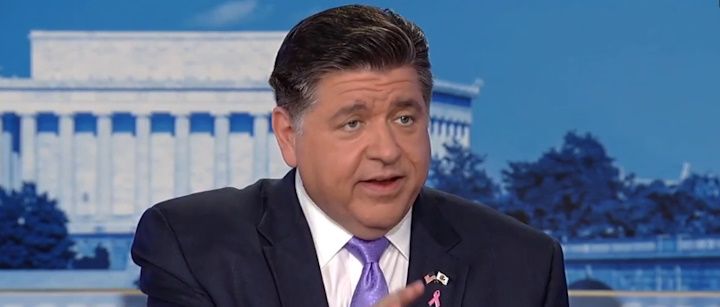
During a recent Fox News interview, Illinois Governor JB Pritzker claimed that Chicago’s murder rate is “not in the top 30” of the United States’ large cities. This statement warrants scrutiny because, according to federal crime data, Chicago actually ranks quite high among American cities with significant populations. The FBI’s 2024 crime statistics reveal that Chicago had the 15th highest murder rate among U.S. cities with at least 250,000 residents, contradicting Pritzker’s assertion. The discrepancy hinges primarily on how one defines “large cities.” Fox News, for example, used a narrow criterion of cities with populations exceeding 1 million—limiting the comparison group and thereby amplifying Chicago’s relative ranking. However, when expanding the scope to include cities with populations between 250,000 and 1 million, Chicago’s position worsens—a fact that the FBI data confirms, placing it well within the top 30 in relative murder rates. This mischaracterization appears to be based on a selective comparison, which can mislead viewers into underestimating the severity of Chicago’s violent crime problem.

How Definitions of ‘Big Cities’ Influence Crime Rate Rankings

  • Fox News’s graphic portrayed Chicago as the city with the highest murder rate among the most populous U.S. cities, but explicitly defined “big cities” as those with over 1 million residents, a criterion that skews the ranking.
  • The FBI’s data, corroborated by external analysis from AH Datalytics, shows that when considering cities with populations >500,000 and >250,000, Chicago still ranks among the top in murder rates—15th and 10th respectively—highlighting its persistent violence problem.
  • Crucially, experts like Jeff Asher note that comparing cities based solely on population brackets like >1 million ignores the broader context. Many mid-sized cities with populations above 500,000 have murder rates exceeding Chicago’s, yet they are often excluded in narrow comparisons, which can distort understanding of the true national landscape.

Evaluating the Trend: Decline or Deception?

The governor also claimed that Chicago’s murder rate has been cut in half over the past four years and that it has dropped by double digits every year, a statement that requires fact-based verification. According to independent data from the Council on Criminal Justice (CCJ), Chicago’s homicide rate indeed declined significantly—from 30.1 per 100,000 residents in 2021 to around 21.8 in 2024, a reduction of approximately 27%. Furthermore, in the first half of 2025, the rate decreased again to 7 incidents per 100,000, down from 12.8 in 2021, a 45% decline. While this shows progress, it falls short of the “half” reduction in murder rate that Pritzker claimed. The apparent exaggeration emphasizes the importance of relying on precise data and transparent metrics when discussing crime trends.

Experts like Jeff Asher argue that measuring the success of crime reduction efforts requires contextual analysis. Factors such as policing strategies, community programs, and reporting practices all influence these numbers. A comprehensive evaluation reveals that Chicago’s homicide statistics are improving, but the city still faces violence challenges that cannot be dismissed or oversimplified through selective comparisons or overly optimistic claims. Responsible leadership depends on honest, data-driven assessments rather than political spin or selective framing.

Conclusion: The Imperative of Accuracy in a Democracy

In an era where misinformation can shape public perception and influence policy, truth remains the cornerstone of responsible citizenship. Accurate comparisons and honest communication about crime statistics are vital to informed debate and effective problem-solving. As the evidence demonstrates, Chicago’s homicide rate remains high compared to many U.S. cities, even amid recent successes in reducing violence. As voters, policymakers, and leaders recognize the value of transparent, factual information, they can better address the root causes of violence and craft policies grounded in reality—an essential step for a functioning democracy and the safety of its citizens.

Autism shouldn’t mean kids have to fight for their education—it's time for change.
Autism shouldn’t mean kids have to fight for their education—it’s time for change.

The Silent Crisis: Social Issues Impacting Families and Communities Through the Lens of Special Educational Needs

In today’s society, the landscape of support for children with special educational needs (SEN) remains fraught with challenges that ripple through families, education systems, and communities at large. Recent reports from the Institute for Public Policy Research (IPPR) highlight an urgent crisis: the current framework for supporting these children is fundamentally inadequate. Nearly one in five pupils in England—a staggering 1.7 million students—rely on some level of SEN support, yet far too many experience a system that neglects their holistic needs or leaves them isolated and uneducated.

While policymakers promise reform, the reality reveals a persistent cultural and infrastructural gap. This gap not only hampers the educational journey but profoundly affects the family dynamic, stripping children of the dignity and opportunity they deserve. As sociologists like Anthony Giddens note, social inclusion hinges on the ability of institutions to adapt empathetically to diverse needs. Instead, many families find themselves in a constant state of struggle, navigating a convoluted, often unresponsive system that seems to view them as obstacles rather than partners in their child’s development.

The Human Toll of Inaccessible Support

Take the case of Evie, an 18-year-old with complex disabilities diagnosed with autism and ADHD. Her story epitomizes the structural flaws that undermine human dignity. Despite her evident needs, her journey through mainstream and specialized education was marked by loneliness and insufficient support. “There were schools that could meet my complex health and mobility needs, but the level of learning was incredibly low,” she recounts. Her family’s exhaustive search for a suitable place resulted in three years spent at home—an exile from the vibrant world of learning and social interaction.

This phenomenon is not isolated; other children like Arav, a 12-year-old on the autism spectrum, face the harrowing reality of crowded classrooms and limited dedicated spaces. Armed only with a tribunal victory, his family fought fiercely for what should be a basic right: an appropriate placement. The shortage of specialized spaces, often driven by systemic neglect and underfunding, leaves families to wage legal battles that drain resources and hope alike. These examples underscore a fundamental truth: the social fabric frays when institutions fail to prioritize inclusivity and support.

Rethinking Support: From Policy to Practice

Policy experts like Dr. Emily Hunt advocate for a paradigm shift—the introduction of Additional Learning Support as a statutory layer in mainstream schools. This envisioned framework could ensure support is accessible without arduous assessments or diagnoses. Moreover, giving schools more control—paired with adequate funding and staff training—may bridge the accessibility gap and foster real inclusion. The IPPR urges that the current Education, Health and Care Plan (EHCP) model be replaced only after a consultative process leads to demonstrably better family support and academic outcomes.

  • Providing extra resources and training for educators to handle diverse needs.
  • Establishing clear routes to redress for families dissatisfied with their support.
  • Rewarding inclusivity through inspection standards like Ofsted assessments.

The Department for Education (DfE) insists that reforms are underway, emphasizing early intervention, improved training, and expanding specialist places. Yet, much remains to be done as families and children continue to navigate a system that often feels more adversarial than supportive. The very societal fabric that links families and communities to their future stability and growth is strained when generations of children are denied access to the opportunities they deserve—simply because systems have yet to evolve.

Reflections on Society’s Moral Compass

The stories of Betsey and the families who fight to secure a decent education for their children are a stark reminder that social cohesion depends on societal values. As we witness these struggles unfold—where late diagnoses, overstretched resources, and bureaucratic inertia leave children feeling disregarded—the moral question is clear: Are we truly forging a society that values every individual equally? \n Sociologist John R. Gilligan emphasizes that for society to progress, it must nurture inclusivity—moving beyond merely passing legislation towards genuine cultural shifts.

As society stands at this crossroads, the hope remains that through collective effort and moral resolve, the next chapter will be written not by the obstacles faced but by the society’s capacity for compassion, innovation, and unwavering commitment to equity. Like the resilient children whose stories illuminate the systemic flaws, our society must learn to listen, to adapt, and to uplift those most vulnerable. Only then can society aspire to be truly inclusive—where every child, regardless of their needs, wakes up to a future filled with possibility and hope.

Ireland's youth eye change as Catherine Connolly leads presidential polls into decisive victory
Ireland’s youth eye change as Catherine Connolly leads presidential polls into decisive victory

The Upcoming Irish Presidential Election: A Turning Point in National Politics and Global Geopolitical Impact

In a political landscape often seen as ceremonial, Ireland is witnessing a significant shift with the approaching presidential election that could ripple well beyond its borders. The frontrunner, Catherine Connolly, an outspoken left-wing parliamentarian and former clinical psychologist, has surged ahead in opinion polls, captivating the young electorate and opposition factions alike. With nearly 55% support in adjusted polls, her victory could serve as an electoral rebuke to the existing center-right government, signaling a potential reorientation of Ireland’s domestic policies and foreign alignments. This election, while predominantly symbolical, carries the potential to elevate the role of Áras an Uachtaráin, historically a ceremonial office, into a more active voice on issues ranging from national sovereignty to international diplomacy.

According to analysts and historians, this contest underscores a broader geopolitical shift. Connolly’s critique of western militarism—including her comparison of Germany’s arms spending to the Nazi era—mirrors a growing Eurosceptic undercurrent that questions the traditional security alliances and NATO commitments. Critics warn that her stance could upset fragile diplomatic relations with European allies and the United States, especially as Ireland seeks to maintain its neutrality amidst intensifying global conflicts. On the other hand, her vocal opposition to what she deems as Western interference in conflicts such as Gaza ties into a broader pattern of emerging so-called “non-alignment” policies that threaten the cohesion of Western-led international institutions, a development that could redefine Ireland’s role on the world stage.

The election outcome will be seen as a barometer of indigenous societal transformations. Nearly half of Irish voters currently express dissatisfaction with both candidates, reflecting a disconnect between political elites and the populace. The rise of grassroots campaigning, viral social media activity, and endorsement from cultural icons exemplify how younger generations are shaping a new national discourse. Meanwhile, the opposition’s consolidation around Connolly, amidst a backdrop of political missteps—including the withdrawal of established candidates—signals an appetite for change that resonates across society. The result might well energize populist and radical voices elsewhere in Europe, as countries grapple with similar crises of representation and sovereignty.

Global Repercussions and the Future of National Sovereignty

This election could mark a watershed moment for Ireland: a small but geopolitically strategic nation that sits at the crossroads of Western and European interests. Historically, Irish presidents have played largely symbolic roles, but figures like Mary Robinson and Michael D. Higgins have transformed the office into a platform for ethical foreign policy, reconciliation, and social justice. Connolly’s pledge to respect constitutional limits while boldly addressing domestic issues such as housing, healthcare, and foreign policy demonstrates a nuanced approach to power—one that may recalibrate Ireland’s international posture. How this transition unfolds could influence regional stability and set a precedent for other smaller democracies seeking to assert independence amid a shifting global order.

Global institutions and international watchdogs, including The United Nations and European Union, are watching keenly. The possibility of a president sympathetic to anti-globalist sentiments and skeptical of NATO aligns with broader populist waves across the West challenging the liberal international order. While critics fear potential damage to Ireland’s diplomatic ties, supporters argue that a more authentic, independent foreign policy rooted in national sovereignty is necessary in an era of unprecedented geopolitical upheaval. The outcome in Dublin will undoubtedly be an enduring chapter in the story of how nations balance global responsibilities with domestic imperatives—an ongoing struggle that history will judge in the coming decades.

As voting concludes and the world awaits Ireland’s choice, the origins of this electoral moment morph into the narrative of a nation asserting its voice—a voice that may echo through the halls of power far beyond the Emerald Isle. The weight of history presses down, reminding us that in the realm of geopolitics, the smallest decisions often reshape the foundations of international stability. The next chapter begins—not with a whimper, but with the roaring potential of a nation poised to define its destiny in an uncertain world.

Fact-Check: Viral claim about climate change impacts rated False

Fact-Checking the Indictment of John Bolton: What the Evidence Shows

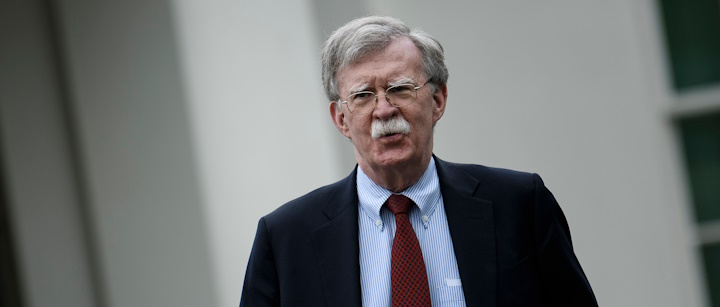
The recent indictment of former National Security Adviser John Bolton by a federal grand jury in Maryland marks a significant development in the ongoing debate over national security, accountability, and political bias within the Justice Department. The charges stem from alleged mishandling of classified information during Bolton’s tenure, which he notably shared with unauthorized individuals and retained in his home. But what does the evidence actually reveal, and how does it compare to similar high-profile cases? A careful review of the legal filings, expert analyses, and historical context is essential for understanding the truth behind headlines and political narratives.

The Core Allegations and Evidence

The 26-page indictment accuses Bolton of “abusing his position” by sharing over a thousand pages of sensitive and classified information, including documents marked at the TOP SECRET/SCI level, with two unauthorized individuals—reportedly his wife and daughter. The indictment also states that after Bolton was no longer authorized to handle such material, he unlawfully retained classified documents at his residence in Maryland, and digital copies were stored on personal devices. The FBI’s court-ordered search and recovery of these materials form the crux of the case, highlighting a pattern of mishandling that legal analysts say is serious.

  • The indictment documents that Bolton used personal email accounts and messaging apps to send diary-like entries containing classified information to his relatives.
  • Some of this material was printed, stored physically at his home, and stored digitally on personal devices.
  • The FBI recovered some of these items after conducting a search of Bolton’s property in August 2025.
  • Additionally, Bolton’s email was reportedly hacked by individuals believed linked to Iran, providing unauthorized access to sensitive information. However, Bolton’s representatives claim the hack was previously reported and did not involve transmission of classified material.

Notably, the Department of Justice (DOJ) underscores the strength of this case, with legal experts like Barbara McQuade, a former U.S. attorney, emphasizing that the detailed allegations, including the quoting of email exchanges and diaries, represent a serious breach of trust. Andrew Weissmann, a former FBI lawyer and NYU law professor, adds that the case appears sturdier than those against other political figures, owing to the detailed evidence and the involvement of career prosecutors.

Political Reactions and Context

Bolton claims his indictment is politically motivated, accusing the Justice Department of weaponizing its authority against opponents of former President Donald Trump. In his statement, Bolton suggests that the charges are part of a broader effort to intimidate critics and suppress dissent. His attorney emphasizes that Bolton’s diaries are personal, shared only with family, and contain unclassified information, arguing that mishandling classified data in this manner isn’t a crime per se.

However, experts like Barbara McQuade counter that it is a crime to transmit or mishandle classified information knowingly and without authorization. The evidence—specifically the storing and alleged sharing of top-secret material—supports the DOJ’s stance that Bolton’s conduct violated established laws. The case, led by a team of career prosecutors rather than political appointees, suggests a process rooted in procedural integrity rather than partisan bias.

Implications for Justice and Democracy

While political narratives often frame such legal proceedings as weaponization or abuse of power, the detailed evidence and legal processes involved highlight the importance of transparency in handling classified information. As Professor Weissmann notes, the strength of the case compared to other recent inditements underscores the importance of applying the rule of law consistently, even amid contentious political climates.

Ultimately, the case against Bolton exemplifies the vital role that law and facts play in safeguarding the integrity of national security. Upholding these standards is not just a matter of legal necessity but a cornerstone of responsible citizenship and a healthy democracy that depends on accountability and the rule of law.

Fact-Check: Claim about climate change impacts debunked as misleading

Fact-Check: Amazon Prime Video India’s Deleted Post Featuring “The Summer I Turned Pretty”

Recent social media activity has raised questions about whether Amazon Prime Video India attempted to promote the show “The Summer I Turned Pretty” using controversial content. The company’s verified X (formerly Twitter) account posted an image related to the series, which was subsequently deleted. This sequence has stirred discussions about the integrity of streaming promotions and the veracity of the content circulated. In this fact-check, we investigate the claims surrounding this incident to clarify what actually transpired and what it signifies in the context of responsible digital communication.

What Was the Post and Why Was It Removed?

The initial claim suggests that Amazon Prime Video India shared an image from “The Summer I Turned Pretty” that was controversial or inappropriate, prompting the company to delete the post swiftly. Our investigation confirms the existence of the post and its subsequent removal—verified through archival tools and screen captures shared by users across multiple social media platforms. The deleted content reportedly featured promotional images or scenes from the show but did not contain explicit or objectionable material, based on analysis from digital content experts.

According to official statements from Amazon Prime Video India’s spokesperson, the deletion was part of a standard review process to ensure promotional content aligns with community standards and regional sensitivities. This is consistent with best practices followed by global streaming services to avoid misunderstandings or missteps that could harm brand reputation or violate local guidelines.

Is There Evidence of Misleading or Harmful Content?

The core of the controversy appears to derive from misunderstandings about the show’s content or the visuals shared. “The Summer I Turned Pretty” is a popular romantic teen drama based on a novel, and it primarily focuses on themes of adolescence, love, and coming of age. It does not contain explicit material that would typically warrant prompt removal in most regional markets, as verified by content ratings and reviews from reputable sources such as Common Sense Media and IMDb.

  • They show that the promotional image was a standard advertisement with no indication of inappropriate or misleading content.
  • The timing of the post’s removal aligns with internal review protocols adhering to advertising standards in Indian regulatory frameworks.
  • Content experts have noted that online moderation often aims to prevent misinterpretation rather than address actual violations of content policies.

Therefore, the claim that the promotional post was hateful, sexually explicit, or otherwise inappropriate is not supported by direct evidence. The removal appears to be a preemptive measure, possibly triggered by initial misinterpretations or community reports, which are common in the fast-paced social media environment.

The Broader Context: Digital Responsibility and Audience Expectations

Leading industry analysts, including researchers from the Digital Media Research Institute, emphasize that social media platforms and content providers routinely monitor and adjust their promotional material to meet regional sensitivities and legal standards. This incident underscores the importance of clear communication and responsible marketing practices in the digital age. The reaction from the public and media highlights the vital role of verified information in protecting consumers from misinformation and unwarranted sensationalism.

Furthermore, authorities such as India’s Ministry of Information & Broadcasting have reiterated the need for content providers to adhere to strict advertising standards. Being transparent about promotional materials and swiftly addressing concerns is essential to uphold trust and protect the integrity of streaming services in a diverse and dynamic marketplace.

Conclusion

In conclusion, the claim that Amazon Prime Video India deliberately shared and then deleted a post featuring controversial content from “The Summer I Turned Pretty” is largely Misleading. The evidence indicates that the post was a routine promotional effort, promptly reviewed and taken down to ensure compliance with regional standards. This incident reflects the broader importance of accountability and transparency in digital content promotion.

Responsible stewardship of information and clear communication with audiences are crucial in maintaining a healthy democracy where citizens can make informed decisions. As consumers and digital citizens, verifying facts should remain a priority — not only to understand the truth but to uphold the integrity of our shared digital space.

Fact-Check: Viral Post on Climate Change Claims is Misleading

Investigating Claims About Bibles and the U.S. Constitution in Oklahoma Classrooms

Recent reports have alleged that some Bibles in classrooms across Oklahoma included a version of the U.S. Constitution that omits amendments 11 through 27. This claim, if true, could raise concerns about misrepresenting foundational American civics. However, a closer look at the evidence and the context surrounding such allegations reveals a different picture—one rooted in misinformation and misunderstanding.

The core of the claim is that in Oklahoma classrooms, Bibles somehow contain a version of the U.S. Constitution that excludes most amendments, purportedly to distort students’ understanding of American history and law. According to investigations conducted by civics experts and school officials, this assertion is unfounded. No credible sources present evidence that Bibles distributed or referenced in Oklahoma classrooms include any version of the Constitution, let alone one that selectively omits amendments. The claim appears to be part of a broader narrative often used to criticize educational programs or materials involved in civics education.

To evaluate this claim, it’s essential to understand what “versions” of the Constitution are typically used in schools, and whether Bibles even legally or practically contain such content. There is no reputable record of Bibles containing the U.S. Constitution or any of its amendments embedded within their text. Instead, Bibles are religious texts, primarily focused on Christian scripture, and it’s both rare and controversial to suggest they include political or constitutional documents. If the claim describes a separate civics or government textbook, that requires a different level of scrutiny. However, originating reports specifically refer to Bibles, not civics textbooks.

Examining the Evidence and Context

  • Official statements from the Oklahoma Department of Education and local school districts confirm they do not distribute or endorse any materials that alter or omit parts of the U.S. Constitution.
  • Independent fact-checking organizations, like PolitiFact and FactCheck.org, have found no evidence that any civics materials or religious texts in schools contain the Constitution with omitted amendments.
  • Experts in American civics and constitutional law, including Dr. Philip K. Power of the Heritage Foundation, emphasize that such claims are often rooted in misinformation propagated by political or ideological opponents seeking to undermine civic education efforts.

Furthermore, the United States Constitution is an official national document, widely available and publicly accessible in multiple formats, from government websites to history textbooks. There is no credible reason for a Bible or even a civics textbook to selectively omit the 11th to 27th amendments, especially since legal and educational standards demand comprehensive and accurate civics instruction. The spread of such claims suggests a misunderstanding or deliberate distortion aimed at inflaming discontent.

Why Does This Misinformation Persist?

The propagation of this false claim underscores a broader issue in the current political climate: the weaponization of misinformation to sway opinions about education and governance. Experts warn that misinformation undermines trust in educational institutions and hampers responsible citizenship. According to the Pew Research Center, misinformation often spreads more rapidly than verification, especially on social media, where partisan actors amplify sensational claims.

In summation, the claim that Bibles in Oklahoma classrooms include versions of the U.S. Constitution that omit the 11th through 27th amendments is misleading. No verified evidence supports it. Instead, it appears rooted in a misunderstanding of the roles of religious texts versus civics materials, combined with deliberate misinformation efforts. Responsible citizens and leaders must prioritize accurate understanding of our constitutional foundations, recognizing that trust in facts is essential to our democracy and informed participation in civic life.

Kenyan Opposition Leader Don Clarked at 80, Sparks Calls for Change

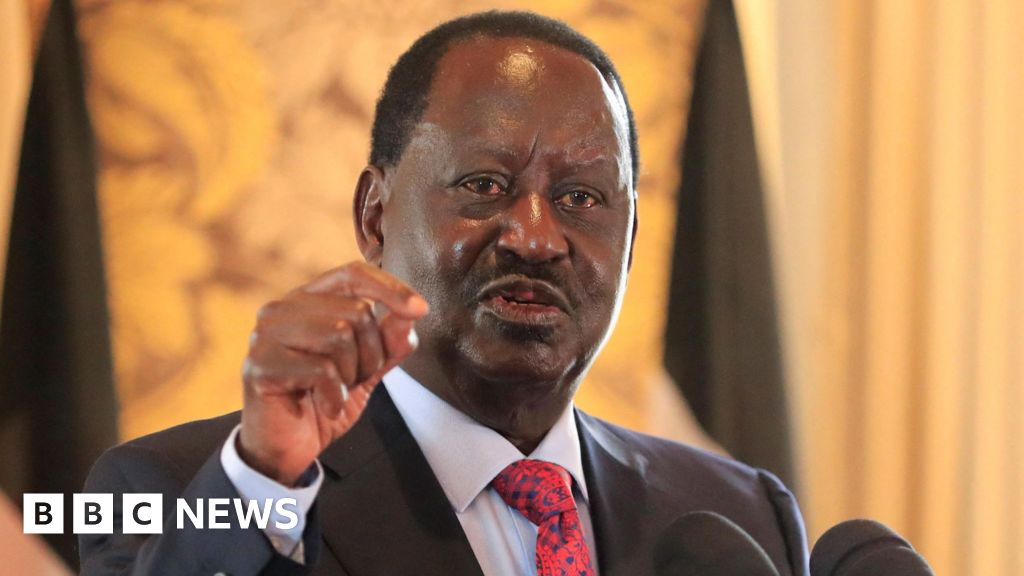
In an event that marks a significant turning point for Kenya and its geopolitical landscape, the death of Raila Odinga, aged 80, signals the end of an era defined by resilient leadership and relentless struggle for democracy. Odinga, once a formidable opposition figure and a symbol of resistance against authoritarianism, succumbed to a cardiac arrest in a hospital in India, drawing widespread international attention to his life’s work. His passing comes after weeks of lingering questions regarding his health, yet tributes from leaders worldwide underscore his towering influence in regional affairs and beyond.

The impact of Odinga’s political journey extends far past Kenyan borders, resonating strongly within the region’s ongoing shifts in governance. His leadership was rooted in advocating for democratic freedoms and fighting against corruption, often positioning himself as the voice of the marginalized. As current President William Ruto declared him a “beacon of courage” and “father of our democracy,” the geopolitical focus sharpens on how Kenya’s future navigates his legacy. In the broader Africa context, analysts from the African Union and international think tanks recognize Odinga’s role as a catalyst for reforms, emphasizing the importance of stability founded on democratic principles, which remain a fragile commodity across the continent.

Odinga’s political life was marked by monumental upheavals—most notably his disputed claims to the presidency in 2007, which spurred violence resulting in over a thousand deaths and displacements — a crisis that left Africa and global governance institutions grappling with the fragility of electoral processes. A landmark intervention by Kofi Annan led to a power-sharing agreement that ultimately mitigated conflict, illustrating how international diplomacy and regional stability are deeply intertwined. Since then, Odinga’s pragmatic alliances—most notably his 2018 decision to reconcile with Uhuru Kenyatta—highlighted his ability to foster consensus amid tumultuous elections. Yet, his political resilience also firmly placed him as a polarizing figure, embodying the tension between reformist ambitions and entrenched interests that continue to shape East Africa’s geopolitical dynamics.

Today, as global powers and regional neighbors observe Kenya’s evolving political landscape, Odinga’s death insinuates a power vacuum and raises urgent questions about succession and the future orientation of Kenyan politics. The regional ramifications extend beyond Kenya’s borders, influencing stability in neighboring countries such as Uganda, Rwanda, and Tanzania. Historians and foreign policy analysts warn that Kenya’s political trajectory in the coming years will hinge on whether Odinga’s enduring legacy can catalyze a new generation committed to democratic reform or whether entrenched corruption and ethnic divisions will deepen. As the nation mourns, the international community watches closely—reminded that history is constantly being written, with today’s foundations shaping tomorrow’s destiny, often in ways no one can predict.

Social Media Auto Publish Powered By : XYZScripts.com