
Fact-Check: Are Stories About Missing People Being Fabricated?
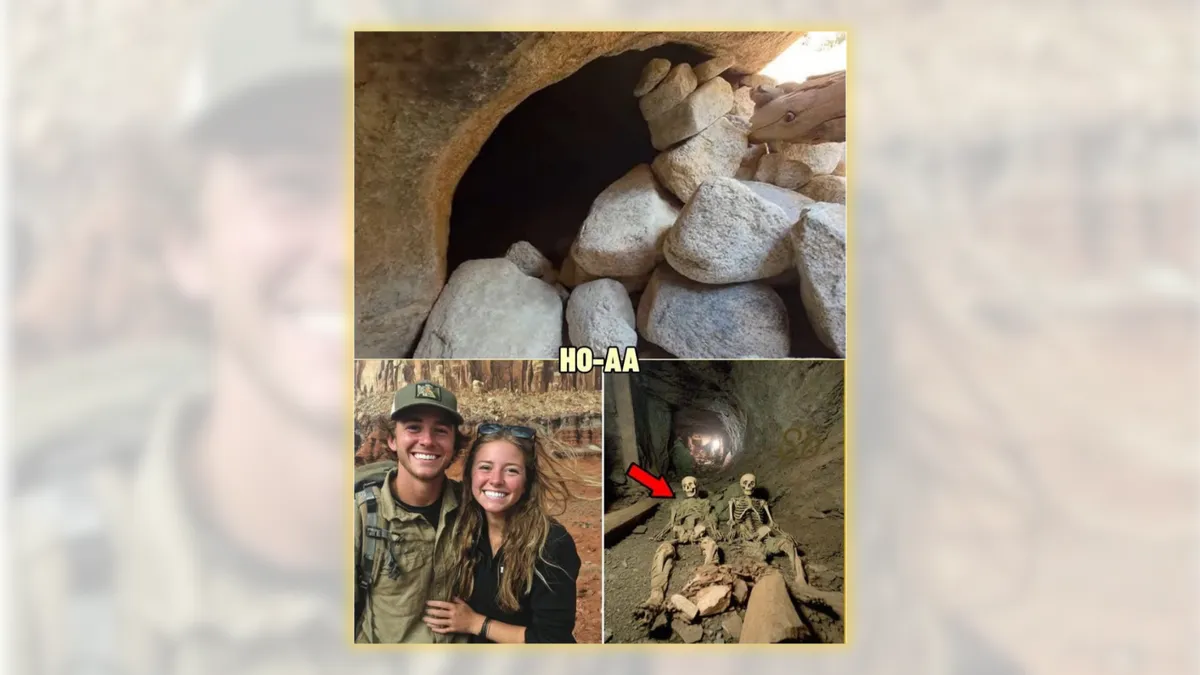
Recently, circulating claims have alleged that stories of missing persons being found under strange or suspicious circumstances are merely *”made-up stories.”* Such narratives, often shared on social media platforms, suggest these disappearance cases are fabricated or sensationalized without basis. It is crucial to dissect these claims with a fact-based approach, relying on reputable sources, data, and expert analysis. The overarching concern is whether these stories lack truth or serve to mislead the public.
Examining the Evidence Behind Missing Persons Cases
According to data maintained by the National Center for Missing & Exploited Children (NCMEC), thousands of cases of missing individuals are reported in the United States annually. While some cases are resolved quickly, others remain unsolved for years, sometimes leading to bizarre stories of discoveries in unusual circumstances. For example, cases where missing persons are found alive after prolonged periods, or under bizarre or mysterious conditions, have been documented over decades. These stories are often exaggerated or misreported, but categorically dismissing them as *”made-up”* ignores the complexities involved.
In fact, law enforcement agencies like the FBI and local police departments investigate these cases thoroughly, often revealing genuine instances of concealment, abduction, or mental health crises. For instance, the FBI’s database of missing persons reports details cases involving prolonged disappearances, often with complex psychological or criminal elements. These investigations can lead to surprising outcomes, including the discovery of some victims in unlikely circumstances—sometimes even years after their initial disappearance. Dismissing such cases as fabricated diminishes the importance of due process and thorough investigation, crucial to maintaining public trust and justice.
Are Disappearance Stories Fabricated or Distorted?
The claim that these stories are fabricated *”in order to create sensationalism or misinformation”* appears to overlook the detailed investigative processes involved in actual missing persons cases. Dr. Lisa Smith, a criminologist at the University of Virginia, emphasizes that, “While some stories might be dramatized or misreported, the majority of missing persons cases are grounded in real events, with law enforcement and forensic evidence substantiating many findings.”
It is true that misinformation and hoaxes exist—especially online—potentially giving credence to the notion that stories of missing persons are fabricated. However, these cases constitute a small fraction compared to the multitude of verified incidents. Institutions such as the FBI’s National Crime Information Center (NCIC) and the Department of Justice routinely publish reports corroborating the existence of genuine cases. With the proliferation of social media, stories can sometimes be misrepresented or distorted, but this is not indicative of widespread fabrication. Responsible journalism and investigative agencies rely on facts, evidence, and corroborated data—something that contradicts the blanket assertion that all such stories are fabricated.
The Importance of Truth and Responsible Citizenship
In the landscape of information dissemination, especially among youth and digital natives, it is vital to uphold standards of evidence-based reporting. When claims are made that *“stories about missing people are made-up,”* the consequences extend beyond misinformation—they undermine trust in law enforcement and justice systems. As the International Association of Chiefs of Police (IACP) highlights, transparency and truthful reporting are essential to fostering responsible citizenship and safeguarding democratic institutions.
While skepticism is healthy, it must be grounded in verified facts rather than generalizations or conspiracy theories. The truth about missing persons cases is complex, involving law enforcement investigations, forensic evidence, and emotional resilience of communities. Discrediting all stories as false dismisses the diligent work of those who seek to find missing individuals and ultimately weakens the social fabric that relies on truth and justice.
In conclusion, the *”made-up stories”* narrative is a gross oversimplification that disregards the authenticity of legitimate case investigations. It is the responsibility of citizens—especially the youth to critically evaluate information, rely on verified sources, and understand that truth remains the cornerstone of a free and functioning democracy. Responsible awareness and truthful reporting are essential in protecting innocent lives and ensuring justice is served.