Matox News

Truth Over Trends, always!

Top iPhone Chargers for Power-Up: Cables, MagSafe, Wireless & More

Revolutionizing Power: The Future of iPhone Charging Technologies and Their Industry Impact

The landscape of mobile device charging is experiencing unprecedented innovation, signaling a disruptive shift in how consumers and industries approach powering their smartphones. Major players like Apple, Mophie, and Anker are pushing the boundaries with advanced charging solutions that emphasize speed, portability, and integration.

One standout innovation is the emergence of ultra-fast chargers, such as the Nano 45W with USB-C Cable by Anker. This device can deliver up to 50% battery in just 20 minutes on compatible iPhone models—specifically iPhone 17, 17 Pro, and 17 Pro Max—shattering conventional charging times and setting a new industry standard. Such speeds are no longer bonus features but are becoming a necessity in a fast-paced, youth-oriented market demanding rapid connectivity. This shift toward faster charging techniques isn’t just convenience-driven; it also displays strategic disruption by forcing legacy competitors to rethink their product development timelines and capabilities.

Emerging Trends and Market Shifts

Market analyses from Gartner and MIT underscore a pivotal trend: the integration of wireless, portable, and multi-device charging ecosystems is fundamentally altering the industry. Leaders such as Belkin’s 3-in-1 Qi2 Charging Stand exemplify this trend, offering users a seamless experience to charge their iPhone, AirPods, and Apple Watch simultaneously—streamlining desk setups and fostering a new ecosystem of interconnected, all-in-one solutions.

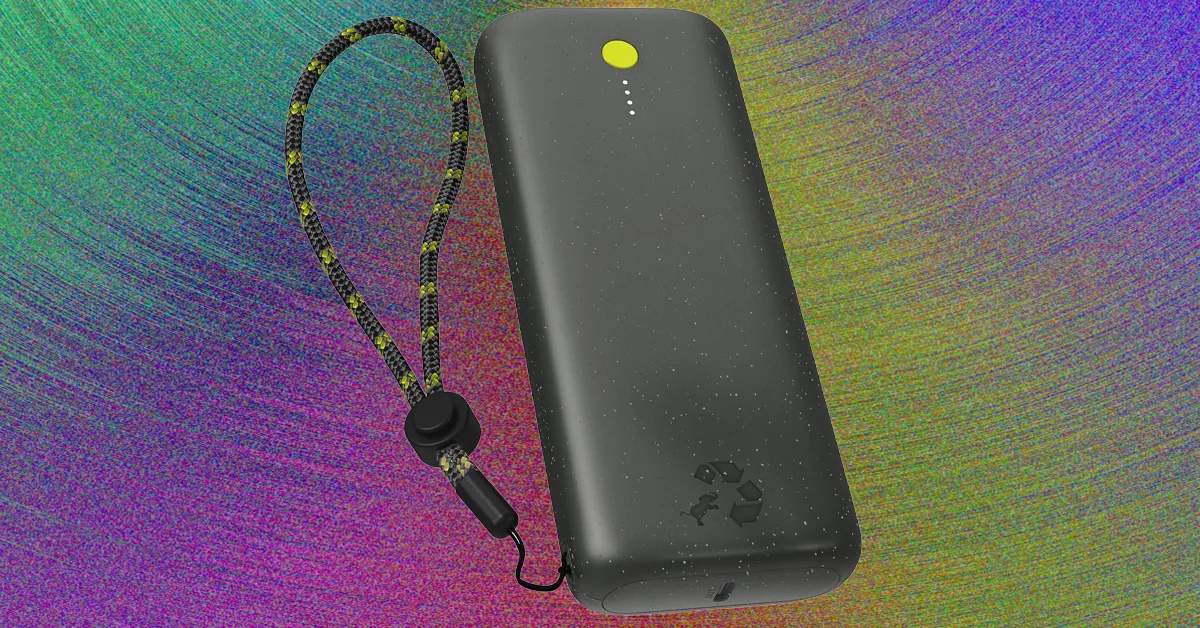
  • Portable power banks like Nimble’s Power Bank (10K, Qi2) introduce a new level of on-the-go charging, combining eco-friendly designs with higher capacity and quick wireless charging capabilities.
  • MagSafe-enabled accessories amplify the geomagnetic attachment for iPhones, promising hyper-efficient wireless power delivery—further disrupting traditional wired charging paradigms and aligning with Apple’s push for seamless ecosystem integration.
  • Beyond consumer convenience, these innovations carry implications for industries such as automotive, wearable tech, and enterprise mobility, as fast, reliable wireless charging becomes the backbone of interconnected devices in the digital age.

Business Strategy and Future Outlook

Industry giants and emerging startups alike are capitalizing on this disruption, reshaping their R&D priorities to align with rapid innovation cycles. Elon Musk’s SpaceX and Peter Thiel’s Palantir have long championed agility and disruptive technology—traits now deeply embedded in the charging industry. Companies integrating bioplastics, recycled materials, and minimal packaging—like Nimble—are also setting new sustainability benchmarks, further widening the gap between traditional tech manufacturing and eco-conscious innovation.

As the market shifts toward fast-charging ecosystems and integrated device management, the urgency for companies to adapt will only intensify. Future-forward leaders must embrace disruption, invest in emerging standards, and ensure their offerings are compatible with the rapidly expanding ecosystem of smart, wireless devices. The window for legacy manufacturers to catch up narrows each day as Gen Z and millennial consumers demand seamless, eco-friendly solutions that fit their mobile, fast-paced lifestyles.

In conclusion, the next phase of mobile power technology marks a decisive turning point. Disruption is here, driven by cutting-edge innovation and strategic business repositioning. Industry stakeholders who act swiftly will not only capitalize on rapid growth but will also shape the digital infrastructure of the future. The race for wireless, hyper-fast, and eco-conscious charging is heating up—anticipate a dramatic transformation in the tech landscape in the coming years, with those responsive to market dynamics taking the lead in defining tomorrow’s standards.

Top chargers dropping early — get ready before Prime Day hits!

Harnessing Portable Power: The Future of Mobile Energy Solutions Dominates Tech Discourse

In an era where technological disruption is reshaping how we connect, work, and play, portable power innovations are taking center stage. Industry leaders like Anker and Jackery continue to push the boundaries of mobility, positioning themselves not just as accessory providers but as pivotal players in the burgeoning portable energy market. These advancements could redefine the interface between consumers and technology, emphasizing innovation, convenience, and resilience.

The recent launch of Anker’s 633 Magnetic Battery exemplifies how companies are integrating disruptive features into compact form factors. This MagSafe-compatible charger combines high efficiency with user-centric features such as an integrated kickstand and multiple charging modes—wireless at 7.5W or through its USB-C port at 20W. Its support for passthrough charging and dual-port options profoundly impacts on-the-go energy management. While gadget users have long perhaps accepted the constraints of power limitations, innovations like this shift the paradigm, enabling a seamless, always-connected experience. With a capacity of 10,000mAh, enough to power most smartphones, it underscores a market trend toward more energy delivery in smaller packages.

On the industrial front, the emergence of dedicated portable power stations such as Jackery’s Explorer 1000 V2 signals a shift toward *off-grid sustainability*. Its design—notably three AC outlets, multiple USB ports, and an impressive 1,070Wh capacity—positions it as an essential device for outdoor adventurers, emergency preparedness, and remote work settings. Early October Prime Day deals, which cut its price to under $430, reflect strategic pricing aimed at capturing a segment eager for reliable, high-capacity power on demand. Given that Jackery claims its batteries retain about 70% of their capacity after 4,000 cycles, the platform’s longevity makes it a disruptive force in traditional power storage industries. Companies that pivot quickly to incorporate these mobile solutions could capture unprecedented market share, especially as remote work and outdoor activities accelerate globally.

The business implications are equally dynamic, with innovations driving a new competitive landscape. Analysts such as Gartner forecast that portable power devices will grow at a compound annual rate exceeding 20% in the coming years, driven by shifting consumer expectations and the relentless rise of mobile lifestyles. Tech giants and startups alike are investing heavily in R&D—integrating AI for smarter power management, developing lighter yet more durable battery chemistries, and exploring hybrid systems that combine solar with conventional energy sources. This wave of disruption not only threatens established utilities but also paves the way for new ecosystems of integrated, sustainable energy solutions. Firms that prioritize interoperability, durability, and rapid charging will dominate emerging markets, fundamentally altering how we think about energy independence.

Looking ahead, the pace of innovation suggests a tech landscape increasingly defined by lightweight, high-capacity, and eco-friendly portability. The convergence of AI, IoT, and battery technology heralds a future where **portable energy devices** are not just tools but strategic assets—enabling everything from autonomous remote operations to emergency disaster response. As industry pioneers like Elon Musk and Peter Thiel emphasize, maintaining a sense of urgency and anticipating breakthrough shifts will be crucial for stakeholders aiming to lead this dynamic sector. In the coming decade, the race to dominate portable power markets will likely determine the next wave of technological sovereignty, with those embracing innovation at its core poised to define the future of mobility and resilience.

Social Media Auto Publish Powered By : XYZScripts.com


