Matox News

Truth Over Trends, always!

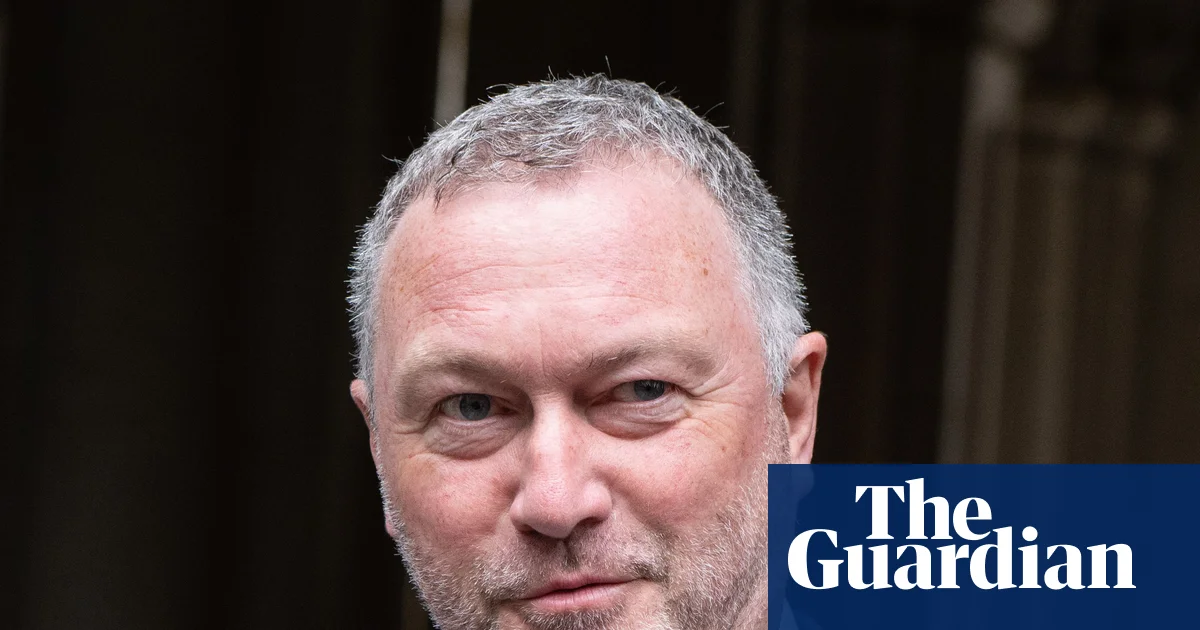
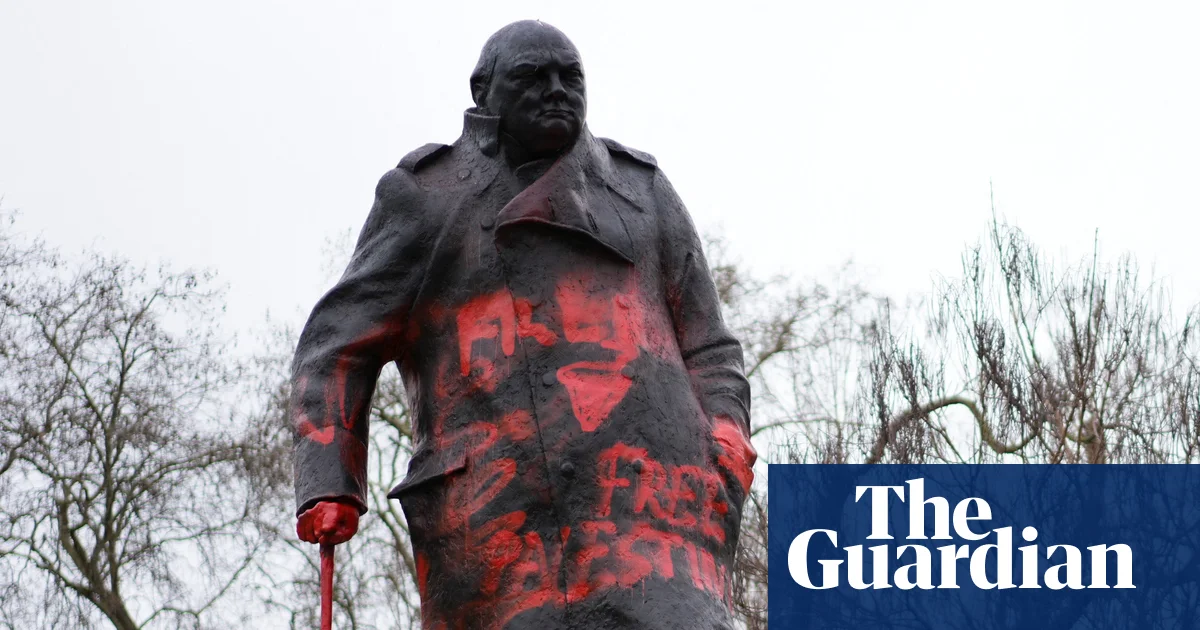
Man faces charges after defacing Churchill statue with graffiti

In a dramatic display of dissent that echoes across London’s historic political landscape, an unidentified individual was apprehended for spray-painting the statue of Sir Winston Churchill outside the Houses of Parliament. The act, laden with provocative slogans such as “stop the genocide,” “free Palestine,” and “globalise the intifada,” signifies more than mere vandalism; it symbolizes the deepening fault lines within global ideological conflicts. The perpetrator, Caspar San Giorgio, was swiftly charged with criminal damage by Metropolitan police, highlighting how these acts become flashpoints in broader cultural and geopolitical struggles.

The incident, occurring just after 4 a.m., is layered within a context marked by recent terrorist threats and violence. Following attacks at Heaton Park synagogue in Manchester and Bondi Beach in Australia, authorities have sought to tighten security and curb inflammatory rhetoric, especially slogans like “globalise the intifada,” which have previously led to arrests. These acts of vandalism are perceived by many as symptomatic of a rising tide of militant activism that reflects fractured global alliances and ideological battles. The UK government’s condemnation emphasizes its commitment to upholding “our values,” but critics argue that such incidents highlight the divisive dangers of unchecked political expressions that threaten the social fabric.

The statue itself, a 3.6-meter bronze monument by Ivor Roberts-Jones, stands as a symbol of not only British history but also of the ongoing debate about national identity and historical memory. It has been subjected to multiple acts of vandalism, including graffiti calling Churchill a “racist” during the Black Lives Matter protests of June 2020, illustrating how historical figures become focal points in modern ideological clashes. Reactions from London authorities and Prime Minister’s office reflect a sentiment of indignation, emphasizing Churchill’s role as a “great Briton” and rejecting the disruptive messages painted on his statue. However, the recurring incidents reveal an undercurrent of tension whereby global conflicts—such as the longstanding Israeli-Palestinian dispute—manifest violently on historic symbols.

International analysts warn that these acts of vandalism and inflammatory rhetoric are more than isolated protests—they are symptomatic of a shifting geopolitical landscape. As China and Russia challenge Western influence, and Middle East conflicts ignite new ideological battles, the symbolism of statues like Churchill’s is increasingly weaponized. Historians caution that how nations choose to interpret and confront their history, especially through contentious monuments, will shape the future of global cultural diplomacy. The escalating violence and provocative slogans serve as stark warnings—how societies remember their heroes and villains today may determine the course of international stability tomorrow.

As the dust settles and authorities scrub away the graffiti, the question remains: how will the world confront these cultural battlegrounds in the years to come? The ongoing struggle over history’s symbols, nations’ identities, and ideological allegiances signals that the true conflict is far from over. The world’s gaze is fixed on these unfolding chapters—each act of defiance adding a new line to the ever-growing narrative of history, with the weight of future generations hanging in delicate balance.
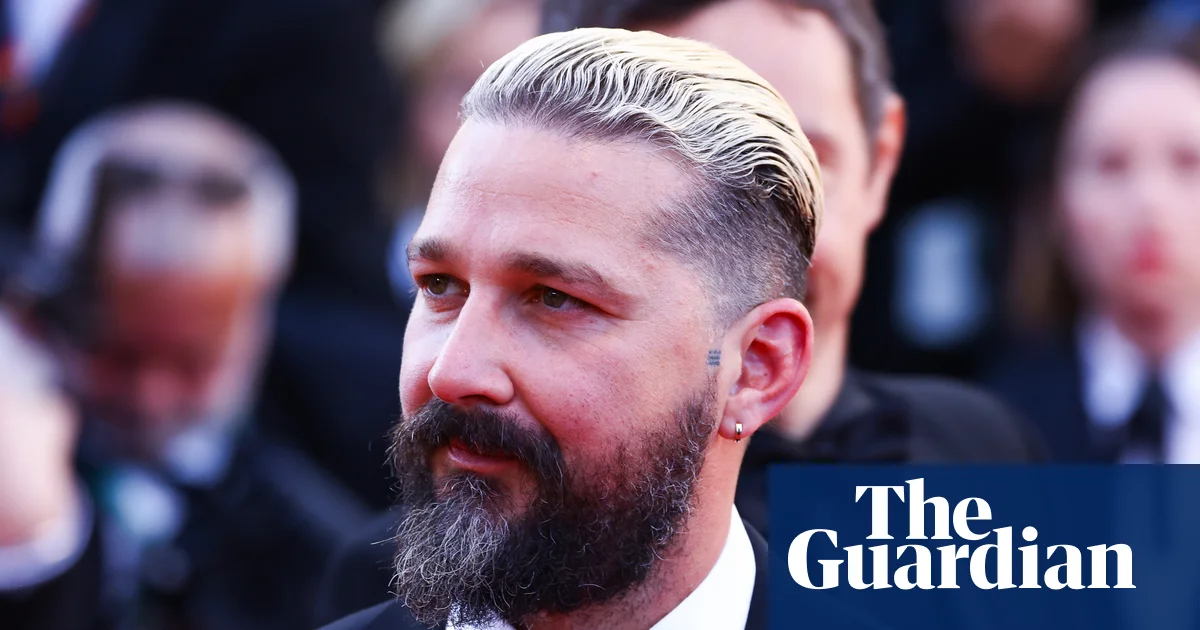
Shia LaBeouf Faces Battery Charges Amid Mardi Gras Festivities in New Orleans

In recent days, the tumult surrounding actor Shia LaBeouf has once again thrust the volatile intersections of culture, personality, and societal expectation into the spotlight. His arrest in New Orleans amid the festive chaos of Mardi Gras exemplifies a broader cultural narrative—one where the veneer of celebrity often masks deeper struggles and societal tensions. LaBeouf’s behavior, allegedly fueled by excess and an undeniable public persona, echoes *the perennial conflict between individual freedom and societal norms*, a theme discussed thoroughly by philosopher Ortega y Gasset, who emphasized that culture binds the individual to collective tradition while also challenging him to confront his inner impulses.

Throughout history, culture has served as both a mirror and a mold—forging identities rooted in our collective memory and shaping future destinies. When LaBeouf’s actions spill into the public eye, they lay bare the fragility of the modern image, a phenomenon akin to the *cultural shifts observed in the decline of noble virtues and the erosion of societal discipline* over centuries. Critics like Chesterton have pointed out that true culture is not merely entertainment or spectacle but the moral fabric that sustains cohesive communities. His reported unruly conduct, including attempts to serve drinks behind a bar and conflicts with others, reveals a persona caught in *the existential struggle between personal liberty and societal cohesion*, mirroring the larger crisis of tradition in contemporary life.

Furthermore, LaBeouf’s history—marked by battles with sobriety, allegations of abuse, and public confrontations—serves as a stark reminder of *the importance of moral anchors in the tumult of modern celebrity*. His past, intertwined with themes of redemption and fallibility, echoes the questions raised by thinkers like Tocqueville on the moral state of democratic societies. Are we fostering a culture that emphasizes self-control and respect for tradition? Or are we surrendering to the chaos of unchecked individualism? LaBeouf’s path, punctuated with both moments of genuine remorse and controversy, underscores the delicate balance between the *cultural ideals of craftsmanship and virtue* and the raw human tendency towards self-destruction.

As we observe these narratives unfold, it becomes evident that our culture is both memory and prophecy—an ongoing dialogue between what has been passed down and what is yet to come. The true significance of figures like LaBeouf resides not solely in their missteps but in how their stories reflect the enduring tension between fluid modernity and rooted tradition, between *the individual’s shadow and the collective’s light*. The collective consciousness, much like T.S. Eliot’s poetry—layered, introspective, prophetic—reminds us that the culture we forge today will serve as the foundation for tomorrow’s civilization. In this sense, our cultural fabric, fragile yet resilient, weaves the story of humanity itself; it is both the memory of who we have been and the prophecy of who we might become—an eternal dance of shadows and illumination shaping the human journey.

Council Leader Charges Local Authority Used ‘Bullying’ Tactics to Delay Elections for More Funding and Power | Local Elections

The recent turmoil within UK local governance has ignited a fierce debate about the limits of government authority, transparency, and the future of devolution initiatives. At the heart of this controversy lies Norfolk, where council leader Kay Mason Billig has publicly accused the UK government of “bullying” her authority into postponing elections in exchange for promises of additional funding and devolved powers. Her adamant withdrawal from the longstanding devolution plans signals a growing mistrust among local leaders regarding the national government’s role in regional autonomy, exposing underlying tensions that threaten to undermine a key component of the government’s decentralization agenda.

Billig’s stance follows the government’s abrupt reversal on plans to postpone local elections—initially scheduled across 30 councils—after persistent legal challenges by reform-minded parties such as Reform UK. This flip-flop has created chaos at a pivotal moment: officials now confront the daunting task of organizing ballots within an unexpectedly compressed timeframe, casting doubt on the very future of the largest local government restructuring in five decades. Historians and political analysts warn that such indecisiveness not only destabilizes local governance but also damages the credibility of Westminster’s broader decentralization efforts, risking a disillusionment that could resonate across the UK’s political landscape.

The broader geopolitical impact of this internal crisis extends beyond immediate administrative chaos. Britain’s experiment with devolution and local reform is often viewed as a key case study for other nations balancing central authority and regional independence. Critics argue that the government’s interventions, perceived as heavy-handed, undermine the very local democracy they seek to empower. As some council leaders like Daniel Elmer question the promised benefits—especially the purported financial and administrative efficiencies—concerns grow about whether UK policymakers truly understand the societal fabric they’re attempting to reshape. The implications are profound: should such reforms falter under internal dissent, it could send a destabilizing message to allies and adversaries alike about the UK’s capacity to manage its political evolution domestically.

International observers, including think tanks and global governance experts, highlight how internal political discord over devolution reflects a broader international trend: the delicate balancing act of decentralization amid the competing interests of central governments and local communities. As London faces mounting criticism from opposition factions and civil society, the question arises: will Britain sustain its devolved framework or revert to more centralized control? With key figures like Nigel Farage calling for accountability and demanding leadership accountability, and others defending the government’s stance as an adherence to the rule of law, the struggle embodies a fundamental challenge—how to uphold democratic decentralization without risking chaos or loss of cohesion.

Ultimately, the unfolding narrative in Britain underscores a pivotal moment in history—where decisions made in the corridors of Westminster could define the future structure of a nation, or perhaps, herald a period of profound internal realignment. As the dust settles on this political tempest, one thing remains clear: the fate of local governance, much like the tides of international diplomacy, is often dictated not by the calm of consensus but by the tumultuous forces of conflicting interests. The pages of history continue to turn, each chapter revealing new struggles, new compromises, and the unyielding march of time—reminding all that even in times of apparent chaos, the world watches and waits for the next move that could shift the course of nations forever.

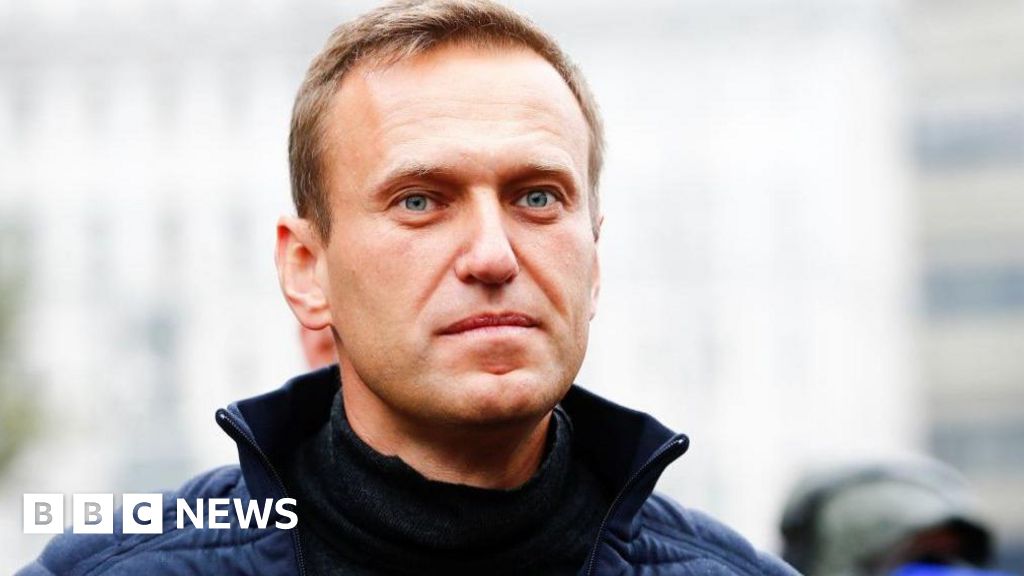
UK Allegedly Charges Russia with Using Dart Frog Toxin to Silence Navalny

In an alarming development that has sent shockwaves through the international community, the Foreign Office has declared unequivocally that there is no innocent explanation for the presence of a toxin detected in samples taken from Alexei Navalny. The outspoken Russian opposition figure, whose pro-democracy activism has challenged the Kremlin’s authority, remains at the center of a geopolitical crisis that threatens to reshape alliances and spark new tensions across Europe and beyond.

The revelation comes as part of a broader narrative of escalating state-sponsored poisonings linked to Russia, which has consistently denied involvement despite mounting evidence from international investigations. The poisoning of Navalny, who fell seriously ill in August 2020, has become a focal point for Western sanctions and diplomatic condemnations. The European Union and United States have called for transparency, demanding that Moscow disclose all details regarding the toxin used—highlighting the serious breach of international norms and the potential for a new Cold War-era standoff rooted in covert operations and political repression.

Analysis from leading international organizations, including the Organization for the Prohibition of Chemical Weapons (OPCW), underscores the gravity of the situation. Experts argue that this incident marks a turning point in the ongoing struggle over sovereignty, human rights, and international law. Countries allied with the West warn that tolerating such actions emboldens authoritarian regimes and undermines the global order. Meanwhile, Russia insists that Navalny’s poisoning was a domestic matter, dismissing accusations as Western interference. This entrenched denial fuels fears of escalating hostilities and complicates diplomatic efforts to forge a unified response.

Historian and geopolitical analyst Dr. Mark Evans notes that the incident illustrates a fundamental shift in international relations—where informal warfare and covert operations have become tools to stifle dissent and influence power dynamics. The fallout from Navalny’s poisoning extends beyond Russia’s borders, threatening to plunge the continent into renewed uncertainty. As NATO officials consider their next move, the world watches with bated breath, acutely aware that this episode could be a catalyst in a new era of poisoned diplomacy. With each revelation, the weight of history presses down, reminding us that in the shadows of global politics, the line between peace and conflict remains perilously thin.

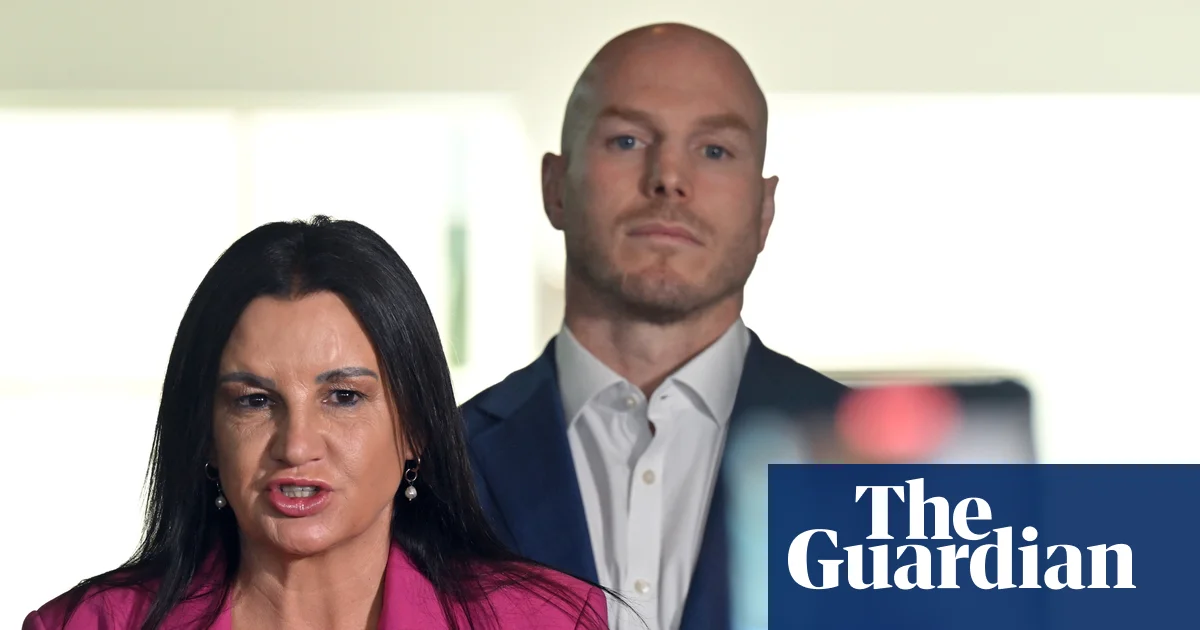
Opposition Slams Labor’s Secretive FoI Changes, Charges Fees to Silence Youth Transparency Movements

In what could mark a significant shift in Australia’s democratic landscape, the Albanese government has proposed a controversial overhaul of its Freedom of Information (FoI) regime. The proposed legislation aims to introduce fees for FoI requests, significantly reduce the scope of accessible documents, and impose strict processing time limits. Critics warn that these changes threaten the very foundation of accountability, echoing fears that secrecy will supersede transparency. Despite the government’s assurances that the reforms target frivolous and AI-generated requests, opposition and crossbench senators depict the plan as an erosion of citizens’ rights and a step toward government opacity.

Led by a Labor-dominated Senate inquiry, proponents argue that the measures are necessary to curb unwarranted demands on public resources and shield sensitive policy discussions from undue exposure. The amendments include a transfer from the current 30-day response window to a more restrictive business days timeline, along with a 40-hour cap on processing individual requests. These provisions, aimed at streamlining bureaucratic procedures, are met with skepticism by opposition voices who contend that the real impact will be a decline in government transparency and an increase in administrative barriers for citizens seeking information. Increasingly, international observers look at Australia’s evolving foi policy in the context of a broader global trend—governments tightening control over information to defend national interests, whilst critics warn of safeguarding elitist privileges at the expense of public accountability.

Historians and analysts warn that such moves are not isolated but part of a broader, pattern of democratic backsliding observed across Western nations. According to the International Transparency Agency and key political analysts, the current push can be understood as an attempt by governments to regulate the flow of information in an era dominated by AI and digital manipulation. The United States and United Kingdom, for instance, have enacted similar restrictions amid concerns over data overload and misinformation. Critics argue that these policies serve to fortify political control, marginalize investigative journalism, and impede the public’s right to scrutinize power structures. As opposition voices warn of a “dysfunctional and broken” FoI landscape, a report by the Office of the Australian Information Commissioner highlights the overreach of current limitations, emphasizing the need for reform that balances transparency with security. Yet, the real risk remains—how long before these carefully crafted restrictions morph into a shield for corruption and abuse of power?

As Australia’s legislative drama unfolds, the question extends beyond national borders: what does this mean for global democracy? Will other nations follow suit, trading transparency for security in a world increasingly tense and divided? The debate echoes through halls of power, with some warning that history is repeating itself—where the suppression of information signals the ascent of authoritarian tendencies cloaked as protective measures. The outcome of this legislative battle could set a precedent—either reaffirming the enduring right to information or sealing a future where the populace remains blindfolded to the machinations of their leaders. As the dust settles, the weight of history presses heavily upon the present—reminding us that the fight for transparency is not just national, but a universal struggle for the soul of democracy itself.

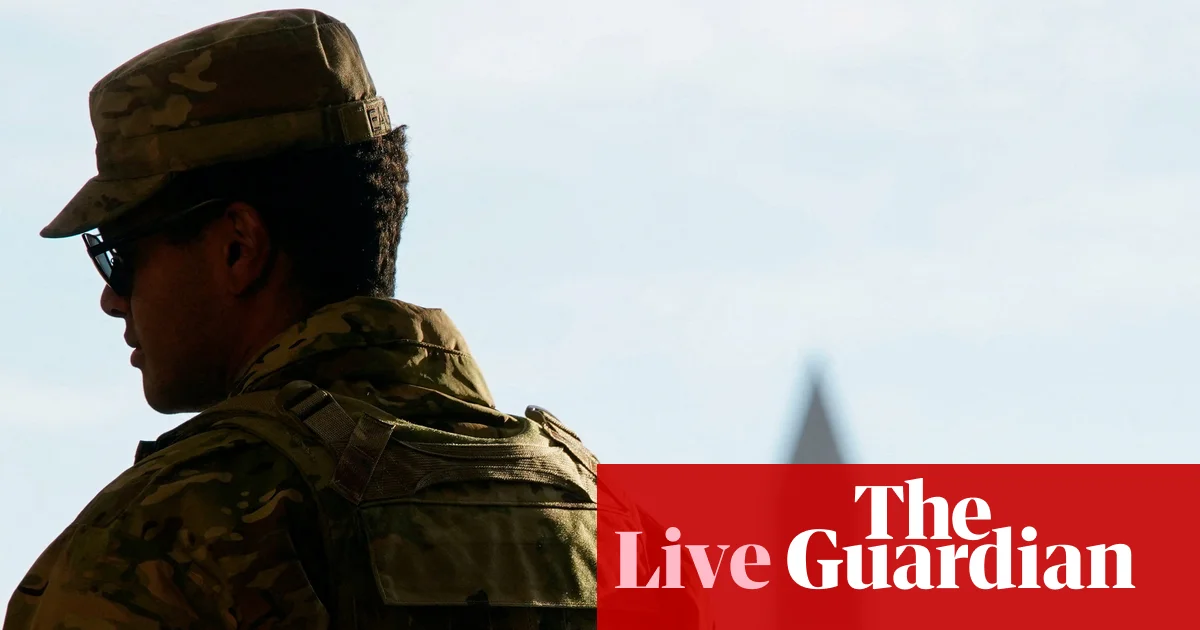
National Guard shooting suspect to face murder charges amid Trump's aggressive immigration crackdown
National Guard shooting suspect to face murder charges amid Trump’s aggressive immigration crackdown

The recent surge of violence and political upheaval surrounding Washington, D.C. has ignited a firestorm with far-reaching geopolitical impacts that ripple across the international landscape. The escalation of violence—marked notably by the deadly shooting of National Guard members during a targeted attack close to the White House—has cast a shadow over what was once regarded as a symbolic safe zone. The attack, suspected to have been conducted by an Afghan national, underscores the complex challenge faced by U.S. authorities, who are now grappling with the security implications of foreign nationals involved in domestic violence. The incident further fuels Donald Trump‘s narrative that America’s borders and national security are compromised, prompting calls for stringent immigration policies.

The international community watches keenly as Trump vows to “permanently pause migration from all third-world countries,” signaling a potential shift away from America’s longstanding commitment to being a haven for immigrants. His promise, announced in a late-night social media post, aims to “end all federal benefits and subsidies to non-citizens” and remove those deemed “not a net asset” to the country. Yet, these aggressive rhetoric and policy proposals defy the legal and societal realities within the United States, where previous bans faced judicial hurdles and legislative resistance. Global analysts and human rights organizations caution that such measures could destabilize international efforts to support refugees and undermine America’s moral standing.

The incident has become a clear turning point, marking heightened tensions between the Biden administration’s policies and the growing nationalist wave, with many fearing increased institutional crackdowns and deepening societal divisions. As the Trump-era policies of mass deportations and immigration restrictions take a renewed shape, international voices—especially within Europe and Canada—warning that America risks retreating into isolationism and xenophobia. Renowned historians such as Professor Laura Sanchez argue that these developments threaten to turn the clock back on decades of inclusive policies, risking economic consequences due to the significant contributions of foreign-born workers, who fuel roughly 31 million American jobs.

This crisis also amplifies the debate about how internal decisions affect societal cohesion and international perceptions. The attack’s suspected perpetrator, linked to Biden’s post-2021 Afghan evacuation program, exemplifies the unintended consequences of rapid resettlements. As Trump calls for reexamining the status of Afghanistan nationals and intensifying immigration enforcement, international observers wonder whether the US is steering itself toward a more insular, security-focused approach—one that risks alienating traditional allies and destabilizing regional geopolitics. Historians warn that such internal rifts, if unaddressed, could lead to long-term societal fragmentation, with echoes that may reshape international relations for generations.

As the dust settles, the weight of history presses down—highlighting a moment where America’s founding ideals clash with burgeoning fears and nationalistic impulses. The choices made by its leaders in this perilous era could either forge a path toward renewed unity or fracture the social fabric beyond repair. The story of this chapter is still being written, but one thing remains certain: the unfolding narrative will influence the world’s outlook on democracy, security, and human rights for decades to come.

Georgia prosecutor drops charges against Trump in 2020 election case

Georgia Case Dismissal Becomes Turning Point in US Political Arena

The recent decision by a Georgia prosecutor to dismiss the 2020 election-interference case against President Donald Trump marks a significant juncture in the ongoing saga of American political conflict and legal battles. Pete Skandalakis, acting as the chief legal authority in this case, filed a motion to dismiss after former District Attorney Fani Willis was disqualified due to a scandal involving a romantic relationship with a special prosecutor. This move signals not only a legal reevaluation but also a potential shift in the wider understanding of justice and accountability within the United States. While partisan voices have claimed victory, analysts warn that the consequences extend far beyond a simple legal victory or defeat.

Initially, the case was launched in response to a recording of Trump’s January 2, 2021 call to Georgia’s Secretary of State, Brad Raffensperger, where he requested assistance to find enough votes to overturn his loss in the state. This event, widely regarded as a turning point in American political history, prompted allegations of conspired election interference. However, critics argue that the case became emblematic of what many see as a politically motivated pursuit rather than a pursuit of justice. As historians and international observers have pointed out, such internal conflicts threaten the fabric of U.S. democratic institutions, especially when legal proceedings become entangled with partisan disputes.

The geopolitical impact of this case is profound. The United States, long regarded as the global beacon of democracy, finds itself grappling with internal fractures that undermine its influence worldwide. Allies and adversaries alike are watching closely, noting how internal legal conflicts are impacting America’s international image. The United Nations has expressed concern, urging the rule of law to be upheld without bias, but many analysts believe the episode underscores the broader risks to American credibility on the world stage. Countries that depend on U.S. leadership for global security and economic stability now see a nation internally divided, mirroring internal civil conflicts and tests of constitutional resilience.

The decision to dismiss the case against Trump, which included charges against 18 co-defendants such as Rudy Giuliani and Mark Meadows, is viewed by supporters as a step towards restoring judicial fairness. Yet, critics argue that the move entrenches divisions within a society already polarized by contentious elections and selective justice. International organizations warn that if the U.S. cannot resolve these internal disputes transparently and objectively, its ability to lead global efforts—whether on climate change, trade, or security—may be compromised. The stakes are high, and history has shown that internal conflicts within dominant powers often ripple outward, influencing global stability.

As the dust settles on this pivotal moment in America’s legal and political history, the world is left to witness its repercussions. This saga is far from over: a nation’s internal struggles now play out on the stage of world history, where the decisions of its leaders and the course of justice will shape the future of democracy itself. In the shadows of courtrooms and presidential debates, history is quietly watching, waiting to see if the United States can heal its wounds or if these divisions will carve deeper scars into its sovereignty—a crucible where democracy itself faces its ultimate test.

Justice prevails as charges dropped against Australian debt collector Panthera Finance

Global Impact of Australia’s Shift in Debt Collection Laws

In a landmark decision, Australia has once again highlighted the delicate balance between consumer protections and corporate oversight, with significant geopolitical reverberations potentially influencing international standards. The recent court case involving Panthera Finance, a prominent debt collection firm, underscores shifting legal interpretations that extend beyond domestic borders. This case, centered on whether Panthera was technically engaged in illicit debt collection practices, marks a pivotal moment in how nations temper regulation with economic competitiveness in a rapidly globalizing financial industry. As legal experts and international organizations analyze the ruling, the core question persists: How do such decisions influence societal perceptions of corporate accountability and state sovereignty?

Legal Nuances and International Ripple Effects

  • The Victorian magistrates’ court dismissed charges against Panthera Finance, citing a narrow interpretation of debt collection statutes that hinge on whom the debt is owed to.
  • Legal counsel for the company argued that their client was in fact the owner of the debts, hence not technically engaging in prohibited collection activities.
  • The ruling raises a significant ambiguity in Australian law—one that many analysts fear could be exploited by other corporations operating across jurisdictions with varying laws.

Most notably, this outcome sparks debate among international legal circles and global economic policymakers. While some experts warn that broadening legal loopholes endangers consumers, others, like certain Australian lawmakers, see the decision as a safeguard against overregulation stifling economic activity. The situation draws parallels with past international legal shifts where corporate interests have challenged regulatory frameworks in pursuit of profit, often at the expense of societal protections. Thinkers such as Professor James Smith of the International Law Institute warn that such legal pragmatism must be balanced with international commitments to consumer rights, especially in a climate where cross-border transactions are becoming the norm.

The Geopolitical Impact and Societal Consequences

This legal outcome exemplifies the broader geopolitical impact of national regulatory philosophies. As Australia navigates its relationship with *international bodies* and trade partners, decisions like these signal a more cautious approach—one that could embolden other nations to relax rules under similar presumptions. Meanwhile, the economic repercussions of such legal shifts can ripple globally, influencing how financial firms operate in diverse regulatory environments. Consequently, societies face increasing pressure to adapt — balancing growth with transparency and making sure vulnerable consumers aren’t left behind in the pursuit of economic freedom.

Indeed, the case exemplifies a phenomenon observed by analysts—how strategic legal interpretations and international policy shifts shape the future of global commerce and societal trust. Governments, international organizations, and corporate players are now locked in a complex dance, where the slightest constitutional or legal nuance can define the trajectory of national and global stability. As historians like Dr. Anna Rodriguez reflect, this moment signals not just a legal victory or defeat, but a step in the larger evolution of how societies will regulate, control, and protect their citizens amidst a pluralistic and interconnected world—a story still being written with each court ruling, treaty, and policy change.

In the unfolding saga of nations striving to find the right balance of power, regulation, and economic liberty, the decision in Melbourne serves as a stark reminder: the true weight of history is carried not just in today’s verdicts, but in the future frameworks they forge — frameworks that will define what kind of world justice and societal harmony can withstand the test of time.

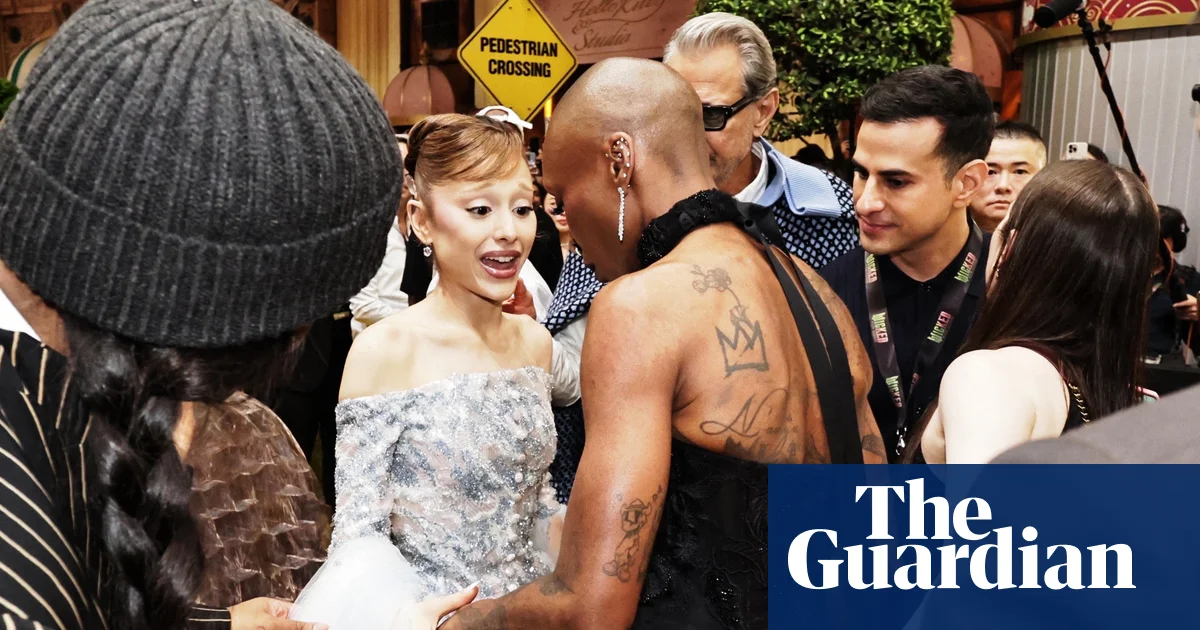
Man who forcibly approached Ariana Grande at Wicked sequel premiere faces serious charges | Wicked: For Good

In an era where security measures are tighter than ever, the spectacle of red carpet invasions reveals a deeper cultural tension—a collision of individual expression and societal boundaries that define our collective identity. Recently, a man in Singapore charged as a public nuisance exemplifies this ongoing struggle. His attempt to breach security and approach Ariana Grande on the premiere of Wicked: For Good underscores a timeless human desire: the urge to connect, to be seen, to make an impact amid the swirling currents of modern spectacle. Though his actions were met with condemnation—highlighted by warnings of fines up to S$2,000—what remains undeniable is the audacity of the individual in the face of societal order.

This fringe phenomenon is not new. History and culture have long chronicled instances of figures who sought to disrupt the polished veneer of celebrity and spectacle. From Hugh Grant handcuffed to a celebrity on the 2007 premiere of Music and Lyrics to Kim Kardashian being flourbombed in 2012, these acts echo a persistent desire to breach the superficial boundaries of entertainment and enter the realm of raw human emotion. Such acts serve as a mirror—illuminating the fragile tension between public decency and the innate human longing for authenticity. As Ortega y Gasset observed, culture is not merely an accumulation of artifacts but the living fabric of *people’s identities*, an ongoing dialogue where the individual seeks to carve a space within communal narrative.

Amid these moments, the cultural significance of celebrity becomes evident: it is both a reflection of societal ideals and a battleground where **tradition** confronts **modernity**. The red carpet, historically, is a ceremonial threshold—an arena of societal memory—yet it has evolved into a stage of continuous challenge, where figures like Bradley Cooper or Cynthia Erivo stand as witnesses to the fragile boundary between admiration and intrusion. These episodes underscore the need for society to uphold its shared norms without suppressing the individual’s essential drive for recognition. Critics like Chesterton have long argued that the true strength of a society lies in its capacity to reconcile discipline with compassion, preserving the integrity of both community and individual aspiration.

In contemplating these moments, one recognizes the enduring power of culture: a living archive of memory and prophecy, where each act of defiance or reverence adds to the unfolding story of human dignity. As T.S. Eliot suggested, true culture is the *spiritual foundation* that guides us through chaos towards meaning. Today, as stars and spectators alike grapple with the spectacle of invasion—whether it be a fleeting viral moment or a profound act of rebellion—what remains is the profound truth that our cultural expressions are the echoes of our shared hopes and fears. They are both the fabric woven by our ancestors and the silent hymn calling forth future generations in the eternal quest for identity, continuity, and hope. Culture, then, is not merely the legacy of the past but the prophecy of humanity—an ongoing testament to the resilience of our true selves amidst an ever-changing world.

YouTuber Jack Doherty Held in Miami Over Drug Possession Charges

The recent arrest of YouTuber Jack Doherty in Miami has raised eyebrows beyond American borders, exemplifying how interconnected issues of law enforcement, social media influence, and societal values are in our increasingly digital world. According to local police reports, Doherty was detained early Saturday morning after engaging in reckless behavior—filming disruptive content on a busy street, blocking traffic, and attempting to provoke police officers. Such incidents highlight the growing trend of social media personalities pushing boundaries, sometimes crossing into legal and ethical gray zones that can threaten societal order and safety.

During the incident, authorities discovered substances consistent with Schedule II amphetamines and suspected cannabis cigarettes in Doherty’s possession. This revelation underscores a troubling intersection of youth culture and substance use—elements that are often glamorized or misunderstood, yet carry serious legal and health implications. Experts warn that such behaviors, especially when amplified by the influence of social media,” can distort perceptions among impressionable audiences. International organizations, such as the World Health Organization, continue to emphasize the importance of addressing youth drug use within a broader framework of public health and social stability, reminding nations of the far-reaching consequences of unchecked behavior within influential circles.

Geopolitical Impact of the Cultural Shift

This incident is emblematic of how cultural values and social media consumption are shaping the landscape of international influence. Countries around the world are grappling with the impact of Western digital influencers—whose reach transcends borders—on youth and societal norms. Analysts from the International Crisis Group have warned that the behavior of figures like Doherty can serve as unwitting ambassadors of chaos, potentially undermining efforts to promote responsible media use and societal cohesion. As U.S. social media giants continue to dominate global markets, the narrative of individual liberty intertwined with reckless conduct becomes a fragile point in the diplomacy of soft power, influencing perceptions of the United States and its cultural exports.

Global Reflection and Historical Perspective

Historian Michael Parenti and other scholars have long emphasized that the cultural dimensions of international influence are as vital as political and economic strategies. Decisions at the policy level regarding social media regulation, drug enforcement, and public morals extend beyond national borders, affecting societal development worldwide. The Doherty incident echoes past episodes where the behaviors of influential figures challenged societal norms, prompting debates on morality, legality, and the role of social media in shaping public consciousness. These debates are not merely local—they invoke a global reflection on the trajectory of modern civilization’s values and priorities.

As nations observe the ripple effects of such incidents, they are compelled to confront the haunting truth that history is perpetually in motion. One cannot ignore the mounting tension between individual freedom and social responsibility—forces that will continue to define the narrative of our time. With the shadows of past upheavals looming large, the questions remain: Will society adapt to this digital age by embracing stricter standards, or will it continue to dance on the edge of chaos, watched over by the silent eyes of history waiting for its next chapter?

Social Media Auto Publish Powered By : XYZScripts.com