Matox News

Truth Over Trends, always!

Ugandan youth cheer ICC charges against LRA boss, standing for justice

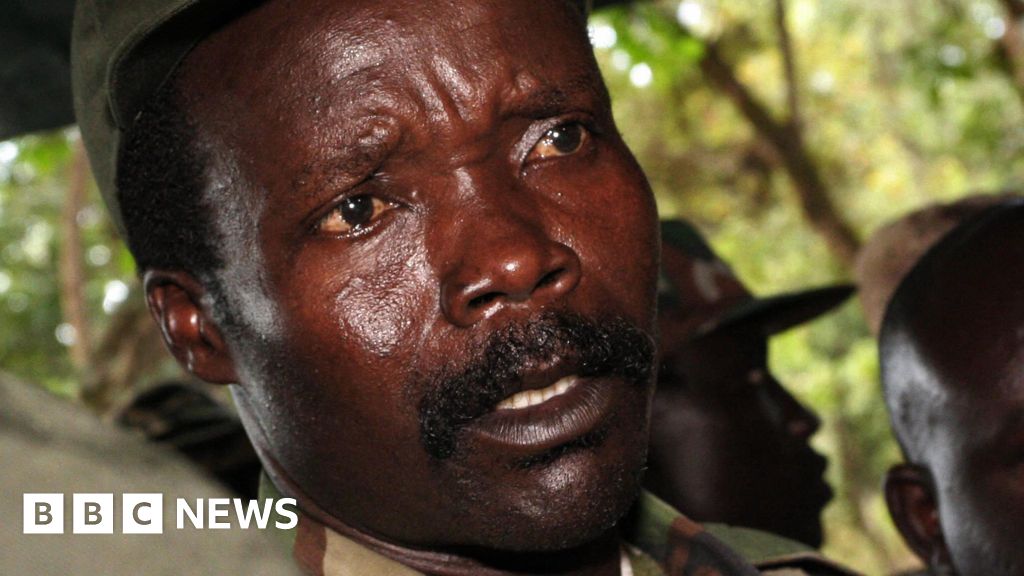
In a move that echoes decades of international diplomacy and military pursuit, the International Criminal Court (ICC) has officially confirmed charges against Joseph Kony—the notorious leader of the Lord’s Resistance Army (LRA). This militant group, infamous for perpetrating heinous crimes including limb hacking, sexual slavery, and child soldier conscription, has haunted the borders of Uganda, South Sudan, the Democratic Republic of Congo, and the Central African Republic for over thirty years. Despite mounting international pressure and efforts by the US and regional forces, Kony remains at large, hiding in the lawless corridors of Central African Republic, where he continues to symbolize a failure—yet also a warning—of global justice.

The ICC’s recent decision to charge Kony with 39 counts of war crimes and crimes against humanity marks a significant turning point in international accountability. The charges include murder, rape, and the forced use of child soldiers—a brutal blueprint that the international community hoped would finally bring a notorious warlord to justice. Despite an indictment issued in 2005 and a $5 million US reward announced in 2012, Kony’s ability to evade capture exposes the persistent gaps in enforcement among regional and global mechanisms. Analysts warn that unless Kony is physically apprehended and transferred to The Hague, these charges risk remaining symbolic rather than pragmatic, Birthing a moral victory rather than tangible justice.

The geopolitical impact of this prolonged pursuit extends far beyond Uganda’s borders. The LRA’s insurgency led to over 100,000 deaths, displacements of 2.5 million innocents, and leaving hundreds of children traumatized. Former victims like Evelyn Amon and Patrick Ochieng, now advocates for justice and reconciliation, underscore the importance of holding Kony and remnants of his group accountable. As regional conflicts intertwined with local rebellions, the pursuit of Kony became entangled with broader questions of sovereignty, regional stability, and international interventionism. Governments in the region have faced criticism for their inability or reluctance to fully dismantle the rebellion, highlighting the complex web of regional alliances, resource control, and diplomatic priorities that overshadow justice for victims.

International organizations, including the United Nations and humanitarian agencies, emphasize that the conviction and capture of Kony are more than mere symbolisms—they are a definitive step towards deterring future atrocities. Yet, how the international community responds moving forward will determine if justice can truly be served or if history’s darkest chapters risk being forever etched into the margins of a fractured continent. The global effort to bring Kony to trial serves as a chilling reminder: as long as unclaimed atrocities linger, the echoes of war and the cries of victims threaten to rewrite history and challenge the very pillars of justice.

As the weight of global attention converges on this saga, Kony’s expected arrest and subsequent trial in The Hague could serve as a watershed moment—not just for the victims, but for international law. Whether justice prevails remains a question that has haunted the region for decades, but what is undeniable is that the unfolding chapters in this relentless pursuit carry the profound potential to shape regional destinies and herald a new era of accountability. In the shadow of history’s ongoing pages, the pursuit of Kony is no longer just about capture; it becomes a test of the international order’s resolve to confront its most stubborn demons.

Two more hit with charges in Louvre jewelry theft crackdown

Global Implications of the Louvre Heist: Security Failures and Geopolitical Ramifications

The recent audacious theft of priceless jewelery from France’s most iconic cultural institution, the Louvre Museum, has sent shockwaves through the international community. On October 19th, four suspects executed a swift daylight raid, infiltrating one of the world’s most heavily monitored museums. Utilizing a stolen vehicle-mounted lift and a disc cutter, they shattered display cases housing treasures valued at €88 million, including the famous Parure Marie-Amélie diadème, a sapphire-encrusted crown. The incident highlights glaring vulnerabilities in France’s cultural security and signals a broader geopolitical narrative: the erosion of national sovereignty in the face of organized crime and international looting syndicates.

French authorities swiftly responded, charging two additional individuals—one a woman from La Courneuve and a man with a criminal record—raising questions about deep-rooted security lapses. Despite initial optimism about the progress of the investigation, critics within France and abroad have condemned the Louvre’s security measures, revealing critical flaws. For years, concerns about perimeter security and camera placement—particularly in areas where the suspects gained entry—went unaddressed. Culture Minister Rachida Dati admitted that the museum authorities had “gravely underestimated the risks,” promising reforms. The fact that the sole surveillance camera pointed away from the breach indicates a failure in basic security protocols, exacerbated by bureaucratic finger-pointing between the Louvre and the municipal authorities of Paris. The ongoing inquiry underscores a stark lesson: neglect of national treasures invites international criminal syndicates to operate with impunity, risking the erosion of cultural heritage globally.

Underpinning Political and Social Unrest: A Crisis of Confidence

The Louvre heist is emblematic of a deeper crisis brewing across Europe. Many analysts, including European security experts, interpret this event not merely as a robbery but as a symptom of weakened institutions and rising organized crime networks that operate across borders. The incident comes amid heightened tensions surrounding the stability of the European Union and concerns about law enforcement’s capacity to protect national assets. How nations respond to such breaches will shape the future of cultural sovereignty and social cohesion in the continent’s most influential nations.

Several historians note that this event mirrors historical episodes of cultural plunder, where corrupt regimes and unscrupulous traders seized invaluable artifacts, often spilling into international black markets. Modern pundits warn that failing to bolster national security in cultural institutions paves the way for darker forces—organized crime, foreign state actors, and illicit trafficking—to threaten societal stability. International institutions like INTERPOL have emphasized this incident as a wake-up call, urging European governments to reassess their security frameworks. As societies debate budget allocations, critics argue that prioritizing monumental projects like Louvre’s New Renaissance—focused on renovations and expansions—has diverted funds from essential protections. This shift in focus exposes how political misjudgments and misallocated resources can weaken national resilience against external threats and internal vulnerabilities alike.

The Broader Geopolitical Impact: Looting, Security, and International Relations

This theft underscores a significant, potentially destabilizing flaw in the fabric of global security. Though the immediate focus remains on retrieving the stolen items—expected to have already traversed borders—the incident has broader geopolitical implications, as nations grapple with balancing tourism, cultural preservation, and security. France, historically a custodian of Western cultural heritage, finds itself at a crossroads where international cooperation is vital. The theft is likely to embolden organized crime syndicates operating acrossEurope’s porous borders, possibly strengthening alliances with foreign actors seeking to profit from black-market sales.

Most disturbingly, international organizations such as UNESCO have issued warnings that similar high-profile targets could become frequent if corrective measures are not swiftly adopted. The incident also signifies a potential shift in the strategic narrative—where the preservation of cultural assets becomes intertwined with national security. Critics warn that if Western countries continue to underestimate the importance of safeguarding their cultural patrimony, future crises—ranging from theft to outright destruction—could further erode societal resilience and international standing.

As history continues to unfold in this era of uncertainty, the weight of the Louvre heist—once seen as a mere criminal act—now looms large as a stark reminder: in this rapidly changing world, the battle for sovereignty extends beyond borders, security measures, and military might. The story of those stolen jewels remains unfinished, a volatile chapter waiting to be written by governments, criminals, and the relentless tides of history itself. The outcome may well determine whether nations can shield their collective memory from the shadows of lawlessness or succumb to a new age of cultural loss that history will inevitably记得—and judge.

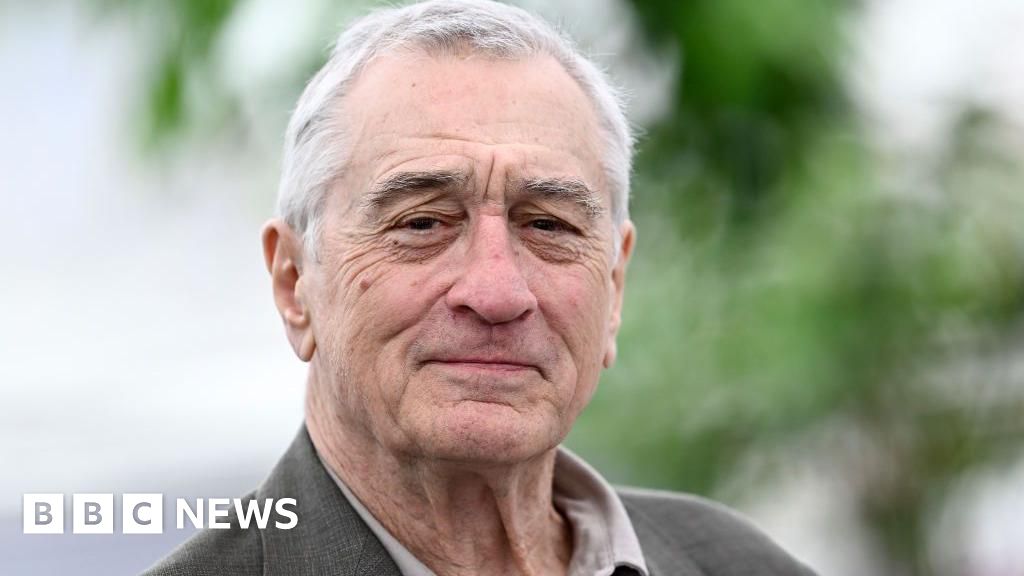
Five suspects face charges in Robert De Niro's grandson's overdose death
Five suspects face charges in Robert De Niro’s grandson’s overdose death

The recent crackdown on a fentanyl distribution network in New York has garnered international attention, representing a broader struggle faced by numerous nations grappling with the devastating opioid crisis. Five individuals—Bruce Epperson, Eddie Barreto, Grant McIver, John Nicolas, and Roy Nicolas—have been formally charged with conspiracy to distribute and possess with intent to distribute fentanyl-laced counterfeit prescription pills. This case underscores the lethal potency of illicit synthetic opioids, which have become a dangerous commodity in the global narco-economy and pose significant public health and security challenges to countries worldwide.

  • The suspects allegedly used social media platforms and encrypted messaging services to sell thousands of pills, resulting in at least three teenage deaths over the summer of 2023—highlighting how technological platforms are exploited for criminal enterprises.
  • The victims included Robert De Niro’s grandson, Leandro De Niro-Rodriguez, and others, revealing how the opioid epidemic is impacting prominent families and raising awareness among international audiences.
  • Authorities link these deaths to a broader network that traffics counterfeit pills containing fentanyl—a synthetic opioid many international organizations warn is up to 100 times more potent than heroin, significantly increasing overdose risks.

Analysts and international institutions, such as the United Nations Office on Drugs and Crime (UNODC), recognize this case as emblematic of a global epidemic. They warn that the proliferation of synthetic opioids—especially fentanyl and its analogs—has transformed the drug trade into a transnational battlefield. This escalation not only threatens national security but also destabilizes communities, especially among youth, whose vulnerabilities are exploited by organized crime syndicates. Turning points in law enforcement efforts—such as this recent case—highlight the importance of international cooperation in tracking illicit networks and dismantling supply chains that span borders.

The geopolitical impact of these domestic investigations reaches far beyond New York. Countries involved in or affected by the fentanyl trade face mounting pressure to strengthen border control, law enforcement capabilities, and international diplomatic efforts to curb drug flows. As historian and geopolitical analyst Dr. Maria Reynolds notes, “The drug trade has become a tool of asymmetric warfare—destabilizing governments and societies from within, while heightened enforcement can serve as a catalyst for greater international collaboration.” This case emphasizes that decisions made at the municipal level ripple through diplomatic channels, affecting relations between nations and shaping global drug policies.

Furthermore, the tragic death of Robert De Niro’s grandson serves as a stark reminder of societal vulnerabilities and the profound human toll of these clandestine networks. The narrative continues to unfold as authorities push for harsher penalties, with each conviction emphasizing the urgency of a global strategy against the synthetic opioid scourge. The charges, which carry mandatory minimum sentences of 20 years and up to life imprisonment if proven, represent a firm stance against organized crime but also raise questions regarding the social and economic factors that facilitate the surge of counterfeit pharmaceuticals. Society must recognize that battling this crisis involves not only law enforcement but also comprehensive public health initiatives and international cooperation.

As the world watches, history remains in the making. The story of this case intertwines with the broader arc of a dangerous era—one where synthetic drugs threaten to undermine social order and challenge national sovereignty. The sobering truth is that beneath these headlines lie potential flashpoints that could ignite larger conflicts—be they diplomatic, social, or economic. In this shadowy domain of modern drug wars, every arrest, court ruling, and international agreement shapes a future that remains unknowable, yet undeniably urgent—a stark reminder that, in the ongoing battle for global stability, history’s pen is still writing.

Man accused in Palisades wildfire charges pleads not guilty in LA court

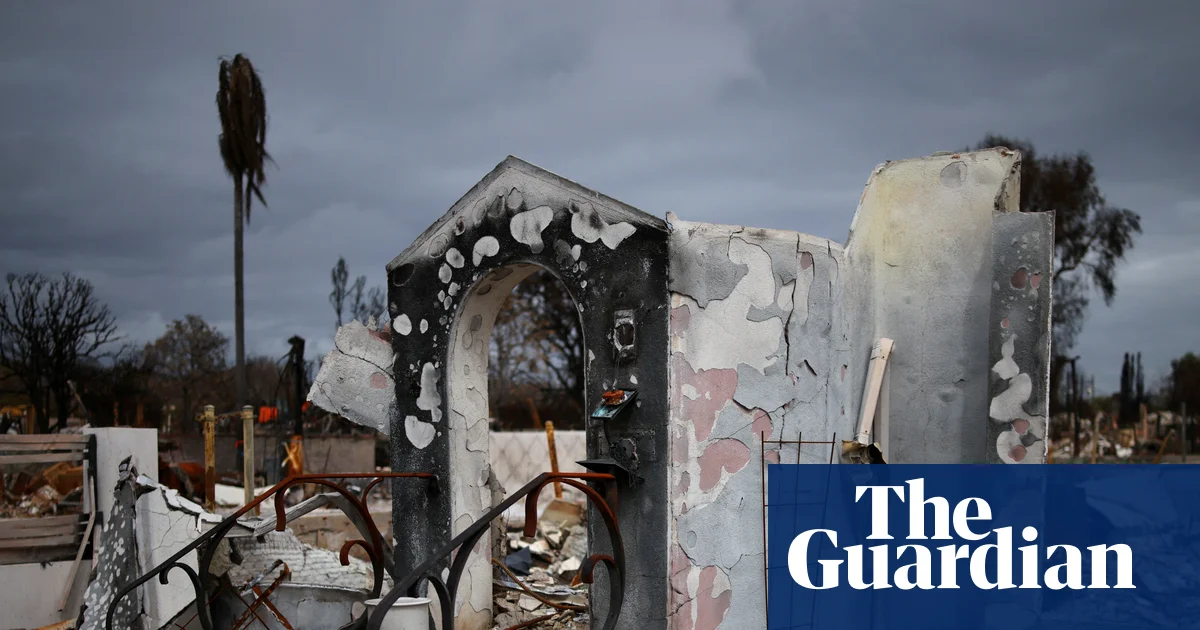
The recent Palisades fire in California has reignited not only concerns about environmental management but also about the larger geopolitical and societal implications of local crises. The fire, which tragically claimed twelve lives and razed over 6,800 structures, underscores the unpredictable and destructive power of human and natural elements intertwined in the modern world. As authorities work to address the immediate aftermath, international observers and analysts are increasingly recognizing that such disasters have ripple effects beyond regional boundaries, influencing policies, economic stability, and even global security considerations.

Legal proceedings against Jonathan Rinderknecht highlight the complexities surrounding individual responsibility amidst larger environmental and civil crises. Charged with federal arson affecting interstate commerce, Rinderknecht’s case draws attention to how digital behavior—such as his interactions with AI and geolocation data—can be scrutinized as potential indicators of intent or involvement. Historians like Dr. Linda Carter have warned that the proliferation of AI-generated content and digital footprints complicate traditional notions of guilt and innocence, especially in emergencies driven by human actions. These developments reveal a new frontier in criminal investigation, where technological intricacies shape judicial outcomes, but also threaten to infringe on civil liberties, raising questions about the limits of surveillance in safeguarding communities.

The incident also offers a lens through which to view the broader geopolitical impact of climate-related crises. As climate change continues to intensify, fires like Palisades serve as stark reminders of how environmental catastrophes can destabilize societies, strain resources, and draw international attention. Experts from organizations such as the United Nations have warned that unchecked environmental disruptions could lead to increased migration, economic hardship, and regional conflicts, especially in areas ill-prepared for such events. The destruction of California’s landscapes epitomizes the fragile balance between economic growth and environmental resilience, and the need for international cooperation in developing sustainable policies.

Meanwhile, the timing of legal and environmental responses underscores a critical debate on sovereignty and responsibility. The response to local fires, driven by national policies and emergency protocols, often influences how nations perceive threats to their stability. U.S. authorities, under growing scrutiny, must demonstrate their capacity to protect citizens without overreach. At the same time, the international community watches as nations like Russia and China contend with their own climate-related disasters, seeking to project power amidst a shifting global landscape. As historian Dr. James Parker notes, “These crises aren’t isolated; they reflect a broader struggle for influence, resilience, and control across the world’s geopolitical stage.”

As the trial of Rinderknecht approaches, with proceedings set for December 16, the outcome will likely influence future approaches to both criminal justice and disaster management. His case may become a precedent for integrating AI analysis into legal processes and determining accountability in an increasingly digital world. But as history continues to unfold, the true scope of these localized tragedies extends beyond courtrooms and firefighting efforts—prompting a fundamental reckoning with how humanity navigates a planet under siege from its own innovations and neglect.

In the end, the story of Palisades is a chapter in a much larger narrative—one of peril, resilience, and the relentless pursuit of stability amid chaos. As nations grapple with their responsibilities and citizens confront the realities of environmental and technological change, the weight of history presses upon us all. The future remains uncertain, teetering on the edge of now and the ever-approaching echo of coming storms—both natural and human-made—challenging every society to stand firm or be swept away by the storm of its own making.

Here’s a revised version of the headline with a moderate right-wing, youth-oriented tone: “The Lowdown on the Charges Facing New York AG Letitia James — What It Means for Youth and the Next Generation”

Turning Challenges into Opportunities for Inspiration

In a world where the headlines often focus on political battles and legal scandals, it’s easy to overlook the underlying lessons about resilience, integrity, and personal growth. The recent legal saga surrounding New York Attorney General Letitia James highlights a significant truth: life’s toughest moments are opportunities for reflection and transformation. While she faces federal charges related to a property in Virginia, her steadfast refusal to be silenced reminds us that maintaining integrity is a lifestyle choice, not just a legal stance. The case exemplifies the importance of becoming resilient in the face of adversity—a trait often championed by influential wellness and leadership experts like Brené Brown and Simon Sinek.

Much like the shifting landscape of global wellness trends, the focus on wellness as a holistic lifestyle encourages us to think beyond mere physical health. It’s about cultivating mental and emotional strength to navigate challenges, whether they involve personal setbacks or larger societal conflicts. When James describes her situation as a ‘desperate weaponization of the justice system’, she underscores a vital point: true wellness includes a resilient spirit capable of standing firm amidst turbulence. This mentality is essential, especially for the youth seeking purpose and direction — to see setbacks not as the end, but as catalysts for a deeper understanding of oneself and one’s values.

Inspiration from the Power of Purpose and Personal Impact

As young individuals focused on carving a meaningful life path, it’s crucial to draw inspiration from stories like James’s and the broader fight for justice and accountability. Her legal battles against powerful figures like Donald Trump and her efforts as an advocate uphold a fundamental principle: personal impact is achieved through perseverance and commitment to a cause greater than oneself. These narratives serve as a reminder that adopting a purpose-driven lifestyle isn’t just about personal success, but about fostering a society grounded in truth and accountability. Wellness experts remind us that meaningful engagement—whether through career, activism, or personal growth—fosters resilience and fuels our pursuit of impactful living.

  • Think of your lifestyle as your personal mission: align your daily routines with your values.
  • Challenge yourself to learn from setbacks, transforming them into avenues for growth.
  • Seek inspiration from those who stand up for justice and integrity, serving as role models in a tumultuous world.

A Reflection on the Journey of Embracing Challenges

As we reflect on the ongoing saga of justice, politics, and personal resilience, it becomes clear that our lifestyle choices influence not just ourselves but the collective fabric of society. The ongoing legal disputes serve as a narrative of persistence—the kind of resilience that demands we stand firm in our convictions, uphold our integrity, and aim for a life of purpose. Every setback, if approached with resolve and a growth mindset, becomes a step toward a life of true wellness and authenticity.

The journey of embracing these challenges is, in many ways, a reflection of the broader human experience — a continuous pursuit of growth, integrity, and self-awareness. Just as the legal battles of figures like James and Trump shape the political landscape, so too do our personal struggles shape our character. With each obstacle embraced and each lesson learned, we reinforce the foundation of resilience and purpose, shaping a future where wellness is not just a personal goal but a collective endeavor. For those committed to living with intention, life becomes a journey of discovery and empowerment—a narrative worth embracing with hope and unwavering resolve.

Mugabe's Son Faces Drug Charges in Court—Youth Perspectives Shift Buhari, but Justice Must Prevail
Mugabe’s Son Faces Drug Charges in Court—Youth Perspectives Shift Buhari, but Justice Must Prevail

Zimbabwe’s Political Legacy Faces New Scrutiny as Mugabe’s Son Encounters Legal Troubles

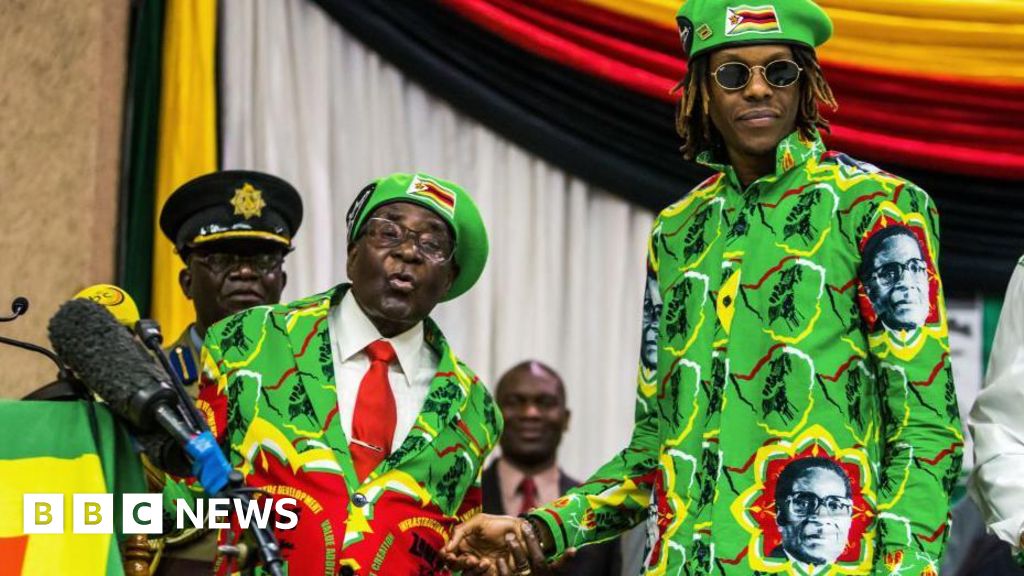
The recent arrest of Robert Mugabe Jr., the son of the late Zimbabwean ruler Robert Mugabe, has sent ripples through the nation’s fragile political landscape and raised questions about the lingering influence of his family’s dynasty. Mugabe Jr., aged 33, appeared in a Harare court on charges of drug possession after police intercepted him for driving the wrong way on a one-way street. Authorities claimed they discovered small sachets of cannabis in his possession—a detail contested by the defendant’s legal team—highlighting ongoing issues of law enforcement and judicial transparency that continue to shape Zimbabwe’s internal stability.

This incident is not isolated but part of a broader pattern that underscores the tumultuous ongoing struggle for political legitimacy and social control within Zimbabwe. The police reported arresting five alleged members of a criminal syndicate linked to Mugabe Jr., who purportedly possessed five sachets of marijuana and six ecstasy pills. Such allegations, although currently under investigation, bear important symbolic weight—they illustrate how the nation’s recent history of political upheaval, economic hardship, and social unrest remains intertwined with the Mugabe legacy. Analysts warn that these events may serve as pretexts for factional power struggles, especially as Zimbabwe navigates its post-Mugabe era, with current leader Emmerson Mnangagwa attempting to consolidate authority amid economic and political uncertainty.

Historically, Zimbabwe has been marked by a mix of liberation and repression. Its founding father, Robert Mugabe, was celebrated for his heroic role in ending colonial rule but later condemned for implementing policies that led to economic decline, hyperinflation, and widespread social discontent. International observers, including the United Nations and several regional organizations, have repeatedly called for transparency and reform, yet the country’s political culture remains deeply entrenched in patronage and corruption. With Mugabe Jr.’s incidents now coming to light, some analysts see it as a reflection of the persistent influence his family continues to wield behind the scenes, subtly shaping Zimbabwe’s geopolitics and internal dynamics.

In the broader scope of regional geopolitics, Zimbabwe’s internal upheavals hold implications for southern Africa’s stability. As South Africa, Zambia, and other neighboring states keenly observe shifting alliances and political factions, the specter of unresolved historical grievances looms large. How Zimbabwe handles these internal crises—particularly in terms of justice, transparency, and leadership accountability—will influence regional cooperation and investor confidence alike. Scholars suggest that Mugabe’s legacy remains a cautionary tale about the perils of authoritarianism and economic mismanagement. Looking forward, the decision of Zimbabwe’s judiciary regarding Mugabe Jr.’s bail and potential conviction will test the country’s commitment to the rule of law and its capacity for genuine political reform. As history continues to unfold, the nation faces a pivotal crossroad—whether to reconcile its past or allow echoes of a turbulent past to determine its future.

In the shadows of these unfolding events, the world watches with bated breath. The fate of Zimbabwe may not define the entire continent, but its trajectory carries profound implications for the resilience of democracy and the ongoing quest for justice in a nation scarred by decades of conflict. As Mugabe’s legacy persists, the question remains: will the currents of change finally break the cycle of repression, or will history once again be written in the blood and tears of Zimbabwe’s people? The answer lies ahead, but one certainty endures—history’s weight presses heavily on Zimbabwe’s shoulders, and the world stands witness to a nation still searching for its true destiny amid the shadows of its past.

Shipping boss tied to Kremlin's secret fleet faces charges
Shipping boss tied to Kremlin’s secret fleet faces charges

In a striking development that underscores the ongoing geopolitical contest fueled by the Russia-Ukraine conflict, France has taken decisive action against what appears to be a clandestine part of Russia’s shadow fleet. The detention of the Chinese-national captain of the tanker Boracay signals a deliberate attempt by Western nations to clamp down on Moscow’s covert oil operations designed to evade broad-based sanctions. This vessel, believed to be part of a widespread network of tankers—estimated to number between 600 and 1,000 ships, according to French President Emmanuel Macron—has been flagged for its suspicious activities, including attempts to mask its true flags and ownership as it transited European waters.

The detainment of the Boracay followed a surge of European security concerns after it was found near Saint-Nazaire, with authorities accusing it of refusing to comply with naval orders and ambiguity over its nationality. The vessel, registered in Benin—a common practice to obfuscate ownership—has a history of evasive maneuvers, including being detained earlier this year by Estonian authorities for sailing without a valid flag. This pattern highlights the persistent challenge faced by international maritime law enforcement efforts. By seizing the vessel, France aims to send a clear message: Western coalition partners will actively oppose Russia’s attempts to secretly bolster its energy exports, which are vital to its geopolitical resilience amidst sanctions.

This incident also comes amid a broader regional upheaval exemplified by recent drone incursions into European airspace. Incidents over **Denmark**, **Poland**, **Estonia**, and **Romania** suggest a breadth of destabilizing activities that Western nations attribute, at least officially, to Moscow. Despite denials from Russia—which insists that any such incursions are accidental—the pattern of increased military and surveillance activity has compelled a summit on EU security, with leaders like Macron emphasizing the urgency of countering these threats. The placement of drones over airports and military bases underscores a decisive shift towards hybrid warfare strategies—an evolution of conflict that blurs the lines between traditional combat and covert sabotage.

International organizations and security analysts warn that these developments are more than isolated incidents—they reflect a concerted effort by Russia to challenge Western dominance and instill instability within NATO’s eastern flank. The shadow fleet serves as a critical tool in Moscow’s arsenal, providing plausible deniability and strategic flexibility, while the drone activities may be prelude to larger, more aggressive moves. The European Union now stands at a crossroads: advancing sanctions and enforcement or risking unchecked aggression that could escalate into a broader conflict. As French officials scrutinize the vessel’s origins and movements, and as Russia dismisses accountability, the contest for influence in this vital region enters an uncertain, volatile phase. The unfolding narrative is a stark reminder: in today’s interconnected world, the decisions made in this moment will echo through the corridors of history, shaping the balance of power for generations to come.

James Comey faces federal charges of obstruction and perjury, raising concerns

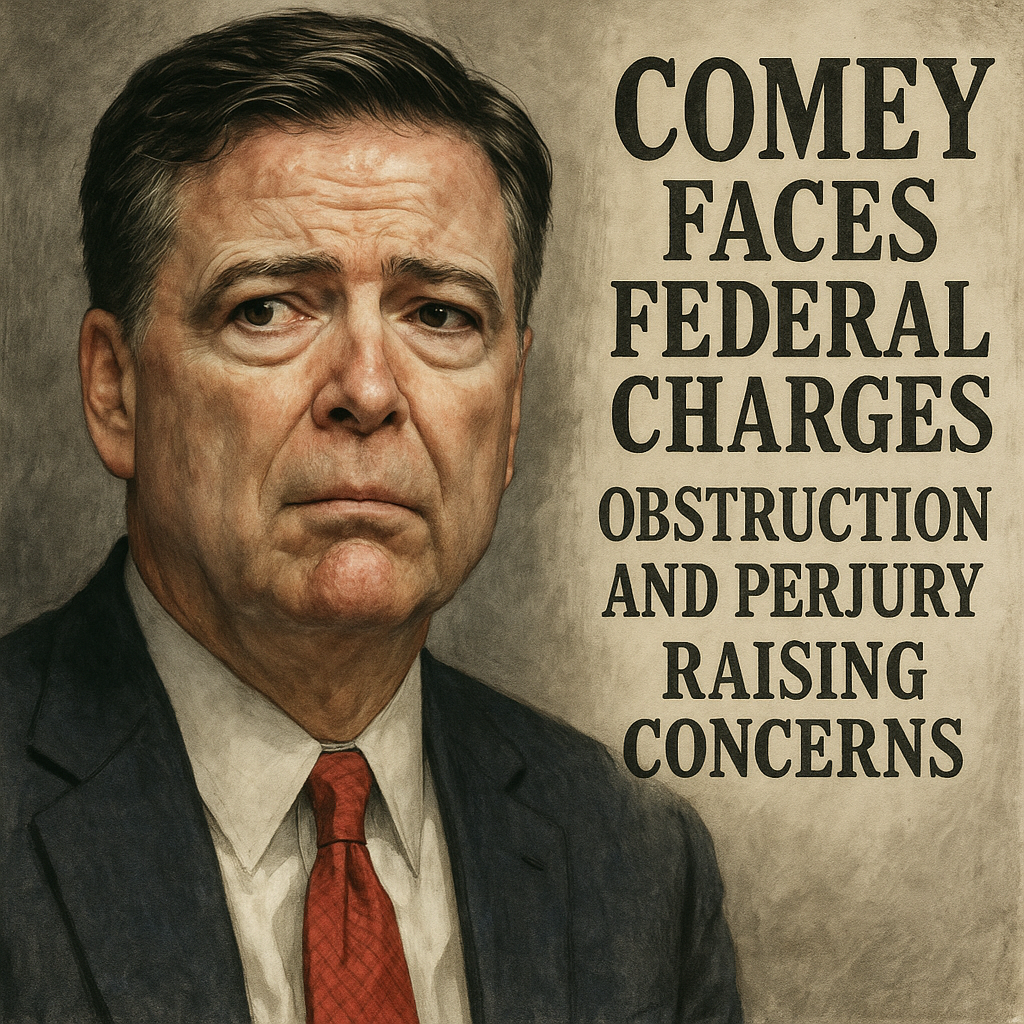
The recent indictment of former FBI Director James Comey by a federal grand jury marks a pivotal moment in the ongoing power struggles within the American political landscape. This development, coming on the heels of President Donald Trump’s calls for accountability, underscores the relentless battle over control of institutions and narrative. Comey, once a cornerstone of the FBI’s leadership, now faces charges including making a false statement and obstruction—charges that transcend mere legal accusations, embodying the ideological clash between those seeking to maintain law and order versus those striving for accountability in the face of perceived corruption.

From a historical perspective, this move echoes classic political dramas where the machinery of justice becomes a tool in the broader power struggle. The timing, just days after Trump’s public insistence on prosecuting Comey, amplifies the notion that decisions within the justice system are becoming increasingly intertwined with partisan interests. Experts in constitutional law note that such indictments, especially against figures once considered within the security state establishment, reflect a turbulent shift—possibly a redefinition of the boundaries of executive authority and oversight. This is reminiscent of earlier eras of political upheaval, where legal actions against high-ranking officials signal whether a nation is on a path toward justice or chaos.

Critics argue that the charges are emblematic of a broader trend where political factions leverage legal mechanisms to settle scores or shape public perception. Supporters, however, contend that no public servant is immune to scrutiny, regardless of stature. As constitutional theorists remind us, the rule of law must be protected against the temptation of political vendettas, lest the very fabric of constitutional governance frays. The charges also serve to remind citizens that, in a constitutional republic, power is mortal and fleeting; institutions exist to keep it in check, but they are also vulnerable to manipulation.

Ultimately, these events underscore that politics is less about personalities and more about the battle for the soul of the nation. Decisions made today will ripple through history, shaping not just legal precedents but the societal fabric itself. As political strategist and thinker Leo Strauss might suggest, in this realm of relentless power struggles, the future remains unwritten—destiny is proclaimed on the stage of battles that test the limits of authority and justice. In this unfolding narrative, the true victors are those who shape the rules of the game—and, perhaps, who decide the very course of national destiny.

Social Media Auto Publish Powered By : XYZScripts.com