Matox News

Truth Over Trends, always!

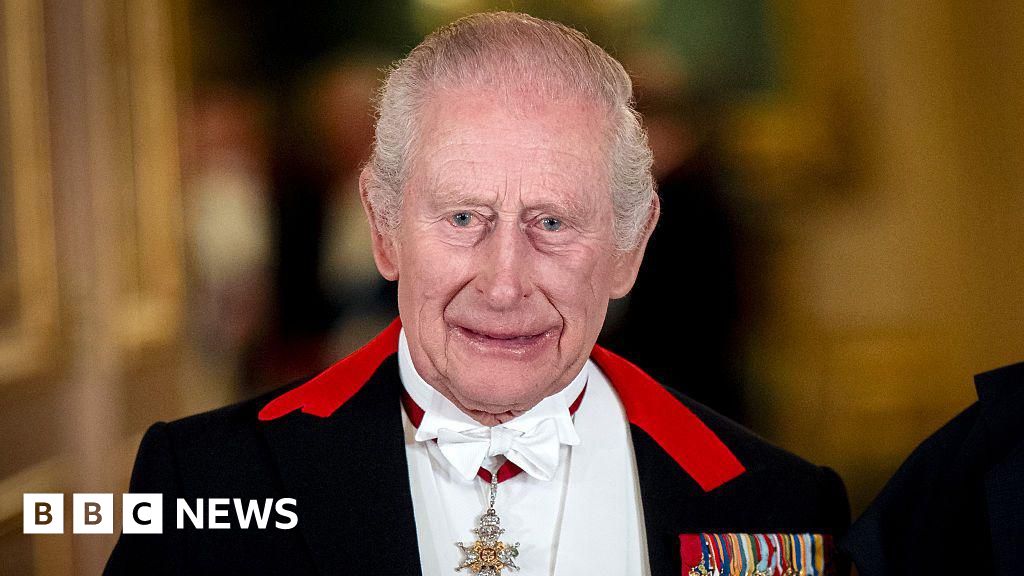
Congressman urges King Charles to meet Epstein victims during US trip

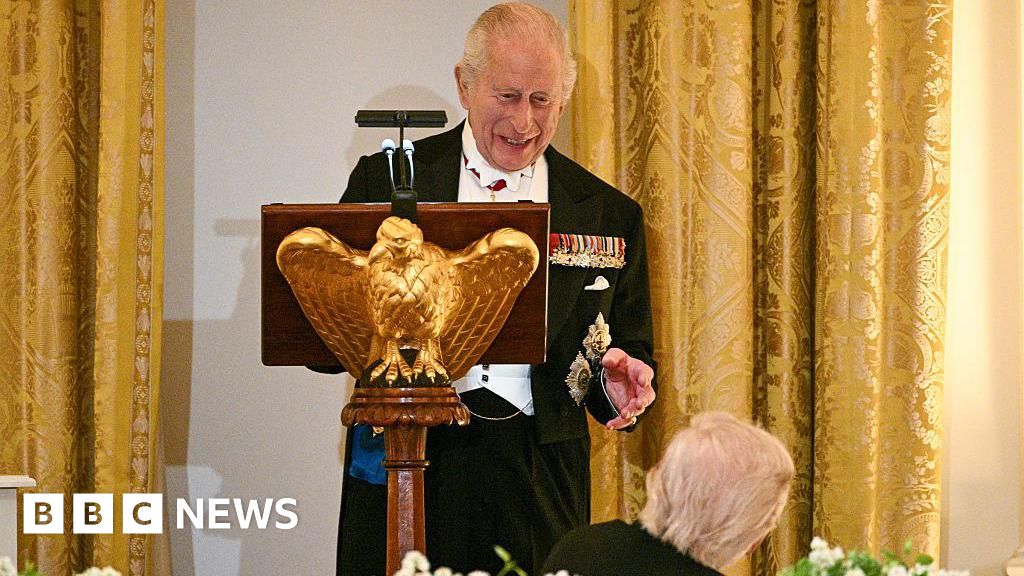
As international attention shifts toward the evolving diplomatic landscape, reports suggest that King Charles III and Queen Camilla are planning a historic visit to the United States at the end of April. Though this trip remains unconfirmed officially, the implications of such a move could be profound, signaling a recalibration of the UK’s diplomatic priorities amidst a shifting global order. Historically, visits by monarchical figures have served as symbols of alliance and diplomacy, but in today’s geopolitical climate, they carry even greater weight as indicators of national intent and alliance strength.

This prospective visit comes at a time when international relations are fraught with tension, especially concerning the rising assertiveness of China and the ongoing conflicts in Eastern Europe. Analysts at the International Institute for Strategic Studies emphasize that such a diplomatic gesture could serve to bolster transatlantic ties faced with shared challenges. Traditionally, the United Kingdom has maintained close ties with the United States, and a royal visit could deepen this alliance, fostering unity at a time when global stability hangs in the balance.

Critics and supporters alike debate the geopolitical impact of this potential journey. Some analysts argue that the symbolism of a royal visit underscores the UK’s desire to remain relevant in the current international arena, especially as the monarchy continues to symbolize continuity and tradition amid rapid political change elsewhere. Others warn that such visits could be perceived as out of touch or unnecessary amid domestic challenges facing the UK, including economic uncertainties and political unrest.

  • Reports point to this visit as a potential attempt to revive and strengthen cultural and diplomatic ties post-Brexit, signaling a message of unwavering allegiance to the Atlantic alliance.
  • U.S. officials and lawmakers are reportedly preparing for the reception, viewing the engagement as a strategic gesture amidst ongoing global confrontation with authoritarian regimes.
  • Historical perspectives, from diplomatic scholars like Niall Ferguson, highlight that royal visits have historically served as pivotal moments in reinforcing alliances, but also as opportunities for soft power wielded on the international stage.

How these decisions ripple across nations and societies will be under scrutiny in the coming weeks. The UK and US, long-standing allies, now find their relationship tested and defined anew in this uncertain era. As the world watches with bated breath, the unlikely footprints of a royal delegation in the United States may yet mark a turning point—either as a symbol of enduring tradition or a harbinger of shifting alliances. The pages of history are turning, and the weight of what is yet to come remains uncertain, waiting to be written in the chronicles of the 21st century.

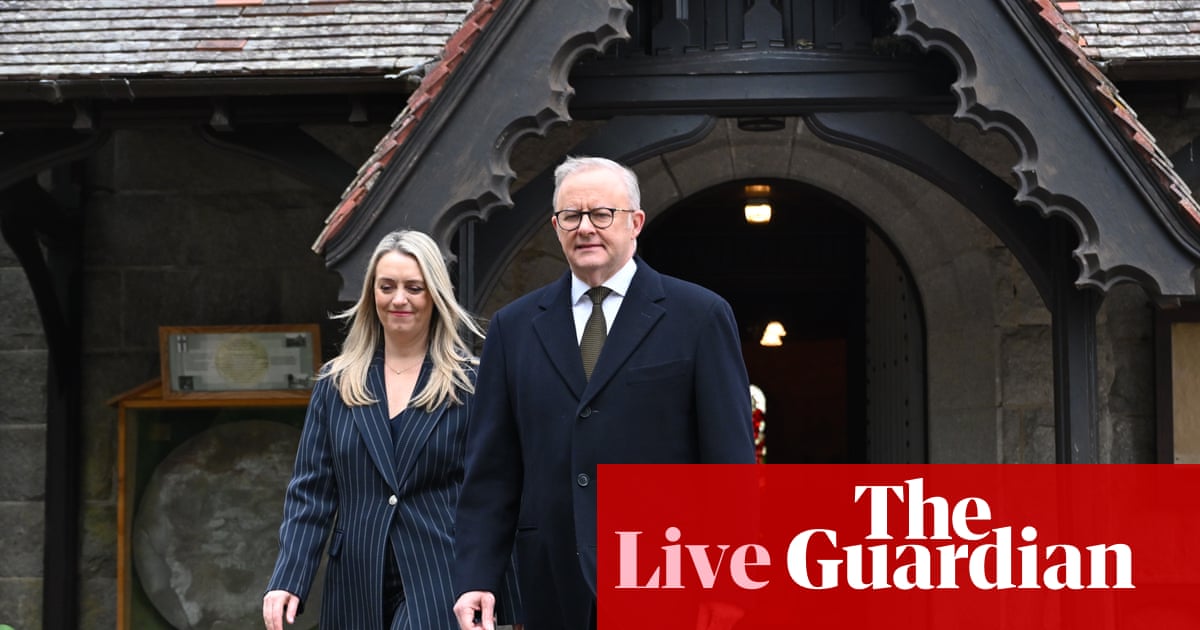
Australia News: Albanese rules out republic vote after meeting with King Charles

In an era defined by rapid geopolitical shifts and surging international tensions, Anthony Albanese, the Prime Minister of Australia, has recently positioned himself at the heart of global diplomacy. His week of international engagements culminated in a historic visit to the Scottish Highlands, where he met with King Charles at Balmoral Castle. This meeting symbolizes not only a strengthening of diplomatic ties between Australia and the British monarchy but also signals Australia’s ongoing effort to assert its global presence amidst rising geopolitical upheaval. Albanese’s visit highlights a nation eager to balance historical ties with strategic interests, especially as alliances such as AUKUS and the shifting dynamics within world powers reshape international order.

The details of Albanese’s conversations with the monarch remain under strict protocol, cloaked in diplomatic discretion. Yet, official statements mention discussions on world affairs, emphasizing the country’s engagement with broader global issues. This diplomatic outreach coincides with Albanese’s broader international itinerary, which included addressing the United Nations and briefly engaging with US President Donald Trump. Analysts from the International Crisis Group and geopolitical experts suggest that such interactions reflect Australia’s intent to elevate its voice on issues like regional security, resource management, and adherence to international rules of law. As the world faces conflicts like the Ukraine crisis and regional disputes in the Indo-Pacific, Australia’s diplomatic posture appears aimed at reinforcing alliances and asserting sovereignty in a turbulent geopolitical landscape.

Meanwhile, domestic politics intertwine with these international maneuvers. Albanese’s firm stance against holding a referendum on Australia becoming a republic signifies a focus on stability and national identity, contrasting with his earlier openness to the idea. Critics from opposition factions, including Senator Michaelia Cash, critique his international diplomatic commitments, arguing that excessive overseas engagement might detract from pressing domestic issues such as the cost of living and national economic resilience. These criticisms underscore a broader debate on how nations prioritize their global strategy while maintaining societal stability. Yet, veteran political observers warn that such disputes could overshadow the country’s long-term strategic interests, especially as geopolitical tensions escalate.

Historians and analysts warn that the unfolding decisions and diplomatic nuances of today may well echo through future generations as a pivotal chapter in Australia’s national and international history. Albanese’s measured approach aims to forge a balanced path—asserting Australian sovereignty, cultivating strategic international alliances, and maintaining constitutional stability. In a world where ideals are often challenged by realpolitik, the choices made now will determine whether this young nation can punch above its weight or become hidden beneath global conflicts and shifting alliances. As diplomats and citizens alike watch these unfolding events, history quietly witnesses the emergence of a new global landscape, where the balance of power is neither fixed nor predictable—yet forever in flux, shaping the course of nations and societies for decades to come.

Social Media Auto Publish Powered By : XYZScripts.com