Matox News

Truth Over Trends, always!

Union Chief Urges Ministers to Drop Foolish Pay Restraints on Civil Service

Challenges Facing Society’s Core Institutions and Families

In an era marked by rapid technological advancement and shifting socio-political landscapes, public institutions stand at a critical juncture. The civil service, tasked with implementing policies that shape everyday life, faces a crisis rooted in underfunding and regulatory undermine. Union leader Mike Clancy has issued a stark warning: if Ministers do not end the misguided restraints on civil service pay, the essential pool of technical and digital specialists will continue to erode. These professionals are the backbone of effective governance, yet low pay and limited career progression threaten to disarm the very institutions designed to serve society. Clancy emphasizes that the government’s outdated approach—such as equating civil service pay at senior levels with that of the Prime Minister—is both “barking mad” and self-sabotaging. Such policies not only hinder recruitment but also compromise the quality of public service that families depend upon for stability and fairness.

The Impact on Education, Environment, and Community Trust

Across the fabric of our communities, resource shortages translate into tangible delays and neglected responsibilities. According to recent reports, agencies like Natural England and the Environment Agency are unable to meet critical deadlines—delays that directly impact families and local environments. For example, over half of planning application responses have missed their targets, primarily due to insufficient staffing and expertise. This is not just a bureaucratic failure; it is a breakdown in the social contract that holds communities accountable and ensures their well-being. As sociologists like Michael Sandel argue, trust in civic institutions is foundational to societal cohesion. When residents see their requests ignored, especially on issues like housing or infrastructure, the consequences deepen social divides and foster cynicism towards authorities meant to protect them.

Underlying Social Tensions and the Need for a Cultural Shift

At the heart of these issues lies a profound cultural shift—one where regulation is misinterpreted as an obstacle rather than a safeguard. Clancy warns against the simplistic view that deregulation and austerity will boost productivity, asserting instead that “regulators are builders, not blockers.” The misallocation of resources and the neglect of institutional capacity threaten to unravel the moral fabric of society, where fairness, opportunity, and progress for families and workers are paramount. The push by some business groups to weaken worker protections, such as the Employment Rights Act, exemplifies how economic interests often overshadow social stability. It highlights a need for a societal narrative that recognizes the importance of equitable pay, strong regulations, and invested public services as pillars of a resilient, forward-looking nation.

In this fragile landscape, the challenge is to balance economic vitality with social justice, ensuring that families are not sacrificed on the altar of deregulation. As historian and social commentator David Hackett Fischer notes, societies flourish when they invest in their human capital; neglecting this investment leads to disillusionment and decline. The path forward demands courage—rejecting right-wing tropes that trivialize the vital role of civil servants, and embracing a vision where communities are active agents, not passive recipients of government policy. Only through such a cultural renaissance can society begin to mend its fractured trust and cultivate a hopeful future where societal resilience is built on fairness, resourcefulness, and shared purpose.

Jonathan Powell declines bid to step in as Starmer’s chief of staff, signaling shifts in party leadership

Society at a Crossroads: The Impact of Leadership Changes on Communities and Families

In recent weeks, the shifting corridors of power within public institutions and governmental circles reveal more than just political maneuvering; they mirror deep-seated sociocultural tensions and demographic shifts that significantly influence the fabric of families, education, and communities. These changes often ripple outward, shaping societal perceptions of morality, stability, and hope. As figures like Jonathan Powell—a seasoned adviser with a storied career in mediation and diplomacy—consider stepping away from the political spotlight, society faces not just leadership recalibrations but the challenge of maintaining social cohesion amidst turbulence.

Much of the current discourse centers on *power struggles* within the political elite, influencing how societies address issues of trust, national security, and international relations. Historical sociologists such as Seymour Martin Lipset have argued that political leadership plays a pivotal role in shaping societal values, and the recent turnover in advisers echoes a broader concern: when those who guide policy shift frequently, the social contract risks weakening. Families dependent on clear, stable leadership are often left feeling uncertain, especially as the government’s foreign policy decisions—like the controversial appointment of Peter Mandelson as ambassador to Washington—become sources of internal conflict and partisan debate.

Social Tensions: The Consequence of Leadership and Policy Choices

At the core of this upheaval lies the profound impact on community cohesion. The controversies surrounding appointments based on political loyalty rather than diplomatic expertise threaten to erode the trust in institutions that traditionally serve as pillars for societal stability. When high-profile figures like Powell advise against controversial figures—highlighting concerns rooted in ethical considerations and historical mishandlings—and their counsel is ignored, the message to *families and local communities* becomes clear: political expediency often overrides moral prudence. As Hosni Mubarak once observed, “The strength of a nation depends on the integrity of its leadership.” Such moments test the moral fabric of society, questioning whether institutions are truly committed to the human impact over political gain.

Furthermore, these leadership struggles influence the education of the next generation—shaping their understanding of accountability, justice, and societal responsibility. The young, witnessing constant changes at the top without clear ethical direction, may develop a skewed view of leadership as self-interest rather than service. This erosion of moral authority fuels skepticism towards authority figures, undermining the social bonds that hold communities together. Sociologists like Robert Putnam emphasize that social capital—trust and networks—decreases when leadership becomes unpredictable, further weakening societal resilience and the capacity to address pressing issues such as inequality and injustice.

Pathways Toward Social Renewal

  • Restoring trust in institutions: Transparent processes and merit-based appointments can rebuild faith at the community level.
  • Empowering local communities: Giving communities a voice in decision-making fosters shared responsibility and resilience.
  • Strengthening ethical leadership: Encouraging moral integrity and accountability within public service creates a foundation for societal hope.

As the societal landscape continues to evolve, the challenge remains: how can families, schools, and communities forge a collective destiny rooted in values of integrity, stability, and hope? As history whispers the stories of nations that faced darkness but emerged into light through the resilient actions of ordinary people, society must renew its commitment to nurturing leaders who prioritize human dignity above political expedience. The journey toward societal health demands more than policies; it requires a moral revolution—one that recognizes that every social issue, at its core, is a reflection of our shared humanity and the hope that, through collective effort, society can heal, flourish, and redefine its destiny for generations to come.

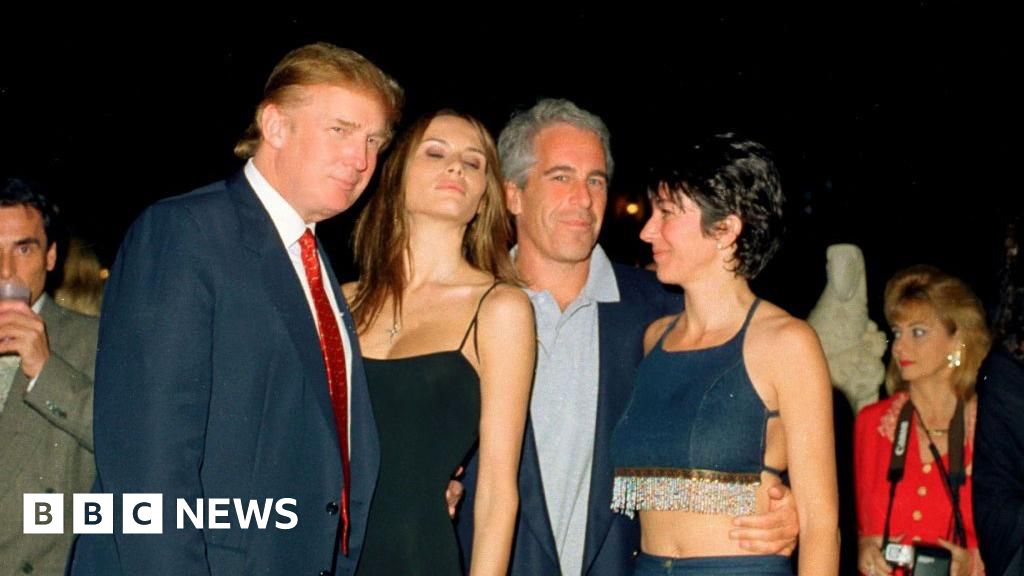
Ex-police chief claims Trump said in 2006 ‘everyone’ knew about Epstein’s misconduct

Amidst the ongoing revelations that ripple through the international political landscape, emerging reports suggest that the now-president contacted Florida law enforcement during investigations involving Jeffrey Epstein, the convicted sex offender whose case has continued to scandalize global elites. According to sources close to the investigation, the president allegedly expressed relief upon learning that police were taking action, reportedly stating, “thank goodness you’re stopping him.” Such a statement raises profound questions about the intertwining of political influence and high-profile criminal cases, especially those with implications stretching across multinational corridors of power.

The timing and context of this revelation are deeply significant, particularly as questions mount over whether political actors exerted influence to shield powerful individuals associated with Epstein. International analysts and political historians have long debated the denuclearization and criminal justice processes within U.S. borders, emphasizing how domestic law enforcement decisions resonate globally. The case, which involves allegations that extend into the highest strata of international society, underscores the fragile boundaries between justice and hierarchy. As investigations continue, critics argue that such communications — if true — reflect a troubling tendency for political figures to sway law enforcement, potentially undermining the rule of law and eroding public trust.

The geopolitical impact of these revelations cannot be overstated. Decisions in domestic criminal investigations ripple across diplomatic relations, influence international perceptions of judicial independence, and feed into broader narratives about the accountability of the powerful. The controversy surrounding Epstein’s case has already fueled conspiracy theories and distrust in international institutions, such as the United Nations and the Organization of American States, which often grapple with questions of sovereignty and justice. As political leaders worldwide watch this unfolding story, there is a keen awareness that how nations navigate these revelations could determine the future of justice and transparency in the 21st century.

Historians and continued international oversight warn that, in a world increasingly interconnected, the failure to address such issues openly could lead to greater social unrest and erode trust in governance. Some critics describe this moment as a pivotal turning point—one that challenges long-standing assumptions about sovereignty, corruption, and the influence of clandestine power networks that operate behind closed doors. The trajectory of this case, combined with the geopolitical tensions surrounding it, leaves many pondering whether global societies are at a crossroads — where transparency and justice become the only path forward or succumb to the shadows of secrecy and manipulation. As history progresses, the question remains: will future generations look back at this epoch as a triumph of accountability, or as a cautionary tale of nations lost to their own secrets?

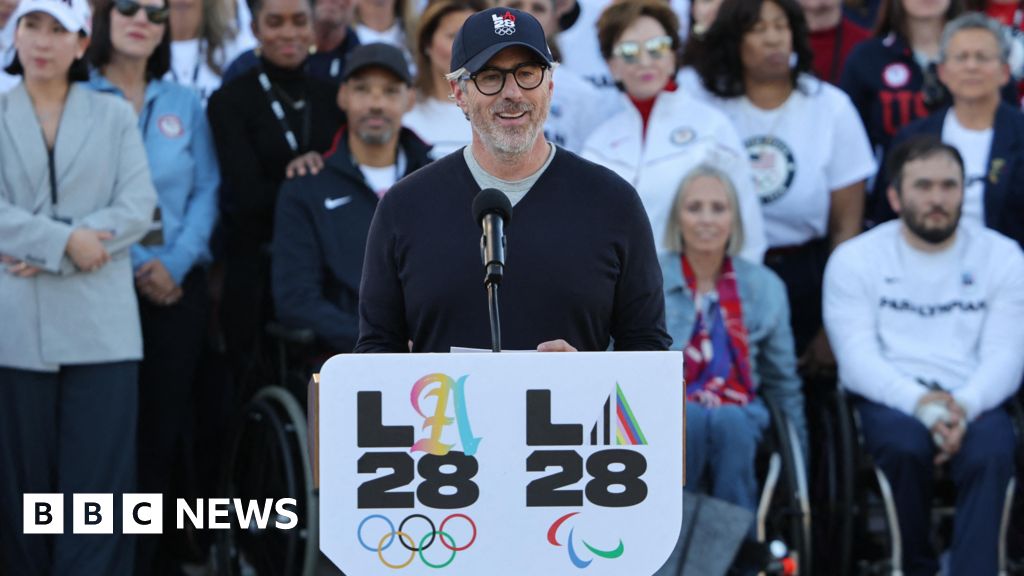
LA 2028 Olympics Chief Apologizes for Flirty Emails with Ghislaine Maxwell

In a development that has sent shockwaves through geopolitical circles worldwide, the US Department of Justice recently released a trove of classified and sensitive files, among which were the infamous emails of Casey Wasserman. While initially dismissed as a minor privacy breach, the publication of these documents underscores a broader trend of increasing transparency and vulnerability in international relations. As nations watch cautiously, analysts warn that this breach could have profound, long-lasting effects on diplomatic strategies and global power dynamics.

Historically, leaks of this magnitude catalyze shifts in how governments operate and communicate. The publication of Wasserman’s emails provides an unprecedented window into personal interactions that may, at first glance, seem trivial yet, in reality, reveal underlying tensions and alliances. International institutions such as the United Nations and regional alliances are analyzing how this breach impacts trust and cooperation among nations. Political commentators and defense strategists argue that such disclosures could embolden adversaries, increase espionage activities, and complicate ongoing diplomatic negotiations. In an era where information is the most potent weapon, the lines between personal and national security continue to blur.

From a geopolitical impact perspective, the release of these files symbolizes a paradigm shift in how nations may approach transparency and secrecy. Many experts, including prominent historians like Dr. Julia Armstrong, emphasize that the trustworthiness of international communication hinges increasingly on confidentiality. The exposure of private exchanges among influential figures can erode diplomatic norms that have, until now, underpinned global stability. Furthermore, this incident underscores a broader vulnerability in the digital age—a warning that even the most seemingly inconsequential private conversations are now subject to international scrutiny, paving the way for new doctrines of cybersecurity and information warfare.

As the fallout unfolds, it is clear that this breach is not an isolated incident but rather a harbinger of a new era where global institutions must adapt to a rapidly changing informational landscape. From treaty negotiations to military alliances, every facet of international relations is at risk. The reaction from strategic centers like NATO and the European Union reflects a shared sense of urgency: safeguarding operational confidentiality while navigating the treacherous waters of public disclosure. States are now compelled to rethink their models of diplomacy, weighing transparency against strategic secrecy in an increasingly interconnected world.

Ultimately, the story of Wasserman’s emails and the subsequent release by the US Department of Justice leaves a lasting imprint—a stark reminder that history is *still* being written, often on the digital battlefield. As nations grapple with the new realities of pervasive surveillance and information disseminations, the weight of this moment will be felt for generations. The question remains: will this serve as a catalyst for renewed international transparency, or will it deepen the existing chasm of mistrust? In the grand narrative of geopolitics, this is merely the opening chapter of a stirring, uncertain chapter yet to come.

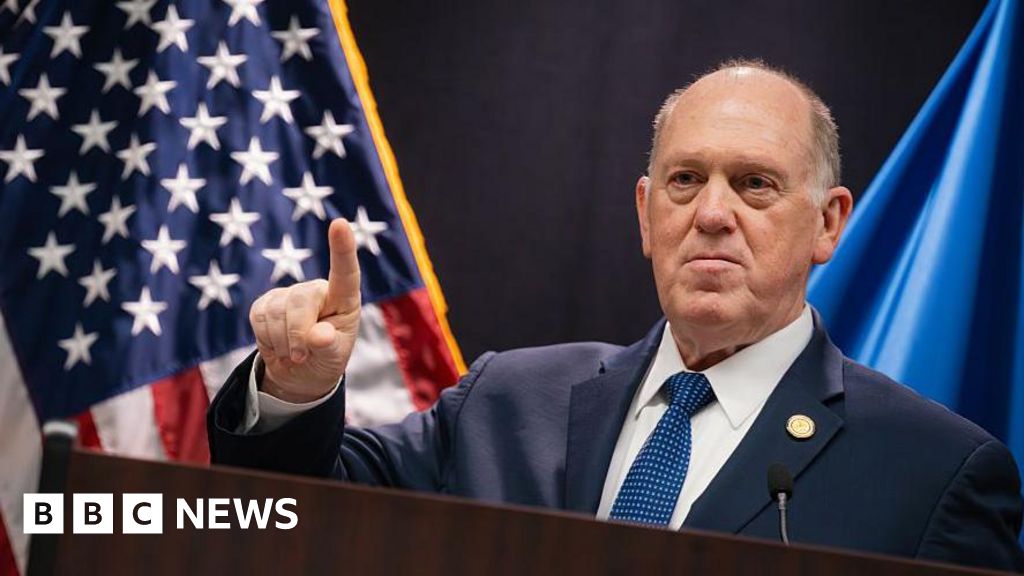
Border Chief: Minneapolis Agents May Exit If Local Leaders Cooperate

In an effort to recalibrate immigration enforcement policies, Tom Homan, a prominent figure within the Trump administration, announced a shift toward more targeted immigration operations. This move arises amidst mounting frustrations within specific urban centers and on Capitol Hill, where bipartisan concern over border security and immigration reform continues to simmer. The administration’s promise to refine enforcement strategies reflects a broader attempt to address the complex confluence of domestic pressure and international security dynamics, positioning itself at a critical juncture for U.S. domestic policy and global geopolitics.

Historically, debates over immigration have risen to the forefront of U.S. political discourse, with recent efforts emphasizing a more constrained approach to unauthorized crossings. Analysts suggest that these targeted operations aim to prioritize threats linked to transnational crime, human trafficking, and national security risks—shifting away from broad, indiscriminate sweeps. This approach aligns with the views of many security experts and included in recommendations from international think tanks and organizations such as Homeland Security. By focusing enforcement, the administration intends to avoid inflaming local communities while addressing security concerns that resonate across policy circles, especially amid growing geo-economic tensions.

The decision to implement more precise immigration actions bears significant geopolitical impacts. As regional powers such as China and Russia observe shifts in U.S. foreign and domestic policy, they are increasingly aware of how these policies influence global stability. The targeted approach is not merely about border control but acts as a strategic signal—demonstrating that the United States is refining its enforcement to avoid unnecessary humanitarian crises that could fuel international criticism, while simultaneously projecting strength against irregular migration flows that threaten borders. International organizations, including the United Nations, continue to monitor how such policies align with global standards on human rights and sovereignty.

Critical to this development are the broader implications for international relations. Countries that are sources or transit points for migration are already reevaluating their diplomatic strategies. Historically, border enforcement has had ripple effects, influencing regional stability and economic cooperation. Experts warn that overly aggressive policies could provoke retaliatory measures or destabilize neighboring nations—effects that ripple well beyond America’s borders. Furthermore, experts warn that such targeted operations could serve as a warning sign to adversaries looking to exploit internal divisions as a means of destabilization, adding a layer of tension to the already volatile global landscape.

As nations watch these developments unfold, historians and foreign policy analysts recognize that this shift marks a critical turning point in the ongoing contest over sovereignty and security. The decisions made today could echo through generations, shaping the contours of international stability and the societal fabric of America itself. With so much at stake, the weight of history hangs heavily, and the world awaits—impatiently yet anxiously—for the next chapter of this unfolding story, where policies on the home front will echo loudly across the global stage.

Border Chief Promises ICE Improvements, Keeps Quiet on U.S. Citizen Shootings — Live Update on Minnesota ICE Incidents

In an era defined by shifting geopolitical sands and undercurrents of conflict, the United States continues to grapple with the implications of its immigration policies, both domestically and on the world stage. Under the leadership of figures like Tom Homan, Trump-era border czar, the federal government has maintained a stance of aggressive enforcement, emphasizing “targeted” operations and the assertion that “if you’re in the country illegally, you’re never off the table.” This approach, often characterized by no-holds-barred enforcement tactics, has sparked controversy and raised alarms internationally. Analysts warn that this aggressive posture not only deepens internal societal divisions but also has ripple effects across bilateral relations, especially with neighbors like Mexico and in the broader context of global alliances.

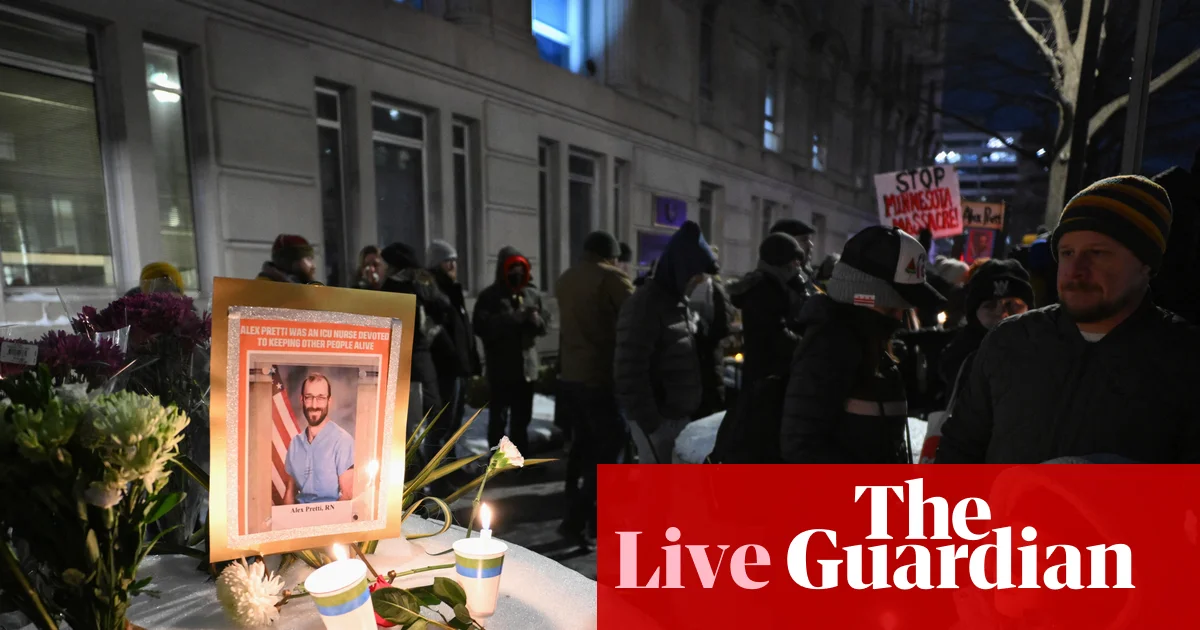
This latest surge in immigration enforcement coincides with increased tensions within Minneapolis following the fatal shooting of Alex Pretti by federal agents, an incident that has sharpened divides and intensified scrutiny of the federal government’s approach. Despite growing public outrage and protests, as witnessed during recent confrontations captured on video, officials such as Homan remain resolute, refusing to specify “improvements” or comment on specific investigations. “We know exactly who we’re looking for,” Homan declared, underscoring the relentless focus of federal agents on targeting *all* undocumented individuals, regardless of their criminal record or civil status. Critics argue that such policies risk dehumanizing vulnerable populations and escalating civil unrest, further complicating the already fragile rule of law within American jurisdictions.

Geopolitical Impact: A World Divided Over Sovereignty and Security

The unfolding situation in Minnesota and other states exemplifies how internal policy decisions can have profound geopolitical impacts. America’s stance on immigration, reinforced by directives from officials like Homan, signals a tough-on-immigration posture that resonates globally. Countries like Mexico and European nations watch with concern as the U.S. tightens border security and ramps up enforcement actions, often at the expense of diplomatic goodwill. The Biden administration, while attempting to soften some policies, faces mounting pressure from political factions demanding a line in the sand. Experts from think tanks and international organizations warn that prolonged enforcement crackdowns, especially when accompanied by violence and civil unrest, could destabilize regional security, increase refugee flows, and threaten global economic stability.

Meanwhile, the international community’s response remains mixed. While some nations criticize the U.S. for human rights violations, others, especially those facing their own migratory crises, look to Washington’s policies as a cautionary tale or even a blueprint. The United Nations and human rights advocates warn that the U.S. approach risks fostering a climate of fear and intolerance. In the global arena, the perception that the U.S. is prioritizing aggressive immigration enforcement over diplomatic cooperation can weaken alliances — including NATO — which already seemed shaken by rifts over policies such as Trump’s threats to impose tariffs on European allies and his ambitions over Greenland. How these internal policies shape perceptions and alliances will undoubtedly determine the geopolitical landscape for decades to come.

Reshaping Domestic Politics and Society

Within the American political arena, these enforcement actions and incidents like the Minneapolis shootings have catalyzed debates over sovereignty, civil rights, and the future of immigration reform. The recent announcement by Senator Amy Klobuchar of her bid for California governor and the rise of moderate figures like Matt Mahan reflect a nation at crossroads—one divided sharply along ideological lines over the best course of action. The relentless discourse around immigration has also seeped into local elections, with candidates blaming violence and social decay on federal policies, and promising to restore order and civility. Analysts warn that unless a decisive shift occurs, America’s internal divisions could deepen, leading to an unstable socio-political landscape that might result in further civil strife and international consequences, reminiscent of Cold War-era power struggles that shaped history.

As the world witnesses these tumultuous shifts, history eyes America’s next move—will it continue down the path of fierce enforcement and internal conflict, or will it seek a new vision rooted in collaboration and justice? The decisions made today—whether in Minneapolis, Washington, or in international diplomacy—are forging the narrative of an uncertain tomorrow. The odyssey of a nation caught between sovereignty, security, and the universal human quest for freedom is far from over; it remains unwritten on the expansive canvas of history, waiting for its next chapter to unfold in the shadows of a world still learning how to survive and thrive amid conflict and change.

Border Patrol Chief to Depart Minneapolis Amid Alex Pretti Shooting Controversy

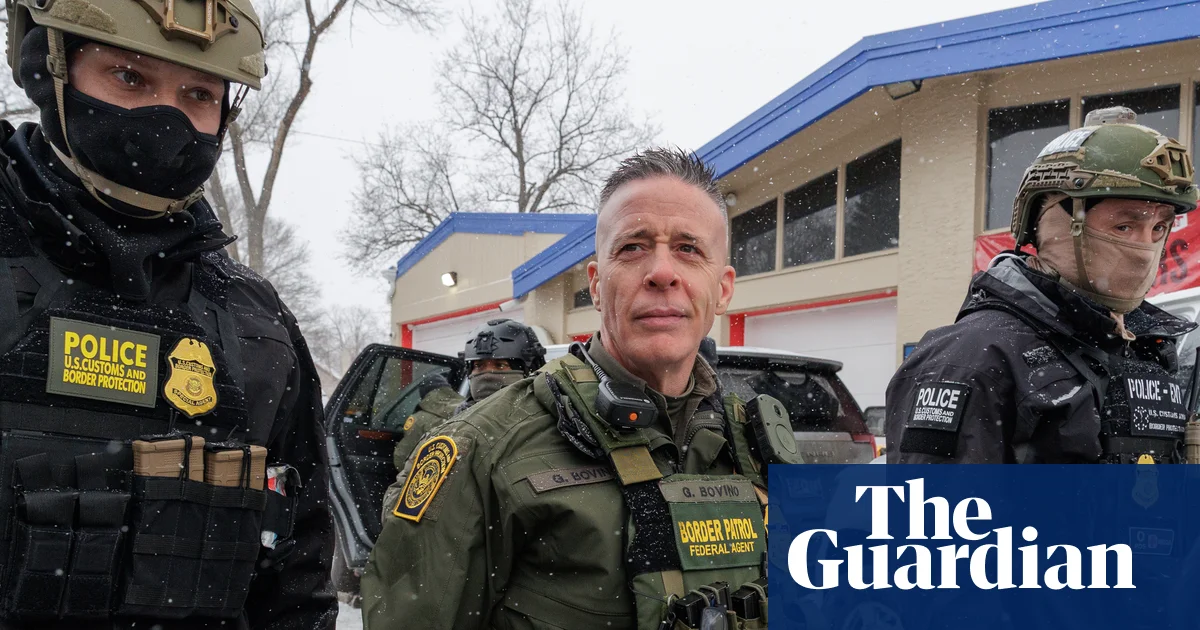
In a striking turn of events that extends beyond local Minneapolis tensions to the broader geopolitical landscape, recent shifts in United States immigration enforcement strategy reveal the resilience of a nation grappling with both internal unrest and international reputation. The White House has begun to modulate its aggressive approach, exemplified by the replacement of Gregory Bovino, the hardline border patrol commander, with Tom Homan, a seasoned figure known for his staunch stance on immigration control. This move comes amidst mounting criticism from civil liberties groups and Democrats, highlighting the White House’s challenge to balance urgent national security concerns with the image of lawful authority—an issue watched closely by global institutions seeking to interpret U.S. policy as a bellwether for Western democratic stability.

The decision to demote Bovino, a vocal supporter of the Trump administration’s deportation campaigns, accompanies a premature scaling back of federal military-style enforcement tactics in Minneapolis, where the tragic shooting of nurse Alex Pretti by federal agents has reignited protests. The White House’s shift, reportedly prompted by a series of deadly encounters and diplomatic pressures—such as calls from Minnesota’s Governor Tim Walz and Minneapolis Mayor Jacob Frey—signals an attempt at calibration in a tense geopolitical harbor. It underscores how domestic unrest dovetails with broader U.S. foreign policy narratives, affecting international perceptions of American law and order, especially when viewed through the persistent lens of the global community’s anxiety over rising authoritarian tactics versus democratic ideals.

Analysts from the Council on Foreign Relations and the Heritage Foundation emphasize that such internal reckonings are not isolated. They serve as turning points that ripple across the international stage. The Biden administration’s recent efforts to distance itself from the previous administration’s hardline policies, while still grappling with the consequences of aggressive enforcement, exemplify how leadership choices influence transnational efforts on migration and security. Meanwhile, global allies monitor *America’s internal policies*—such as the aggressive use of force, the legitimacy of police conduct, and the symbolism of leadership decisions—as reflective of the country’s ability to project soft power amidst chaos. Historically, similar internal crises have either fueled regional instability or prompted reform, depending on the collective response by civic institutions and the international community.

As the story unfolds, the tragic shooting of Alex Pretti and the subsequent political fallout remind the world that history is still writing its chapters. The pandemic of violence and division beckons a question that transcends borders: how long can a nation uphold the veneer of stability while grappling with the cracks beneath? With protests still echoing through the streets and leadership shifting in the corridors of power, it becomes clear that the United States stands at a pivotal crossroads—its choices echoing for generations to come, shaping a legacy of resilience or regression in the unfolding drama of history.

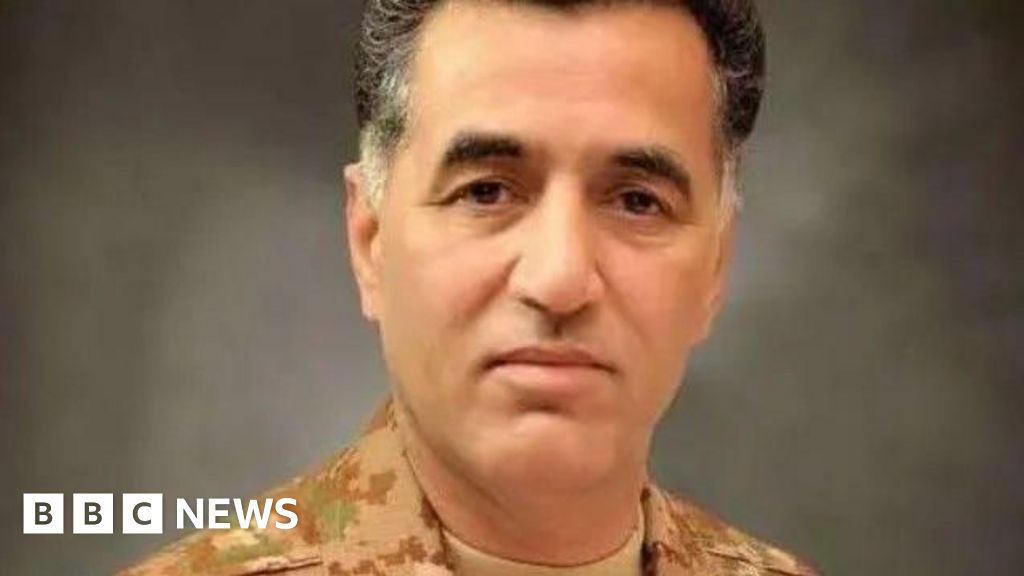
Pakistan’s military locks up ex-spy chief Faiz Hameed for 14 years ahead of critical elections

Pakistan continues to find itself at a critical juncture in its complex political landscape, as recent developments signal both internal struggles and broader implications for regional stability. The sentencing of Faiz Hameed, the former head of the Inter-Services Intelligence (ISI), to 14 years in prison marks a historic moment—the first time in Pakistan’s history that an ISI chief has been court martialled. This unprecedented move speaks volumes about the shifting balance of power within Pakistan’s military and civilian spheres, and serves as a stark reminder of the persistent turbulence in the nation’s governance.

The charges against Hameed—including violation of state secrets and interference in political processes—underscore the tense intersection between Pakistan’s military elite and its political leadership. Hameed, a key figure during Imran Khan’s tenure as prime minister, was known for his staunch support of the ousted leader. The military’s move to prosecute and imprison its former intelligence chief not only intensifies the ongoing politicization of Pakistan’s military institutions but also sends a clear message to those in power: accountability is gaining ground, even against the military’s upper echelons. Historians and security analysts see the case as a *possible sign of internal reforms or factional struggles within Pakistan’s powerful military establishment*, which has historically operated with significant autonomy from civilian authority.

Official reports from the Pakistan Army, citing the Pakistan Army Act, reveal that the court martial proceedings lasted *over a year* and were conducted behind closed doors—symptomatic of the secretive nature that often cloaks military interventions. The charges levied include misuse of powers, involvement in political agitation, and harm to citizens, especially regarding alleged protests related to Khan’s arrest on 9 May 2023. The verdict, although denied public transparency, indicates an intention to curb political interference within the military’s ranks, a move that could shift the longstanding tradition of military dominance in the nation’s politics and mark a pivot toward demonstrating accountability and strengthening civil-military boundaries.

Internationally, this development draws sharp attention from observers and institutions. Global organizations, such as the United Nations and regional security partners, watch closely as Pakistan’s internal dynamics may influence regional stability, especially given ongoing tensions in neighboring India, Afghanistan, and beyond. Analysts warn that any weakening of military influence could have unpredictable consequences, either paving the way toward greater democratic reform or triggering internal unrest. As Pakistan’s future remains uncertain, the court’s decision to sentence a figure of such influence signals an internal shift, but also suggests an escalating battle for dominance between civil authority and military power.

What remains clear is that history continues to unfold rapidly for a nation caught in the throes of reform, resistance, and the relentless pursuit of power. The story of Faiz Hameed is not just about one man—it’s a chapter in a larger narrative of a nation striving to redefine itself. As the dust settles and courts proceed, the weight of Pakistan’s history presses on, leaving the world to ponder whether this moment signifies the dawn of transparency or the prelude to further chaos. Decisions taken today will echo in the corridors of history, shaping the future of a nation whose destiny remains intricately woven into the fabric of regional and global security.

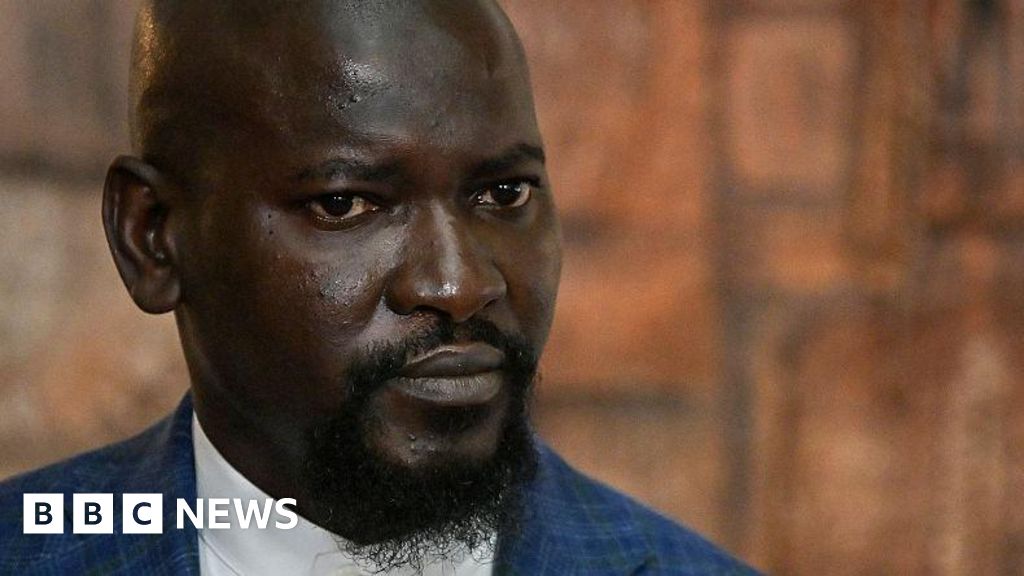
Coup chief Mamady Doumbouya officially Launches Bid for Guinea’s Presidency

In Guinea, a nation still reeling from recent upheavals, a pivotal moment is unfolding that could redefine the country’s future trajectory. The military commander Col Mamadi Doumbouya, who seized power in a coup four years ago, has shattered his earlier promise to facilitate a transition to civilian rule by announcing his candidacy for president. His submission at the Supreme Court, flanked by soldiers and cloaked in anonymity with sunglasses, raises profound questions about the political integrity of upcoming elections. This move not only signals a consolidation of military influence but also challenges longstanding international expectations for Guinea’s democratic processes.

Despite initial pledges to hand over power, Doumbouya’s decision to compete in December’s electoral contest underscores a pattern witnessed across parts of Africa where military regimes manipulate political systems amidst promising rhetoric. The exclusion of major opposition parties—such as RPG Arc en Ciel and UFDG—by electoral authorities further diminishes the legitimacy of these elections, fueling concerns from international watchdogs like the Economic Community of West African States (ECOWAS) and analysts who warn that these developments threaten regional stability. The situation exemplifies the rise of authoritarian tendencies under the guise of democratic transition, with critics emphasizing that Guinea’s political space is narrowing under the weight of authoritarian governance disguised as constitutional reform.

The electoral process itself has become a battleground for credibility, highlighted by a controversial deposit requirement of 875 million Guinean francs ($100,000), which many consider a barrier designed to limit political participation. While the previous deposit was nearly comparable, the increased financial threshold has sparked outrage among ordinary Guineans, who see it as an obstacle to genuine democratic contestation. Historically, African nations have wrestled with such manipulations—where economic hurdles serve as tools for entrenched elites to maintain power—yet the international community remains cautious in its response, wary of fueling instability. As historians and analysts observe, this election reflects a broader geopolitical trend: authoritarian strongmen cloaked in transactional democracy to insulate themselves from accountability and opposition.

Under Col Doumbouya‘s rule, Guinea has seen a crackdown on dissent—media outlets have been suspended, internet access restricted, and street protests violently suppressed. Such tactics evoke memories of how military regimes across Africa have often justified repression by citing the need to stabilize the nation and eradicate corruption, despite evidence to the contrary. Yet, the very justification used by Doumbouya—accusations of rampant corruption and human rights abuses under his predecessor—appears to be increasingly exploited as a pretext for consolidating power rather than as a genuine crusade for reform. The geopolitics of the region are sensitive, with neighboring powers and international organizations watching closely, wary of a possible slip into prolonged autocracy that could undermine regional security and economic stability.

As Guinea’s political theater prepares for this decisive chapter, history hangs in the balance, leaving the wider world to ponder: Will this election herald the dawn of renewed civilian governance, or will it serve as yet another chapter in Africa’s ongoing struggle with military entrenchment? The influence of veterans’ testimonies and regional diplomatic efforts emphasizes the necessity of vigilance, for in the shadows of this unfolding contest, the future of Guinea—and perhaps West Africa—may be decided not just by ballots, but by the enduring power of agreement, influence, and the weight of history-bearing decisions still to come.

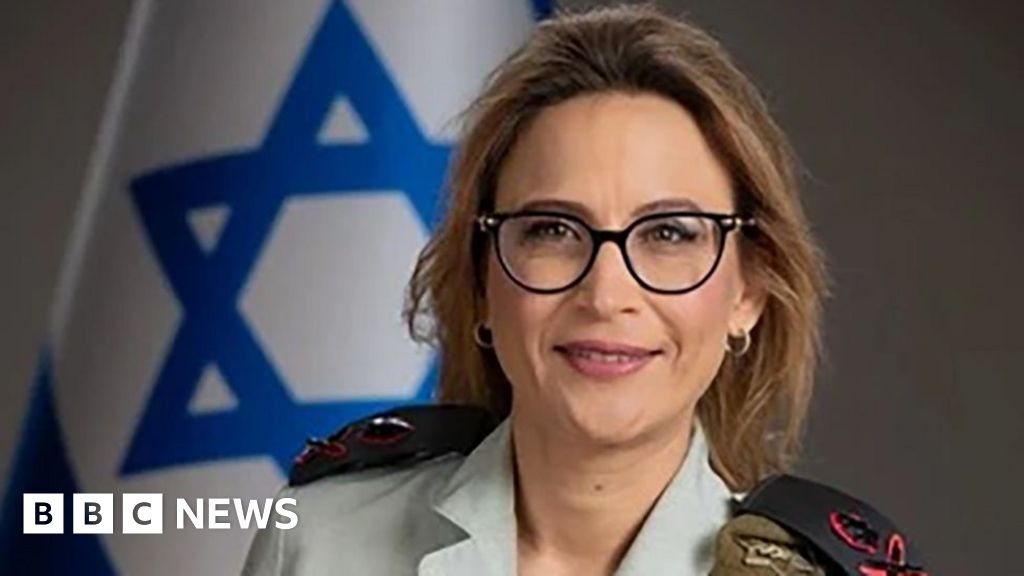
Ex-Israeli military legal chief arrested over leaked video of alleged Palestinian detainee abuse

Israel’s Internal Crisis Deepens as Leaked Military Video Sparks International Outcry

The recent exposure of a clandestine video involving the Israel Defense Forces (IDF) at the Sde Teiman military base has ignited a fierce national and international debate, illuminating the profound geopolitical impact of military accountability amid ongoing conflict with Palestinian territories. The footage, broadcast widely in August 2024, allegedly depicts reserve soldiers brutalizing a Palestinian detainee, with claims of severe abuse including beatings and sexual violence. This revelation has stunned global pundits and analysts, who warn it signals a troubling turning point in the perception of Israel’s military ethics and legal integrity.

The fallout from the leak has underscored a stark division within Israeli society. On the right, political figures and military supporters have condemned the release of the video as an attack on the nation’s honor. Many see it as a deliberate smear campaign, aimed at damaging Israel’s image amidst its ongoing struggle with regional adversaries. Supporters, including prominent lawmakers aligned with Prime Minister Benjamin Netanyahu, have called for harsh measures against those responsible, framing the incident as a defamation of Israeli military personnel and a threat to national security. Conversely, on the political left, critics argue that the footage vindicates long-standing allegations of systemic abuse and torture within the detention system, which international organizations like the UN have repeatedly condemned. These contrasting narratives reveal how decisions made in secrecy can ripple through geopolitical alliances and societal trust.

Leadership Scandals and International Repercussions

The scandal escalated further with the dramatic resignation of Major General Yifat Tomer-Yerushalmi, the former Military Advocate General, who admitted to leaking the video. Her departure was coupled with a high-profile police search and her subsequent arrest, highlighting the severe domino effect of internal military and political conflicts. The incident exposed fissures within Israel’s leadership, with figures such as Defense Minister Israel Katz openly condemning her, describing her actions as an unpatriotic breach of duty, while Prime Minister Netanyahu characterized the incident as “perhaps the most severe public relations attack since Israel’s founding.” Such rhetoric underscores how domestic disagreements are intertwined with the larger geopolitical narrative of Israel’s self-image as both a democratic state and a regional military power.

International observers have voiced concern over how this internal turmoil could influence Israel’s standing on the global stage. Western allies, especially the United States and European countries, are scrutinizing the credibility of Israeli claims about its military conduct amid calls for transparency and accountability. Global institutions such as Human Rights Watch and Amnesty International have seized upon the video and its aftermath to reiterate longstanding accusations of violations against Palestinian detainees. The broader how decisions taken in Jerusalem affect regional stability is a subject of intense debate among analysts, many warning that unchecked military misconduct could undermine diplomatic efforts in the fragile Middle East peace process.

Historical Echoes and Future Uncertainties

Historians and geopolitical analysts warn that Israel’s internal struggles now echo the turbulent times of the 20th century, where military upheavals and political crises foreshadowed larger regional conflicts. The recent events at Sde Teiman serve as a reminder that what begins as a domestic controversy often has a potent ripple effect across borders. As Israel confronts accusations of brutality and attempts to contain the fallout, the specter of regional destabilization looms. The revelations have stirred calls from many quarters for robust reforms, yet beneath the surface lies a deeper question: how will the unfolding narrative shape the future of Israeli society and its relations with the Palestinian people?

As history continues to be written in real time, the weight of every decision—whether it involves suppression, transparency, or accountability—may ultimately determine the fate of a region already teetering on the edge of chaos. The world watches with bated breath, aware that in this crucible of controversy, the lines between justice and nationalism are often blurred, and that the pages of history are yet to turn on what may become one of the defining moments of the 21st century.

Social Media Auto Publish Powered By : XYZScripts.com