Matox News

Truth Over Trends, always!

Pakistan’s military locks up ex-spy chief Faiz Hameed for 14 years ahead of critical elections

Pakistan continues to find itself at a critical juncture in its complex political landscape, as recent developments signal both internal struggles and broader implications for regional stability. The sentencing of Faiz Hameed, the former head of the Inter-Services Intelligence (ISI), to 14 years in prison marks a historic moment—the first time in Pakistan’s history that an ISI chief has been court martialled. This unprecedented move speaks volumes about the shifting balance of power within Pakistan’s military and civilian spheres, and serves as a stark reminder of the persistent turbulence in the nation’s governance.

The charges against Hameed—including violation of state secrets and interference in political processes—underscore the tense intersection between Pakistan’s military elite and its political leadership. Hameed, a key figure during Imran Khan’s tenure as prime minister, was known for his staunch support of the ousted leader. The military’s move to prosecute and imprison its former intelligence chief not only intensifies the ongoing politicization of Pakistan’s military institutions but also sends a clear message to those in power: accountability is gaining ground, even against the military’s upper echelons. Historians and security analysts see the case as a *possible sign of internal reforms or factional struggles within Pakistan’s powerful military establishment*, which has historically operated with significant autonomy from civilian authority.

Official reports from the Pakistan Army, citing the Pakistan Army Act, reveal that the court martial proceedings lasted *over a year* and were conducted behind closed doors—symptomatic of the secretive nature that often cloaks military interventions. The charges levied include misuse of powers, involvement in political agitation, and harm to citizens, especially regarding alleged protests related to Khan’s arrest on 9 May 2023. The verdict, although denied public transparency, indicates an intention to curb political interference within the military’s ranks, a move that could shift the longstanding tradition of military dominance in the nation’s politics and mark a pivot toward demonstrating accountability and strengthening civil-military boundaries.

Internationally, this development draws sharp attention from observers and institutions. Global organizations, such as the United Nations and regional security partners, watch closely as Pakistan’s internal dynamics may influence regional stability, especially given ongoing tensions in neighboring India, Afghanistan, and beyond. Analysts warn that any weakening of military influence could have unpredictable consequences, either paving the way toward greater democratic reform or triggering internal unrest. As Pakistan’s future remains uncertain, the court’s decision to sentence a figure of such influence signals an internal shift, but also suggests an escalating battle for dominance between civil authority and military power.

What remains clear is that history continues to unfold rapidly for a nation caught in the throes of reform, resistance, and the relentless pursuit of power. The story of Faiz Hameed is not just about one man—it’s a chapter in a larger narrative of a nation striving to redefine itself. As the dust settles and courts proceed, the weight of Pakistan’s history presses on, leaving the world to ponder whether this moment signifies the dawn of transparency or the prelude to further chaos. Decisions taken today will echo in the corridors of history, shaping the future of a nation whose destiny remains intricately woven into the fabric of regional and global security.


Coup chief Mamady Doumbouya officially Launches Bid for Guinea’s Presidency

In Guinea, a nation still reeling from recent upheavals, a pivotal moment is unfolding that could redefine the country’s future trajectory. The military commander Col Mamadi Doumbouya, who seized power in a coup four years ago, has shattered his earlier promise to facilitate a transition to civilian rule by announcing his candidacy for president. His submission at the Supreme Court, flanked by soldiers and cloaked in anonymity with sunglasses, raises profound questions about the political integrity of upcoming elections. This move not only signals a consolidation of military influence but also challenges longstanding international expectations for Guinea’s democratic processes.

Despite initial pledges to hand over power, Doumbouya’s decision to compete in December’s electoral contest underscores a pattern witnessed across parts of Africa where military regimes manipulate political systems amidst promising rhetoric. The exclusion of major opposition parties—such as RPG Arc en Ciel and UFDG—by electoral authorities further diminishes the legitimacy of these elections, fueling concerns from international watchdogs like the Economic Community of West African States (ECOWAS) and analysts who warn that these developments threaten regional stability. The situation exemplifies the rise of authoritarian tendencies under the guise of democratic transition, with critics emphasizing that Guinea’s political space is narrowing under the weight of authoritarian governance disguised as constitutional reform.

The electoral process itself has become a battleground for credibility, highlighted by a controversial deposit requirement of 875 million Guinean francs ($100,000), which many consider a barrier designed to limit political participation. While the previous deposit was nearly comparable, the increased financial threshold has sparked outrage among ordinary Guineans, who see it as an obstacle to genuine democratic contestation. Historically, African nations have wrestled with such manipulations—where economic hurdles serve as tools for entrenched elites to maintain power—yet the international community remains cautious in its response, wary of fueling instability. As historians and analysts observe, this election reflects a broader geopolitical trend: authoritarian strongmen cloaked in transactional democracy to insulate themselves from accountability and opposition.

Under Col Doumbouya‘s rule, Guinea has seen a crackdown on dissent—media outlets have been suspended, internet access restricted, and street protests violently suppressed. Such tactics evoke memories of how military regimes across Africa have often justified repression by citing the need to stabilize the nation and eradicate corruption, despite evidence to the contrary. Yet, the very justification used by Doumbouya—accusations of rampant corruption and human rights abuses under his predecessor—appears to be increasingly exploited as a pretext for consolidating power rather than as a genuine crusade for reform. The geopolitics of the region are sensitive, with neighboring powers and international organizations watching closely, wary of a possible slip into prolonged autocracy that could undermine regional security and economic stability.

As Guinea’s political theater prepares for this decisive chapter, history hangs in the balance, leaving the wider world to ponder: Will this election herald the dawn of renewed civilian governance, or will it serve as yet another chapter in Africa’s ongoing struggle with military entrenchment? The influence of veterans’ testimonies and regional diplomatic efforts emphasizes the necessity of vigilance, for in the shadows of this unfolding contest, the future of Guinea—and perhaps West Africa—may be decided not just by ballots, but by the enduring power of agreement, influence, and the weight of history-bearing decisions still to come.

Ex-Israeli military legal chief arrested over leaked video of alleged Palestinian detainee abuse

Israel’s Internal Crisis Deepens as Leaked Military Video Sparks International Outcry

The recent exposure of a clandestine video involving the Israel Defense Forces (IDF) at the Sde Teiman military base has ignited a fierce national and international debate, illuminating the profound geopolitical impact of military accountability amid ongoing conflict with Palestinian territories. The footage, broadcast widely in August 2024, allegedly depicts reserve soldiers brutalizing a Palestinian detainee, with claims of severe abuse including beatings and sexual violence. This revelation has stunned global pundits and analysts, who warn it signals a troubling turning point in the perception of Israel’s military ethics and legal integrity.

The fallout from the leak has underscored a stark division within Israeli society. On the right, political figures and military supporters have condemned the release of the video as an attack on the nation’s honor. Many see it as a deliberate smear campaign, aimed at damaging Israel’s image amidst its ongoing struggle with regional adversaries. Supporters, including prominent lawmakers aligned with Prime Minister Benjamin Netanyahu, have called for harsh measures against those responsible, framing the incident as a defamation of Israeli military personnel and a threat to national security. Conversely, on the political left, critics argue that the footage vindicates long-standing allegations of systemic abuse and torture within the detention system, which international organizations like the UN have repeatedly condemned. These contrasting narratives reveal how decisions made in secrecy can ripple through geopolitical alliances and societal trust.

Leadership Scandals and International Repercussions

The scandal escalated further with the dramatic resignation of Major General Yifat Tomer-Yerushalmi, the former Military Advocate General, who admitted to leaking the video. Her departure was coupled with a high-profile police search and her subsequent arrest, highlighting the severe domino effect of internal military and political conflicts. The incident exposed fissures within Israel’s leadership, with figures such as Defense Minister Israel Katz openly condemning her, describing her actions as an unpatriotic breach of duty, while Prime Minister Netanyahu characterized the incident as “perhaps the most severe public relations attack since Israel’s founding.” Such rhetoric underscores how domestic disagreements are intertwined with the larger geopolitical narrative of Israel’s self-image as both a democratic state and a regional military power.

International observers have voiced concern over how this internal turmoil could influence Israel’s standing on the global stage. Western allies, especially the United States and European countries, are scrutinizing the credibility of Israeli claims about its military conduct amid calls for transparency and accountability. Global institutions such as Human Rights Watch and Amnesty International have seized upon the video and its aftermath to reiterate longstanding accusations of violations against Palestinian detainees. The broader how decisions taken in Jerusalem affect regional stability is a subject of intense debate among analysts, many warning that unchecked military misconduct could undermine diplomatic efforts in the fragile Middle East peace process.

Historical Echoes and Future Uncertainties

Historians and geopolitical analysts warn that Israel’s internal struggles now echo the turbulent times of the 20th century, where military upheavals and political crises foreshadowed larger regional conflicts. The recent events at Sde Teiman serve as a reminder that what begins as a domestic controversy often has a potent ripple effect across borders. As Israel confronts accusations of brutality and attempts to contain the fallout, the specter of regional destabilization looms. The revelations have stirred calls from many quarters for robust reforms, yet beneath the surface lies a deeper question: how will the unfolding narrative shape the future of Israeli society and its relations with the Palestinian people?

As history continues to be written in real time, the weight of every decision—whether it involves suppression, transparency, or accountability—may ultimately determine the fate of a region already teetering on the edge of chaos. The world watches with bated breath, aware that in this crucible of controversy, the lines between justice and nationalism are often blurred, and that the pages of history are yet to turn on what may become one of the defining moments of the 21st century.

Russian push ramps up near crucial Ukrainian town, army chief warns

Ukraine under Siege: The Battle for Pokrovsk and Its Global Significance

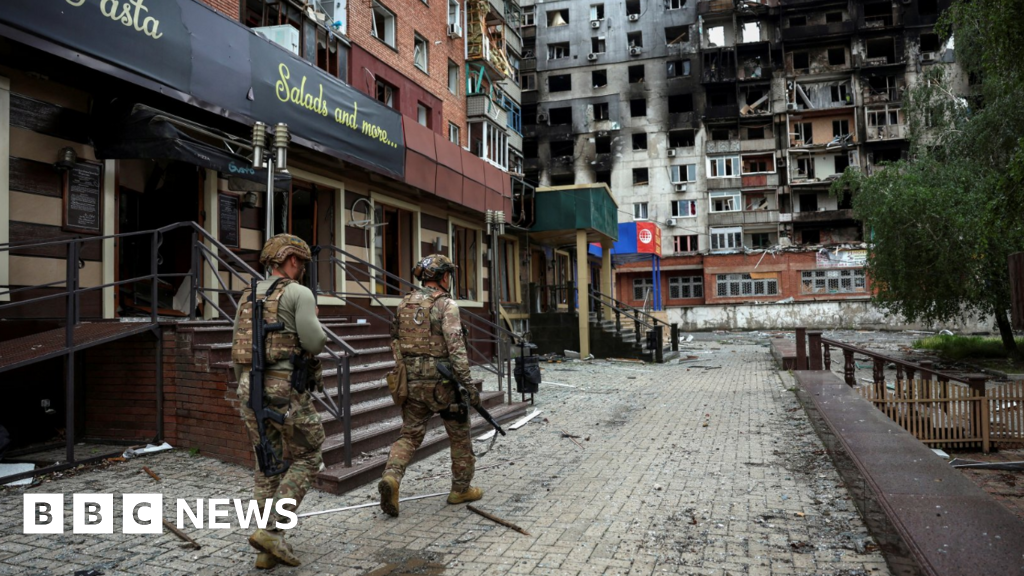
Amid the ongoing conflict in Ukraine, recent reports signal a disturbing escalation around the vital frontline town of Pokrovsk in the Donetsk region. Ukraine’s armed forces, led by Commander-in-Chief Oleksandr Syrskyi, have warned that Russian activity is intensifying, with Russian infantry massing and attempting to encircle the city. These developments are not merely localized skirmishes; they are a critical piece in the larger chessboard of Russia’s strategy to seize control of strategic transport and supply hubs in eastern Ukraine. The town’s fall could pave the way for Russian advances toward Kramatorsk and Sloviansk, the only significant Ukrainian-controlled urban centers still resisting in the region. This potential shift in control would significantly undermine Ukraine’s territorial integrity and complicate Western support efforts.

Official Ukrainian sources and independent analysts have painted a picture of a fierce and dynamic confrontation. Ukrainian General Syrskyi dismissed rumors of a blockade as propaganda, emphasizing that Russian forces are maneuvering around the town, seeking to infiltrate and weaken Ukrainian defenses. Despite the heavy Russian troop buildup, Ukrainian commanders are focused on maintaining a delicate balance—aiming to protect their soldiers while preventing encirclement. The situation remains “difficult,” according to Syrskyi, as Russian forces have been relentless in attempting to infiltrate deeper into Pokrovsk; some reports suggest the city is teetering on the brink of crisis. The battle for Pokrovsk symbolizes a broader struggle—one that involves not only regional territorial control but also the fight for world perception and geopolitical influence.

Meanwhile, international voices and intelligence assessments underscore the gravity of these developments. Ukrainian President Volodymyr Zelensky publicly declared Pokrovsk the “main target” of Russian advances and claimed Russia’s forces there are outnumbering Ukrainian defenders by a staggering ratio—eight to one. Zelensky asserted that Russia’s true aim is to demonstrate to the United States and NATO that Ukraine is on the retreat, a narrative Moscow desperately seeks to sell to bolster its strategic narrative. Analysts from organizations like Sybelline warn that the battle has entered a “highly dynamic and intense phase,” with Russian forces incrementally encircling and disrupting Ukrainian supply routes. Ukrainian monitoring groups suggest that time is running out—Pokrovsk is at a tipping point, and its loss could have rippling effects across the entire eastern front.

The stakes extend far beyond the battlefield. This confrontation encapsulates a broader geopolitical struggle—a symbolic battleground where Russia seeks to fracture Ukraine and redefine regional power balances, challenging the responses of Western allies. The international community, including NATO, watches anxiously as the outcomes here will determine whether Ukraine can withstand Russian pressure or if the tide will turn, forcing a reevaluation of Western support. This is a moment where history is not merely being written; it is being forged amidst gunfire and diplomacy, with the world hanging in a delicate balance. As the drums of war beat louder, global observers must ask—how will this chapter conclude, and what new order will emerge from the ashes of this relentless and pivotal confrontation?

Pentagon Chief Orders New U.S. Strike on Drug Smuggling Boat in the Caribbean

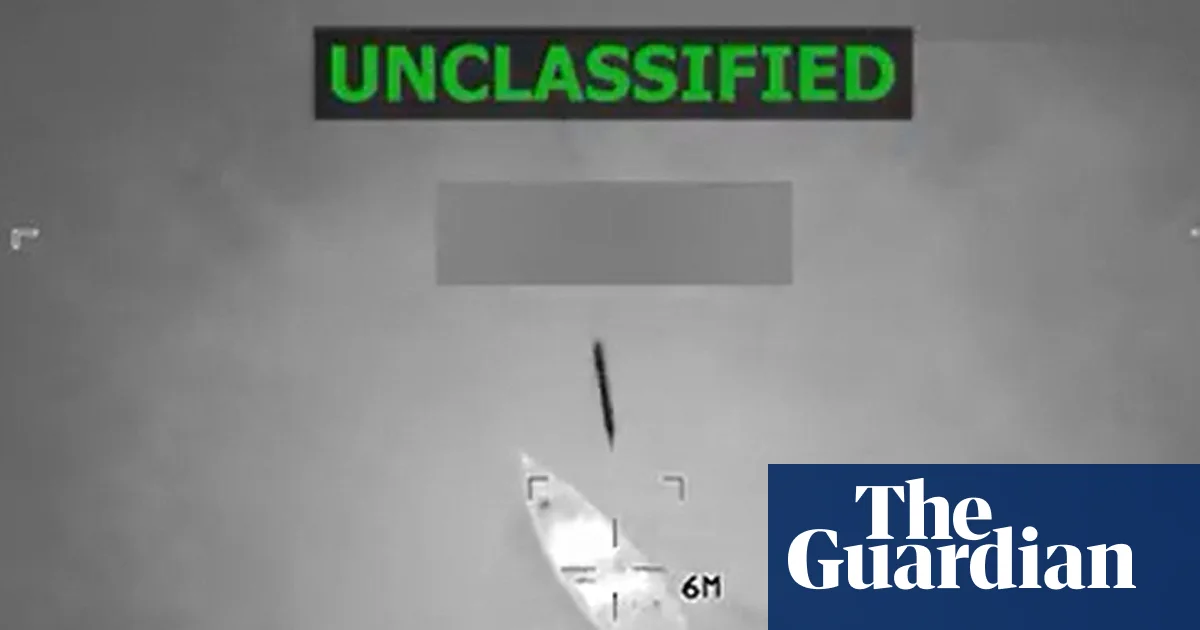
In a move that underscores the escalating global struggle against narcotics trafficking, the United States has conducted its tenth military strike targeting vessels suspected of carrying illegal drugs in the Caribbean and off the coast of South America. According to Pentagon officials, the latest operation resulted in the death of six individuals onboard a vessel believed to be involved in narcotics smuggling along transnational routes. These strikes, authorized and executed under the claim of defending national security and disrupting transnational criminal organizations (TCOs), have sparked considerable debate on the legality and efficacy of U.S. unilateral military interventions.

The administration has rapidly intensified its military posture, deploying the aircraft carrier USS Gerald R. Ford to waters off South America, emphasizing a strategic shift to bolster surveillance and interdiction capabilities in the Western Hemisphere. This move signals a broader geopolitical shift in U.S. foreign policy, with an explicit focus on combating narcotrafficking that threatens both domestic stability and regional security. Analysts suggest that this demonstrates a move toward a more aggressive posture, potentially risking regional destabilization and diplomatic fallout. Since early September, Washington has executed at least 10 strikes, resulting in the deaths of over 40 suspected traffickers, based on unverified claims. However, critics, including numerous civil liberties groups and South American leaders such as Colombian President Gustavo Petro, have condemned the campaigns as extrajudicial murders that violate international norms and sovereignty.

Indeed, the geopolitical impact of these actions extends beyond immediate military objectives. The clandestine role of the Central Intelligence Agency in providing intelligence—reportedly underlying many of these strikes—raises profound questions about transparency and legitimacy. Experts like Dr. Mariana Ruiz, a senior analyst at the International Crisis Group, warn that the secretive nature of intelligence-driven operations could set dangerous precedents. The ambiguous status of alleged affiliations between gangs like Tren de Aragua and designated terrorists complicates the legal framework used to justify these strikes, challenging international law and the sovereignty of affected nations.

Beyond the legal and moral controversies, these actions reveal a broader shift in U.S. strategic priorities. While the White House contends that the President is exercising constitutional authority under Article 2—a controversial interpretation—many legal scholars highlight the lack of explicit congressional approval and question whether such strikes are justified as acts of self-defense. Meanwhile, regional reactions remain overwhelmingly critical; Colombia, a frontline state in narcotics trafficking, decries these operations as “murder,” emphasizing that such policies risk destabilizing already fragile alliances and creating new fertile grounds for conflict. As global watchdogs and analysts grapple with the implications, it is clear that these strikes symbolize more than just a war on drugs. They mark a pivotal moment — a dramatic chapter in the unfolding narrative of international power, sovereignty, and the relentless pursuit of safety in an increasingly chaotic world.

ABS Chief Pushes Back on Far-Right ‘Mass Migration’ Claims Amid Censorship Concerns

Data Integrity and Political Warfare: Australia’s Steadfast Stand Amid Global Disinformation

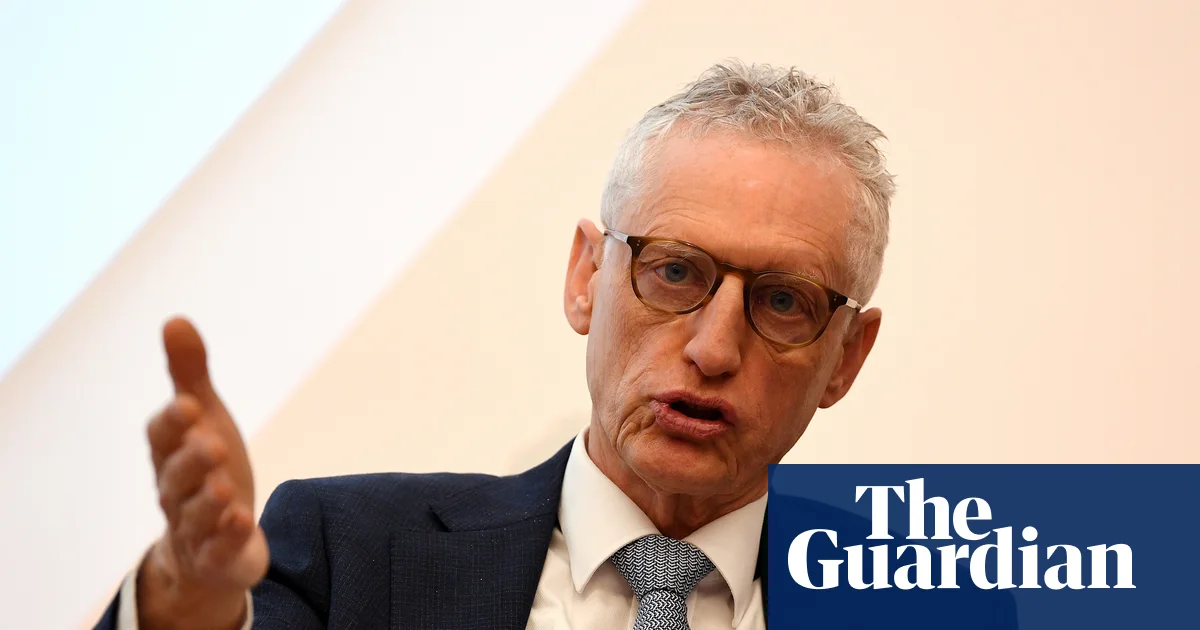
In an era where mis- and disinformation spread faster than ever, Australia has recently taken a decisive stand to defend the integrity of its national data. The Australian Bureau of Statistics (ABS), under the leadership of David Gruen, publicly refuted false claims made by right-wing factions about mass migration. The controversy erupted following an episode where these groups misused official figures to support inflated migration claims, despite the data showing a clear downward trend. Gruen emphasized that reliance on accurate, independent data is fundamental to a functioning democracy, warning that undermining statistical independence risks degrading democratic governance itself.

This development is not isolated; it exemplifies a broader global pattern of information warfare. Countries like China and Russia have long manipulated official data for political ends, but recent U.S. political upheavals, notably Donald Trump’s administration’s disruption of American statistical institutions, have underscored the fragile nature of data sovereignty. Across the international landscape, analysts from think tanks and organizations such as the OECD warn that the weaponization of data can distort the political discourse, influence migration debates, and sway public opinion to serve particular agendas—often at the expense of truth.

Political Battles Over Data and the Consequences for Society

  • On 22 August, ABS issued a public statement to counter claims that misrepresented migration figures, explicitly clarifying that inflows do not necessarily equate to increased population—highlighting a crucial distinction often exploited in political rhetoric.
  • The Institute of Public Affairs (IPA), a prominent right-wing think tank, accused the Albanese government of “weaponizing” the ABS, implying partisan censorship. Gruen dismissed these accusations, asserting that data is objectively presented and only contextually explained to prevent misinterpretation.
  • Universal concerns over the independence of statistical agencies reveal how deeply data integrity intertwines with national sovereignty and societal trust, especially amid rising populist movements and international misinformation campaigns.

Historians and political analysts warn that such battles over data are more than mere fights over numbers; they symbolize a larger struggle for geopolitical influence. As nations deliberate whether to tighten control over their own statistical data or to allow external voices, the decision impacts flooding to societal trust, international reputation, and the stability of governance structures. The incident in Australia reflects a turning point where independent agencies are compelled, under pressure, to defend not just data but the very foundations of democratic debate. Today’s decisions in Canberra could echo across the globe, shaping the future trajectory of how nations preserve truth amidst an onslaught of manipulated narratives.

In the Shadows of the Future

As the international community wrestles with the consequences of information distortion, one thing remains clear: the battlefield is shifting from traditional arenas into the realm of data and perception. With global institutions warning of a new age of information warfare, the resilience of independent statistical agencies becomes paramount. The unfolding debates and confrontations over data sovereignty signal an era where truth itself is a strategic asset—one that, if lost, could plunge nations into chaos, eroding trust and inciting societal fractures. With history still in the making, the weight of these decisions will resonate for generations, shaping whether societies will succumb to manipulation or stand firm on the pillars of transparency and truth.

Ex-Lidar Chief Makes Bold Move to Take Back Control

Emerging Disruption in Lidar Technology and the Future of Autonomous Vehicles

Recent developments in the autonomous vehicle sector underscore the relentless pace of innovation and disruption driving this high-stakes industry forward. Luminar Technologies, a leading name in lidar sensor manufacturing, faces a turbulent period following the unexpected departure of its founder and CEO, Austin Russell. The 30-year-old billionaire’s abrupt resignation earlier this year, amid an ethics investigation, sent shockwaves through the automotive tech landscape. Now, Russell is leveraging his entrepreneurial acumen to regain influence by launching a new venture aimed squarely at advancing lidar technology—a critical component of self-driving car systems.

In September, Russell co-founded a new enterprise alongside Markus Schaefer, CTO of Mercedes-Benz Group AG, and Murtaza Ahmed, a former managing partner at Softbank. This high-profile collaboration highlights a strategic shift that signals a broader industry pivot. By aligning with major automotive OEMs and top-tier investment firms, Russell’s startup is positioned to challenge incumbent providers like Luminar, which has encountered financial headwinds—including several layoffs and the threat of delisting from the NASDAQ. The move exemplifies how disruption is not limited to technological innovation but extends into reimagining business models and corporate governance at the core of emerging mobility ecosystems.

The landscape of lidar technology is rapidly evolving, with recent analyses from institutions like Gartner emphasizing its critical role in autonomous vehicle development. Innovations in sensor design, data processing, and AI integration are creating a competitive battleground where established players are pressured to sustain pace or risk obsolescence. Key features fueling this disruption include improved range, enhanced resolution, and reduced manufacturing costs, enabling scalable deployment for next-generation AV fleets. These advancements could catalyze a new era, democratizing access to autonomous mobility and forcing traditional automotive giants to rethink their strategies. As Elon Musk and other industry pioneers have warned, technology races like these have the potential to redefine the global automotive order in just a few short years.

The implications for automakers and investors are profound. The challenge now involves balancing innovation with financial stability, especially as market volatility and regulatory hurdles persist. For startups like Russell’s new venture to succeed, they will need to demonstrate not only technological supremacy but also sustainable business models that attract long-term capital. The industry’s trajectory suggests that those who can integrate cutting-edge lidar solutions with broader intelligent transportation systems could dominate the future mobility landscape. This is a critical moment—a defining juncture where future-forward companies are poised to reshape the automotive ecosystem and redefine what is possible with autonomous tech. Stakeholders across sectors must remain vigilant and agile, capitalizing on this disruptive wave to achieve strategic advantage.

As the industry hurtles toward what some analysts call a technological inflection point, the urgency of embracing innovation is clear. The next decade will reveal whether these startups can translate groundbreaking ideas into scalable, mainstream solutions that revolutionize transportation. For investors, policymakers, and tech entrepreneurs alike, the message is unmistakable: the race to dominate the future of mobility has begun, and only those willing to push boundaries and challenge assumptions will thrive in the new era of autonomous driving.

Youth protests turn violent as shoe hurled at India's chief justice over religious row
Youth protests turn violent as shoe hurled at India’s chief justice over religious row

India’s Judicial Integrity shaken: Shoe hurled at Chief Justice amid religious controversy

The recent incident in India where an attorney launched a shoe at Chief Justice BR Gavai during a courtroom session has ignited a firestorm across the nation, exposing the profound tensions simmering beneath its democratic veneer. The act, widely condemned by leadership across the political spectrum, underscores a volatile intersection of religious sensitivities and the fragile fabric of Indian society. As Prime Minister Narendra Modi denounced the attack as “utterly condemnable,” analysts warn that the upheaval signals deeper fissures within the country’s delicate balance between tradition, law, and nationalism.

The confrontation appears rooted in escalating religious tensions, particularly surrounding comments made by the Chief Justice about a recent court petition involving Hindu beliefs. When Chief Justice Gavai dismissed a plea to reconstruct a revered idol of Lord Vishnu, his remark—”This is purely publicity interest litigation… Go and ask the deity himself to do something”—sparked accusations of mockery directed at Hinduism, one of India’s most influential religions. Although Gavai later articulated respect for all faiths, the controversy reflects the ongoing challenge of navigating religious sensitivities within an increasingly polarized nation. Historians and social commentators caution that such disputes, if unmitigated, could further entrench societal divisions and undermine the rule of law.

The attacker, Rakesh Kishore, was immediately detained and later suspended from his legal practice, yet the broader implications extend beyond individual culpability. The incident epitomizes a cultural clash—where traditional expressions of protest, like a shoe-throwing gesture, are symbolic acts of humiliation and disrespect. In recent history, similar acts have punctuated global moments of political unrest: in 2008, an Iraqi journalist hurled his shoe at then-U.S. President George W. Bush, and earlier this year, a shoe was thrown at Kenyan President William Ruto. These acts, though shocking, reveal how deeply frustrations with leadership and societal injustices have reached a boiling point. For India, the gesture may symbolize a dangerous shift where respect for institutions is eroding, replaced by raw protests that threaten stability.

Expressing concern over the ramifications, international organizations and foreign analysts emphasize that such confrontations threaten the very tenets of democratic discourse. The United Nations and regional watchdogs have historically warned that respect for judiciary independence and religious harmony are pillars of national stability. Failure to address these sources of tension, analysts argue, could lead India down a path marked by increasing societal polarization and diplomatic isolation. Prime Minister Modi’s intervention emphasizes the importance of societal cohesion, yet critics argue that without addressing underlying causes—religious intolerance, political polarization, and miscommunications—the cycle of conflict will only intensify.

The incident leaves the world at a pivotal juncture, with India’s future precariously balanced. As history witnesses moments when societal fractures threaten to escalate into conflicts, the weight of the unfolding crisis in India reminds us that the boundaries between respect, dissent, and chaos are ever fragile. The remarkable resilience of India’s democracy will now be tested—whether it can heal its scars or succumb to new forms of unrest remains an open question, emerging from a chapter where tradition and modernity clash in the shadow of history yet to be written.

Trump calls on Microsoft to dismiss global affairs chief Lisa Monaco

Microsoft Under Scrutiny as Political Tensions Hit Tech Leadership

The intersection of politics and cutting-edge technology continues to reshape the landscape of corporate governance and national security. Microsoft has found itself embroiled in controversy following the appointment of Lisa Monaco as the company’s president of global affairs. Formerly a senior National Security aide under Barack Obama and Deputy Attorney General under Joe Biden, Monaco’s role grants her access to highly sensitive information, raising concerns among critics about potential conflicts of interest and security vulnerabilities. This political friction underscores a broader trend where deliberations over national security intersect directly with corporate decision-making—an environment that demands innovation in security protocols and strategic agility from tech giants.

In response to critics, notably former President Donald Trump, who called for her immediate dismissal citing national security concerns, the debate highlights the evolving business implications of such appointments. Trump’s administration rescinded Monaco’s security clearance earlier this year, reflecting ongoing efforts by political figures to influence corporate leadership roles through security and ideological lenses. Meanwhile, Microsoft’s response to the controversy remains cautious, with TechCrunch reporting that Monaco assumed her role in May, overseeing cybersecurity policies and international diplomatic relationships—an area where technological disruption is critical to maintaining security and competitive advantage.

Beyond the immediate political fallout, this controversy exemplifies the **disruption** occurring within the tech industry—particularly around national security and business strategy. Critics like right-wing activist Laura Loomer have used the controversy to allege unfair political bias, urging for termination of all Microsoft government contracts. This political activism amplifies the already complex challenges of balancing innovation and security with public relations and political pressures. It also signals a larger industry trend: tech firms are increasingly becoming battlegrounds for ideological influence, with the potential to impact major contracts, international negotiations, and global security strategies.

Strategic Market Shifts and Industry Disruption

As governmental oversight tightens, industry leaders must innovate rapidly—particularly in cybersecurity and geopolitical risk management—to sustain their competitive edge. The industry is witnessing unprecedented disruption in how tech companies navigate political landscapes. Notable milestones include increased partnerships with foreign governments, integration of advanced AI for threat detection, and hybrid policies that better align corporate governance with national security requirements.

Experts from institutions like Gartner warn that failures to adapt could threaten market stability, prompting a wave of strategic investments aimed at safeguarding data sovereignty and operational integrity. The forward-looking trajectory indicates that those who prioritize security innovation—such as deploying decentralized blockchain governance models or integrating AI-driven threat intelligence—will dominate the next decade. However, the evolving political environment necessitates bold, disruptive strategies, where swift executive decisions and unwavering commitment to security can spell both success and peril.

Conclusion: An Urgent Call for Innovation and Vigilance

The ongoing saga featuring Microsoft and its leadership exemplifies a broader narrative—where the future of technological dominance hinges on resilience, innovation, and the capacity to navigate geopolitical turmoil. Industry leaders must act swiftly, deploying disruptive innovations that secure both their platforms and their reputations amidst mounting political risks. As emerging technologies like AI, quantum computing, and blockchain continue to revolutionize the digital realm, the capacity to adapt to this rapidly shifting landscape will determine which firms lead—and which fall behind. The imperative for bold vision and relentless security innovation has never been more urgent in shaping a resilient, competitive global tech ecosystem.

Fed Chief Powell: Stock Prices Looking Priced to Perfection

Federal Reserve Chair Acknowledges Elevated Asset Prices Amid Rate Cuts

In a recent speech delivered in Providence, Rhode Island, U.S. Federal Reserve Chair Jerome Powell addressed concerns regarding current asset prices, particularly those of stocks and other risk instruments, which he described as “fairly highly valued.” His remarks come on the heels of a decision by the Federal Open Market Committee (FOMC) to lower the benchmark overnight borrowing rate by a quarter percentage point, a move that has fueled recent gains in financial markets. Powell’s acknowledgment of elevated stock valuations raises important questions about the sustainability of the current market rally and the implications for investors.

During the press conference, Powell emphasized the significance of overall financial conditions and the Federal Reserve’s commitment to achieving stable economic growth. He stated, “We look at overall financial conditions, and we ask ourselves whether our policies are affecting financial conditions in a way that is what we’re trying to achieve.” His comments reflect a broader acknowledgment among financial leaders that while markets generally respond positively to lower borrowing costs, there exists a delicate balance between encouraging investment and ensuring financial stability.

The timing of Powell’s remarks is particularly impactful, as they follow a significant rally in stock prices leading up to the FOMC’s recent policy meetings. Many market analysts attributed the increase to growing investor confidence that interest rates would decline, resulting in an influx of capital into equity markets. However, following Powell’s statements regarding elevated asset prices, markets reacted negatively, with major stock averages trading lower. This volatility illustrates the sensitivity of investors to signals from the Federal Reserve and highlights the challenges in predicting market behavior based on economic policy adjustments.

Despite acknowledging the high valuations, Powell reassured stakeholders that this is “not a time of elevated financial stability risks.” However, his comments serve as a cautionary note for young investors, emphasizing the need for careful analysis in the current market environment. As the Federal Reserve continues to navigate the complex landscape of monetary policy, the implications of rate changes and market responses will remain crucial for investors and economic stakeholders alike. The conversation surrounding asset prices underscores the necessity for vigilance as the potential for asset bubbles looms amid low borrowing costs.

Social Media Auto Publish Powered By : XYZScripts.com