Matox News

Truth Over Trends, always!

US Navy Chief Resigns Immediately, Pentagon Confirms

The recent departure of US Navy Secretary John Phelan marks yet another significant shift in the United States’ military leadership amid a period of geopolitical recalibration. As a senior figure entrusted with overseeing naval strategy and defense posture, Phelan’s exit underscores the growing uncertainty within Washington’s military establishment. This trend is emblematic of broader concerns about the U.S. administration’s ability to adapt to rapidly evolving global threats, especially in a context where traditional alliances are tested and regional conflicts threaten to escalate.

International analysts interpret these leadership changes as a potential reflection of internal disagreements over military priorities and strategic commitments. Several experts suggest that the recent churn in high-level military officials may foreshadow a reshaped approach to national defense, one that could prioritize a more assertive posture in the Indo-Pacific and an emphasis on technological superiority. Such shifts are observed at a time when rivals like China and Russia are expanding their influence through aggressive territorial claims and strategic partnerships. Historically, the removal or reshuffling of senior military figures often signals underlying tensions within security establishments, where differing visions for U.S. foreign policy collide.

Organizations such as the International Institute for Strategic Studies (IISS) have warned that frequent turnovers in military leadership can destabilize operational continuity, hampering preparedness and strategic consistency. Meanwhile, the decision-making vacuum at the top could embolden adversaries, potentially altering the balance of power at a time when international stability hangs in the balance. Countries across the world are watching closely, aware that shifts at the summit of U.S. military authority influence everything from NATO’s unity to the security calculations of regional powers in Asia and the Middle East. The inability to project strength effectively may invite unwarranted aggression in hotspots, especially as China’s military modernization continues unabated.

As historians ponder whether these leadership transitions are mere personnel rotations or indicative of deeper systemic change, one fact remains clear: the weight of history is upon this generation of policymakers. The decisions they make now will shape the geopolitical landscape for decades to come, determining whether the tide of conflict recedes or surges forward, rewriting the balance of global power. In a world rife with strategic uncertainties, the recent upheavals within America’s military leadership serve as a stark reminder: the unfolding narrative of international relations is as volatile as ever, and only those with resolve and clarity will navigate the storms ahead.

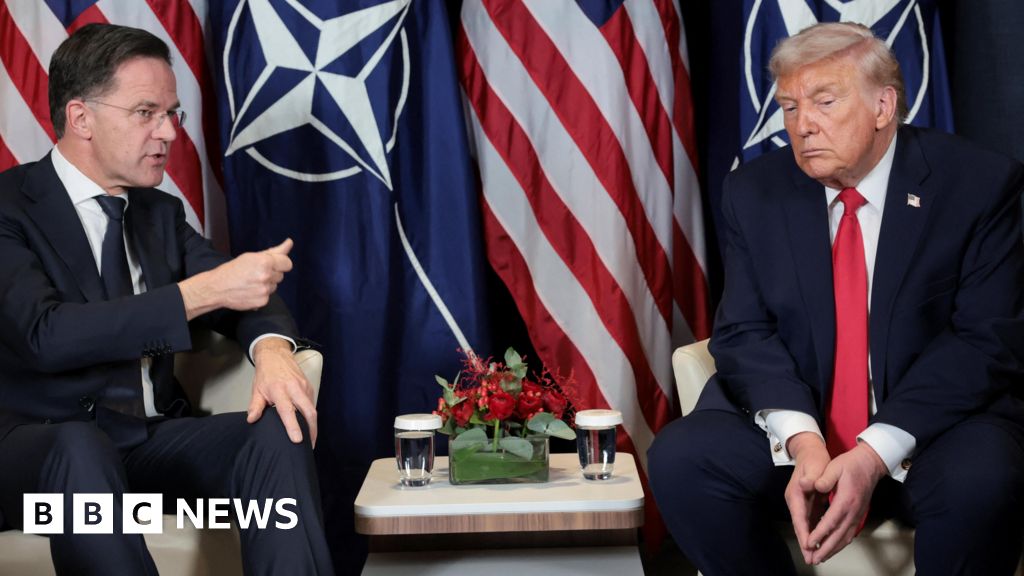
Trump slams NATO as alliance chief calls meeting 'very frank'
Trump slams NATO as alliance chief calls meeting ‘very frank’

In a striking statement that has sent shockwaves through the international community, US President recently accused NATO of failing to provide adequate support during the recent Iran conflict. Drawing attention to what he described as a critical lapse, the President asserted that “NATO wasn’t there when we needed them.” This declaration signals not only a potential fracture within the transatlantic alliance but also raises serious questions about the future efficacy and unity of the military bloc amidst rising global tensions.

The remark occurs against a backdrop of increasing instability in the Middle East, where Iran’s regional influence and nuclear ambitions continue to threaten the balance of power. Historically, NATO has positioned itself as a collective defense organization primarily focused on the Euro-Atlantic region. However, the recent criticism indicates growing frustrations from the United States—a founding member—with what is perceived as insufficient European engagement in regional security issues. Analysts from think tanks such as the Council on Foreign Relations warn that this fissure could weaken NATO’s credibility at a time when Russia continues its aggressive pursuits in Eastern Europe, and China expands its strategic influence worldwide.

  • The President’s statement echoes a broader concern about the geopolitical shifting sands and questions whether NATO, as historically constituted, can function effectively in a multi-polar world
  • The incident marks a *potential turning point* in transatlantic relations, with diplomats and military leaders pondering the durability of their alliance
  • European leaders, meanwhile, face increased pressure to clarify their commitments and demonstrate their capacity to act independently or in unison with their American allies

International organizations such as the United Nations have long struggled to coordinate coherent responses to conflicts that threaten global stability. Now, with the discontent within NATO surfacing openly, the structural impacts could lead to a realignment of alliances and power centers. Historians warn that such divisions have historically preceded larger conflicts, and some suggest this moment resembles pre-World War tensions, where regional disputes escalated into global crises. As American authorities critique European foreign policy and defense readiness, the global stage is poised on the brink of a new era—one marked by uncertainty, shifting loyalties, and a reevaluation of what collective security truly entails.

As the weight of history presses down on these fragile alliances, nations and societies now face a defining question: will they unite in the face of rising threats, or will internal fractures deepen, leading to a more fractured, unpredictable world? The choices made in the coming months will undoubtedly shape the tapestry of international relations for generations to come. In this tense landscape where power aligns and realigns, the echoes of past conflicts resonate ominously, reminding all that history is constantly in the making—its next chapter yet to be written, with each decision potentially altering the course of global destiny.

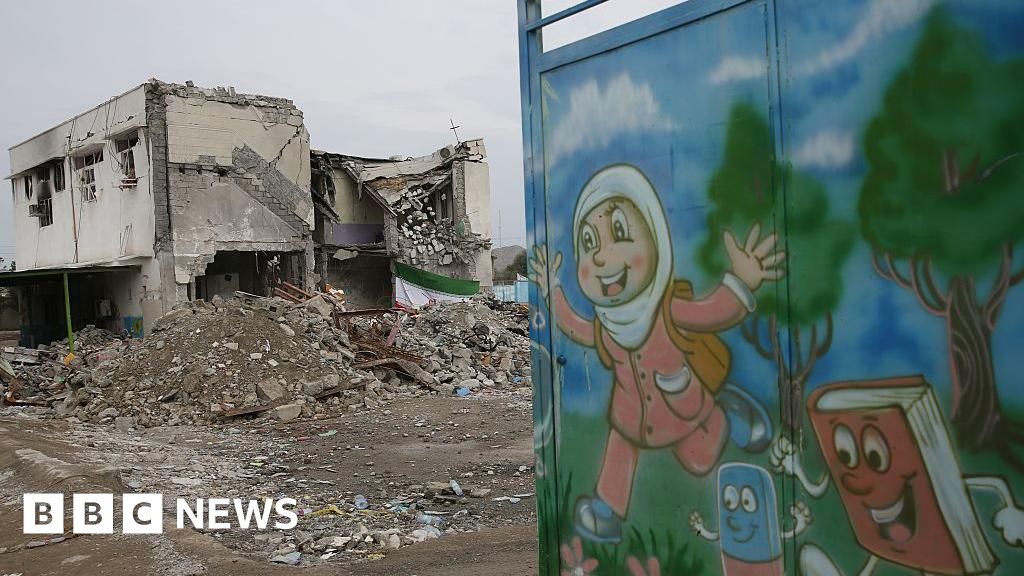
UN rights chief urges US to wrap up Iran school strike investigation

The recent escalation in Middle Eastern geopolitics was starkly highlighted when Iran openly blamed the United States for a targeted bombing incident, which Tehran’s Foreign Minister Abbas Araghchi described as a “deliberate and intentional” attack. Delivered during a speech at the UN meeting in Geneva, Araghchi’s statement underscored Iran’s vehement rejection of Western military interventions, framing the incident as part of a broader pattern of aggression aimed at undermining regional stability. The assertion not only adds a layer of tension to an already volatile region but also signals Iran’s intent to hold Washington accountable on the international stage, raising profound questions about the future of diplomacy and regional security.

This incident, according to Iranian officials, marks a critical turning point in how state-sponsored violence is viewed within the global arena. Iran’s leadership contends that such military actions are not isolated; rather, they form part of a concerning strategy that threatens broader peace and stability in the Persian Gulf and beyond. The statements from Tehran have ignited a fierce debate among international analysts, many of whom caution that the escalation could precipitate a cycle of retaliation that threatens global security. The United States, which has historically maintained a formidable military presence in the Middle East, has yet to issue a conclusive response, but the diplomatic implications are already rippling through international channels.

Global institutions and strategic thinkers have voiced grave concerns over the repercussions of what some are calling a defining moment in 21st-century geopolitics. Numerous analysts note that Washington’s actions, described by Iran as “atrocities,” could deepen existing fissures in an already fractured international order. In particular, the European Union has called for restraint, emphasizing the need to prevent further destabilization. Meanwhile, historians warn that such conflicts, if unresolved, risk entrenching divisions that could last decades — a grim future where diplomatic solutions are overshadowed by persistent violence.

  • Tehran’s accusation marks a significant diplomatic challenge for U.S. foreign policy, especially amid ongoing debates on military intervention versus diplomatic engagement.
  • The UN meeting frames the incident as a potential catalyst for renewed international conflict, reaffirming the importance of multilateral diplomacy.
  • International organizations warn that unchecked violence risks escalating into wider regional unrest, with unpredictable consequences for global markets and security.

As history continues to unfold, the weight of this moment hangs heavily over Iran, the United States, and the broader international community. The choices made today echo in corridors of power and influence, shaping the fate of nations and societies for generations to come. Will diplomacy prevail or will the relentless march of violence propel the world into a new era of instability? Only time will tell—and history, ever watchful, waits patiently to inscribe its next chapter.

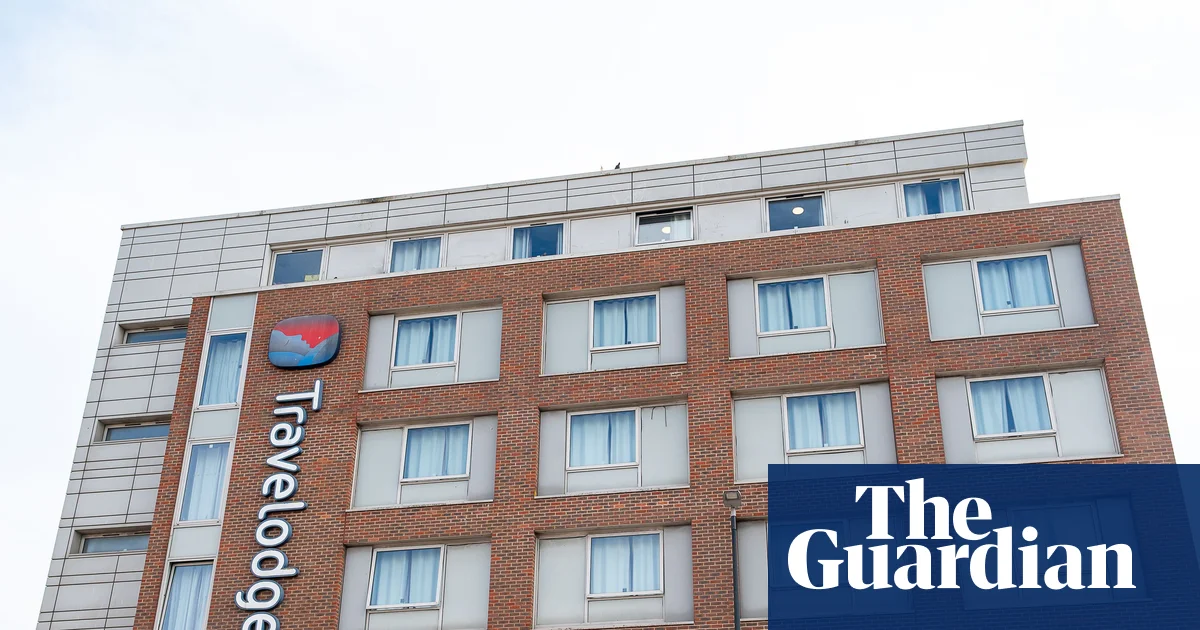
Starmer demands Travelodge chief address MPs on sexual assault allegations

In an increasingly interconnected and vigilant world, domestic security breaches quickly escalate into matters of international concern. The recent scandal involving Travelodge—a prominent hotel chain—has not only ignited outrage within the United Kingdom but also prompted a broader debate on the responsibilities of global corporations in ensuring safety and security. The case of Kyran Smith, a convicted sexual offender who unlawfully accessed a woman’s room after staff facilitated his entry, underscores the critical importance of security protocols in hospitality establishments that serve millions. Prime Minister Keir Starmer has formally demanded accountability from Travelodge, insisting on swift and comprehensive reforms to prevent future tragedies, thus illustrating the rising influence of national entities in regulating corporate conduct amidst rising concerns over security lapses.

  • The incident has prompted over 20 MPs to request an urgent hearing with Travelodge executives, highlighting the heightened political sensitivity surrounding security failures in key industries.
  • Starmer’s intervention emphasizes a broader geopolitical trend: governments increasingly hold corporations accountable for safeguarding citizens, reflecting a shift from laissez-faire approaches to explicit regulatory oversight.
  • Travelodge’s commitment to an independent review led by KC Paul Greaney signals an attempt to assuage public and political fears, yet critics question whether corporate reforms can keep pace with evolving threats.

Leading international organizations and security analysts warn that isolated incidents such as this serve as warnings of systemic vulnerabilities in the private sector’s infrastructure. Globally, the case resonates far beyond this single hotel chain, embodying the ongoing debate about the effectiveness of corporate governance in protecting vulnerable populations. Historians remind us that such scandals often catalyze significant legislative or regulatory shifts; the challenge lies in translating these responses into tangible protections. Meanwhile, experts caution that superficial changes—like upgraded access controls—must be followed by a cultural shift within corporations to prioritize security as an integral part of their operational ethos.

The geopolitical impact of the Travelodge case extends beyond Britain. As nations grapple with internal threats—from terrorism to organized crime—how multinational firms manage security reflects a global struggle to secure societies against internal vulnerabilities. This incident also underscores how local security failures can have ripple effects, affecting diplomatic relations, investor confidence, and international perceptions of safety. Countries with emerging markets and growing tourism sectors are now watching closely, recognizing that security protocols are not just a matter of customer service, but a fundamental element of national resilience in a rapidly volatile world stage. Historian and analyst commentary point to this event as a potential turning point—highlighting the necessity for corporate accountability within the larger framework of national security policy.

As the case unfolds, destinies remain intertwined with the decisions made today. Travelodge’s response, the political will to enforce tighter standards, and societal calls for change illustrate that history is not a static narrative but a continuous story—a story where the line between commercial enterprise and national security sharply blurs. The weight of these events reminds us that each misstep can become a catalyst for deeper transformation. In the shadow of future crises, the question echoes: will this be a moment remembered as a catalyst for meaningful change, or merely a fleeting scandal amidst the relentless march of history?

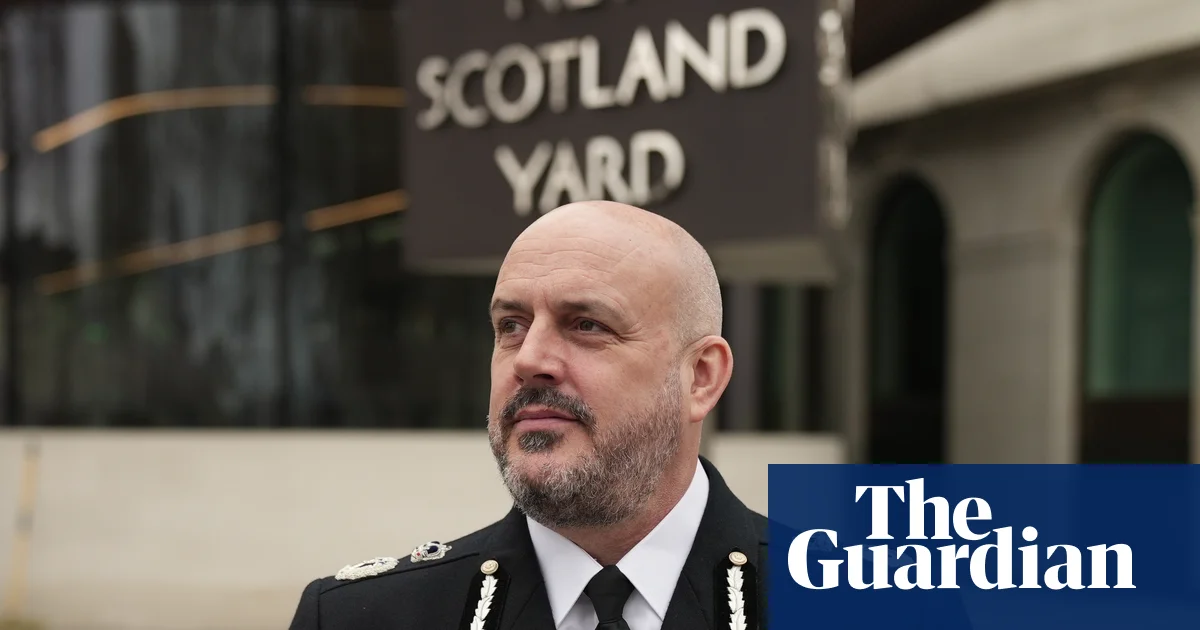
UK security warns: Hostile state threats up 50%—police chief issues urgent call to youth

In recent months, the UK has experienced a surge in national security threats, reflecting a broader shift in the geopolitical landscape and raising profound concerns within communities about safety and stability. According to authorities, there has been a 50% increase in investigations into foreign state activities—particularly from nations like Iran, Russia, and China. Such developments are not merely political headlines but deeply influence families and local communities, instilling a climate of uncertainty that jeopardizes the social fabric that holds society together. Social commentators and sociologists warn that these threats could catalyze divisions, especially when intertwined with domestic tensions that threaten the cohesion of multicultural communities.

One of the most disturbing manifestations of growing social tension surfaces in antagonism against the Jewish community. A recent attack in Golders Green, North London, saw four ambulances belonging to the Jewish charity Hatzola firebombed amid reports that the group claimed responsibility. Though the incident is officially treated as antisemitic rather than terrorism, it underscores the fragility of community safety in a society grappling with cultural shifts and demographic tensions. The Metropolitan Police have responded by deploying additional officers, firearms units, and drones to protect Jewish neighborhoods during Passover, revealing a reactive measure to a social fracture that runs deep. The attack not only endangers families’ sense of security but also fuels fears of further escalation in societal discord.

At the political level, figures like Kemi Badenoch argue that tougher immigration policies are necessary to combat antisemitism and social division. Her stance, emphasizing a departure from the European Convention on Human Rights (ECHR), reflects a broader conservative ideology that seeks to address root causes of societal friction. However, critics warn such policies risk alienating vulnerable migrant communities and hampering efforts toward social integration. The debate embodies the broader societal challenge of reconciling national security concerns with upholdings of inclusivity and human rights. As history repeatedly shows, the fragile balance between openness and security can either be a catalyst for societal harmony or a source of division—challenging families, educators, and community leaders alike.

Adding to this complex picture, prestigious institutions such as King Charles have begun to visibly support efforts to combat antisemitism, with the monarch accepting a role as patron of a charity working in this realm. The Community Security Trust (CST) sees this as a sign of societal commitment to preservation and protection, yet such gestures alone are insufficient without concrete action on societal and policy levels. As social historians suggest, the innate human desire for safety and belonging often clashes with the relentless tide of change and division. The real question becomes whether society can harness *hope* to rebuild trust, educate youth about tolerance, and foster community resilience—especially when faced with insecurities that threaten to dismantle the societal kinship that families, schools, and local communities strive to nurture amid adversity.

Ultimately, society stands at a crossroads, with the burden of safeguarding democratic values and social harmony placed upon both policy and moral responsibility. Social challenges—be it foreign interference, cultural tensions, or domestic extremism—are not inevitable but require proactive, collective effort. The hope of society’s future hinges on our capacity for moral reflection, community engagement, and shared resilience. As the shadows of discord lengthen, society must look inward and forward, contemplating whether, through courage and compassion, it can forge a society where every family can live free from fear and division, and where hope quietly stirs within the hardest of times—reminding all that even amidst darkness, society has the power to transform itself into a beacon of unity and moral strength.

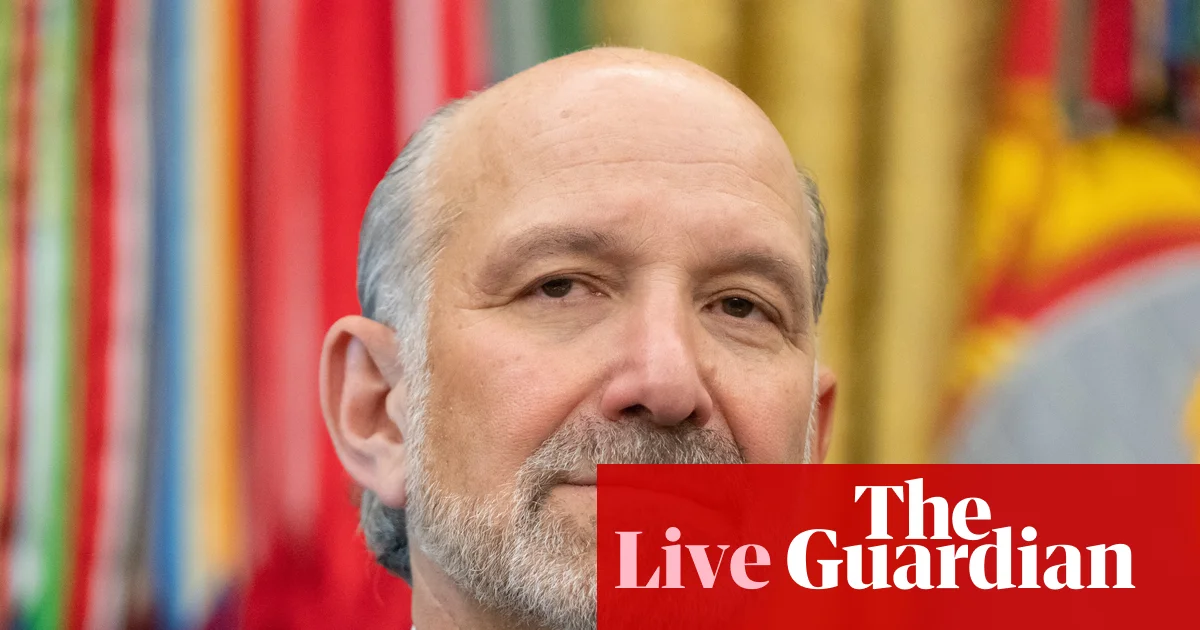
Top US Counterterror Chief Quits Over Iran War, Warns Trump to Change Direction

Recent statements by National Counterterrorism Center Director Joe Kent have reignited debates surrounding the origins of America’s ongoing conflicts in the Middle East. Kent claims that former President Donald Trump “started this war due to pressure from Israel and its powerful American lobby,” casting new light on the complex web of international influence that shapes U.S. foreign policy. These remarks serve as a stark reminder that decisions made at the highest levels often have profound and lasting geopolitical consequences, influencing the stability and security of nations far beyond America’s borders.

This assertion prompts a reassessment of how external pressures from special interest groups and foreign allies can sway American policy, especially in volatile regions like the Middle East. Historians and analysts have long debated the extent to which domestic lobbying impacts presidential decision-making. According to the International Institute for Strategic Studies, such influence often steers war efforts in directions that may prioritize geopolitical interests over national security, leading to prolonged conflicts with difficult resolutions. While the precise instances and motivations behind Trump’s policies remain contentious, the broader discussion underscores an enduring question: how much of America’s foreign engagements are genuinely driven by national interest versus external pressures?

In addition to domestic debates, this revelation has significant geopolitical impact. The Middle East, a nexus of geopolitical rivalries, remains deeply entwined in U.S. foreign policy calculations. The region’s long history of conflict has been compounded by decisions influenced by external lobbying, which in turn alters alliances and military commitments. International organizations, such as the United Nations, warn that such external pressures could exacerbate regional instability, heightening risks of escalation and long-term unrest. Moreover, the implications for societies within these nations are profound: prolonged military interventions often lead to human suffering, economic devastation, and the destabilization of entire communities.

The role of powerful lobbies and allies remains a contentious subject. Critics argue that when foreign interests dictate policy, it undermines the sovereignty and self-determination of the nations involved. Such influence often results in policies that favor external actors at the expense of long-term peace and stability. As international political analysts caution, the potential for these decisions to ignite broader conflicts remains a lingering threat. Considering the recent revelations, many are urging policymakers to examine how external pressures shape decisions on the global stage, with some foreseeing a future where conflicts are prolonged by external interests rather than national security needs.

As history continues to unfold, the weight of past decisions remains etched into the fabric of global politics. The question persists: will future generations view these moments as the turning points where geopolitics was manipulated for short-term gains, or as lessons that could usher in a new era of sovereignty and genuine peace? The ongoing debate invites citizens, leaders, and international observers alike to scrutinize the true drivers behind the conflicts that define our era. In a world teetering on the edge of new alliances and ancient rivalries, the final chapters of this complex story are yet to be written—and the shadows of history cast their long, uncertain gaze upon our future.

Kennedy Center Chief Resigns After Tumultuous Year

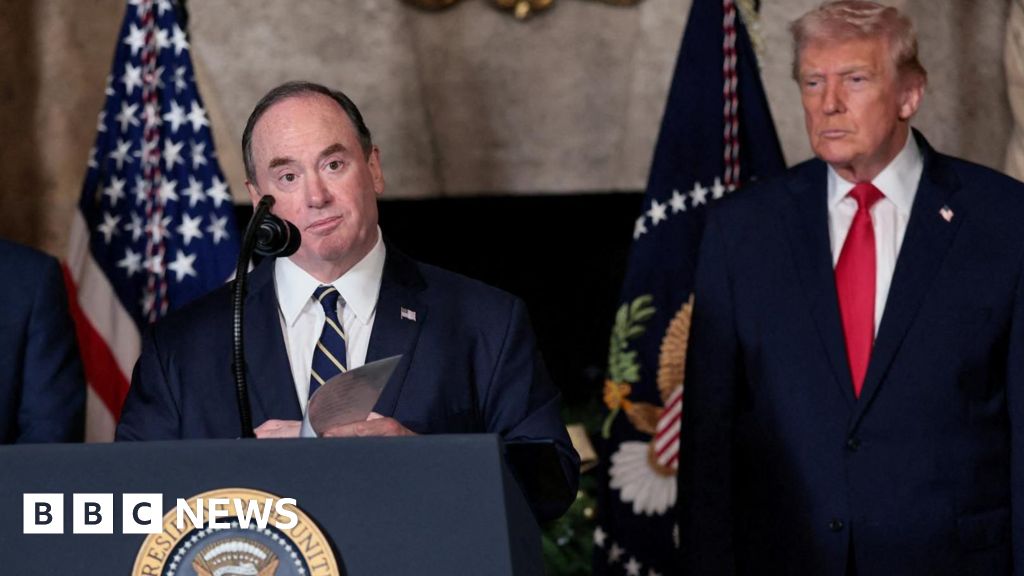
In what signals a significant redistribution of political influence across the global stage, the recent departure of a prominent Trump ally from key national or regional offices underscores the shifting landscape of international politics. As the world watches how these changes ripple through diplomatic corridors, analysts caution that such developments are not isolated—they are interconnected within the broader tapestry of power realignments and strategic recalibrations. The move comes at a pivotal moment, just as the center of political gravity prepares to undergo a major transformation, with plans announced for a two-year renovation of an unspecified yet symbolically significant institution or hub.

This internal shift highlights significant geopolitical repercussions. Experts from institutions like the Council on Foreign Relations and numerous geopolitical think tanks point out that the departure of influential figures associating with former President Donald Trump reverberates far beyond domestic borders. It signals a potential loosening of alliances that have been traditionally aligned with the America First paradigm, raising questions about America’s future posture on the global stage. Meanwhile, historian Dr. Laura Hoffman notes that “such personnel shifts often serve as preludes to broader policy realignments, affecting everything from trade negotiations to military alliances.”

As the world’s diplomatic chessboard evolves, the impending shutdown of the center for its renovation marks more than just an infrastructural upgrade—it symbolizes a period of self-reflection within key international institutions. The timing coincides with rising tensions in various geographic theaters, such as the South China Sea and Eastern Europe, where power dynamics are increasingly volatile. Governments and global organizations recognize that the decisions taken during this window will influence how nations manage conflicts, zero-sum competition, and cooperation mechanisms in the coming decade. In the view of geopolitical analyst Samuel Peters, “the next two years will determine whether global order maintains stability or spirals into chaos.”

History reminds us that these turning points are rarely singular events but part of a grander narrative, often marked by crises that challenge the very fabric of international cooperation. As the world stands on the cusp of transformation, the weight of history presses down, whispering of future conflicts and alliances yet to be forged. The choices made in this critical juncture could define the geopolitical landscape for generations to come—an enduring lesson in the fragility of peace and the enduring struggle for dominance amid a shifting world order.

Australia News Live: NSW Anti-Slavery Chief Questions Iran Football Squad’s Exit; Earthquake Rocks North of Canberra

International Ripples: Australia’s Crucial Decisions Shape the Geopolitical Landscape

Fresh developments emanating from Australia highlight a nation at a critical juncture, where internal decisions transcend borders, echoing the broader battles of sovereignty and moral responsibility on the world stage. The controversial departure of the Iranian women’s football team from Australia has sparked intense scrutiny and debate, not only about domestic policies but also about how nations handle complex issues of threat, coercion, and international law. Analysts warn that the handling of this incident could redefine Australia’s stance towards human rights and its diplomatic credibility, especially amid ongoing conflicts involving Iran and other regime-led states.

The incident underscores a fragile geopolitical balance, where the NSW anti-slavery commissioner questioned top-tier institutions—including the federal police, Sydney airport, and Qantas—over their role in facilitating the squad’s departure amidst wide-ranging concerns about coercion. Dr. James Cockayne emphasized that the athletes’ decision to leave might have been unduly influenced by threats and intimidation, echoing fears of exit trafficking—a grave issue that highlights how vulnerable individuals become pawns in larger geopolitical conflicts and authoritarian tactics.

This scenario not only raises questions about domestic oversight but also spotlights how international diplomacy and law enforcement are intertwined with issues of regime repression, especially with Iran’s regime known for its misogynistic policies and suppression of dissent. The international community, including historians and global watchdogs, warn that failure to address coercion effectively may embolden oppressive regimes and undermine the principles of free movement and asylum. The incident prompts a looming question: Does Australia’s handling reflect a broader tendency among Western nations to prioritize diplomatic relations at the expense of human rights and protective oversight?

In parallel, domestic policies such as the Victoria government’s initiative to provide free pest and building reports for homebuyers reveal a nation grappling with internal challenges of transparency and economic security. Jacinta Allan, Victorian Premier, advocates for the reform to curb excessive costs and empower consumers, a move seen as a step to reinforce confidence in Australia’s private sector amidst global economic uncertainties. Yet, these domestic shifts signify more: a concerted effort to reshape societal expectations and assert control over economic vulnerabilities, which, analysts argue, are now heavily influenced by international events, including the conflict in the Middle East.

As geopolitical tensions in the Middle East intensify, Australia stands as an exemplar of how a nation’s internal policies, international dealings, and moral stance are increasingly interconnected. The recent earthquake near Boorowa and severe flooding in Queensland further symbolize a nation resilient yet besieged by uncontrollable forces—nature and geopolitics alike. The way Australia navigates these turbulent waters will indelibly mark its role in the shifting global order, where decisions about refugee protection, international trade, and moral leadership are more intertwined than ever. History’s weight is heavy on Australia’s shoulders, with each move possibly rewriting the contours of its national identity and its influence in shaping the rules of a new geopolitical era.

Union Chief Urges Ministers to Drop Foolish Pay Restraints on Civil Service

Challenges Facing Society’s Core Institutions and Families

In an era marked by rapid technological advancement and shifting socio-political landscapes, public institutions stand at a critical juncture. The civil service, tasked with implementing policies that shape everyday life, faces a crisis rooted in underfunding and regulatory undermine. Union leader Mike Clancy has issued a stark warning: if Ministers do not end the misguided restraints on civil service pay, the essential pool of technical and digital specialists will continue to erode. These professionals are the backbone of effective governance, yet low pay and limited career progression threaten to disarm the very institutions designed to serve society. Clancy emphasizes that the government’s outdated approach—such as equating civil service pay at senior levels with that of the Prime Minister—is both “barking mad” and self-sabotaging. Such policies not only hinder recruitment but also compromise the quality of public service that families depend upon for stability and fairness.

The Impact on Education, Environment, and Community Trust

Across the fabric of our communities, resource shortages translate into tangible delays and neglected responsibilities. According to recent reports, agencies like Natural England and the Environment Agency are unable to meet critical deadlines—delays that directly impact families and local environments. For example, over half of planning application responses have missed their targets, primarily due to insufficient staffing and expertise. This is not just a bureaucratic failure; it is a breakdown in the social contract that holds communities accountable and ensures their well-being. As sociologists like Michael Sandel argue, trust in civic institutions is foundational to societal cohesion. When residents see their requests ignored, especially on issues like housing or infrastructure, the consequences deepen social divides and foster cynicism towards authorities meant to protect them.

Underlying Social Tensions and the Need for a Cultural Shift

At the heart of these issues lies a profound cultural shift—one where regulation is misinterpreted as an obstacle rather than a safeguard. Clancy warns against the simplistic view that deregulation and austerity will boost productivity, asserting instead that “regulators are builders, not blockers.” The misallocation of resources and the neglect of institutional capacity threaten to unravel the moral fabric of society, where fairness, opportunity, and progress for families and workers are paramount. The push by some business groups to weaken worker protections, such as the Employment Rights Act, exemplifies how economic interests often overshadow social stability. It highlights a need for a societal narrative that recognizes the importance of equitable pay, strong regulations, and invested public services as pillars of a resilient, forward-looking nation.

In this fragile landscape, the challenge is to balance economic vitality with social justice, ensuring that families are not sacrificed on the altar of deregulation. As historian and social commentator David Hackett Fischer notes, societies flourish when they invest in their human capital; neglecting this investment leads to disillusionment and decline. The path forward demands courage—rejecting right-wing tropes that trivialize the vital role of civil servants, and embracing a vision where communities are active agents, not passive recipients of government policy. Only through such a cultural renaissance can society begin to mend its fractured trust and cultivate a hopeful future where societal resilience is built on fairness, resourcefulness, and shared purpose.

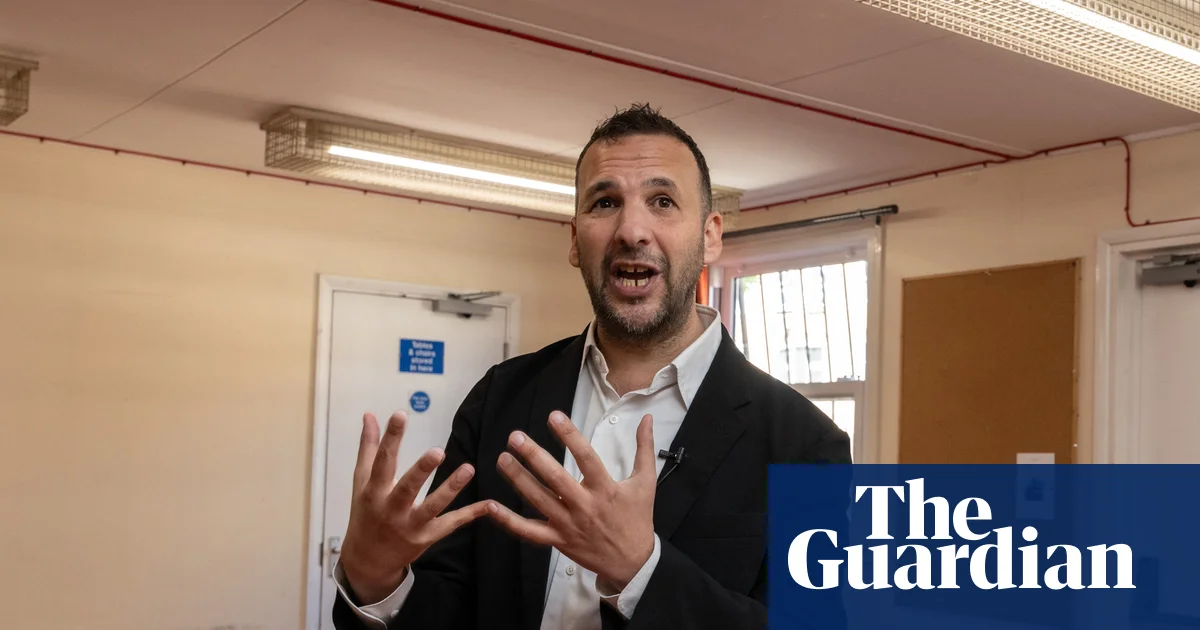
Jonathan Powell declines bid to step in as Starmer’s chief of staff, signaling shifts in party leadership

Society at a Crossroads: The Impact of Leadership Changes on Communities and Families

In recent weeks, the shifting corridors of power within public institutions and governmental circles reveal more than just political maneuvering; they mirror deep-seated sociocultural tensions and demographic shifts that significantly influence the fabric of families, education, and communities. These changes often ripple outward, shaping societal perceptions of morality, stability, and hope. As figures like Jonathan Powell—a seasoned adviser with a storied career in mediation and diplomacy—consider stepping away from the political spotlight, society faces not just leadership recalibrations but the challenge of maintaining social cohesion amidst turbulence.

Much of the current discourse centers on *power struggles* within the political elite, influencing how societies address issues of trust, national security, and international relations. Historical sociologists such as Seymour Martin Lipset have argued that political leadership plays a pivotal role in shaping societal values, and the recent turnover in advisers echoes a broader concern: when those who guide policy shift frequently, the social contract risks weakening. Families dependent on clear, stable leadership are often left feeling uncertain, especially as the government’s foreign policy decisions—like the controversial appointment of Peter Mandelson as ambassador to Washington—become sources of internal conflict and partisan debate.

Social Tensions: The Consequence of Leadership and Policy Choices

At the core of this upheaval lies the profound impact on community cohesion. The controversies surrounding appointments based on political loyalty rather than diplomatic expertise threaten to erode the trust in institutions that traditionally serve as pillars for societal stability. When high-profile figures like Powell advise against controversial figures—highlighting concerns rooted in ethical considerations and historical mishandlings—and their counsel is ignored, the message to *families and local communities* becomes clear: political expediency often overrides moral prudence. As Hosni Mubarak once observed, “The strength of a nation depends on the integrity of its leadership.” Such moments test the moral fabric of society, questioning whether institutions are truly committed to the human impact over political gain.

Furthermore, these leadership struggles influence the education of the next generation—shaping their understanding of accountability, justice, and societal responsibility. The young, witnessing constant changes at the top without clear ethical direction, may develop a skewed view of leadership as self-interest rather than service. This erosion of moral authority fuels skepticism towards authority figures, undermining the social bonds that hold communities together. Sociologists like Robert Putnam emphasize that social capital—trust and networks—decreases when leadership becomes unpredictable, further weakening societal resilience and the capacity to address pressing issues such as inequality and injustice.

Pathways Toward Social Renewal

  • Restoring trust in institutions: Transparent processes and merit-based appointments can rebuild faith at the community level.
  • Empowering local communities: Giving communities a voice in decision-making fosters shared responsibility and resilience.
  • Strengthening ethical leadership: Encouraging moral integrity and accountability within public service creates a foundation for societal hope.

As the societal landscape continues to evolve, the challenge remains: how can families, schools, and communities forge a collective destiny rooted in values of integrity, stability, and hope? As history whispers the stories of nations that faced darkness but emerged into light through the resilient actions of ordinary people, society must renew its commitment to nurturing leaders who prioritize human dignity above political expedience. The journey toward societal health demands more than policies; it requires a moral revolution—one that recognizes that every social issue, at its core, is a reflection of our shared humanity and the hope that, through collective effort, society can heal, flourish, and redefine its destiny for generations to come.

Social Media Auto Publish Powered By : XYZScripts.com