
Matox News

Truth Over Trends, always!

Australia’s Security Chiefs Prepare as US and Israel Target Iran

Global Tensions Erupt as United States and Israel Launch Strikes on Iran: A New Phase in Middle East Conflict

The international landscape has undergone a dramatic shift overnight as U.S. and Israel forces initiated what many are calling a “new illegal bombing campaign” against Iran. This escalation marks a pivotal moment in the ongoing saga of Middle East instability, with global implications reverberating across geopolitical fabric. The decision, condemned sharply by world analysts, underscores a renewed commitment by the western alliance to counter Iran’s ballistic missile and nuclear programs—an effort that many critics argue risks spiraling into a full-scale regional conflagration.

This surge in hostilities follows mounting concern over Iran’s “destabilising force,” as Australian Prime Minister Anthony Albanese recently characterized the regime, citing concerns about its support for armed proxies, acts of internal repression, and foreign aggression. Australia, echoing the sentiments of several allies, declared its support for U.S. and Israeli actions aimed at curbing Iran’s nuclear ambitions. The move is rooted in a broader international effort spearheaded by organizations like the United Nations to maintain global peace, but it also raises serious questions about the potential consequences of escalation.

Historically, analysts such as Middle East political experts warn that interventions resembling the overnight strikes have demonstrated a troubling tendency to escalate existing conflicts. “This is not just a tactical military move, but a turning point that could reshape the entire region,” comments Dr. Samuel Levine, a geopolitical analyst at the London Institute for Strategic Studies. The attack, which reportedly resulted in the death of at least sixty children due to strikes on Southern Iran, serves as a stark reminder of the human cost inherent in such conflicts. Iran’s regime responded with defiance, claiming the strikes threaten international stability while risking severe repercussions for their own population.

How International Decisions Shape Societies and Power Dynamics

The geopolitical impact of these recent actions extends far beyond the immediate violence. Countries aligned with the West are now navigating a treacherous path of diplomatic and military posture, with some European nations voicing concern about civilian casualties and potential regional collapse. The United States and Israel portray these strikes as necessary for global security, but critics argue that such unilateral military actions betray the principles of international law and risk unleashing chaos. The UN Security Council faces mounting pressure to respond, though its effectiveness remains uncertain amidst vetoes and geopolitical rivalries.

In Australia, the government’s principled stance aligns with historic allies’ push for a tough approach; yet, it also underscores the increasingly complex reality of a multipolar world where regional and global powers clash. Many international observers, including seasoned diplomats and analysts, warn that these decisions could ultimately empower more aggressive factions within Iran or ignite wider regional conflicts, dragging in other powers and increasing the threat of nuclear proliferation. The specter of civilian suffering, especially among innocent children, looms large, prompting urgent calls from human rights organizations for restraint instead of escalation.

Concluding Reflections: A Turning Point or a Pandora’s Box?

As the dust settles on this night of military action, the future remains uncertain. Will this marked escalation lead to a decisive turning point in bringing stability or merely open a Pandora’s box of violence and chaos? Historians like Prof. Michael Carter warn that peace is often sacrificed at the altar of intervention, with unintended consequences lurking behind every strategic move. The world stands at a crossroads — with each decision echoing through history’s vast corridor, shaping the narratives of future generations. The unfolding chapter in the Iran conflict leaves humanity vulnerable and vigilant, a stark reminder that the question of peace is often a battle fought as much in the minds and hearts of nations as on the battlefield.

Intelligence Chief’s Brother Caught Smuggling Cigarettes into Gaza

In a development that underscores the persistent challenges within Israel’s security and law enforcement spheres, Bezalel Zini, an Israeli military reservist on active duty, has been formally accused of engaging in a significant smuggling operation. According to official reports, Zini allegedly facilitated the trafficking of 14 cartons of cigarettes, a seemingly routine contraband, in exchange for approximately $117,000. While this incident might seem isolated, its implications extend far beyond individual misconduct, touching on broader issues of national security, internal stability, and the fragile balance of law enforcement integrity within a key international player.

Israel’s geopolitical landscape remains tightly intertwined with ongoing regional tensions, especially concerning its immediate neighbors and the broader Middle East. The incident involving a reservist on active duty raises questions about potential vulnerabilities within the country’s military and security apparatus. Critics, including prominent international analysts and some human rights organizations, argue that such breaches – whether at the individual or systemic level – could be exploited by adversaries to undermine Israel’s strategic deterrence. Furthermore, questions abound about the extent of illicit activities operating within the military establishment and how they might be leveraged for foreign influence or destabilization efforts.

Historically, Israeli military officers and government officials have emphasized the importance of integrity within the armed forces, viewing any breach of discipline as a potential risk to national security. According to security experts and organizations like the International Institute for Strategic Studies (IISS), maintaining an unassailable reputation is vital not only for internal cohesion but also for fostering confidence among allies and the global community. The Zini case sparks broader debates about whether internal corruption or lax oversight could jeopardize Israel’s diplomatic standing, especially amidst an ever-evolving geopolitical environment marked by regional upheavals and the persistent threat of asymmetric warfare.

The incident also echoes historical warnings given by analysts such as Michael Oren and Avner Cohen, who have long cautioned about the potential for internal fissures within Israel to manifest as external vulnerabilities. As the Jewish state faces mounting security challenges, including threats from Iran and militant groups, any hint of compromised integrity within the ranks could provide openings for opportunistic actors to sow discord and destabilization. This case serves as a stark reminder that internal discipline—or the lack thereof—can have profound ramifications for geopolitical stability. As international institutions continue to monitor developments in the region, the incident is a sobering testament to the importance of vigilance, oversight, and accountability in safeguarding a nation’s sovereignty.

As history unfolds and the world watches, the emergence of internal vulnerabilities remains a potent symbol of the delicate balance upon which national security rests. The Zini affair is more than a simple case of smuggling; it is a microcosm of the challenges faced by modern states fighting to maintain legitimacy and resilience in an unpredictable era. With each decision and each revelation, the narrative of Middle Eastern geopolitics is being written anew—ambiguous, complex, and driven by the ongoing struggle to define the future. In the shadow of this incident, one thing remains clear: the weight of history continues to press down upon us, as nations and societies brace for the next chapter in an unfolding drama of power, trust, and survival.

Trump: Building DC Triumphial Arch, Domestic Policy Chief’s Top Priority

United States Domestic Politics: A New Symbol of Priorities Amid Growing Struggles

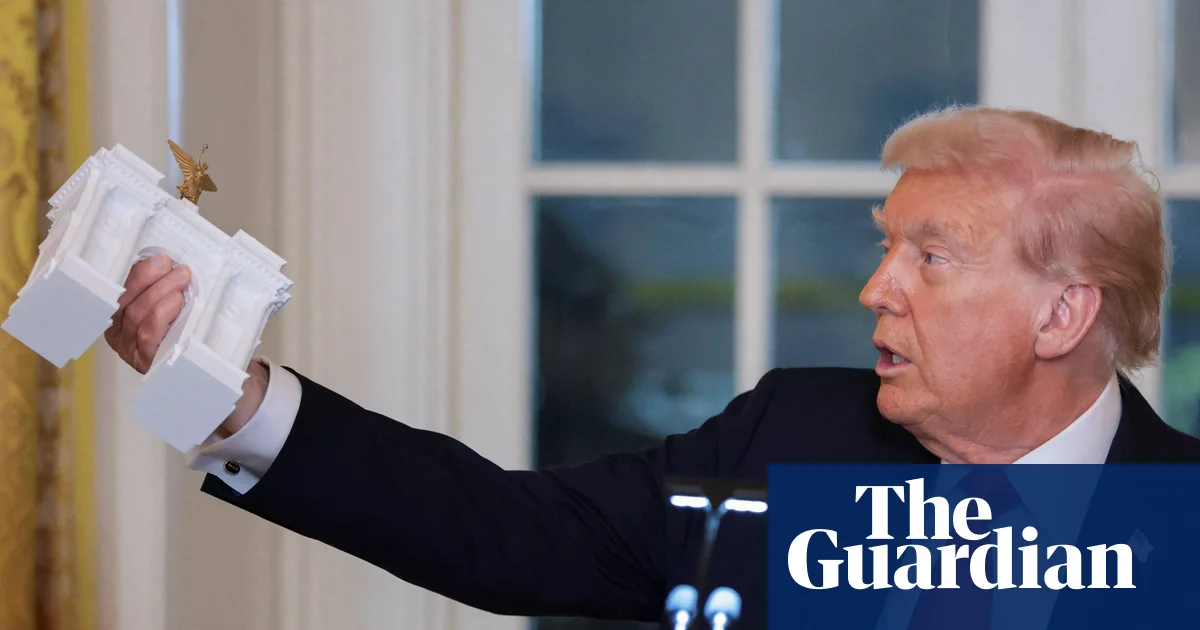
The recent revelations from President Donald Trump regarding the construction of a triumphal arch in Washington, D.C., mark a significant shift in the narrative of American governance. Trump’s praise for his domestic policy chief, Vince Haley, and the unveiling of a project reminiscent of historic monuments have sparked widespread controversy. While the nation faces an alarming affordability crisis—with health insurance premiums expected to surge for over 20 million Americans—and rising tariffs that inflate everyday costs, the administration exhibits a focus on symbolism over substantive policy solutions.

Analysts and international observers have voiced concern about the geopolitical implications of such misplaced priorities. The decision to channel federal funds into a decorative monument, rather than address deeply rooted economic hardships, underscores a disconnect between political spectacle and urgent societal needs. According to historians specializing in American greatness and public policy, this emphasis on monument-building amid hardship echoes a recurring pattern in history where national leaders prioritize legacy projects over sustainable economic reform.

Symbolism Versus Substance: The American Dilemma

During a White House holiday event, Trump bandied about grandiose visions of a triumphal arch, situated near the Lincoln Memorial and Arlington Cemetery—sites of profound national significance. He boasted that the project would eclipse Napoleon’s famous arch, representing a bold, even patriotic, statement—yet critics argue that this lends itself more to ego than effective governance. The project’s costs and its symbolic resonance are raising alarms among policymakers and social critics, who see it as emblematic of a decadent distraction from economic realities faced by millions.

International organizations such as the United Nations and think tanks like the Cato Institute have warned that such public displays at a time of economic turmoil may further erode confidence in leadership. Economists warn that with insurance premiums set to double or even triple, and tariffs contributing to inflation, the American public’s trust in government’s ability to solve real problems could further decline. As the United States grapples with these domestic issues, the federal government’s focus on monuments risks redefining its priorities in a manner reminiscent of late-stage empires of history—more obsessed with legacy than legacy of prosperity.

The Impact on Society and Global Power

Global perceptions are also shifting. China and Russia continue to watch closely, aware that internal distractions and apparent neglect of domestic welfare could weaken America’s standing on the world stage. Analysts warn that such internal divisions and the perception of elected leaders engaging in emblematic excess could embolden adversaries and weaken alliances. Moreover, the country’s youth, increasingly burdened by economic hardship, are beginning to question the legitimacy of a political elite more invested in spectacle than substance.

For many, the decision to build an imposing arch rather than tackle tangible economic issues signals a dangerous slide into prioritizing superficial symbols over sustainable policy reforms. As history’s course continues to unfold, the coming months pose a critical crossroads—whether the nation can rally around meaningful change or succumb to the divisions created by misplaced priorities and hollow promises. The weight of history presses down, reminding us that the true monument of a nation’s greatness lies not in its monuments, but in the resilience and grit of its people amid the stormy times ahead.

Social Media Auto Publish Powered By : XYZScripts.com



